
Last updated November 18, 2026
 Metal roofing
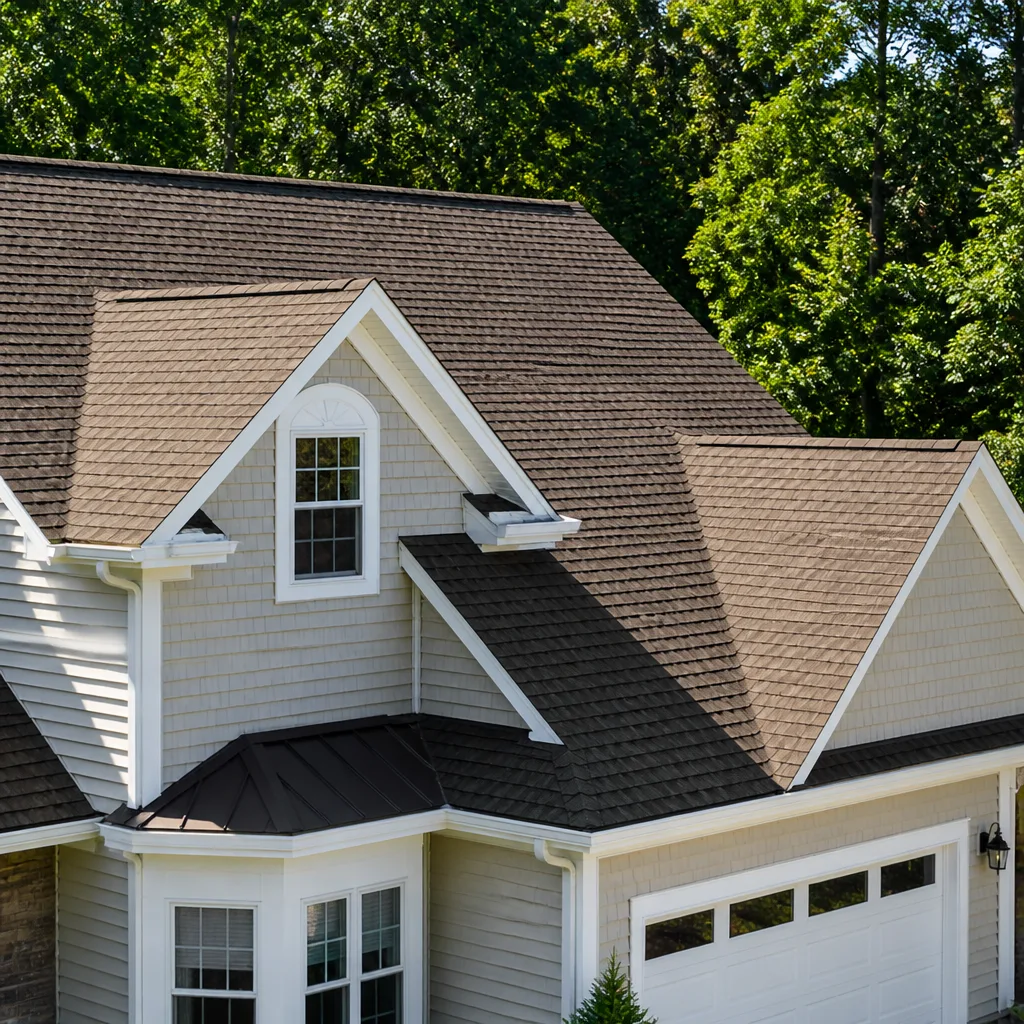
 Architectural shingles
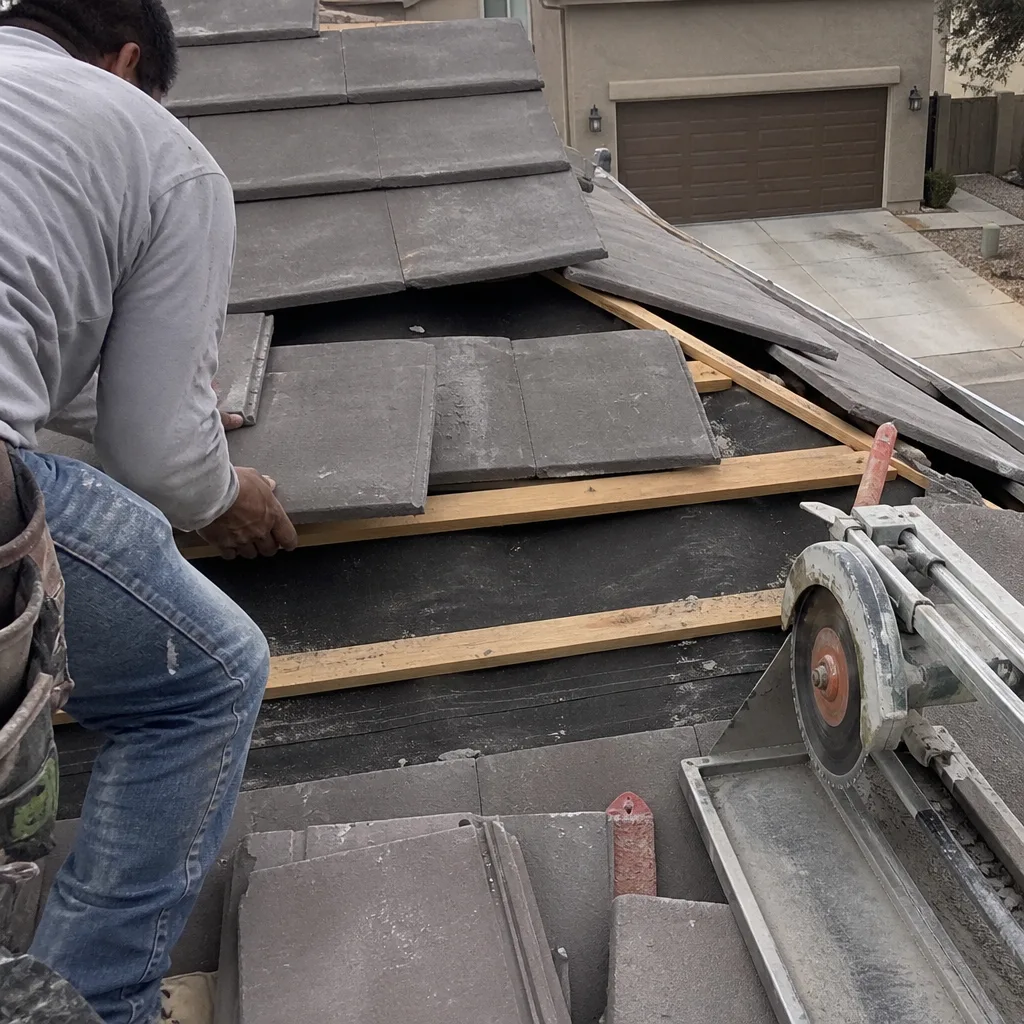
 Tile roofing
 GAF
 Owens Corning
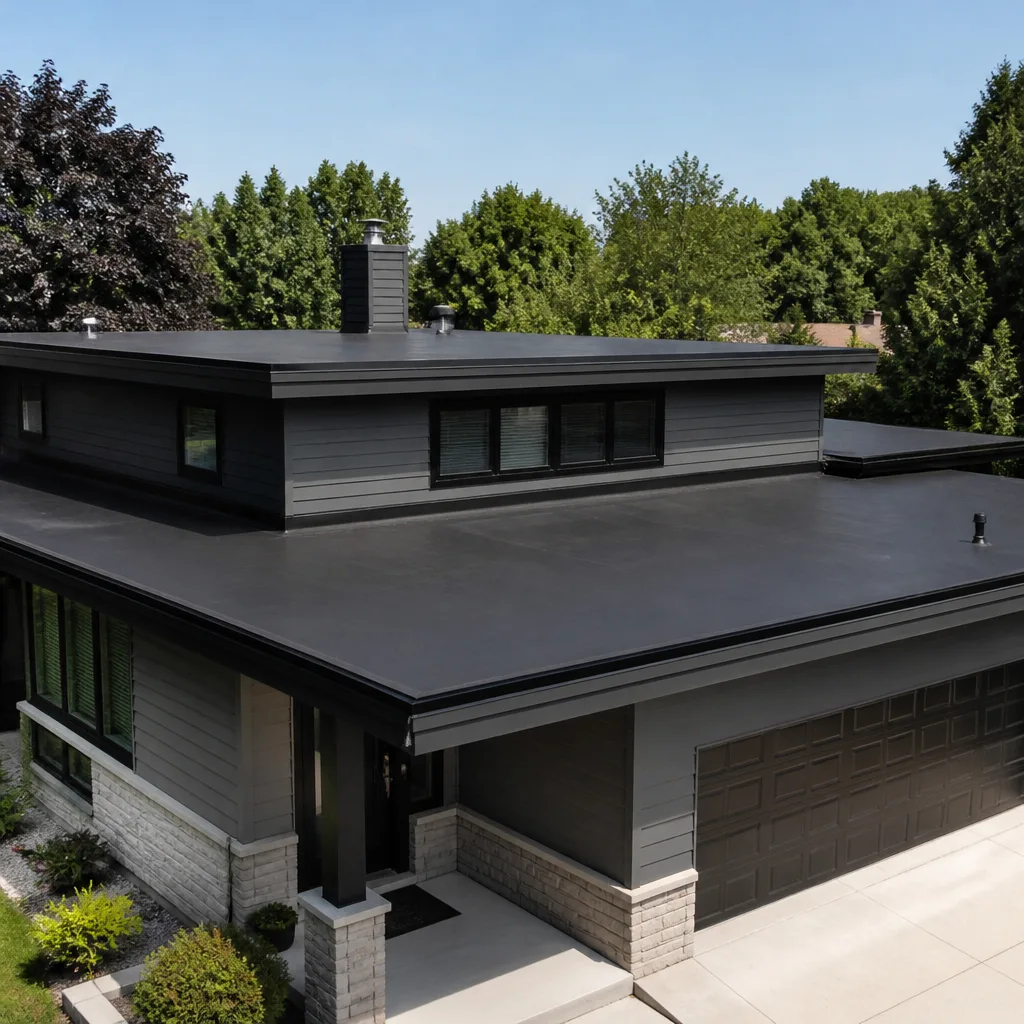 Flat & low-slope
Free roof inspection with deck photos before we talk money - GAF and Owens Corning certified installation
Roofing Permits, Codes & Inspections in NV: What You Need to Know
Here’s the part almost nobody tells you. A re-roof without a pulled permit in Clark County doesn’t just risk a stop-work order from the county. It can legally let your insurance carrier deny a future water-damage claim on the grounds that the work was unpermitted. We’ve seen homeowners in Enterprise find that out the hard way, standing in a wet hallway with a denial letter in hand. This guide walks through exactly when Clark County requires a roofing permit, when a repair qualifies as exempt, what the inspection stages actually check, and how to verify the work on your own home was done legally. If you’re a homeowner in Enterprise planning a roof project, read this before anyone climbs a ladder.
Quick Answer
Clark County generally requires a building permit for any full roof replacement, and for repairs that exceed defined square-footage thresholds or change the roofing material type. Minor repairs within the exempt limits don’t need a permit. The inspection sequence for a standard re-roof usually involves a rough-in or underlayment inspection and a final inspection, and your HOA architectural approval is a separate process that must be satisfied alongside the county permit. Pulling the permit is what keeps your insurance coverage intact on a later claim.
Styles & brands we work with
- Architectural shingles
- Metal roofing
- Tile roofing
- GAF
- Owens Corning
- Flat & low-slope
Table of Contents
- When Does a Clark County Roofing Permit Get Required?
- When a Roof Repair Qualifies as Exempt
- The Inspection Sequence for a Standard Re-Roof
- HOA Approvals and County Permits Are Two Different Things
- What “Like-for-Like” Means and When Switching Material Triggers More Review
- How to Check Whether Prior Work on Your Home Was Permitted
- Enterprise-Specific Climate and Code Considerations
- Why the Permit Record Matters to Your Insurance Carrier
When Does a Clark County Roofing Permit Get Required?
Clark County’s building department requires a permit when roof work crosses specific thresholds. The two biggest triggers are scale and material change. If you’re replacing all or a substantial portion of the roof covering, you need a permit. If you’re switching from one material type to another, such as flat membrane to tile or asphalt shingle, you need a permit and typically need additional structural review. And if a repair exceeds the county’s defined square-footage exemption limit, the repair is treated like a replacement and requires a permit.
For homeowners in Enterprise, this matters because the line between a “repair” and a “replacement” isn’t as obvious as it sounds. Repointing a few lifted shingles after a windstorm is one thing. Replacing a 200-square-foot section of decking with new underlayment and new shingles is another. Once decking gets replaced across a meaningful area, the county usually wants a permit because the deck itself is structural.
We work with homeowners across the Enterprise area, and the pattern we see is this:
- A permit is typically required for: full re-roofs, tear-offs, any replacement of roof decking beyond minor patchwork, material upgrades, structural changes to the roof framing, and repairs that exceed the county’s square-footage exemption limit.
- A permit is usually not required for: replacing individual missing or damaged shingles, re-flashing a chimney if the flashing is the only item being replaced, sealing small penetrations, and clearing minor debris.
- The gray area: large-section repairs where the shingle count looks small but the decking underneath is being replaced. That often triggers the permit requirement.
Before any project begins, the exact scope should be written down so you know which side of the line it falls on. When you’re ready to plan a replacement, our team can walk the scope with you as part of a Roof Replacement & Installation in Enterprise consultation.
When a Roof Repair Qualifies as Exempt
A Clark County roof repair is generally exempt from permitting when it’s limited in scope, doesn’t change the material type, and doesn’t touch the underlying structure. The exemption exists so that a homeowner isn’t required to pull a permit to fix a leak from a failed pipe boot or replace a handful of shingles. But the exemption is narrow, and a lot of contractors stretch it further than the county allows.
The kinds of work that typically qualify as exempt:
- Replacing a few missing or damaged shingles, tiles, or shakes.
- Sealing small penetrations, vent caps, or pipe boots.
- Repairing localized flashing around a single vent, chimney, or skylight where only the flashing is replaced.
- Clearing debris from valleys, gutters, or drains.
- Replacing a single tile or a run of tile in a small area, as long as the underlayment and deck aren’t being replaced.
The kinds of work that almost always require a permit even when a contractor calls it a “repair”:
- Any repair that involves replacing more than a small area of sheathing or decking.
- Replacement of underlayment across a large section of roof.
- Any work where the material type changes, even partially (for example, patching a flat section with a different membrane).
- Any repair that touches the roof framing or alters the structure of the roof.
In our experience working roofs across Enterprise, the most common misread is a large repair that gets sold as exempt. When the material scope starts to expand, the permit requirement usually follows it. When you’re unsure which side of the line you’re on, our Roof Repair in Enterprise team can help you scope it correctly the first time.
The Inspection Sequence for a Standard Re-Roof
A standard Clark County re-roof doesn’t get one inspection. It usually gets two. The first happens before the finish layer goes on. The second happens at the end. Skipping the first one is where a lot of jobs go wrong, because once the shingles are down, the underlayment, decking, and flashing details that the rough-in inspection is supposed to catch are sealed permanently under the finish.
Here’s the sequence most Clark County re-roofs follow:
- Permit application and plan submission. Your contractor submits the scope, material specs, and any structural details to the county. For a like-for-like replacement, this is usually straightforward.
- Permit issuance. Work can’t legally begin until the permit is issued and posted at the site.
- Tear-off and inspection of the deck. The existing shingles, underlayment, and any failed decking come off. If significant rot or failed decking is discovered, the permit scope may need to be amended.
- Rough-in (underlayment) inspection. The inspector checks the deck condition, the attachment pattern, the underlayment installation, the flashing details at penetrations and valleys, and any strapping or nail pattern requirements. This has to pass before the finish roof goes on.
- Finish installation. The shingles, tiles, or membrane goes down over the approved underlayment.
- Final inspection. The inspector verifies the finished roof, looks at ridge and hip details, checks vent flashing, confirms the permit matches the work actually done, and closes out the permit.
The county’s inspector is looking at things a homeowner can’t easily verify from the ground. Deck attachment, nail pattern, underlayment overlap, valley flashing, and the way penetrations are sealed are all items checked during the rough-in stage. A crew that skips rough-in or pushes the inspector out of the process is hoping nobody notices later. We don’t work that way, and we don’t advise hiring anyone who does. If you’re comparing bids for a full tear-off, ask each contractor to show you the inspection record on their last job.
HOA Approvals and County Permits Are Two Different Things
In Enterprise and much of the surrounding Clark County area, many neighborhoods have active HOAs with architectural review requirements. Those are entirely separate from the county permit. Both have to be satisfied, and the order matters.
The correct sequence is usually HOA first, county second. Submit your architectural request to the HOA with the material samples, color choices, and any pitch or profile details they request. Once the HOA has issued its approval in writing, your contractor pulls the county permit. If you go the other direction and pull the county permit before HOA approval lands, you can end up with a valid county permit and an HOA stop-work order on the same job. That’s a very expensive way to learn the lesson.
A few things to know when you’re dealing with an Enterprise-area HOA:
- Most HOAs will want to see the exact product line and color. If you’re using a manufacturer like IKO or Tamko, bring the color chip to the meeting.
- Some HOAs restrict replacement material types. If you’re switching from tile to shingle, or from shingle to a standing seam product, expect the architectural review to take longer.
- HOA architectural approvals are usually written. Get them in writing and keep them with your permit paperwork.
- If the HOA has a design review committee, they may take up to several weeks to respond. Plan the project timeline around that, not the other way around.
We’ve seen jobs get held up for a month by an HOA review that was started after the county permit was already pulled. The contractor usually blames the HOA. The owner ends up paying the price. Start with the HOA. It’s the honest order.
What “Like-for-Like” Means and When Switching Material Triggers More Review
Like-for-like replacement means installing a new roof of the same material type in the same configuration as what’s there now. Same shingle profile, same underlayment style, same general weight and pitch. In code terms, a like-for-like replacement is usually the simplest permit path. The county is confirming that the new roof doesn’t load the structure beyond what it was originally built for.
Switch the material, and the review changes. Here’s where it usually gets more involved:
- Shingle to tile: tile is significantly heavier than asphalt shingle. The County will typically require structural review to confirm the roof framing can carry the additional dead load. That can mean an engineer’s letter or additional plan documentation.
- Shingle to standing seam metal: usually less of a structural question and more of an attachment and substrate question. The County will want to see the attachment detail for the metal panels.
- Flat membrane to pitched product, or the reverse: a change in roof configuration triggers review of the underlying structure and drainage details.
- Adding a second layer over an existing roof: some jurisdictions allow it, some don’t. Clark County’s position depends on the existing condition and material. Even when it’s allowed, it’s rarely a good long-term call.
What’s on your current roof was decided once, by the builder or a prior owner. Changing it is a structural decision, not just a cosmetic one. If you’re thinking about a material change on your Enterprise home, our Specialty Roofing in Enterprise team can help you understand what the county review will involve before you commit. We install products from GAF, CertainTeed, Owens Corning, IKO, Atlas, Tamko, and Boral, so the conversation about product options is grounded in what’s actually available and what the code really requires.
How to Check Whether Prior Work on Your Home Was Permitted
You can search Clark County permit records on your own home, and if you’ve lived there twenty years or more, it’s worth doing once. Work done by a prior owner, or even by a contractor you hired a decade ago, may or may not have gone through the permitting process. If it didn’t, you want to know that before you file an insurance claim on top of it.
The search process usually looks like this:
- Locate the property’s parcel number. It’s on your tax bill, your mortgage statement, or the county assessor’s property search portal.
- Search the county’s online permit portal by address or parcel number. The public portal shows issued permits, inspection records, and closed permits.
- Look for prior roofing permits and their status. A permit that shows as “closed” with a passed final inspection is what you want to see. A permit showing as “open” or “expired” is a red flag.
- Cross-check against the assessor record. If the assessor shows a roof replacement year that doesn’t match a permit record, that’s a signal.
- Pull the actual inspection documentation if anything looks off. The county can usually provide inspection dates and inspector notes.
If you find that prior work wasn’t permitted, don’t panic and don’t ignore it. The two paths forward are usually: (a) have the current roof inspected by a licensed contractor and get a written assessment, then have the contractor pull a permit and bring the work into compliance with the current code; or (b) disclose the unpermitted work to your insurance carrier and let them decide how to underwrite it. The worst option is to say nothing and hope it never comes up. It almost always comes up at the worst possible moment.
If you’re not sure how to read what you find, our team can review the plot plan and permit search with you as part of a Ridgeline Roofing Co. Enterprise home inspection. We’ve walked a lot of homeowners through permit records across the Enterprise area, and it’s usually less scary than it looks.
Enterprise-Specific Climate and Code Considerations
Enterprise sits in a stretch of Clark County with its own climate profile: hot, dry summers, intense UV exposure, occasional monsoon moisture, and winter morning temperatures that can dip into the freezing range. That pattern affects how a roof fails and what the county expects to see in the installation details.
What that means for your roof and your permit:
- UV degradation is the leading failure here. Asphalt shingles on south- and west-facing planes degrade faster in Enterprise than they would in cooler climates. High-quality underlayment and proper attic ventilation details matter, and those details are part of what the county inspection looks at.
- Monsoon wind uplift is a real code item. Wind-driven rain and afternoon gusts during monsoon season expose attachment failures. The County’s wind uplift requirements for attachment pattern and edge metal are enforced, and the rough-in inspector checks them.
- Freeze-thaw matters even in the desert. Winter overnights below freezing, followed by daytime warm-up, stress flashing and sealant details. This is why the final inspection looks closely at penetration seals.
- Deck condition after tear-off. Homes built in the 1980s and 1990s in Enterprise may have underlying decking that has aged out. If the tear-off reveals failed sheathing, the permit scope usually needs to be amended to replace it, and that has to happen before the rough-in inspection passes.
In our experience on roofs across Enterprise, the jobs that go smoothly are the ones where the permit was pulled with enough lead time to allow the rough-in inspection, and where the contractor planned the decking replacement scope up front. When we’re doing a replacement or a large repair, we build the permit timeline into the project schedule rather than trying to rush the inspection to fit a chosen install date. If you want to understand what that schedule looks like for your home, call for a free estimate.
Why the Permit Record Matters to Your Insurance Carrier
Insurance carriers adjust homeowner roof claims based on the permit record. If a roof was replaced or substantially repaired without a permit, and a later water-damage claim traces back to that work, the carrier can deny coverage on the grounds that the installation was unpermitted. That’s not a hypothetical. We’ve seen it happen to homeowners in Enterprise.
The carrier’s argument is usually a combination of two things. First, unpermitted work is presumed not to have met code. Second, if it didn’t meet code, the carrier is being asked to cover damage that a compliant installation would have prevented. That’s the basis for denial, and it holds up more often than homeowners expect.
What to do about it:
- Keep your permit number, inspection records, and the contractor’s final invoice together. If a claim ever comes, you want that paperwork in one place.
- Verify the permit was actually closed out with a passed final inspection. An open permit on your record is a problem.
- If you’re buying or selling, include the roofing permit record in the disclosure package. It protects both sides.
- If you discover prior unpermitted work, tell your carrier before you have a claim. Carriers are far more cooperative before a loss than after one.
Every job we complete is documented, and we stand behind the work with the 90-Day Done Right Promise: a written workmanship guarantee, no arguing, no paperwork runaround. If it’s not right, we come back and make it right. That’s the same standard we’d want applied to our own mother’s home, and it’s the standard a proper permit record protects.
Common Mistakes to Avoid
- Assuming a repair is always exempt. If the material scope starts to expand beyond a handful of shingles, the permit requirement usually follows. Confirm the scope in writing before work begins.
- Pulling the county permit before HOA approval. Enterprise-area HOAs often need architectural review first. Get the HOA approval in writing, then pull the county permit – not the other way around.
- Skipping the rough-in inspection. Once the finish roof goes on, the rough-in inspector can’t verify deck attachment, underlayment overlap, or flashing details. Skipping it puts the job out of compliance and can jam the final inspection.
- Replacing a flat section with tile and not filing for structural review. A material change like this can require an engineer’s letter and structural review. The permit path is not the same as a like-for-like replacement.
- Not verifying prior work before you file an insurance claim. A claim on top of an unpermitted prior installation is exactly the fact pattern that gives carriers grounds to deny.
- Letting an open permit sit. If a prior contractor left a permit open, it can complicate future inspections, disclosure, and claims. Close it out.
- Trusting a contractor who says “we don’t bother with permits on repairs like this.” The permit exists to protect you, and a contractor willing to skip it is a contractor who may also skip the inspection that proves the work was done correctly.
See the difference
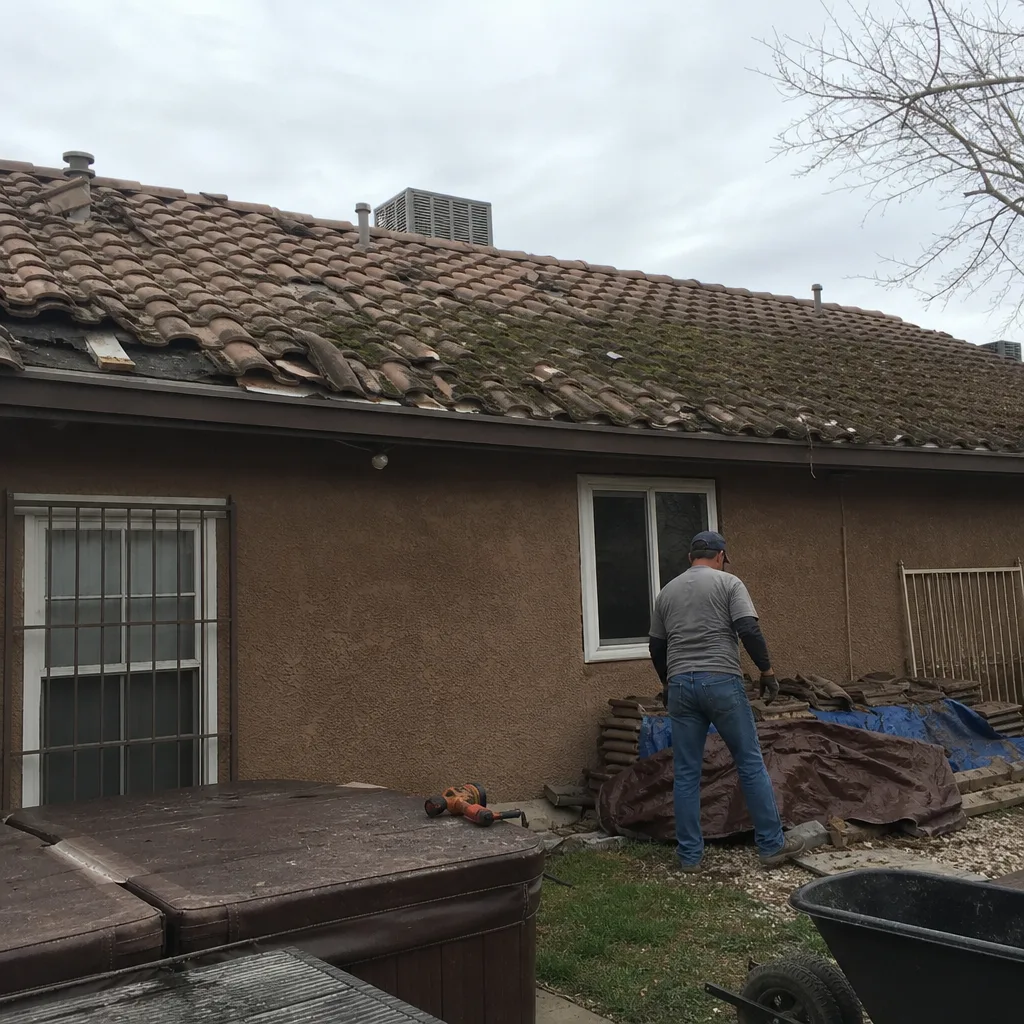 Before
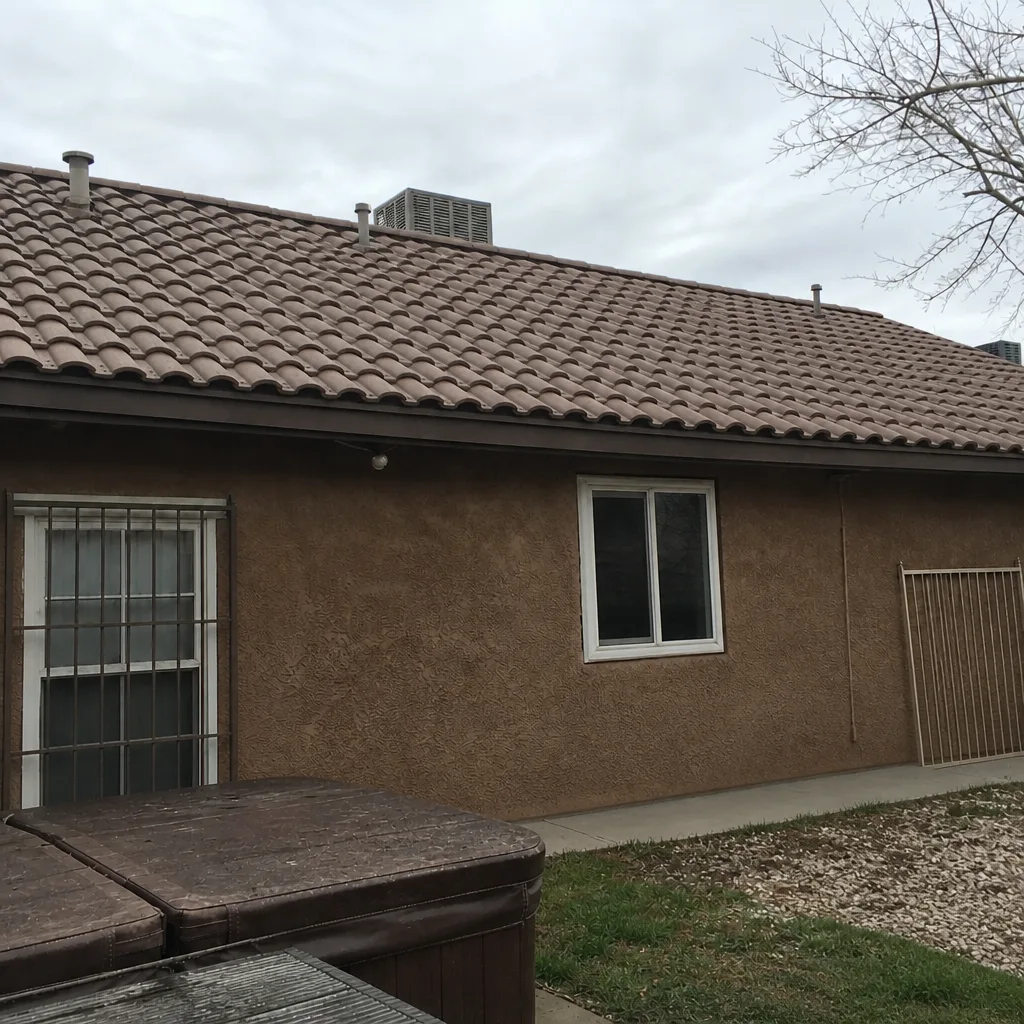 After
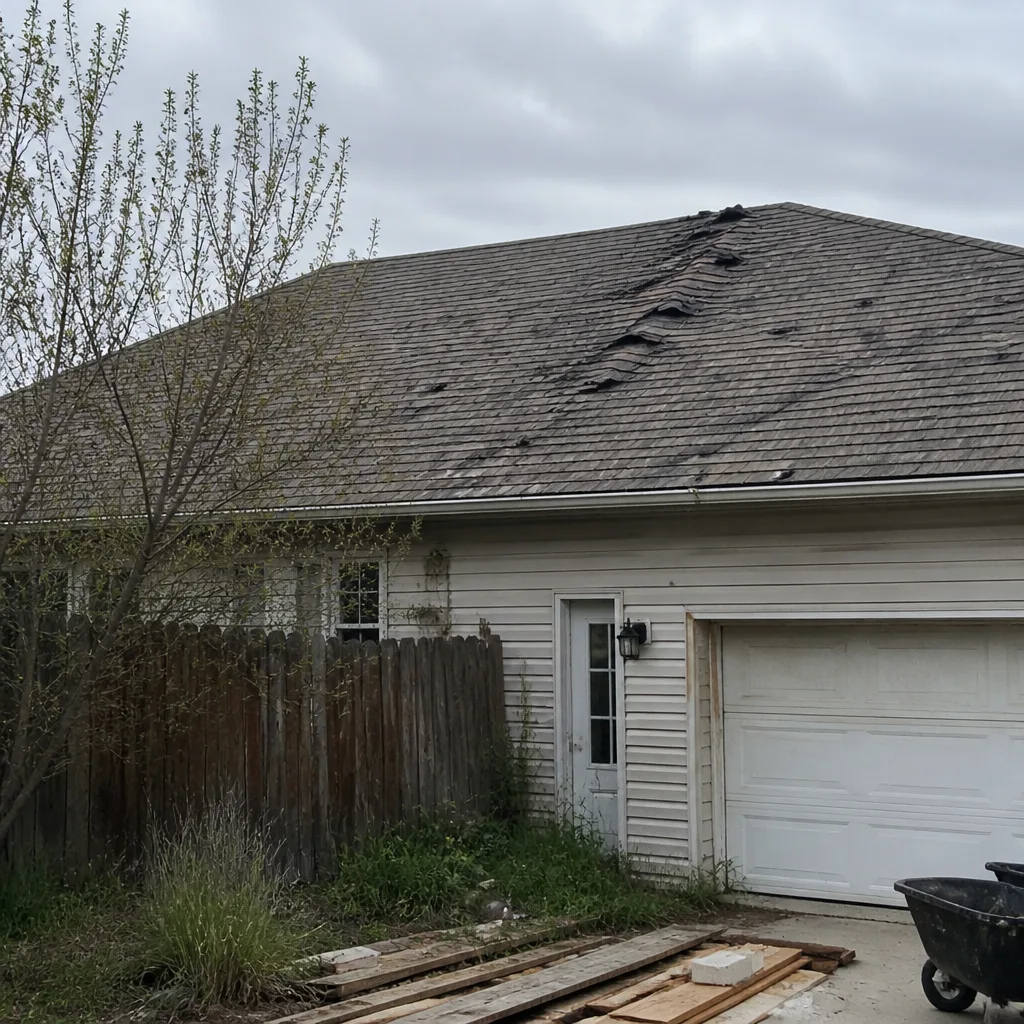 Before
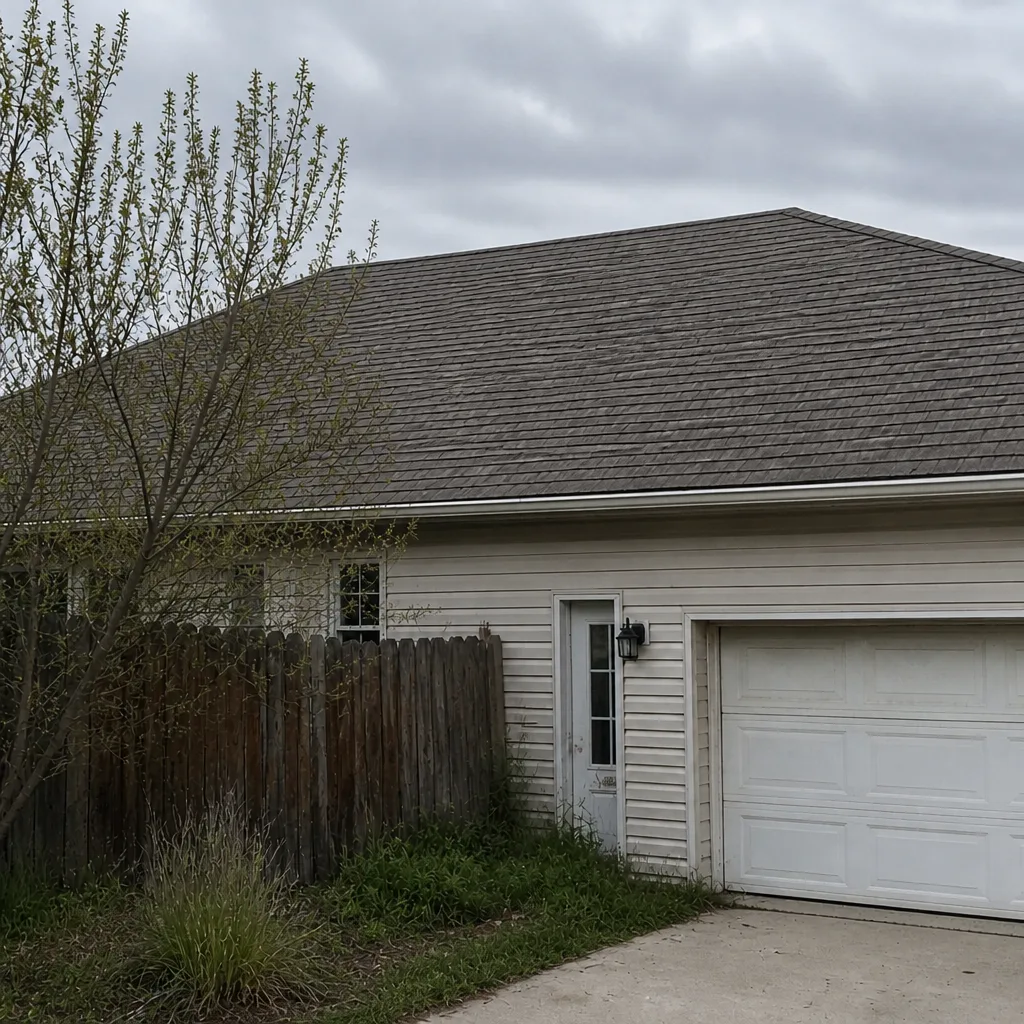 After
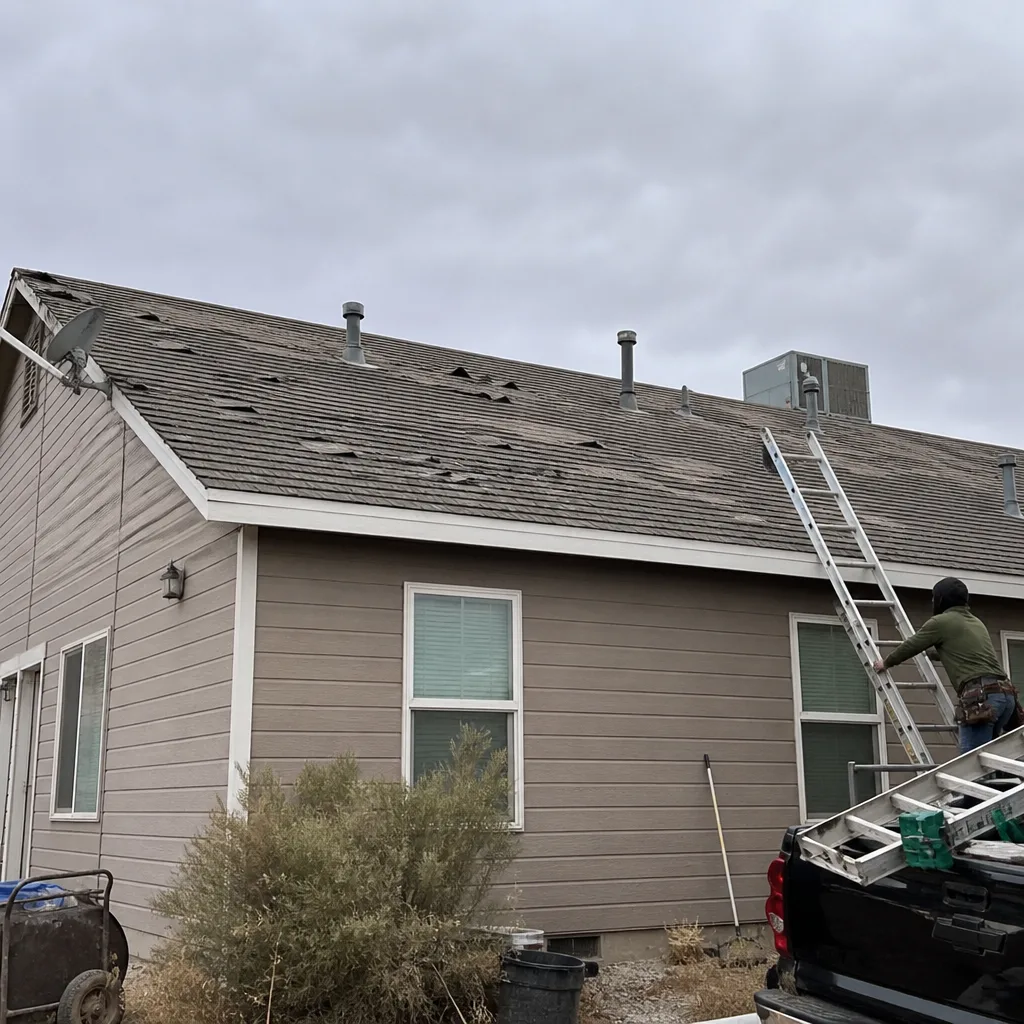 Before
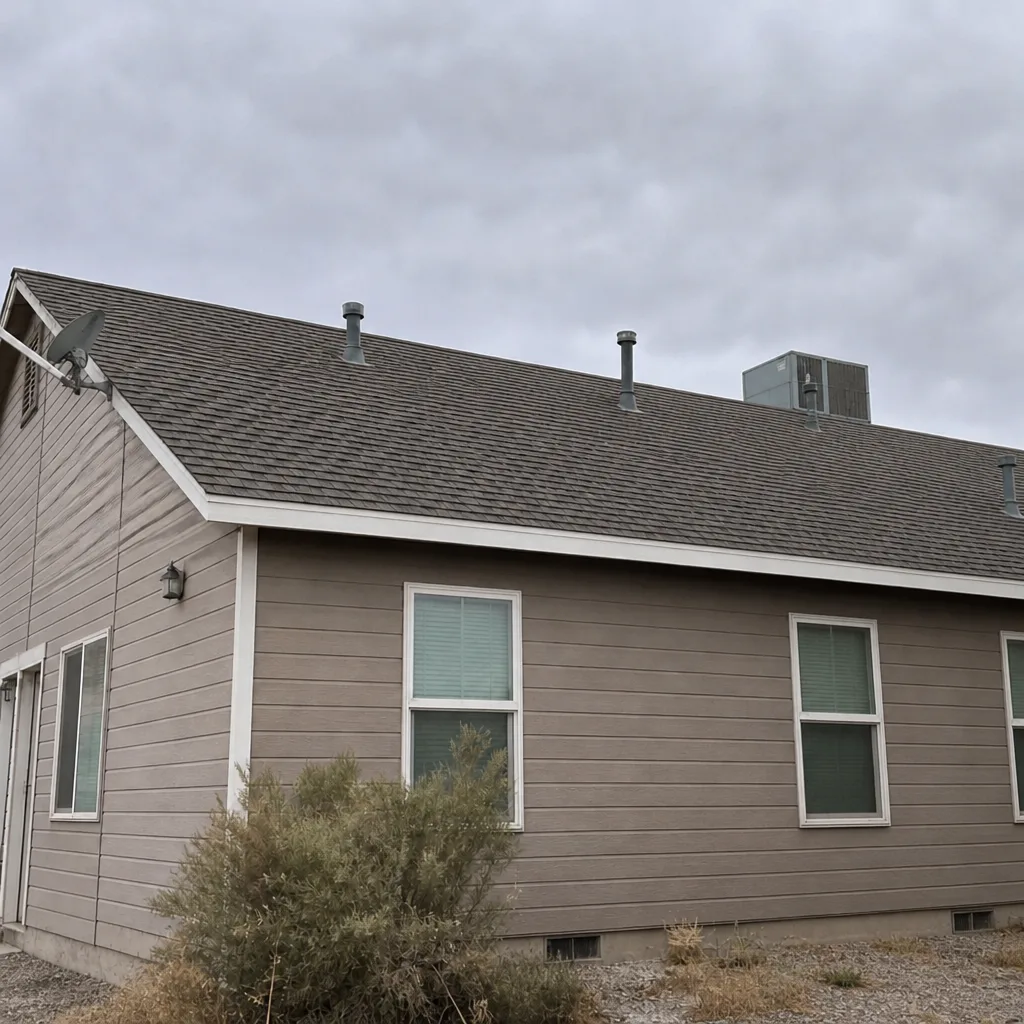 After
When to Call a Professional
Call a licensed roofing contractor when: the repair scope is unclear and could cross the exemption threshold; the deck condition is unknown; the material type is being changed; HOA and county approvals are both in play; or prior work on the home looks like it may not have been permitted. Call before the work begins, not after – a professional can scope the permit question in an hour. Ridgeline Roofing Co. Enterprise offers free estimates in Enterprise – call (844) 228-4119. We’re a phone call answered by a live person, 24 hours a day, seven days a week, and we can walk you through the permit sequence for your specific home without pressure. Our technicians have up to 10 years of experience, arrive in uniform, and document the inspection with photos taken from your actual roof. If the job isn’t right for a full replacement, we’ll tell you that too.
Frequently Asked Questions
Yes. A full roof replacement and any substantial tear-off in Clark County requires a building permit, along with the rough-in inspection and final inspection that go with it. A complete re-roof without a permit is unpermitted work for insurance purposes and can be subject to a stop-work order. Call (844) 228-4119 for a free estimate – we’ll walk through the permit sequence for your home.
Usually yes, if the repair is limited in scope, doesn’t change the material type, and doesn’t touch the roof deck or framing. Small shingle replacement, flashing repair on a single penetration, and minor sealant work typically don’t require a permit. Once the scope expands to decking replacement or a material change, the permit requirement usually applies. Call (844) 228-4119 and we’ll scope it correctly.
The rough-in inspection checks deck condition, attachment and nail pattern, underlayment installation, and flashing details at valleys, penetrations, and edges. The final inspection verifies the finished roof, ridge and hip details, vent flashing, and that the work matches the permitted scope. Both stages get recorded against the permit number. Call (844) 228-4119 to talk through what the inspection expects for your specific roof.
In most Enterprise-area HOA communities, yes – HOA architectural approval should come first. The two processes are separate, and starting the county permit before the HOA has approved your material and color choice can produce a valid permit held up by an HOA stop-work order. Call (844) 228-4119 for guidance on the order of operations.
It can on a future claim. Carriers can deny a water-damage claim on the basis that the installation was unpermitted work, and they usually tie the denial to code compliance. Keep your permit record, inspection documentation, and final invoice together and your coverage stays defensible. Call (844) 228-4119 if you want help pulling the permit history on your own home.
Search the Clark County permit portal by parcel number or address, and cross-check against the assessor record. A closed permit with a passed final inspection is what you want to see; an open or expired permit is a red flag. If the work wasn’t permitted, the two paths forward are to bring the roof into compliance or to disclose to your carrier. Call (844) 228-4119 and we’ll help you read what you find.
The Bottom Line
A roof permit is not paperwork for its own sake. In Clark County, it’s the record that proves the work was done to code, the document an inspector uses to verify the parts of the job you can’t see once the shingles go down, and the evidence your insurance carrier looks for when a claim gets filed. The thresholds for what triggers a permit and what stays exempt are specific, the inspection sequence is specific, and the cost of skipping either is real. If you’re planning a project in Enterprise, get the permit questions answered before anyone climbs a ladder. Ridgeline Roofing Co. is at (844) 228-4119 – call for a free estimate, and we’ll walk you through what the county will look at.
Written by the team at Ridgeline Roofing Co. Enterprise.