
Last updated November 18, 2026
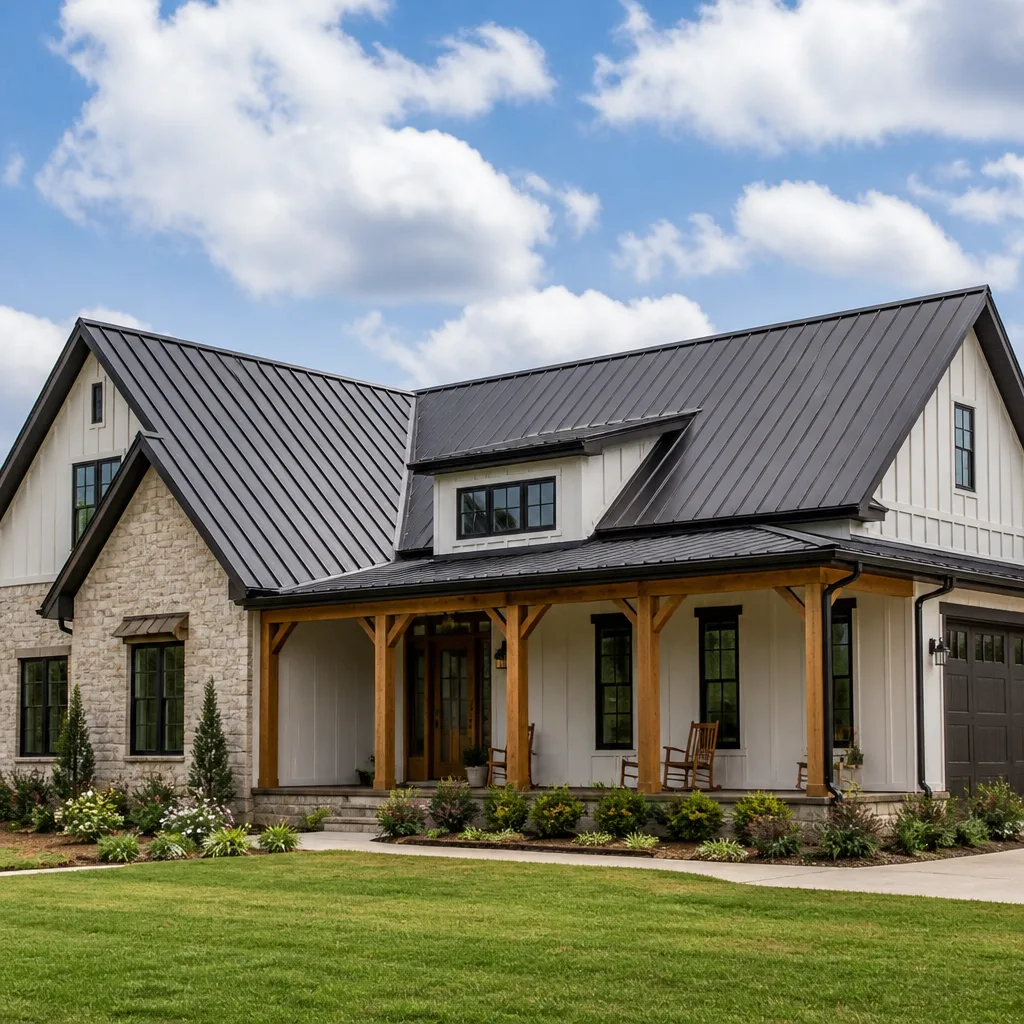 Metal roofing
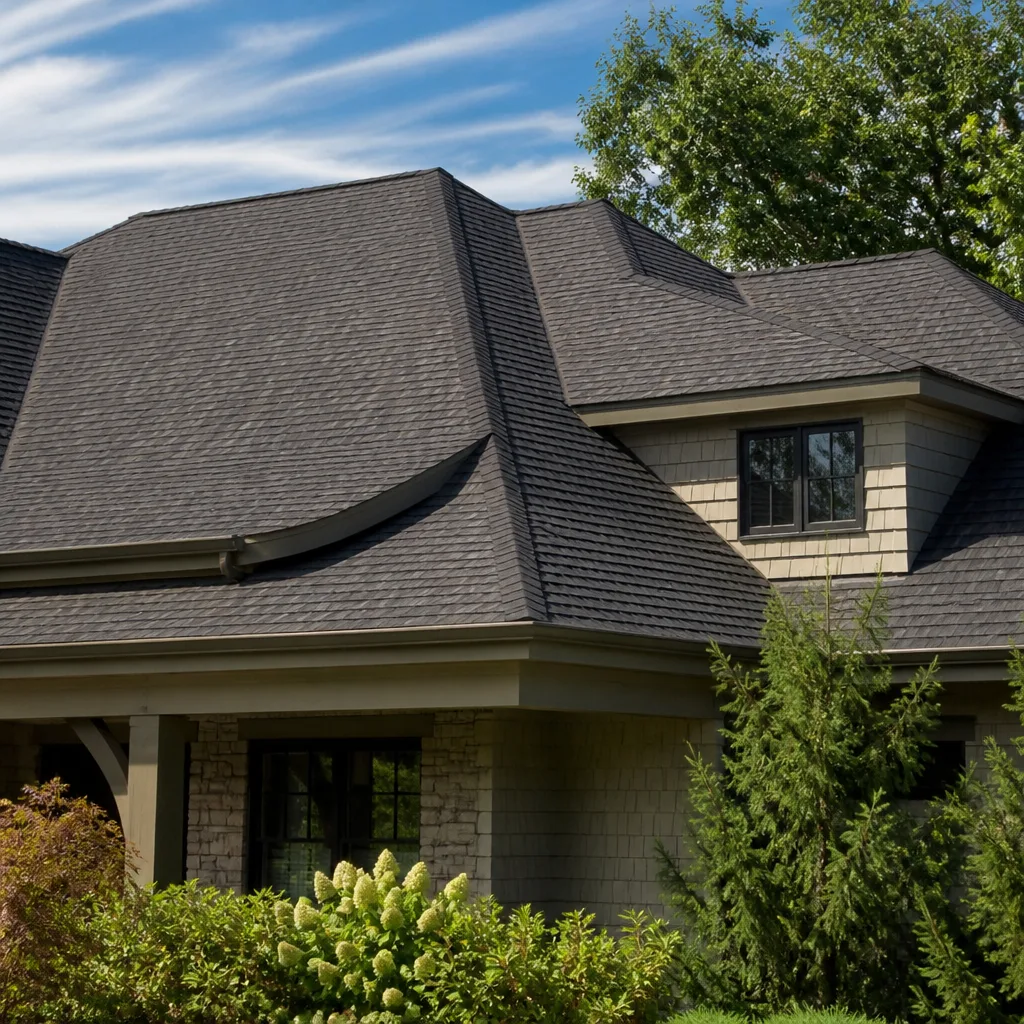 Architectural shingles
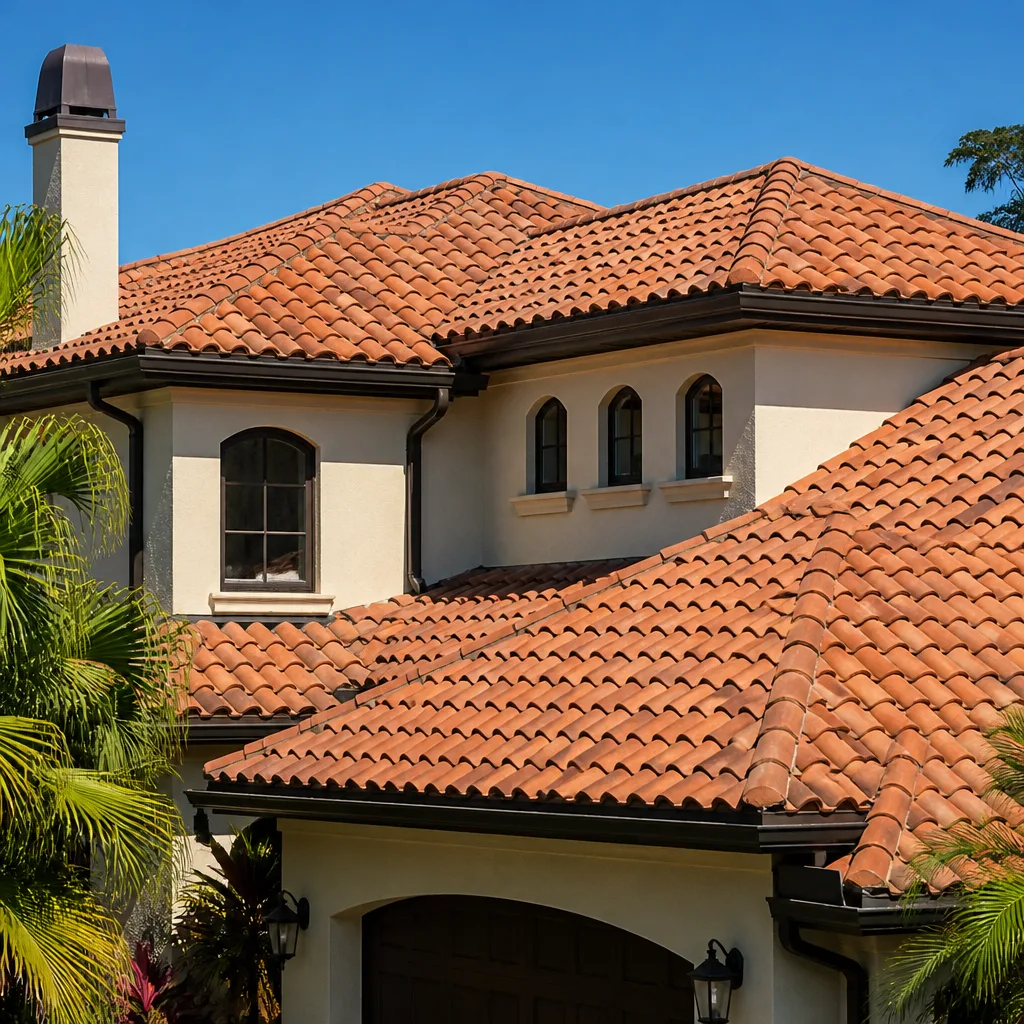 Tile roofing
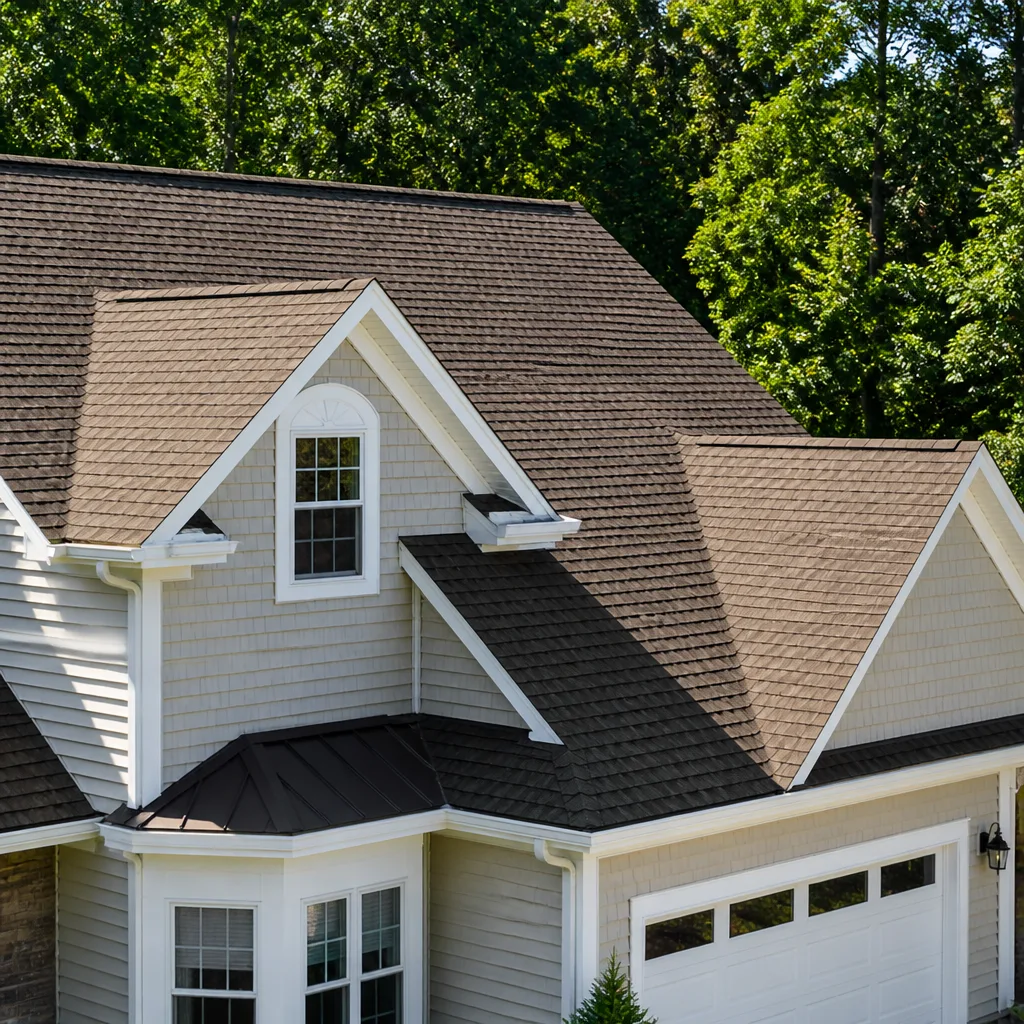 GAF
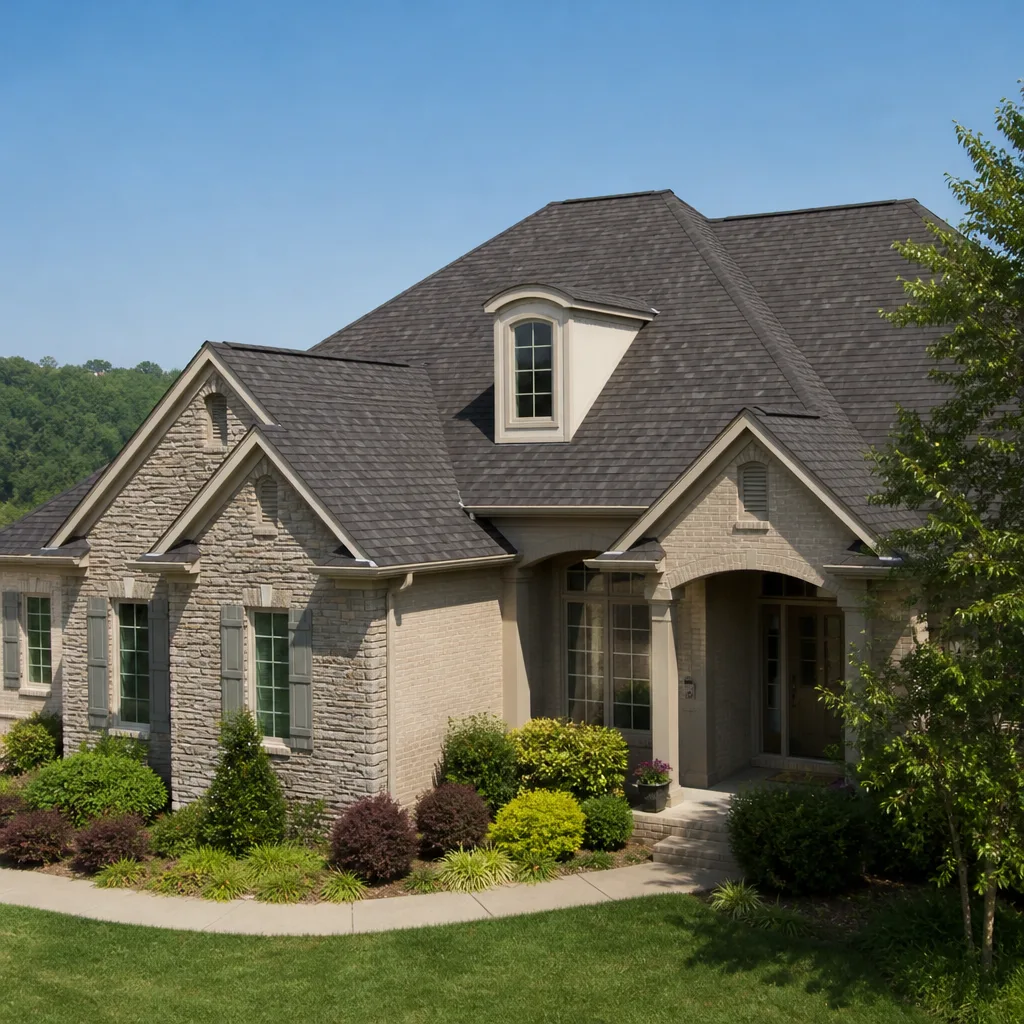 Owens Corning
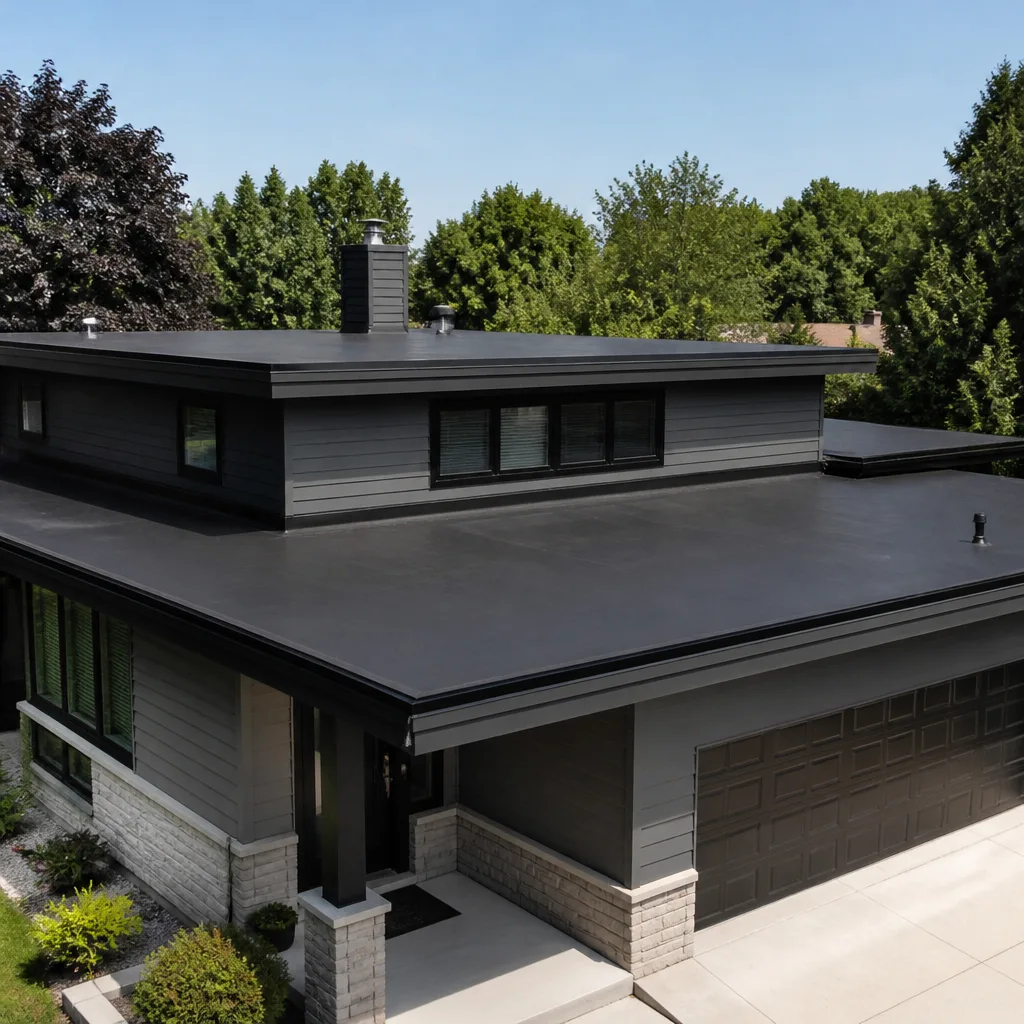 Flat & low-slope
Free roof inspection with deck photos before we talk money - GAF and Owens Corning certified installation
Roofing Cost Breakdown: The Enterprise Homeowner’s Reference for 2026
Two quotes land on the same kitchen table for the same Enterprise house: one says $7,500, the other says $12,000. Same shingles on paper, same square footage, wildly different numbers. That gap is rarely about greed or generosity on either side. It’s almost always about what the cheap bid quietly left out. A missing drip edge allowance, no ice-and-water underlayment, decking repairs bid at zero, permit fees pushed to “later.” Each omission looks like savings today and turns into a change order next month. This guide breaks down where your roofing dollars actually go in Enterprise, which costs are fixed, which are negotiable, and how to read a quote so the number you sign is the number you pay.
Quick Answer
A full roof replacement on a typical Enterprise home runs roughly $9,000 to $18,000 in 2026, or about $425 to $700 per square installed depending on roof type and pitch. Asphalt shingle jobs sit at the low end, flat membrane systems land in the middle, and tile or specialty roofs climb past $900 per square once tear-off and structural prep are counted. The quote spreads you’ll see across town come from scope differences, not price wars.
Styles & brands we work with
- Architectural shingles
- Metal roofing
- Tile roofing
- GAF
- Owens Corning
- Flat & low-slope
Table of Contents
- Per-Square Material Costs by Roof Type in Enterprise
- Clark County Labor Costs: What You’re Actually Paying For
- The Change Order Trap: What Low Bids Leave Out
- How to Compare Quotes Apples-to-Apples
- What a Written Warranty Is Worth in Dollars
- Enterprise Climate, Code, and Geography
- Common Mistakes to Avoid
- When to Call a Professional
Per-Square Material Costs by Roof Type in Enterprise
A “square” in roofing is 100 square feet of roof surface, not floor space. Pitch, overhangs, and hips inflate the real square count, which is why a 2,000-square-foot house often carries 24 to 28 squares of actual roof. Here’s what materials run in the Enterprise market for 2026.
Asphalt Shingle Roofs
- Three-tab shingles: $105 to $140 per square in materials
- Architectural shingles (Owens Corning Duration, IKO Cambridge, Tamko Heritage): $140 to $220 per square
- Installed cost with labor, underlayment, and standard accessories: $425 to $575 per square
Asphalt dominates Enterprise neighborhoods from Silverado Ranch up through the older pockets off Mountain Vista because it balances cost and lifespan well in our dry heat. Architectural shingles are the sensible middle. Three-tab is where budget bids start, and where wind claims in the valley start piling up.
Flat Membrane Roofs (TPO and Modified Bitumen)
- TPO membrane: $325 to $500 per square in materials
- Modified bitumen: $225 to $375 per square in materials
- Installed cost: $550 to $850 per square
Flat sections are common on additions, patios, and low-slope garages around Enterprise. TPO reflects heat better and lasts longer in direct sun, so it usually wins on the math. Modified bitumen costs less upfront but tends to chalk and crack faster at our summer temperatures.
Tile Roofs
- Concrete tile: $350 to $600 per square in materials
- Clay tile (varies widely by profile): $500 to $1,100 per square
- Installed cost: $750 to $1,400 per square
Tile is the long-game choice. It lasts decades, but broken tiles from monsoon debris, failed underlayment underneath, and heavier structural demands mean the tear-off and prep work carries more of the total. If you’re weighing tile against a re-shingle, the Roof Replacement & Installation in Enterprise page walks through what each system needs.
Clark County Labor Costs: What You’re Actually Paying For
Materials are roughly half the invoice. Labor is the other half, and it varies more than homeowners expect. Two crews can charge a $150-per-square difference and both be honest, because the difference is in experience, crew size, and what insurance overhead the company is carrying.
What Drives the Labor Number
- Crew experience: A journeyman crew nails down an architectural shingle course in a fraction of the time an apprentice crew does, and lays it flatter. Our technicians have up to 10 years of experience, which shows up in how straight the ridge line runs.
- Insurance overhead: A licensed, insured company pays real premiums. That’s baked into the bid, and it’s the difference between a worker who falls off your roof being covered or being your problem.
- Disposal and dumpsters: Tear-off shingles are heavy. In Enterprise, disposal runs $450 to $900 per job depending on square count.
- Pitch and access: A steep roof or a tight side yard slows everything down. Expect 15 to 25 percent added labor on complex geometry.
Here’s the hard truth about licensed versus unlicensed labor. An unlicensed crew might save you $800 today. If they drop a bundle through your ceiling or leave you with an unpermitted roof that fails inspection at resale, you’re looking at repair bills in the thousands and no one to call. Clark County pulls permits for a reason, and a contractor who shrugs at that is telling you what your recourse looks like after the fact. We’ve seen too many homeowners learning this the hard way.
The Change Order Trap: What Low Bids Leave Out
This is the heart of the $7,500 versus $12,000 gap. A change order is a mid-job revision to the scope and price, and it’s how a low bid turns into a high bill. Here are the exclusions that appear most often in Enterprise low bids.
Items Frequently Omitted From Base Estimates
- Decking replacement allowance: Rotten or delaminated sheathing gets discovered after tear-off. A fair bid carries a per-sheet allowance ($65 to $110 per sheet installed); a low bid carries zero and charges premium per sheet later.
- Drip edge: Metal flashing along the eaves that keeps water from wicking into the fascia. Small cost, frequently skipped, expensive to retrofit.
- Ice-and-water underlayment: Required in valleys and along eaves. It’s a modest line item that a cheap bid often drops entirely.
- Permit fees: Clark County permit costs on a residential re-roof typically run a few hundred dollars. If it’s missing from the estimate, it’s not free. It’s deferred.
- Ridge ventilation and proper intake: Skipped venting cooks an attic in our summers and shortens shingle life.
- Flashing replacement around chimneys and skylights: Bids that “reuse” old flashing are saving money at the wrong end of the job.
The fix is straightforward: demand a written, line-item scope, not a single bottom-line number. A fair contractor has no reason to hide the lines. When you get our estimate, the number on it is the number on the invoice, and the scope is spelled out item by item. That’s what a square deal looks like on paper.
How to Compare Quotes Apples-to-Apples
Bottom lines lie. Scope checklists don’t. Use this numbered process to line up any two estimates in Enterprise and see what the difference actually is.
- Put both quotes side by side and read down the line items. If one quote has fewer lines than the other, that’s your first clue where the difference lives.
- Check the decking allowance. Look for a per-sheet number and a cap. “As needed” with no dollar figure is a change order waiting to happen.
- Confirm underlayment, drip edge, and flashing are itemized. Not “included” as a vague line, but itemized with a material name.
- Look for permit and disposal line items. Both should be visible and priced.
- Verify the manufacturer line and product. A system warranty depends on the whole assembly matching the manufacturer’s spec, which is why we’re an authorized installer of GAF, CertainTeed, Owens Corning, IKO, Atlas, Tamko, and Boral.
- Ask what happens if the job takes an extra day. Is the labor figure firm, or does it float?
- Read the warranty language closely. “Workmanship guaranteed” with no terms on paper is not a warranty. It’s a hopeful sentence.
If you’re comparing estimates and want a read on what’s in front of you, our standing offer includes a free second opinion on any written estimate. We don’t need the job to tell you whether a bid is honest. Call us and we’ll walk the numbers with you.
What a Written Warranty Is Worth in Dollars
Consider what happens if a shingle blows off three weeks after installation. A handshake guarantee means a phone call and a hope. A written workmanship guarantee means a defined promise with a clear path to remedy. In dollar terms, the value of the written warranty is the cost of the repair you’d otherwise pay for yourself: a $350 to $800 service call, plus whatever collateral damage the leak causes inside.
The 90-Day Done Right Promise is our written workmanship guarantee. If it’s not right, we come back and make it right, no arguing and no paperwork runaround. Run the arithmetic across a thousand jobs and you can see why we commit to it: most of the cost sits in the rare failure, not in the routine work. That’s not a marketing line. It’s just how the math lands when you’re planning to still be here in thirty years.
Beyond workmanship, the manufacturer warranty on materials is another layer. For it to hold, the entire system has to be installed to spec, with the right underlayment, fasteners, and ventilation. This is where Specialty Roofing in Enterprise matters. Low-slope and mixed-pitch roofs need the correct assembly, and the manufacturer will check.
Enterprise Climate, Code, and Geography
Enterprise sits in a part of the valley that stresses roofs differently than you’d expect. Our summers bake shingles to a brittle finish. Our winters bring freeze-thaw cycles at night that work open seams. And every monsoon season reminds us what wind-driven rain does to roofs that weren’t sealed properly to begin with.
Local Conditions That Affect Cost
- Heat degradation: Asphalt shingles in full sun lose flexibility faster here. We regularly see sun-facing slopes in Enterprise fail years before shaded ones on the same house.
- Monsoon wind: Ridge caps, fascia, and drip edge take the load first. These aren’t optional accessories in our market; they’re the parts that hold when a storm rolls through.
- Older homes on the western edge: Houses built 20 to 30 years ago near Silverado Ranch and Mountain Vista often have original sheathing that needs partial replacement. Budget for it.
- HOA requirements: Several Enterprise communities enforce tile or color-matched shingle specs. Confirm with your HOA before you order material.
None of this is exotic. It’s just what roofs in Enterprise live through, and it’s why a quote that ignores our conditions is a quote that won’t hold. If a small leak shows up after a storm, our Roof Repair in Enterprise team can take a look with photo-documented inspection, so you see exactly what we see.
Common Mistakes to Avoid
- Comparing bottom lines instead of scope. A number on a page means nothing until you know what’s on the page. Compare line by line and the truth surfaces.
- Accepting a verbal warranty. If it isn’t in writing, it isn’t a warranty. It’s a memory of a conversation.
- Skipping the permit. Unpermitted re-roofs in Clark County become problems at resale. The buyer’s inspector will find it.
- Signing before decking is discussed. If nobody has mentioned what happens if the sheathing is rotten, the bid is incomplete.
- Choosing a crew you can’t reach. A phone number that rings a voicemail during a storm tells you who won’t answer after one. We answer live, 24/7.
- Ignoring HOA requirements in Enterprise. Ordering the wrong tile spec wastes a week and a return fee.
- Letting price alone decide. The cheapest bid is the most expensive one when a change order doubles it.
When to Call a Professional
Call a professional roofer if you see active ceiling stains, granules collecting in your gutters at more than a light sprinkle, missing or lifted shingles after a wind event, or a sag in the roof deck. Also call if your roof is more than 20 years old and hasn’t had an inspection in the last two, or if you’re getting a storm-damage claim together and need documentation. These are the moments when five minutes on the phone saves five figures on the back end. Roofing involves heights, high-tension systems inside certain roof-mounted equipment, and structural decisions, all of which call for trained eyes rather than a ladder and a Saturday afternoon. Ridgeline Roofing Co. Enterprise offers free estimates in Enterprise, and every inspection is documented with photos taken from your actual roof. Call (844) 228-4119 and a live person will pick up.
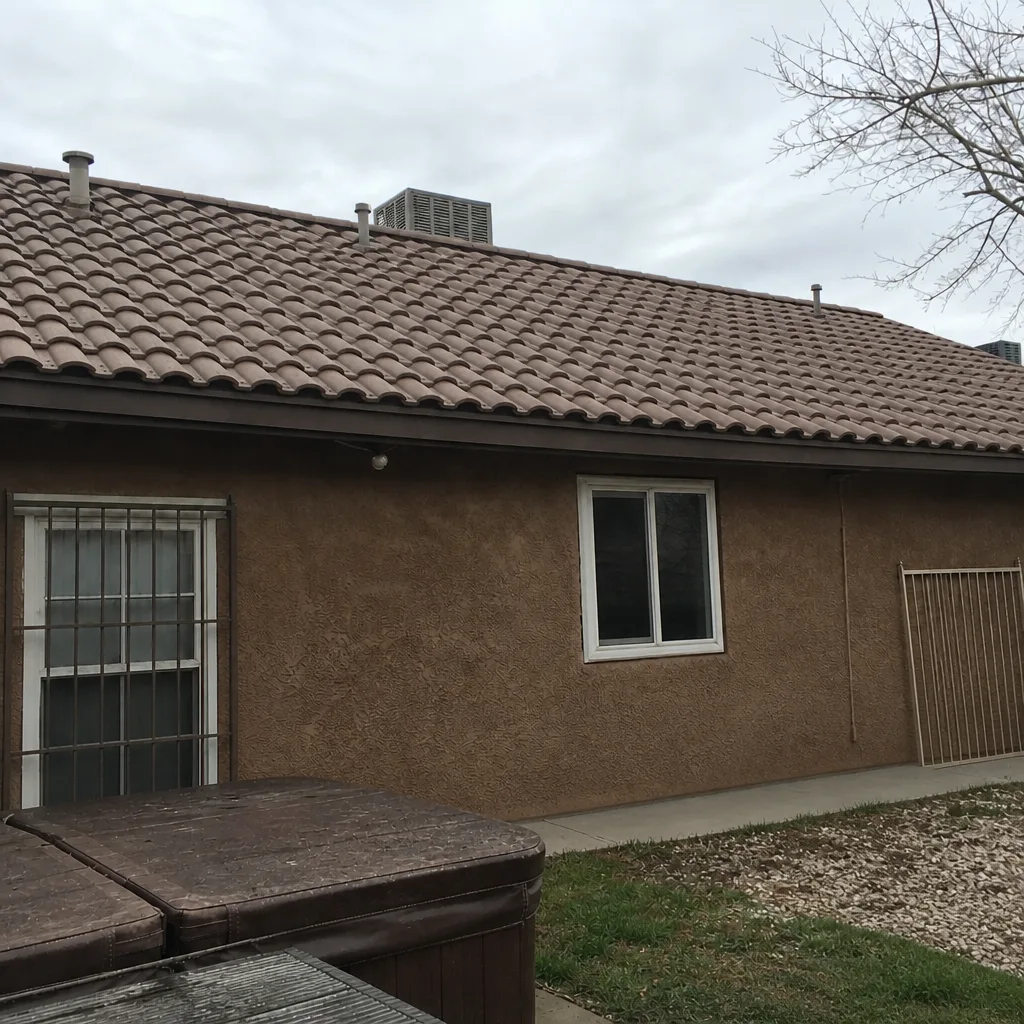
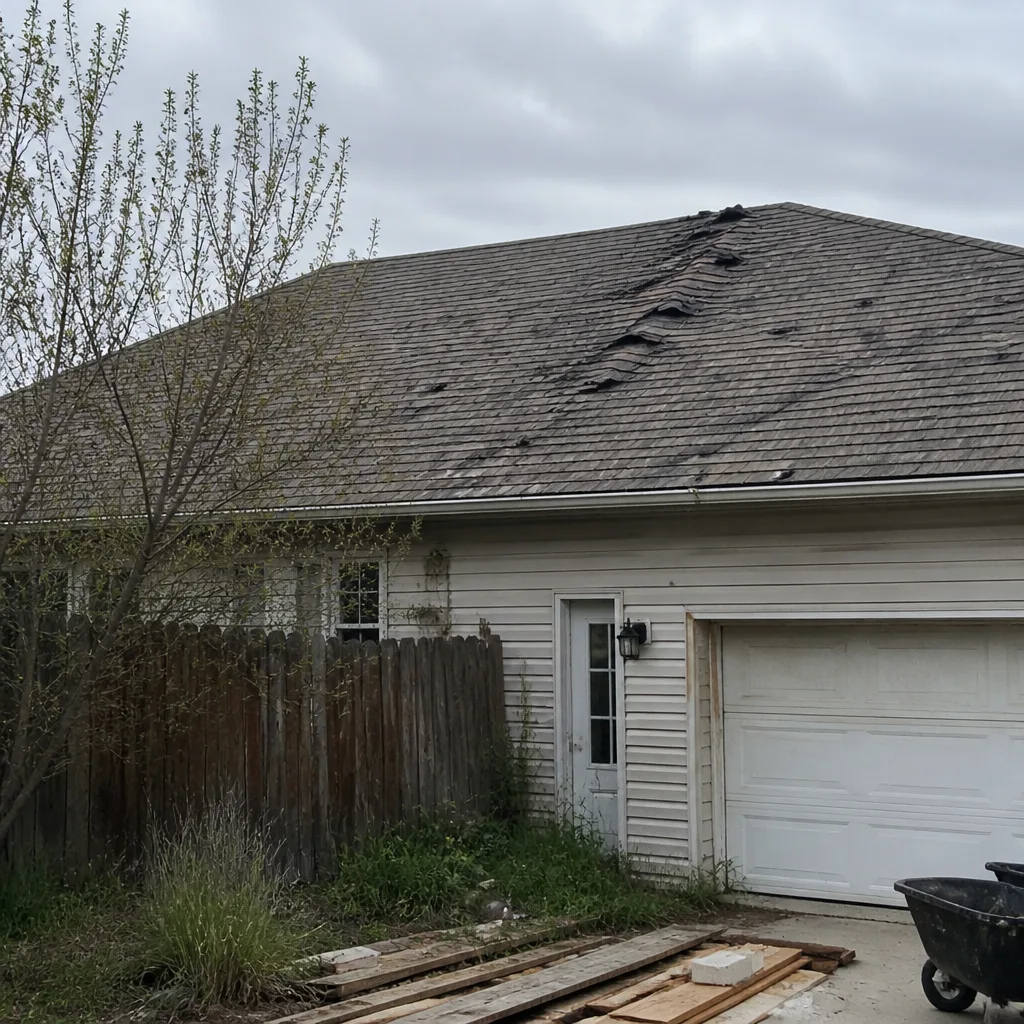
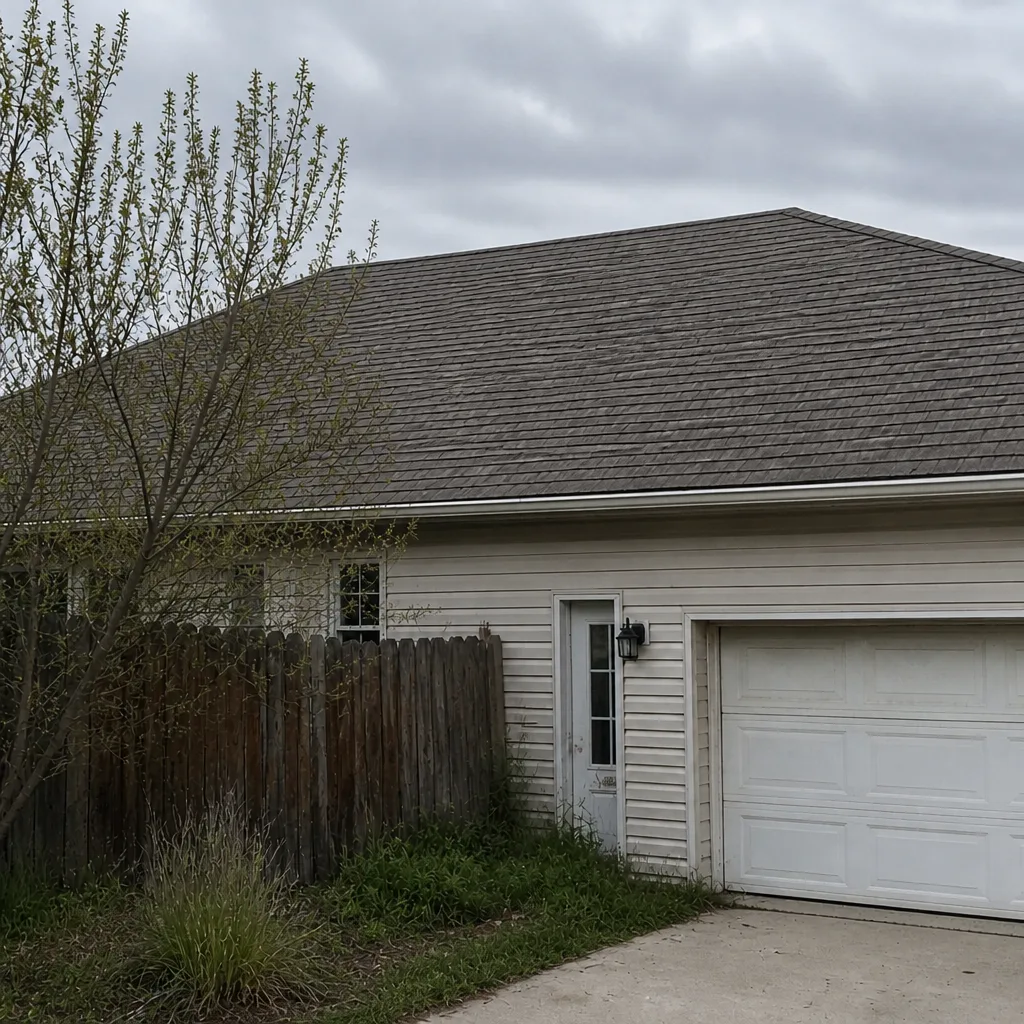
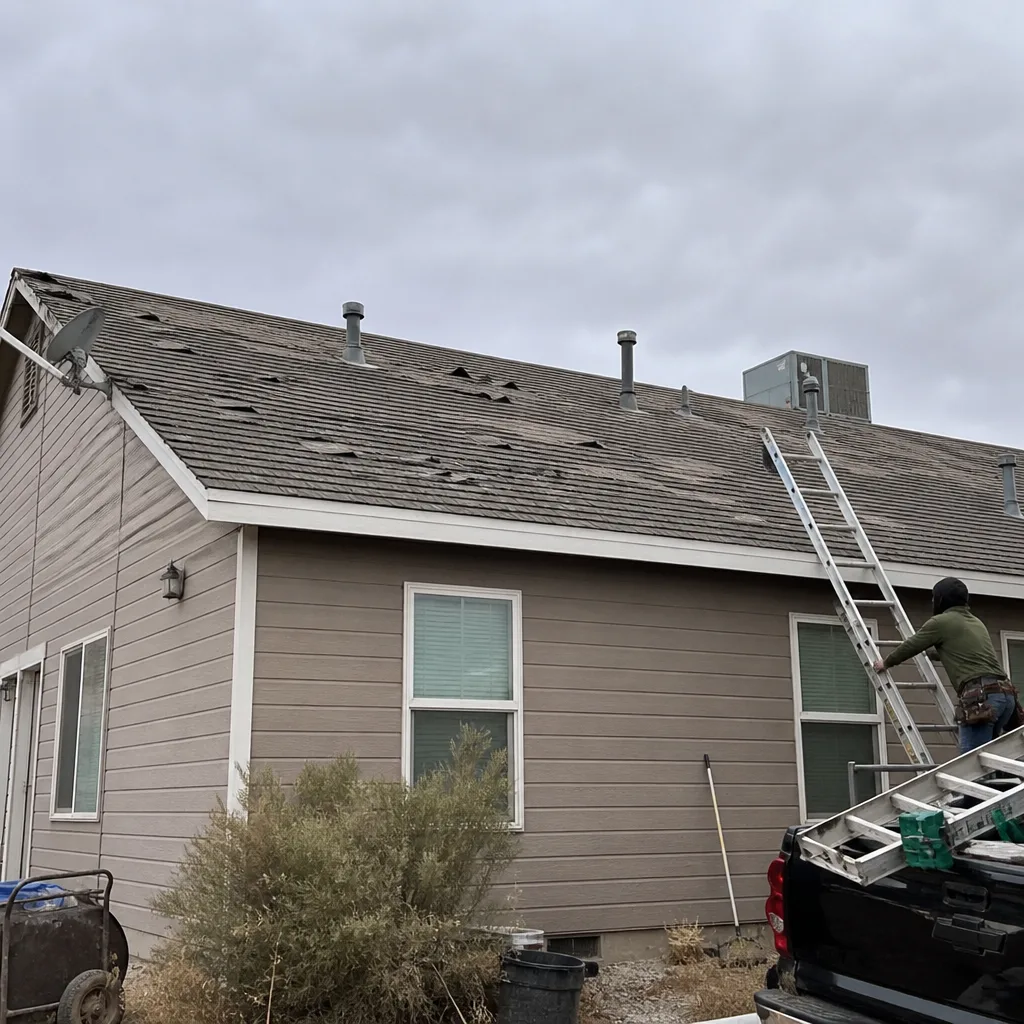
See the difference
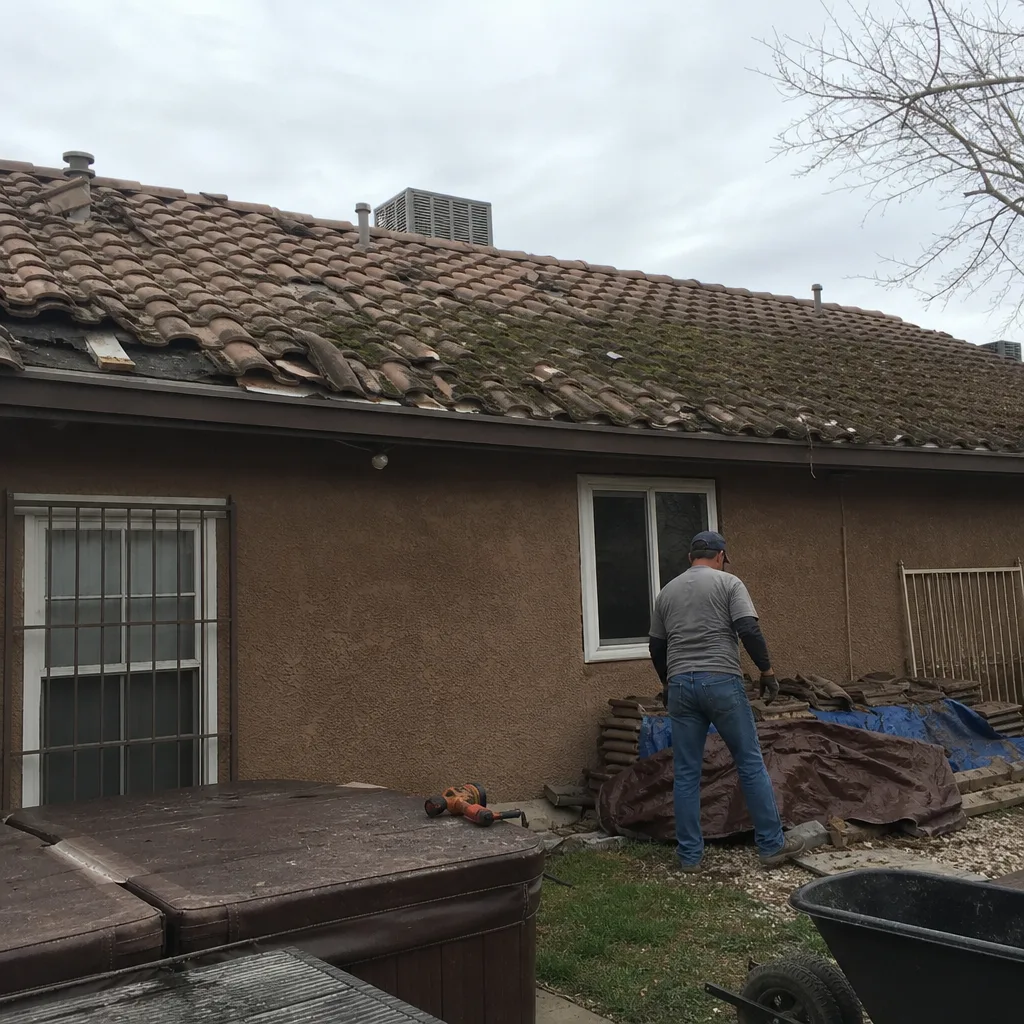 Before
 After
 Before
 After
 Before
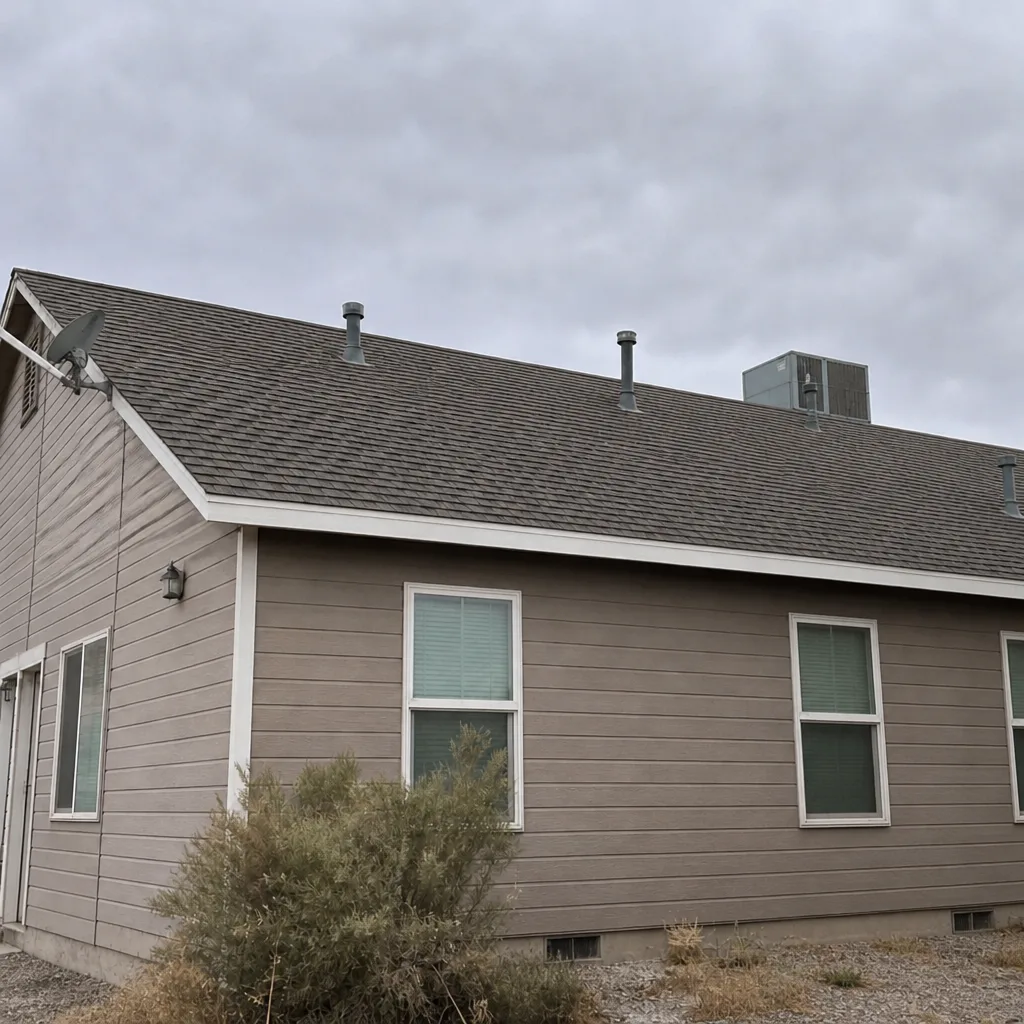 After
Frequently Asked Questions
Most full re-roofs in Enterprise run $9,000 to $18,000, or about $425 to $700 per square installed for asphalt, with flat membrane and tile climbing higher. The spread comes from roof type, pitch, and whether decking replacement is needed. Call (844) 228-4119 for a free estimate and an exact figure for your roof.
They differ because the scopes differ, not because some contractors are cheaper than others. Low bids typically omit decking allowances, drip edge, underlayment, and permit fees, then charge those at premium rates as change orders. A line-item comparison reveals the real gap in minutes.
It shouldn’t if the scope was written honestly. On our jobs, the number on the estimate is the number on the invoice, assuming the inspection found what was there. If a hidden issue turns up after tear-off, we stop and talk to you before doing anything that changes the price.
Yes. Clark County permits are part of a properly done job, and we pull them as part of the work. An unpermitted roof is a problem at resale, and nobody should hand you that without telling you.
Most single-family re-roofs in Enterprise are completed in one to three days, weather permitting. Complex roofs with steep pitch, tile, or multiple flat sections take longer. Our crews work efficiently, and most jobs finish in a single visit from start to final walkthrough.
It’s worth the cost of the repair you’d otherwise pay out of pocket, which on a wind or leak call typically runs $350 to $800. The 90-Day Done Right Promise is written, with no arguing and no paperwork. If it’s not right, we come back and make it right. Call (844) 228-4119 and we’ll show you what it covers.
Whether you’re comparing a stack of quotes or just starting to gather numbers, the Ridgeline Roofing Co. Enterprise home page is a good place to see the full range of what we do. We’re an authorized installer for GAF, CertainTeed, Owens Corning, IKO, Atlas, Tamko, and Boral, and our technicians are background-checked and arrive in uniform. When you’re ready, call and we’ll come out, take photos, and put a written estimate in your hands.
The Bottom Line
Roofing quotes in Enterprise spread by thousands because they’re not quoting the same job. Material costs for asphalt, flat membrane, and tile sit in predictable ranges. Labor is largely fixed and reflects crew experience and insurance. The real swing comes from what a bid does or doesn’t include: decking allowances, drip edge, underlayment, permits, and disposal. Compare quotes line by line, insist on a written scope with a written warranty, and don’t sign until decking and permits are spelled out. If it’s done right, you won’t need to revisit the decision. If not, you will. Call Ridgeline Roofing Co. Enterprise at (844) 228-4119 for a free estimate. A live person answers every call, 24/7, and we’ll be there when we say.
Written by the team at Ridgeline Roofing Co. Enterprise.