
Last updated November 18, 2026
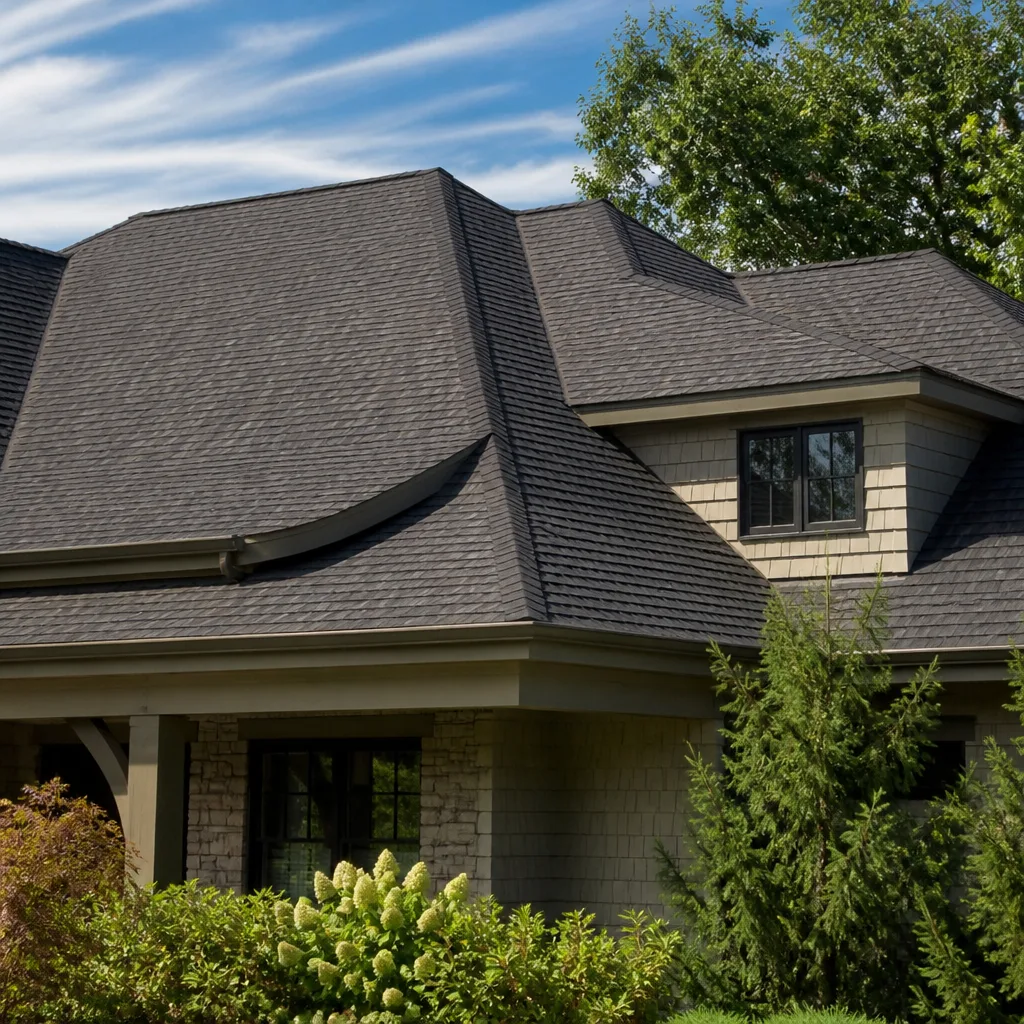 Architectural shingles
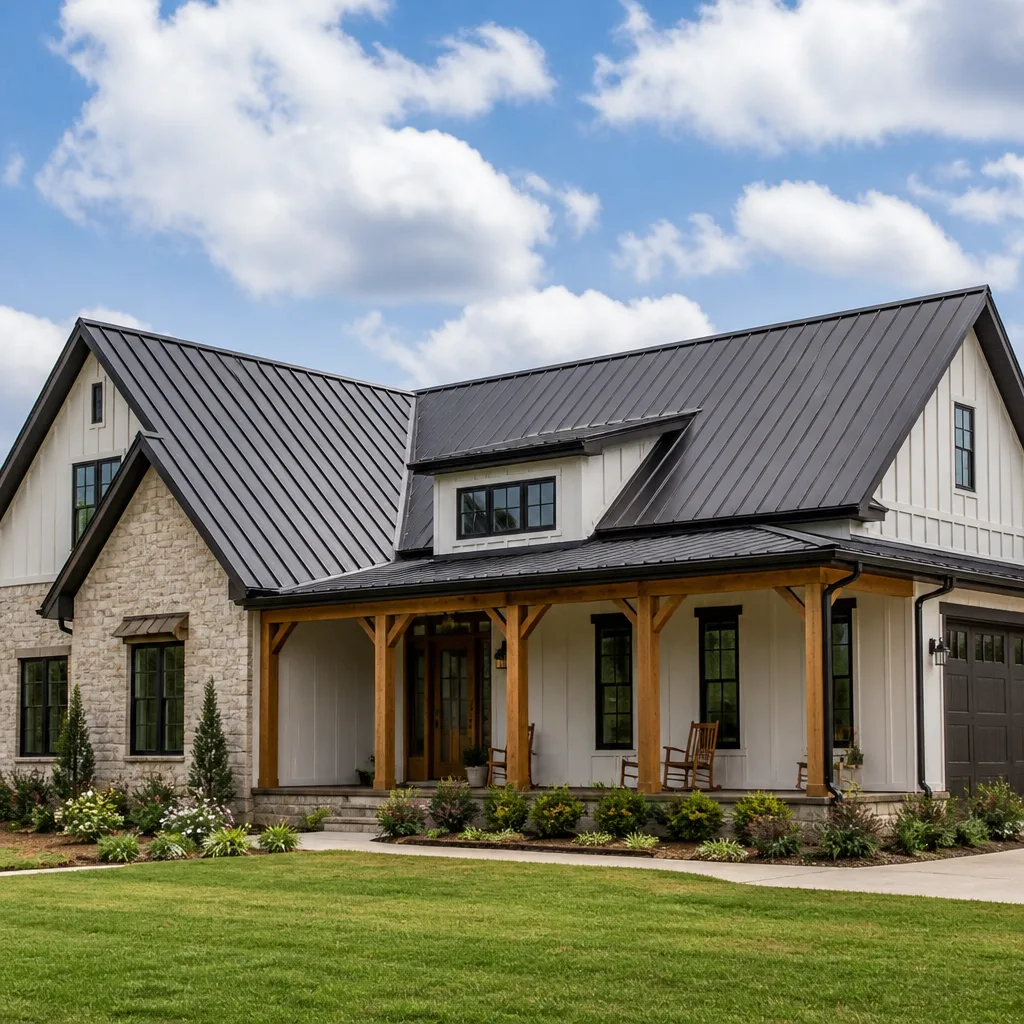 Metal roofing
 Tile roofing
 GAF
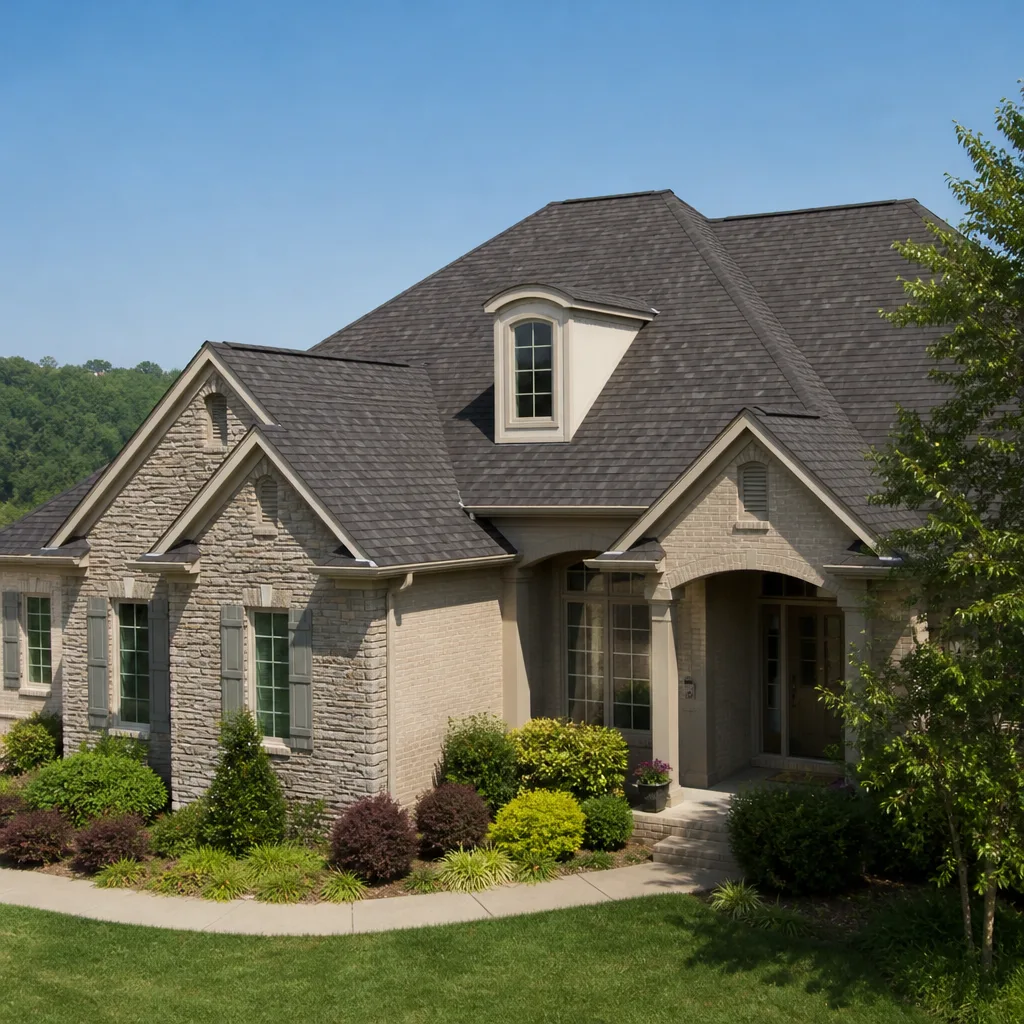 Owens Corning
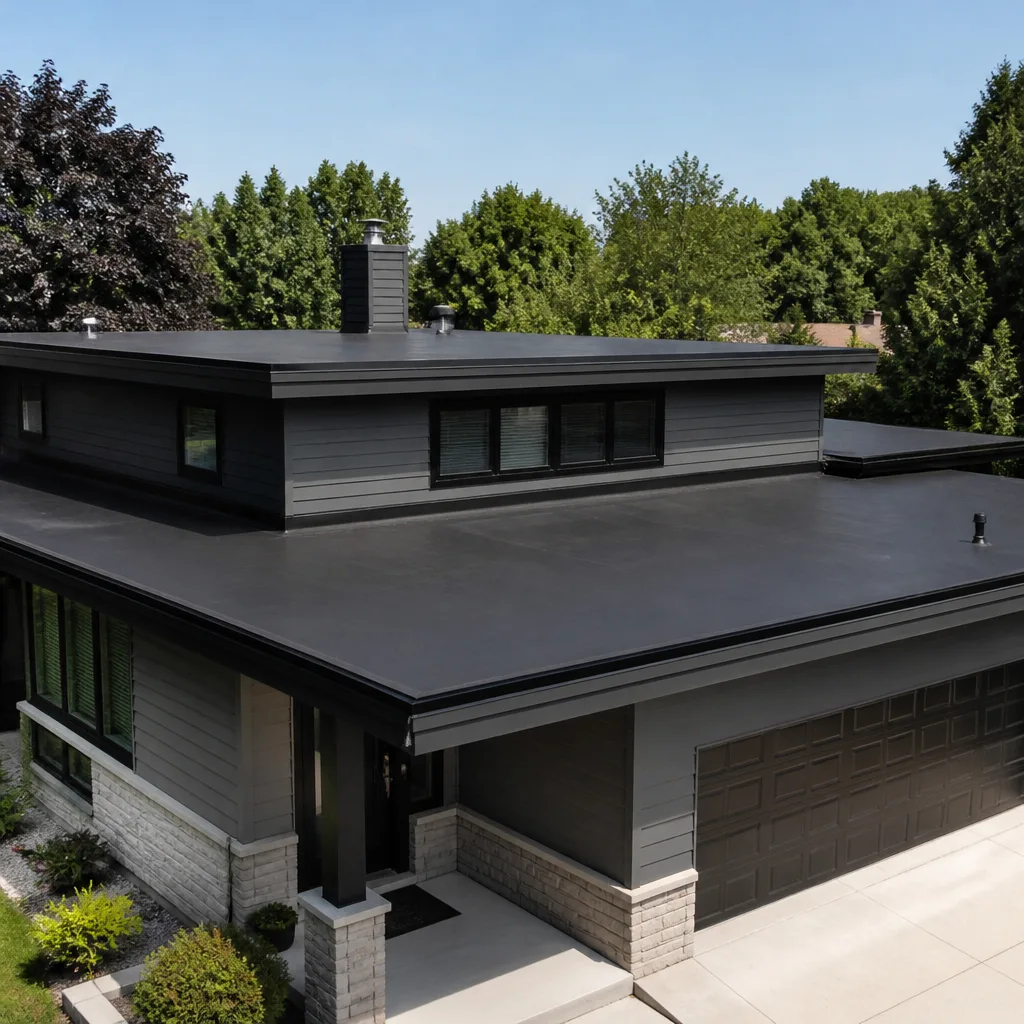 Flat & low-slope
Free roof inspection with deck photos before we talk money - GAF and Owens Corning certified installation
How Long Does Roof Repair Take? Timelines and What to Expect
A repair that takes two hours on the roof can take five to seven days from the first phone call to a finished, documented job. The gap isn’t idle time. It’s the diagnostic work, the material sourcing, the scheduling, and the sequencing that separate a repair you’ll never think about again from a patch you’ll be calling someone else to fix next spring. Most homeowners have never had a contractor explain that gap to them honestly, and that silence is where more relationships break down than any other single issue. This guide walks through the actual phase-by-phase timeline for roof repair, why complexity moves the needle, and what a fair schedule looks like in Enterprise where summer heat reshapes the calendar.
Quick Answer
Most straightforward roof repairs in Enterprise take one to three days of active work on the roof, but the full calendar timeline from first call to final documentation typically runs five to ten days. Complex repairs involving decking, valleys, or partial re-decking can stretch to two or three weeks once material sourcing and weather holds are factored in. The repair itself is usually fast; the work around it is where the time lives.
Styles & brands we work with
- Architectural shingles
- Metal roofing
- Tile roofing
- GAF
- Owens Corning
- Flat & low-slope
Table of Contents
- The Real Timeline, Phase by Phase
- How Repair Complexity Changes the Calendar
- Why Emergency Tarping Is Not the Repair
- Enterprise Summer Heat and Scheduling Constraints
- Red Flags That a Contractor Is Cutting Corners
- Documentation: The Last Step Nobody Talks About
- Common Mistakes to Avoid
- When to Call a Professional
The Real Timeline, Phase by Phase
Every honest roof repair follows the same sequence, whether it’s a single cracked shingle or a valley reflash that turns out to involve rotted sheathing. Here’s what each phase actually takes and what you should expect at each step.
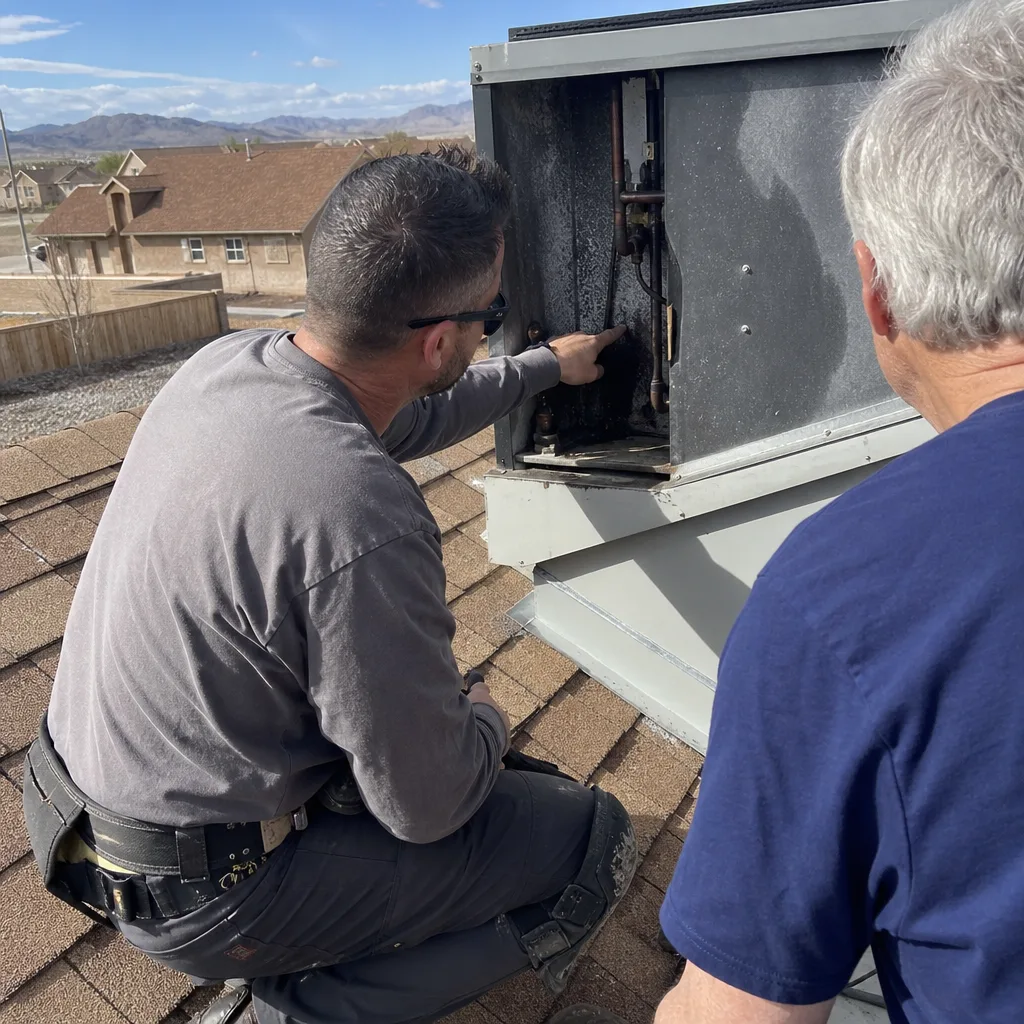
- Initial inspection (1-3 days from first call). A proper inspection means someone gets on your roof, walks it, and photographs what’s actually there. Schedule holds, weather dictates, and if a homeowner calls on a Tuesday afternoon in July, a realistic first inspection is often Wednesday or Thursday morning. Ridgeline sends background-checked, uniformed technicians who document every inspection with photos taken from your actual roof – not a scary speech in the driveway.
- Diagnosis and written scope (same day as inspection, sometimes 1 day later). A written scope itemizes what’s damaged, what’s being repaired, and what materials will be used. If a contractor can’t put that in writing the same day, ask why. A diagnosis without a written scope is not a diagnosis, it’s a sales pitch.
- Material sourcing (1-5 business days). Standard architectural shingles from GAF or CertainTeed are usually stocked locally and can be pulled the next morning. A specific color match to a twenty-year-old shingle might take longer. Specialty flashing, custom valley metal, or matching a discontinued line – this is where a day stretch becomes a week.
- Scheduling (1-7 days, weather dependent). Roofers in Enterprise watch the forecast closely. Nobody credible will tear into a roof two hours before a monsoon cell moves in.
- Execution (1-3 days for most repairs). The work itself is usually the shortest phase.
- Documentation and closeout (same day to 1 day after). Photos of the finished repair, a written workmanship guarantee, and a walkthrough with the homeowner.
Every phase has slack built in for a reason. When a contractor quotes you two days from call to finish for anything beyond a trivial patch, either they skipped a phase or they’re planning to cut one.
How Repair Complexity Changes the Calendar
The word “roof repair” covers everything from a wind-torn ridge cap to a partial re-deck of a 500-square-foot section. The timeline difference isn’t linear; it’s closer to exponential. Here’s a rough breakdown of what different repair types actually involve in terms of calendar days.
- Single shingle replacement: 1-2 days total. Scheduled fast, executed in under two hours. Most homeowners spend more time on the phone than the crew spends on the roof.
- Flashing repair at a chimney or vent stack: 2-4 days. The repair itself is a half-day job, but proper flashing usually means pulling back shingles, replacing the metal, and re-sealing the edge courses – and those materials are worth sourcing correctly.
- Valley reflash: 4-8 days. A valley is the most active water channel on your roof. What looks like a small leak from the ground is often a 10-to-15-foot section of woven valley or metal valley that needs to come out and go back in. Decking underneath is often wet, which means a partial re-deck.
- Partial re-deck: 7-14 days. Once plywood or OSB decking is compromised, the repair scope grows. The damaged sheathing has to be cut out, new decking installed over the rafters, and the shingle courses rebuilt up to the ridge. Sourcing the matching decking thickness and shingle color drives most of the scheduling time.
- Multiple simultaneous failures (post-storm repairs): 10-21 days. We’ve seen homes in Enterprise where a single monsoon cell did damage across three different roof planes. These aren’t single-day jobs and shouldn’t be scheduled as such. When you need roof repair in Enterprise, the scope should match the actual damage, not the hurry the homeowner is in.
Roofs don’t all fail the same way. The older neighborhoods on the east side of Enterprise see different failure patterns than newer construction on the south side, and the repair timeline follows the failure pattern. Pictures from your actual roof – not generic images – are how a good contractor explains which bucket your repair falls into.
Why Emergency Tarping Is Not the Repair
When water is coming into the house, a tarp goes on the roof. That’s the only reasonable first move. But it’s important to understand clearly what a tarp does and doesn’t do.
A tarp stabilizes the situation. It redirects water away from the active leak, protects the decking from further saturation, and buys time to schedule a proper repair. It does not fix the underlying damage, it does not restore the shingle field, and it should not be billed as a completed repair.
- Stabilize: Tarp on, water diverted, interior ceiling protected. Usually same day when weather allows safe roof access.
- Wait for conditions: The roof has to be dry enough to work on safely. A monsoon-soaked roof deck is a slip hazard and a material adhesion problem, so a mature crew doesn’t rush back up.
- Inspect dry: Once conditions settle, the technician walks the roof with moisture readings, photographs the damage, and writes a proper scope. This is the step that produces the actual repair quote.
- Schedule and execute the real repair: Material sourcing, workmanship, and finished photos.
The gap between tarp and repair is normally three to seven days in Enterprise during storm season. That gap is not the contractor being slow. It’s the discipline that prevents a temporary patch from being mistaken for a permanent fix. If a contractor goes from tarp directly to “we’re done here, that’s $2,400” without a written scope in between, ask them to slow down. A roof replacement and installation may eventually be the right call after a major loss, but that decision should be made on documentation, not on pressure.
Enterprise Summer Heat and Scheduling Constraints
Enterprise in July isn’t the same job site as Enterprise in February. Roof surface temperatures routinely pass 150°F by mid-morning in the peak summer months, and that heat imposes real scheduling discipline on any crew that takes safety and material performance seriously.
What that means for your timeline:
- Early-morning starts are the standard. Most honest crews will be on the roof by 6 a.m. and off by noon or one. That’s not hurry; it’s the safe window for shingle work and worker safety. A crew that starts at 11 a.m. in August is either inexperienced or planning to cut a corner.
- Afternoon work windows are rare in summer. Asphalt shingles get soft and tricky to set properly in extreme heat. If your repair is scheduled as an afternoon slot in July or August, ask for a morning instead.
- Monsoon season (roughly July through September) reshuffles every schedule. Afternoon thunderstorms are the norm, which means most crews plan morning work and hold the afternoon. Fifty percent of summer repairs get bumped by at least a day because of weather. That’s normal, and it’s a red flag if a contractor promises a fixed date without acknowledging weather holds.
- Spring and fall are the efficient windows. If your repair is non-emergency, April-May and October-November scheduling is often wider, faster, and cheaper on labor availability.
We’ve worked this climate long enough to know that a July “next-day” repair quote is one of two things: a crew that doesn’t know the area, or a crew that’s going to hand off the work to whoever’s available when the heat says otherwise. The Ridgeline Roofing Co. Enterprise home page lays out how we handle scheduling – with a live person answering the phone 24/7, including during a storm, so you’re not left calling around.
Red Flags That a Contractor Is Cutting Corners
Most of the timeline problems homeowners experience were visible in the first conversation. These are the signals that a quoted schedule is too fast to be honest.
- Same-day diagnosis-to-repair with no written scope. If a contractor arrives, looks at the roof from the ground, tells you what’s wrong, and offers to fix it today before any documentation exists, the schedule isn’t the only thing being cut. Written scope precedes work; always.
- “We have the material on the truck” for anything beyond basic shingles. Matching an existing shingle line takes sourcing. Unless you’re told the exact product and match, “we’ve got it” means “we’ll find something.”
- No mention of decking or flashing in the initial quote. A quote that covers “replacing shingles” without ever mentioning what’s underneath is either incomplete or intentionally vague. The quote that later grows by 40% during execution started here.
- Immediate promises with no weather flex. Any roofer in Enterprise who doesn’t acknowledge that weather will affect the schedule isn’t being straight about risk.
- No finish photographs and no written workmanship guarantee. The repair isn’t done until the contractor can show you what the finished work looks like and put a guarantee in writing. Ridgeline’s 90-Day Done Right Promise exists because we’ve seen what happens when a contractor never plans to be in town for that follow-up call.
- A “repair” quoted at a price close to a replacement. Sometimes the honest answer is replacement, not repair. But the recommendation should follow the documentation, not the price tier.
- Pressure to skip a second opinion. A square deal survives a second look. We offer a free second opinion on any written estimate precisely because good work doesn’t fear review.
Documentation: The Last Step Nobody Talks About
Most timeline guides stop at “job finished.” The jobs we’re proudest of have one more phase: documentation and closeout. It’s a fifteen-minute step on the calendar and the one that determines whether the repair holds up two winters from now.
A complete closeout includes photographs of the finished work taken from the same vantage points as the inspection photos, a written summary of what was done and what materials were used (brand and product line), a written workmanship guarantee, and any warranty documentation for manufacturer materials. Ridgeline installs products from GAF, CertainTeed, Owens Corning, IKO, and three other leading lines, and each carries its own manufacturer warranty terms that should be handed to the homeowner.
Why does the closeout matter to the timeline? Because a contractor who skips it has no way to be held to the work. And a contractor willing to skip that step will skip others when you’re not looking. Documentation is the last honest phase, and it’s the test of whether the rest was done right.
If your repair is on the specialty side – tile, metal, or a low-slope section that needs a different membrane system – the documentation step matters even more because those systems are less forgiving. That’s the territory of specialty roofing in Enterprise, and it deserves its own closer look before the work begins.
Common Mistakes to Avoid
- Confusing the tarp date with the repair date. The tarp is the stabilization, not the finish. Homeowners who treat the tarp as the completion date end up with an incomplete repair and a second bill. Confirm the written scope before considering the job done.
- Accepting a verbal quote with a verbal timeline. In a town with a real monsoon season, a verbal “we’ll be out Thursday” is not a schedule. Get the date and the scope in writing.
- Scheduling summer repairs for afternoon slots. In an Enterprise July, an afternoon roof repair quote is a sign the contractor doesn’t know the local conditions or the crew morale on the roof at 2 p.m.
- Choosing materials to shave a day off the sourcing timeline. Saving forty-eight hours by using an unmatched shingle line costs you the visual continuity of your roof for the next fifteen years. The two extra days are worth it.
- Skipping the second opinion because you’re in a hurry. A repair you understand fully is faster to schedule and easier to trust. Free second opinions on written estimates exist for exactly this reason.
- Forgetting to ask for the manufacturer warranty paperwork. Material failure warranties from GAF or Owens Corning are real and worth keeping. If the contractor doesn’t hand them over at closeout, you’ll never be able to use them.
- Treating a “next-day” quote as a competitive advantage. It usually signals a contractor planning to cut a corner, not a contractor doing better work.
When to Call a Professional
Call a professional the moment you see water staining on a ceiling or attic sheathing, missing or lifted shingles after a wind event, granule loss collecting in the gutters at an accelerating pace, or daylight visible through decking from inside the attic. Call when a chimney, skylight, or vent flashing shows separation from the roof surface. Call after any hail event that leaves visible dents in softer roof materials. And call when you’re not sure whether something is minor or serious – a photo-documented inspection is the cheapest way to know.
Ridgeline Roofing Co. Enterprise offers free estimates in Enterprise, and a live person answers every call, 24/7, including nights, weekends, and the middle of a storm. The number on the estimate is the number on the invoice – no surprises. If you need a second opinion on another contractor’s written scope, that’s free too. Call (844) 228-4119 to schedule your free estimate.
See the difference
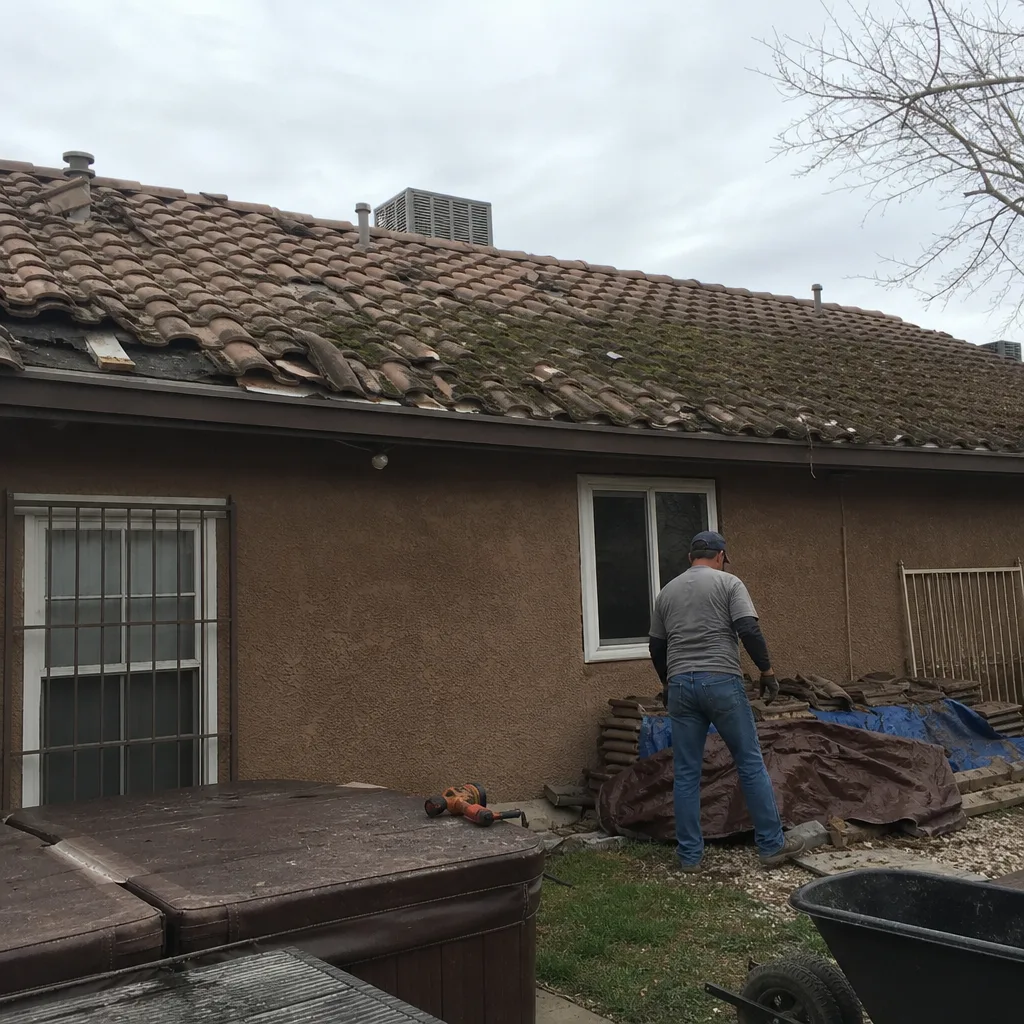 Before
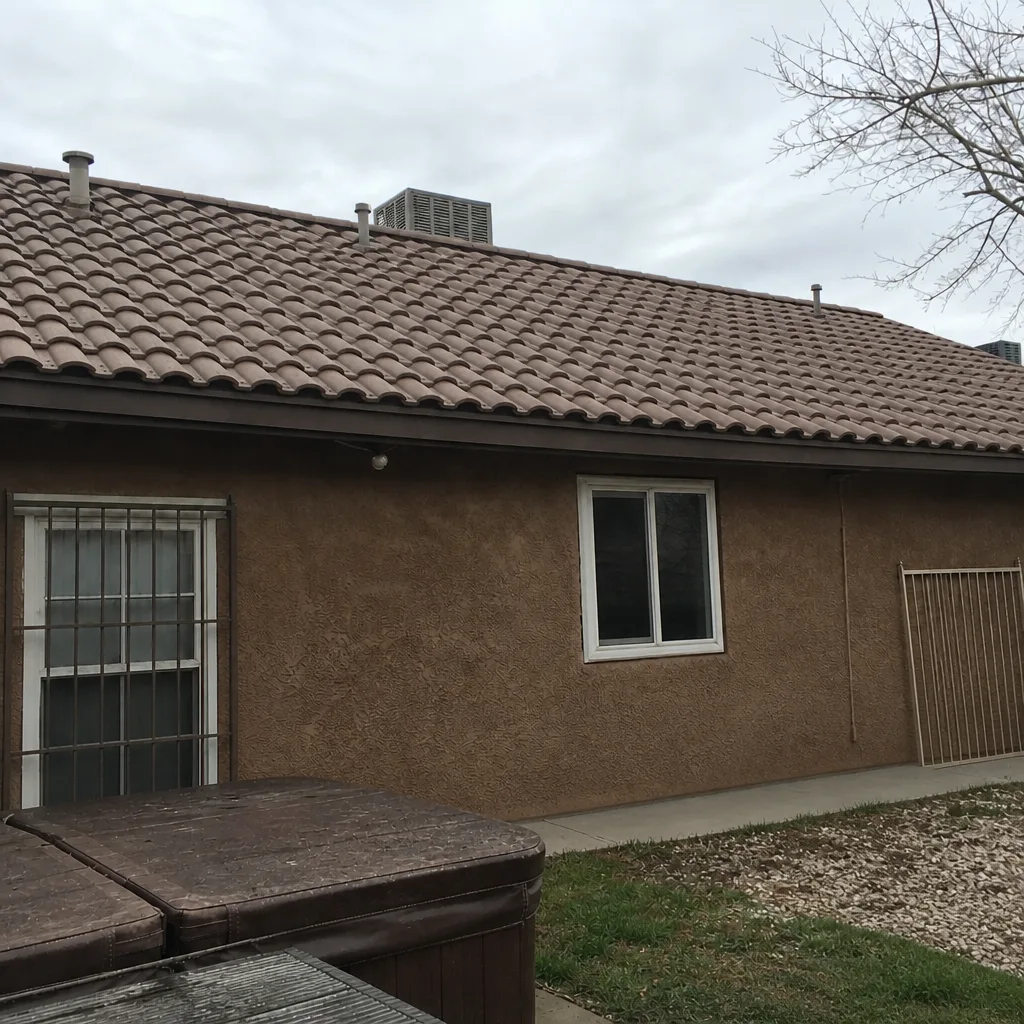 After
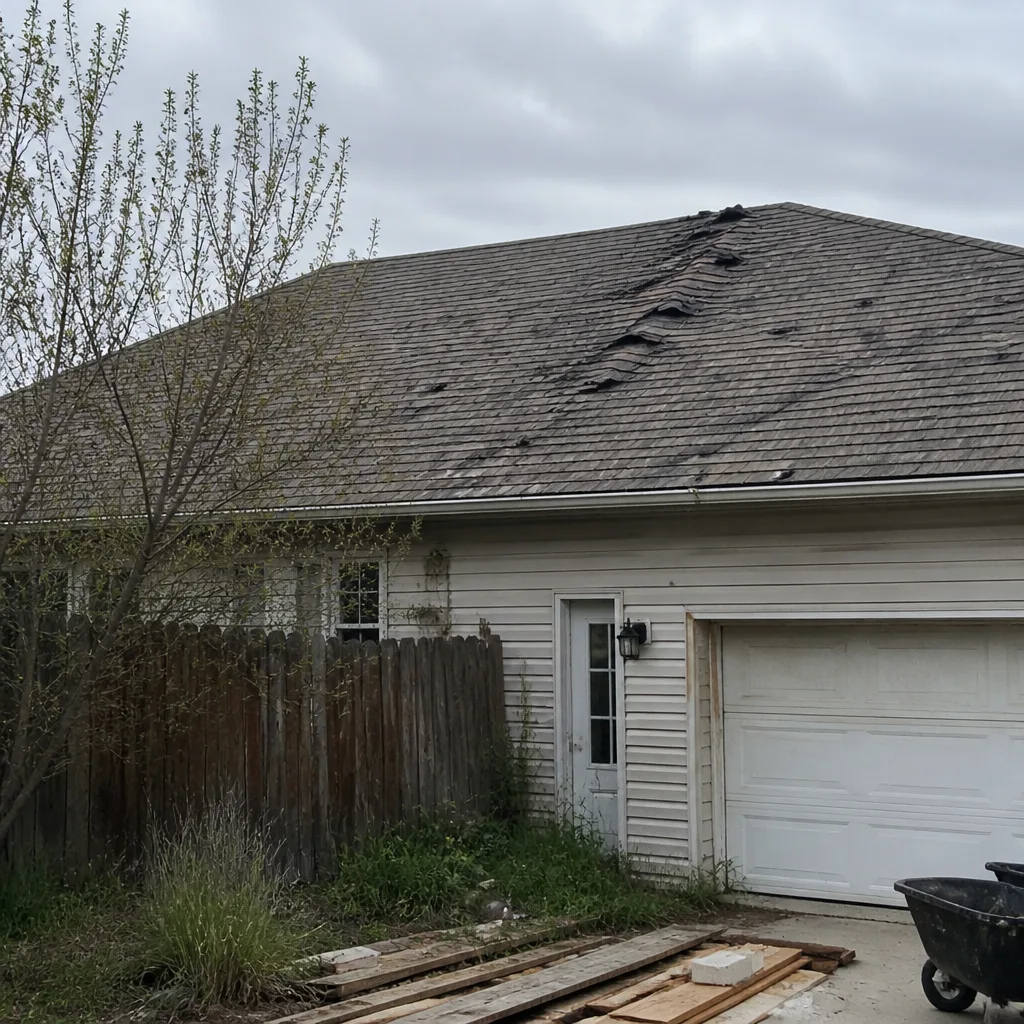 Before
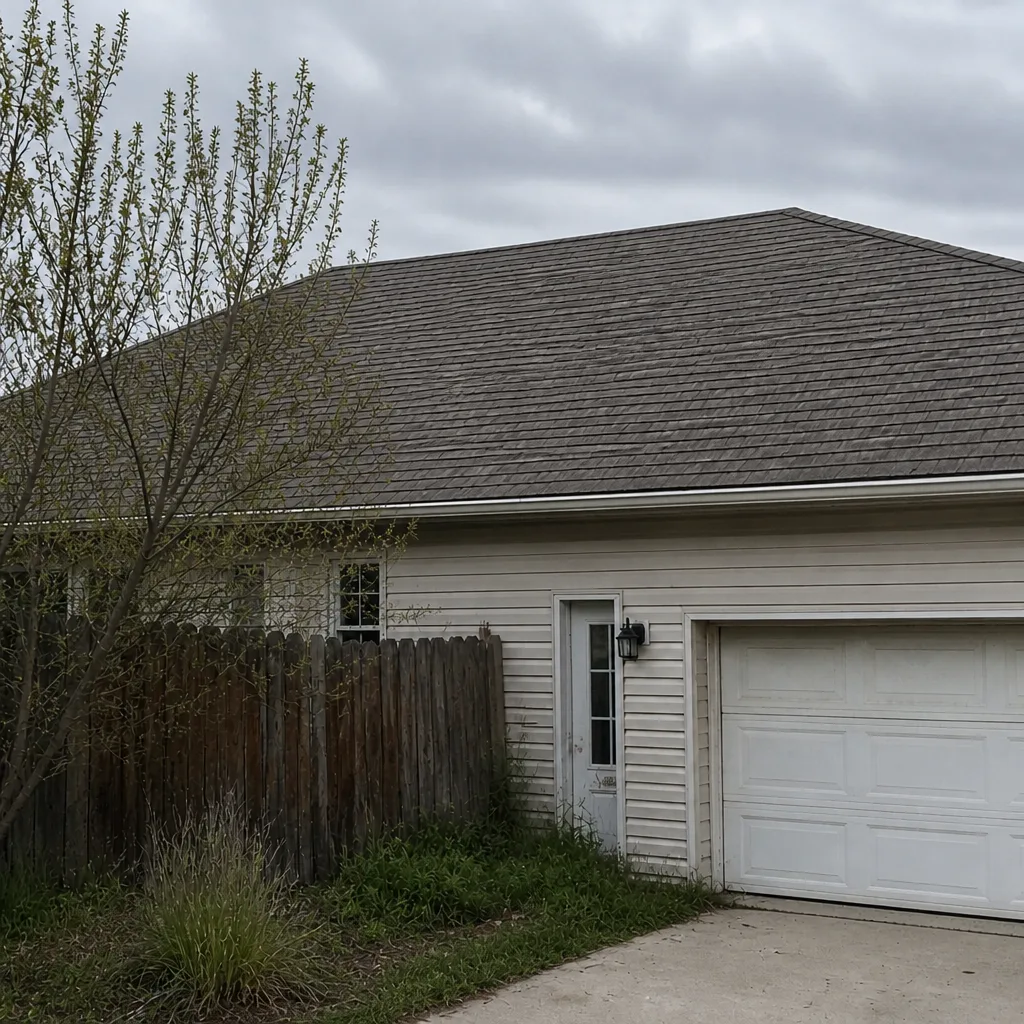 After
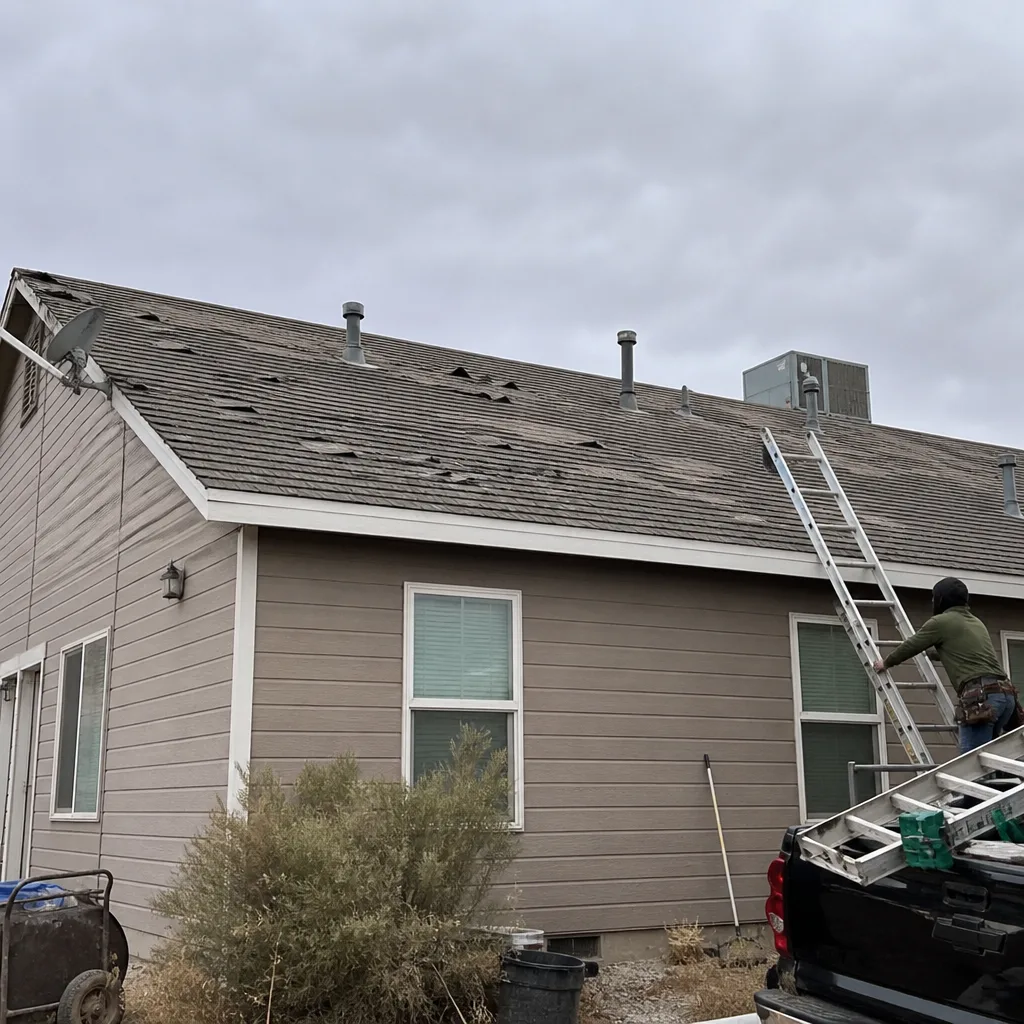 Before
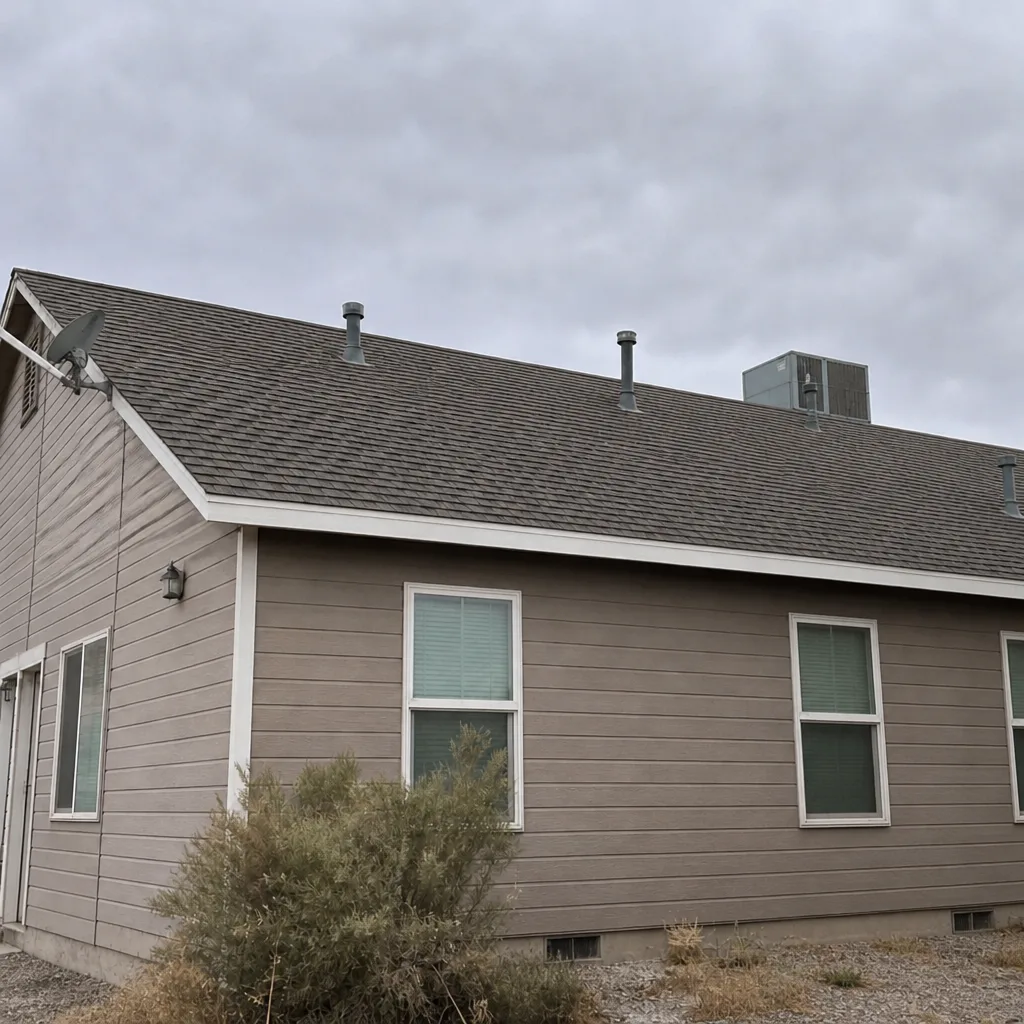 After
Frequently Asked Questions
Most roof repairs in Enterprise take one to three days of active work, with a full calendar timeline of five to ten days from first call to closeout once inspection, material sourcing, scheduling, and documentation are counted. Complex repairs involving decking, valleys, or partial re-decking run two to three weeks. Call (844) 228-4119 for an exact quote tailored to your roof – estimates are free.
Simple repairs can be completed in a single visit if inspection, diagnosis, and material sourcing have already happened. Most jobs need at least one earlier visit for inspection and a written scope, then a return visit for the actual work. Ridgeline completes most repairs in a single workday once the materials are staged and the scope is agreed.
From roughly July through September, afternoon thunderstorms in Enterprise change the daily schedule. Crews work morning windows to avoid both the lightning risk and the afternoon heat, and a high percentage of scheduled repairs get bumped by a day or more when a storm rolls through. The schedule is honest; the weather is variable. Call (844) 228-4119 to talk through timing before you plan around a date.
No. A tarp stabilizes an active leak and protects the decking from further water damage, but it is not a repair. The proper repair happens after the roof is dry enough to work on and after a written scope is produced from a full inspection. Anyone billing a tarp as the finished repair is either misinformed or cutting structural steps.
Not if the scope was written properly. A written line-item scope should anticipate what’s actually there after inspection, and a fair contractor holds the quoted price when the underlying conditions match the scope. If hidden damage is discovered – rotted sheathing under shingles, for example – that should be documented with photographs and added only with your written approval before the work continues. Call (844) 228-4119 for a free second opinion on any written estimate you’re holding.
Where permit requirements apply, yes. Most small repairs don’t require permits in the Enterprise area, but larger structural repairs, partial re-decking, and roof replacement do. Ask the question directly before the work starts; a contractor who says “we don’t bother with permits” for a job that needs one is telling you how they’ll handle the next decision too. Call (844) 228-4119 and we’ll walk you through what your repair will and won’t need.
The Bottom Line
Roof repair timelines aren’t arbitrary. They’re an honest accounting of diagnostic work, material sourcing, weather holds, and closeout that separate a durable repair from a temporary patch. Most repairs take one to three days on the roof, but the calendar runs five to ten days from first call to documented finish. Complexity moves the needle fast: single shingles stay quick, valleys and partial re-decks stretch out. Enterprise heat and monsoon season will always influence the schedule, and a contractor who acknowledges that is more trustworthy, not less. If a quote promises same-day diagnosis-to-repair with no written scope, that schedule is a red flag, not a courtesy. Done right – and if it’s not, we make it right.
Call (844) 228-4119 to schedule your free estimate with Ridgeline Roofing Co. Enterprise. Live person on the line, 24/7 – no voicemail trees, no callback windows.
Written by the team at Ridgeline Roofing Co. Enterprise.