
Last updated November 18, 2026
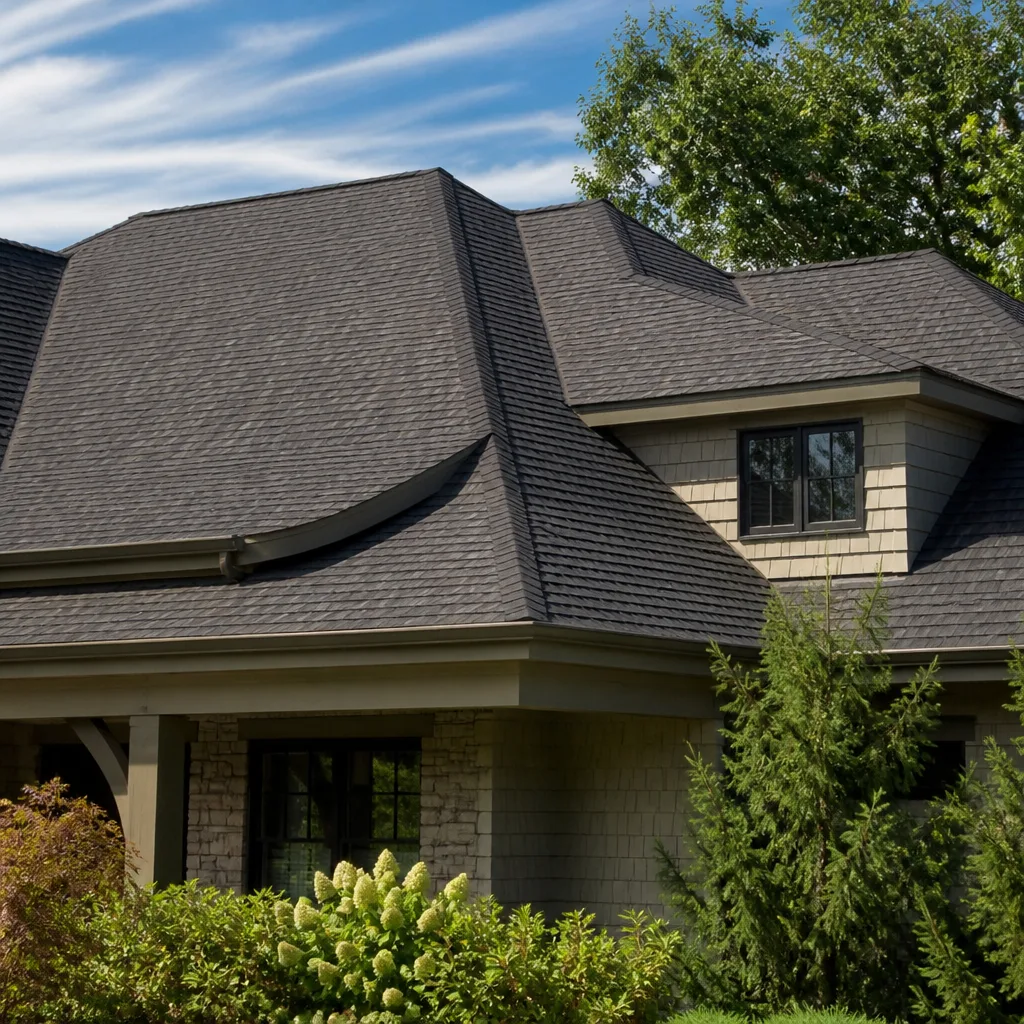 Architectural shingles
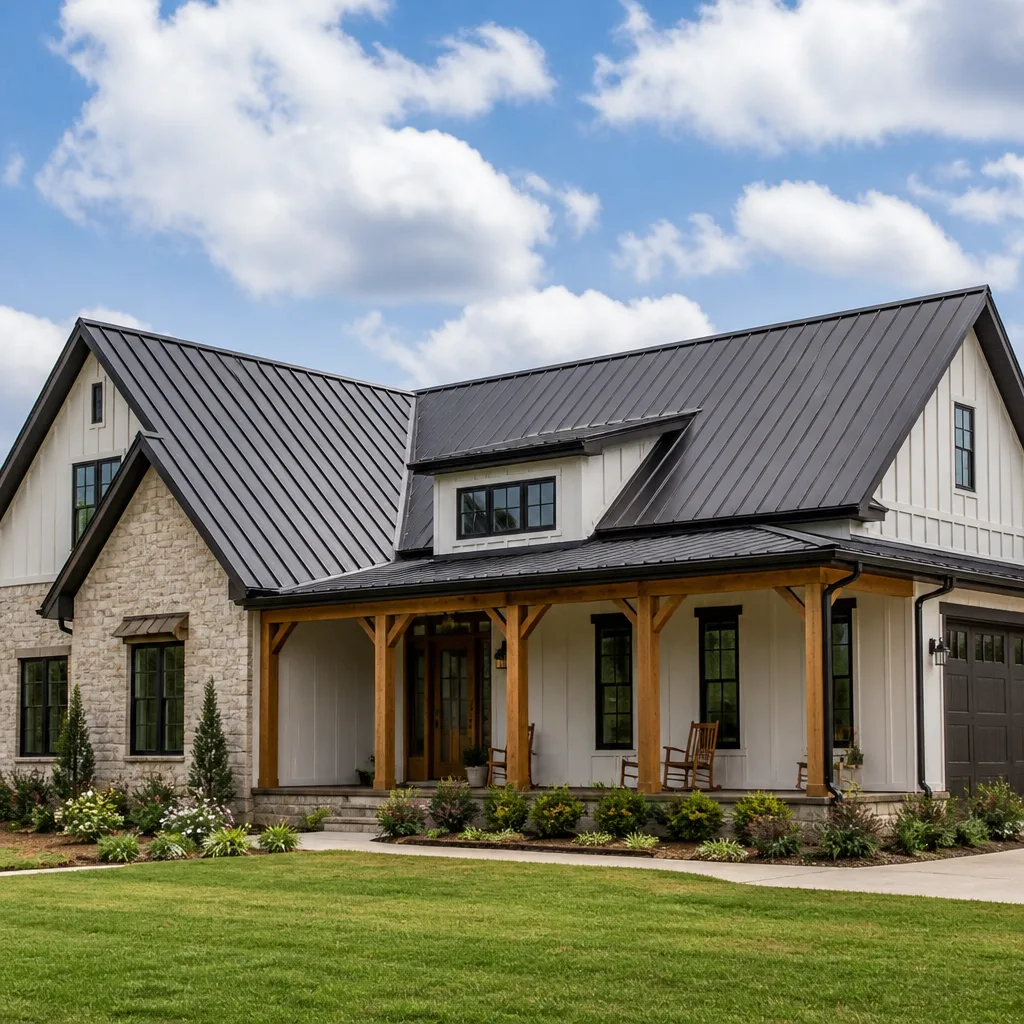 Metal roofing
 Tile roofing
 GAF
 Owens Corning
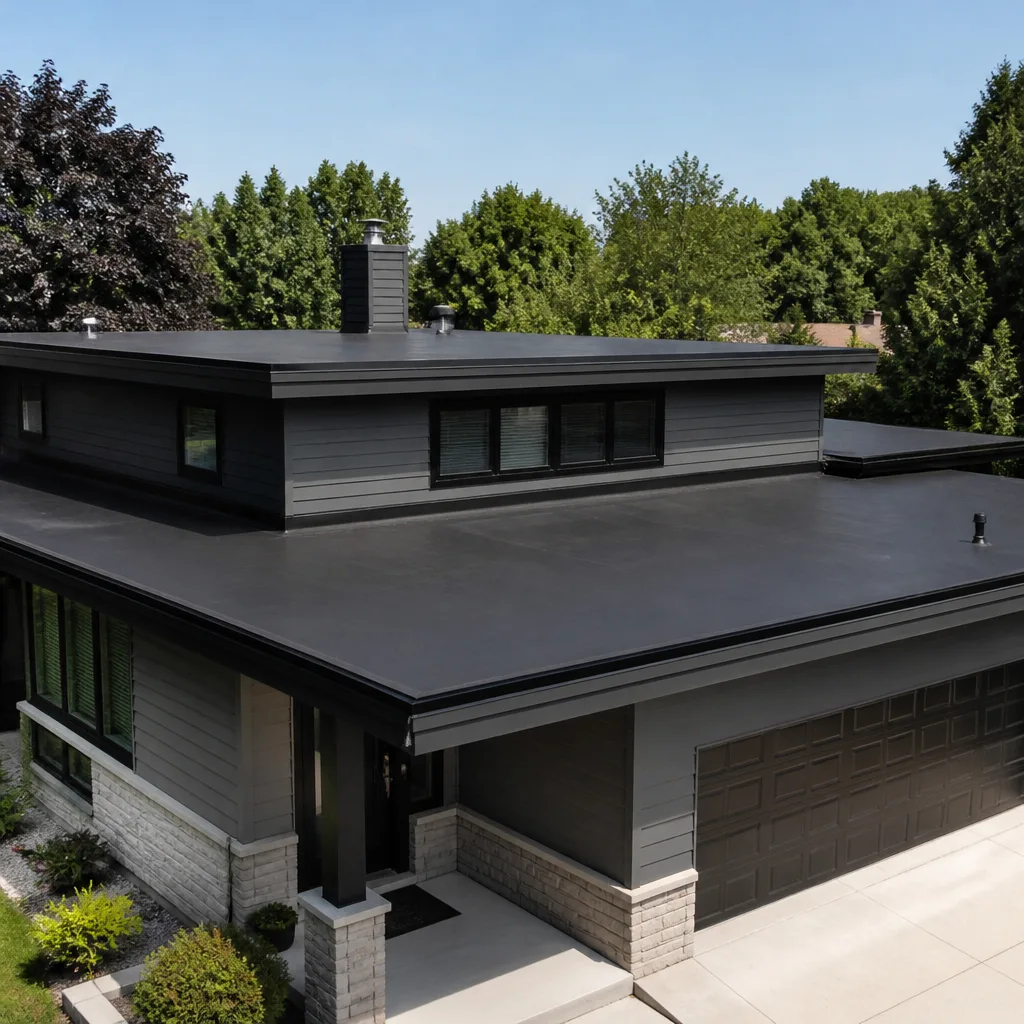 Flat & low-slope
Free roof inspection with deck photos before we talk money - GAF and Owens Corning certified installation
How Long Does Roof Replacement & Installation Take? Timelines and What to Expect
A crew can nail down a new roof in a single afternoon. That speed is often the first warning sign, not a selling point. In our experience across Enterprise, the shingles are the shortest chapter of the story. The days that actually decide whether a roof holds for 25 years are the inspection, the tear-off, the deck repairs, the cure time under a desert sun, and the walkthrough. Homeowners who plan around five phases instead of one install day get a square deal. Homeowners who shop on “done by Friday” get surprises. This guide walks through all five phases, honest day counts, and how to tell a necessary delay from an excuse.
Quick Answer
A typical roof replacement in Enterprise takes three to five days from tear-off to final walkthrough, with most jobs landing at four. Add a week of wait time for inspection, permits, and material delivery before the crew arrives. Complex roofs with multiple pitches, mid-job deck repairs, or specialty materials can run seven to ten days. If someone promises your whole roof in one day, ask what they are skipping.
Styles & brands we work with
- Architectural shingles
- Metal roofing
- Tile roofing
- GAF
- Owens Corning
- Flat & low-slope
Table of Contents
- The Five Phases of a Roof Replacement
- Honest Day Counts for Each Phase
- Why Enterprise’s High-UV Desert Climate Changes Your Timeline
- When Deck Damage Extends the Job (And How to Tell It’s Real)
- What Good Photo Documentation Looks Like at Every Phase
- The 90-Day Window: What to Watch For After Installation
- Common Mistakes to Avoid
- When to Call a Professional
- Frequently Asked Questions
The Five Phases of a Roof Replacement
Every roof replacement we perform in Enterprise runs through the same five phases. Skipping or compressing any one of them is where jobs fail years later. Here is the frame, in order:
- Inspection. A full assessment of the roof deck, flashing, vents, and underlayment condition. A photo-documented inspection protects both you and the crew.
- Materials delivery. Shingles, underlayment, and accessories arrive on site, staged for the tear-off.
- Tear-off. Removal of old shingles, nails, and damaged decking. This is where hidden problems surface.
- Installation. Deck repairs, underlayment, flashing, and shingles laid course by course.
- Final walkthrough. Clean-up, a full visual audit, and a written summary of what was done and what to expect.
If you have a roofing repair need that does not warrant a full replacement, our team handles Roof Repair in Enterprise separately. A good roofer will tell you which category you fall into before any contract is signed.
Honest Day Counts for Each Phase
Here is how the timeline usually breaks down for a standard asphalt shingle roof on a typical Enterprise home. These are ranges because no two roofs are identical.
- Inspection: 1 to 2 hours on-site, scheduled 3 to 7 days ahead.
- Permits and scheduling: 1 to 5 business days depending on the jurisdiction and time of year.
- Materials delivery: Same day to 3 days before tear-off, depending on supplier stock.
- Tear-off: 1 day for a standard roof, longer for multi-layer tear-offs.
- Deck inspection and repairs: A few hours if deck is sound, 1 to 2 extra days if damage is found.
- Installation of underlayment and shingles: 1 to 2 days.
- Flashing, vents, ridge caps: 4 to 8 hours folded into install day or the following morning.
- Final walkthrough: 1 to 2 hours, plus cleanup.
For a whole-roof project like this, our Roof Replacement & Installation in Enterprise page covers the full scope. For specialty details like tile, metal, or flat sections, Specialty Roofing in Enterprise is where those timelines get longer. Boral roof tile, for example, brings heavier materials and more careful staging, and it adds roughly two to four days compared to asphalt shingles.
Why Enterprise’s High-UV Desert Climate Changes Your Timeline
Enterprise sits in the high desert with intense sun and surface temperatures on a shingle roof that regularly push past 150 degrees in July. That heat changes how a roof gets installed, not just how long it lasts. The most consequential step is adhesive strip cure.
Every asphalt shingle has a strip of thermal sealant that bonds each course to the one above. Those strips do not seal the moment the nail goes in. They need sun and time. Under normal conditions, sealing takes a few warm days. In Enterprise, direct summer sun accelerates the top layer of that strip while the underlying shingle stays cooler, and that mismatch can leave the tabs slightly lifted longer than they should. Crews who understand the local climate will:
- Install in the cooler parts of the morning when possible.
- Avoid the hottest week of the year for full tear-offs when scheduling is flexible.
- Return after 7 to 14 days to verify sealing, especially on south- and west-facing slopes.
- Photograph sealing on slopes that face the sun all day, not just the shaded sides.
If you install in late spring or early fall, you will see faster and more even sealing. If you install in peak summer, plan for a follow-up visit. Rushing this step is one of the quiet failures that leads to shingle lift in year two or three. Warm weather also affects underlayment choices, and our crews routinely specify products from GAF, CertainTeed, Atlas, and Tamko based on what performs best on your specific roof pitch and sun exposure.
When Deck Damage Extends the Job (And How to Tell It’s Real)
Every honest roofer knows deck damage can legitimately extend a timeline. Under a 20-year-old roof in Enterprise, it is common to find softened plywood around chimneys, valleys, and vents where moisture has been getting in unnoticed. The question is not whether it happens. The question is whether the extension is necessary or invented.
How to tell the difference:
- Photos before and after. A real repair is documented. You should see the damaged deck, the extent of it, and the replacement sheets going down. No photos, no trust.
- Measured quantities. Sheets should be counted and priced per sheet, not lumped into an open-ended line.
- Written change order. A legitimate delay comes with a signed change order before the work proceeds, not a verbal update from the driveway.
- Predictable scope. Soft spots around a chimney are common. A sudden need to replace the entire deck on a roof that showed no interior leaks is a red flag.
- Access to the deck. You have the right to walk the roof (safely) with the crew lead and see the damage yourself before repairs begin.
In older Enterprise neighborhoods, we regularly find 1970s- and 1980s-era roofs with 3/8-inch decking in the valleys, which can require an upgrade to 7/16-inch or 1/2-inch panels to meet current practices. That is a real cost and a real day or two added. It is also the kind of thing worth doing once.
What Good Photo Documentation Looks Like at Every Phase
Photo documentation is not a marketing gimmick. It is your warranty record. When a shingle manufacturer considers a claim years down the road, they want to see proper installation. Here is what a complete photographic record includes at each phase.
- Inspection: Wide shots of each slope, close-ups of flashings, penetrations, chimney base, and any existing damage. Every photo should show the date.
- Tear-off: Deck surface visible before underlayment, damaged decking documented with a tape measure for scale.
- Deck repairs: Before-and-after shots per repair, with sheet count visible.
- Underlayment: Every course overlapping correctly, valleys and penetrations clearly wrapped.
- Installation: Nail placement on at least a few courses, drip edge detail, ridge cap, and the finished slopes.
- Walkthrough: Photographs of gutters cleared, yard cleaned, and any areas with existing wear noted for future reference.
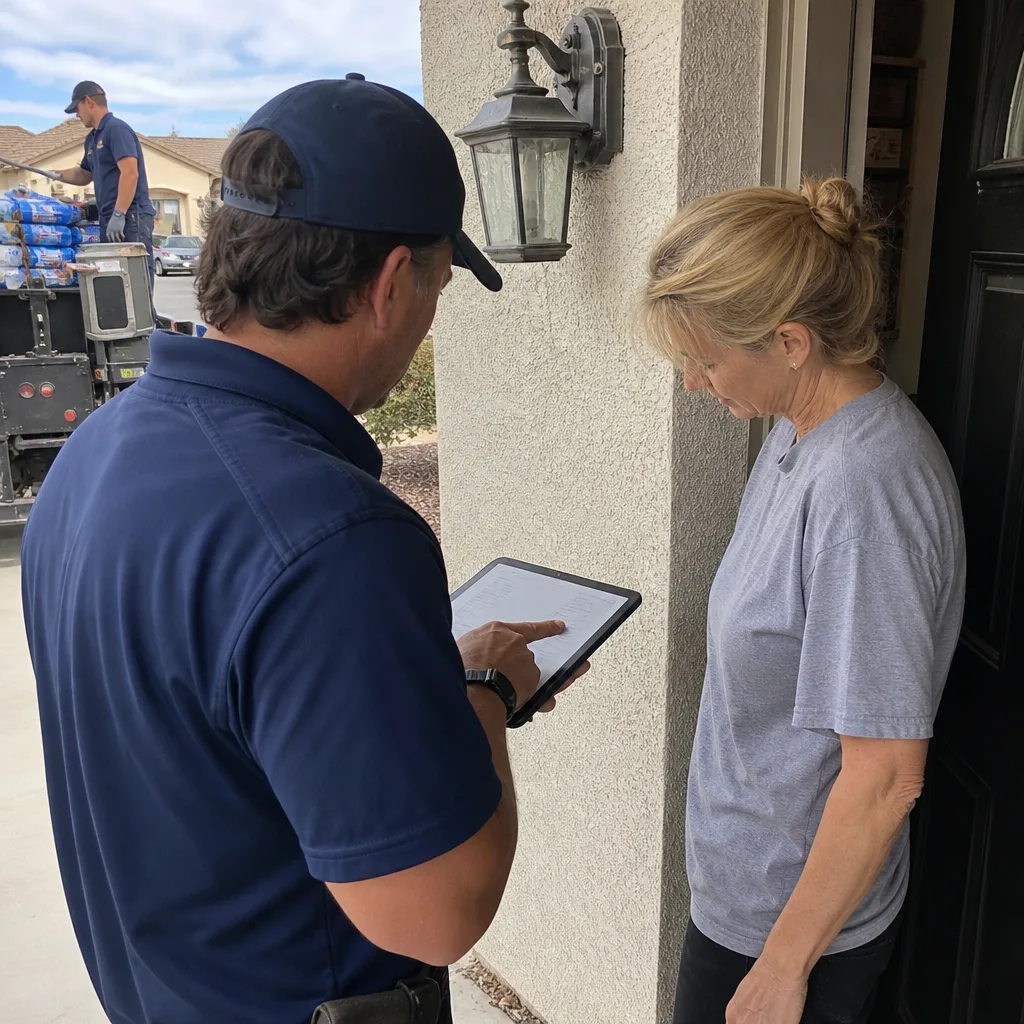
Ask at the inspection how photos will be shared. Some companies hand you a printed binder. Ridgeline Roofing Co. technicians document every inspection from your actual roof and share the file with you at walkthrough. If a contractor won’t show photos, that is your answer about how the job will be handled.
The 90-Day Window: What to Watch For After Installation
The job is not over the day the truck leaves. The first 90 days are when most installation problems reveal themselves. Every job Ridgeline Roofing Co. performs is backed by the written 90-Day Done Right Promise. Here is what to actually watch for during that window.
- Granule loss. A small amount of granule shed right after install is normal. Heavy or continuous granule loss in gutters by week four signals a shingle quality or handling issue.
- Shingle lift. Tabs that never fully seal, especially on south- and west-facing slopes, are the number-one thing to catch in the first 30 days. If adhesive strips are not sealed by week three, request a reinspection.
- Water stains on interior ceilings. Any new stain near a chimney, valley, or vent is a flashing issue and needs to be documented immediately.
- Loose flashing and ridge caps. Wind and thermal expansion should not pull either loose in the first three months.
- Gutter overflow. If water runs over the edge rather than through the gutter, the drip edge may not have been set correctly.
- Fastener backing-out. Nails pushing up through shingles within 90 days is a nailing depth or deck condition problem.
What makes the 90-Day Done Right Promise meaningful is that it is written, it requires no paperwork argument, and if something is not right, Ridgeline comes back and makes it right. No runaround, no phone tree. Call numbers reach a live person 24 hours a day, so if something looks off at month two, you talk to a human the same call.
Common Mistakes to Avoid
- Booking on install speed alone. A one-day roof is not a better roof. It usually means skipped underlayment detail, rushed flashing, or a crew that downsized to hit the promise.
- Signing before you see the inspection photos. In Enterprise, mid-century homes often hide soft decking around chimneys. Never sign off on a scope you have not seen photographically.
- Scheduling peak summer installs on south-facing slopes. The adhesive strips on those slopes need cool mornings to seal correctly. If your only window is July, ask how sealing will be verified.
- Ignoring the change-order process. Any mid-job deck repair should come with a written change order and photos. A verbal price change from the driveway is not a change order.
- Skipping the final walkthrough. The walkthrough is when flashings, ridge caps, gutters, and cleanup get verified. If you cannot be there, ask for the photo summary in writing.
- Tossing the warranty packet. Manufacturer warranties depend on installer documentation. Keep the photos, the signed scope, and the promise in one folder.
- Waiting out an obvious leak. A slow ceiling stain in Enterprise during monsoon season can spread through the deck within a week. Call for an inspection rather than waiting for the next storm.
When to Call a Professional
Some situations should not wait for a convenient week. Call when you see ceiling stains growing after a storm, shingle granules collecting at downspouts, visible daylight through roof sheathing in the attic, or lifted or missing shingles after a wind event. Also call when your roof is 20 years old or older and you have not had an inspection in the last two years. The best weather window in Enterprise runs from late fall through early spring, so scheduling an inspection in the cooler months gives you time to plan a proper replacement timeline rather than rushing it. Ridgeline Roofing Co. Enterprise offers free estimates in Enterprise. Call (844) 228-4119, and a live person will answer no matter the hour. Our technicians are background-checked, arrive in uniform, and document every inspection from your actual roof. Estimates are no-hassle and upfront: the number on the estimate is the number on the invoice.
Frequently Asked Questions
Most roof replacements in Enterprise take three to five days of active work, with four being the most common. Add one to two weeks upfront for inspection, permits, and materials delivery. Complex roofs, tile or specialty installs, and jobs that uncover deck damage can run seven to ten days. Call (844) 228-4119 for an estimate on your specific roof.
High-UV desert heat affects how fast shingle adhesive strips seal, and rushed sealing causes shingle lift in year two or three. A crew that accounts for Sun-facing slopes and returns within 14 days to verify sealing is doing the job correctly. In Enterprise, sealing is often verified on south- and west-facing slopes as a separate follow-up visit, not assumed at install.
No, if your contractor uses written change orders and upfront pricing. The estimate you sign should be the invoice you pay, with the only exception being deck damage discovered mid-tear-off that is documented with photos and a signed change order before work continues. If a price change appears without both, do not accept it. Call (844) 228-4119 for a free second opinion on any written estimate you are considering.
Yes. Permits are part of the process and part of what keeps your homeowner’s insurance and manufacturer warranties intact. A company that skips permits is saving time at your expense. Ask specifically about permit handling during your inspection, and ask for the permit number in writing.
Real deck damage comes with photos, sheet counts, and a written change order. An excuse comes verbally from the driveway with a round number. Stand on the roof with the crew lead and see the damage yourself, or request photos with a tape measure for scale. That single step separates real repairs from inflated ones.
Watch for shingle lift on sun-facing slopes, new ceiling stains, loose flashing, granule accumulation in gutters, and fasteners backing out. Any of these within 90 days is a workmanship concern, not normal settling. Ridgeline Roofing Co.’s 90-Day Done Right Promise covers exactly this: if it is not right, we come back and make it right. Call (844) 228-4119 and a live person answers around the clock.
The Bottom Line
The shingles go down in a day. The timeline that determines whether the job holds for 25 years takes longer. Plan on three to five days of active work, one to two weeks of prep time, and a full 90-day window of post-install watching and verification. Insist on photo documentation at every phase, written change orders for any mid-job deck work, and a written workmanship promise. Enterprise roofs face hard sun and monsoon rain, and the installs that survive both are the ones done by crews that don’t rush the cure time. Every project needs a starting point, and ours is a free estimate. Call (844) 228-4119 to schedule a free inspection and walk your roof with a documented, uniformed technician. For our full range of services, visit Ridgeline Roofing Co. Enterprise home.
Written by the team at Ridgeline Roofing Co. Enterprise.
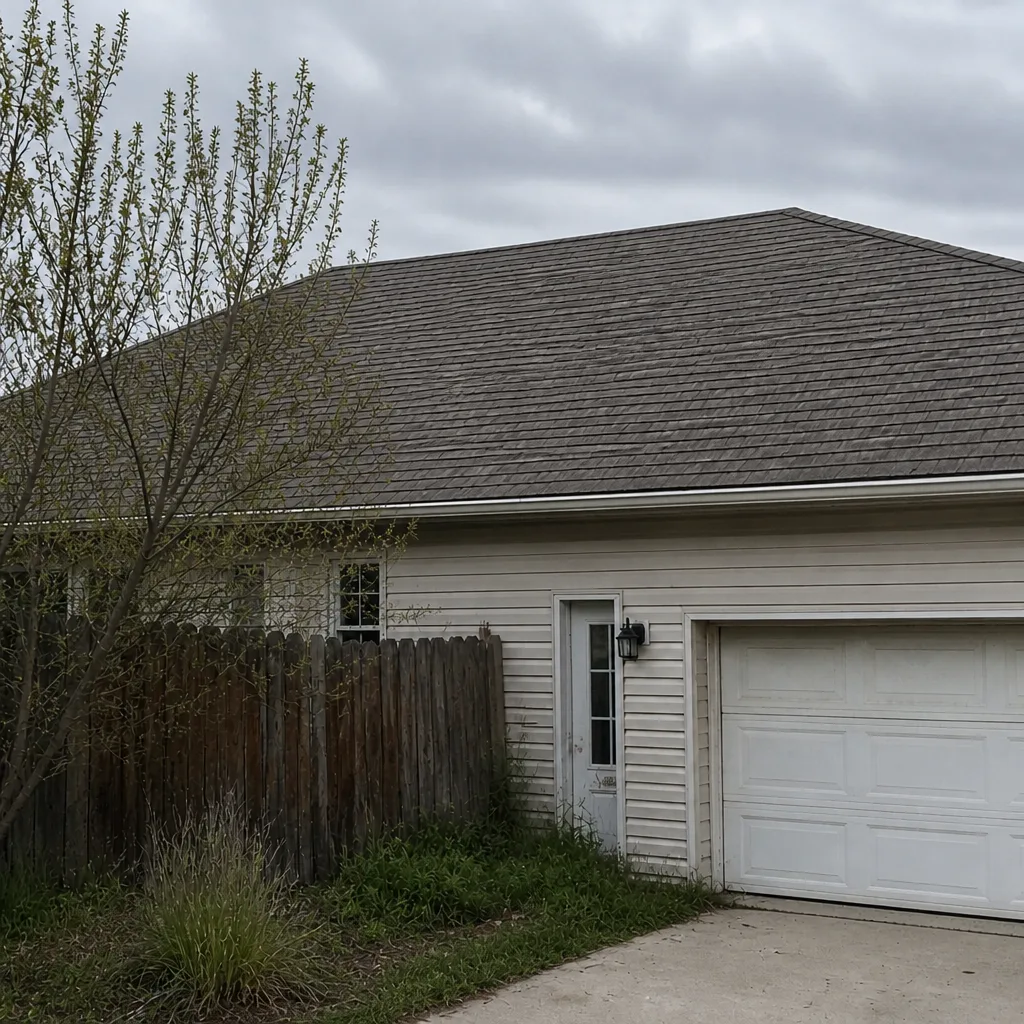
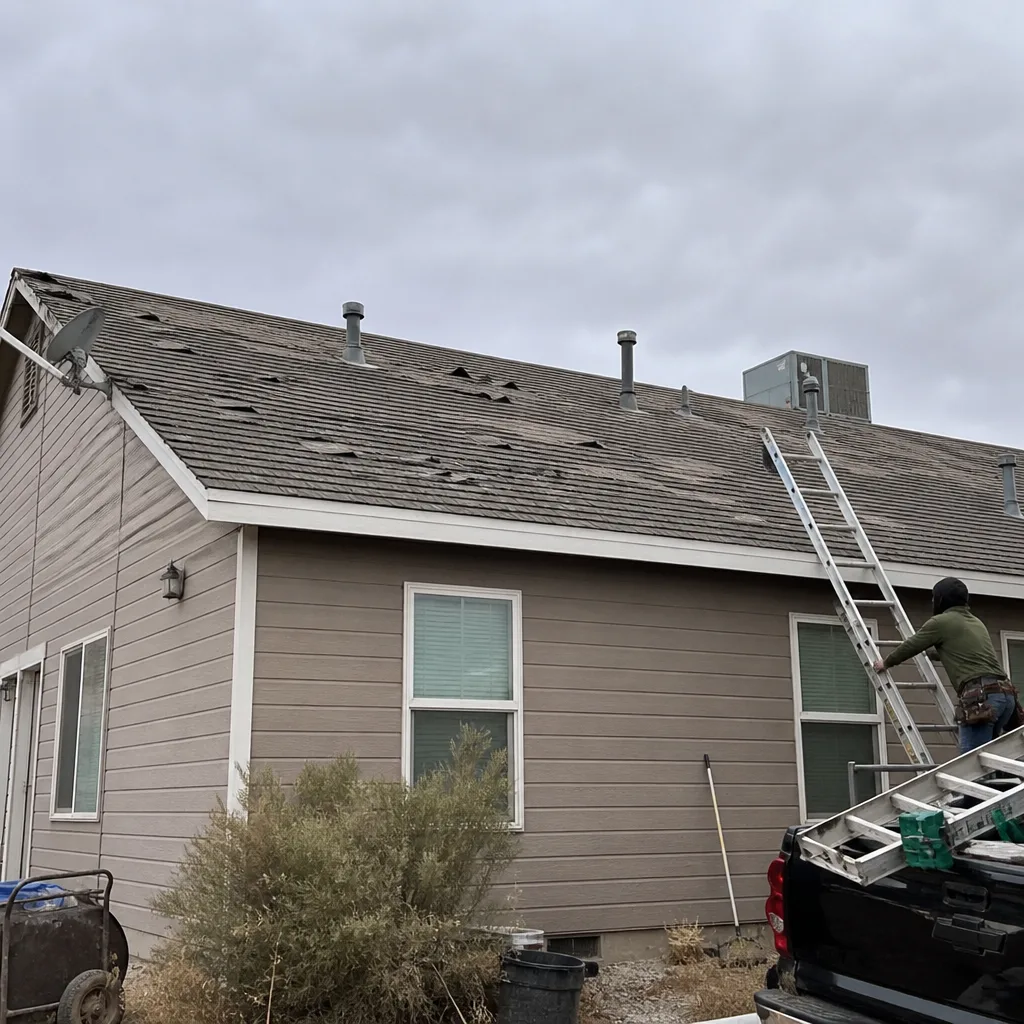
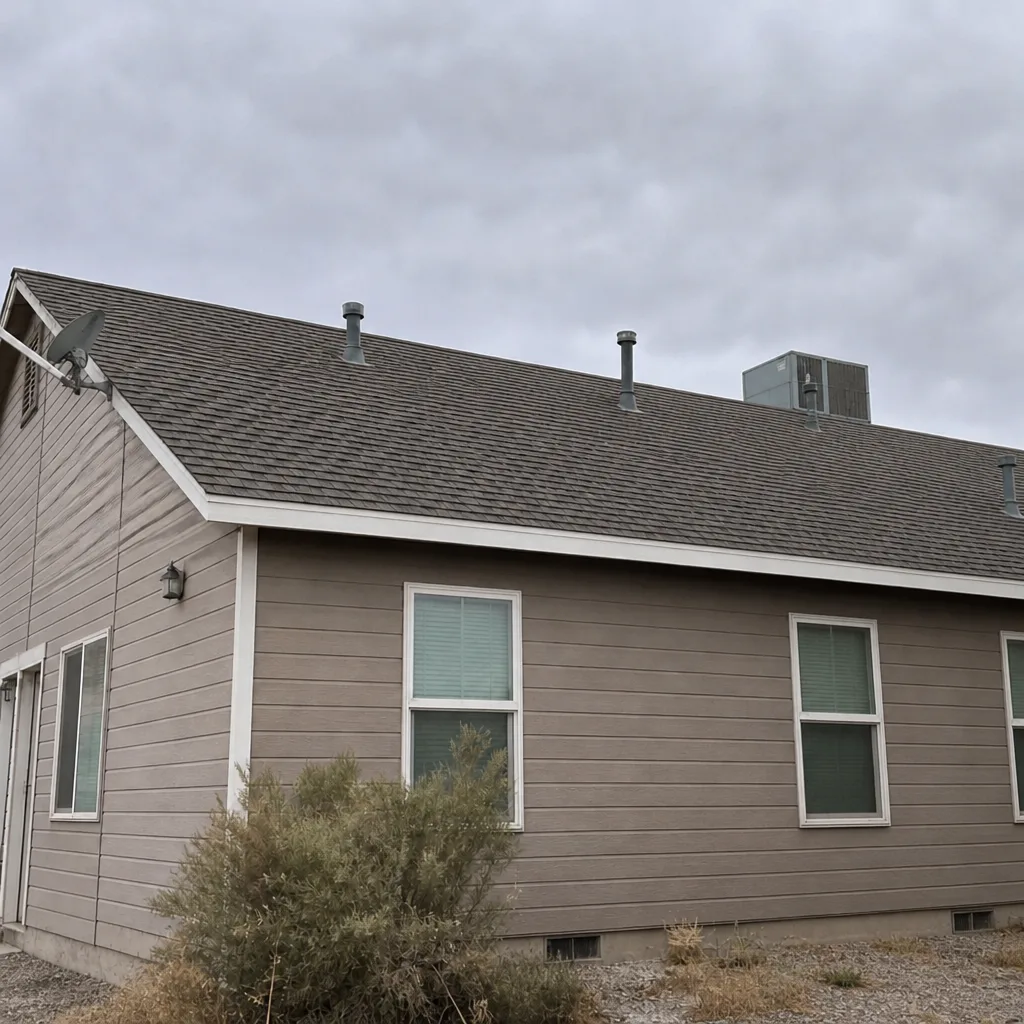
See the difference
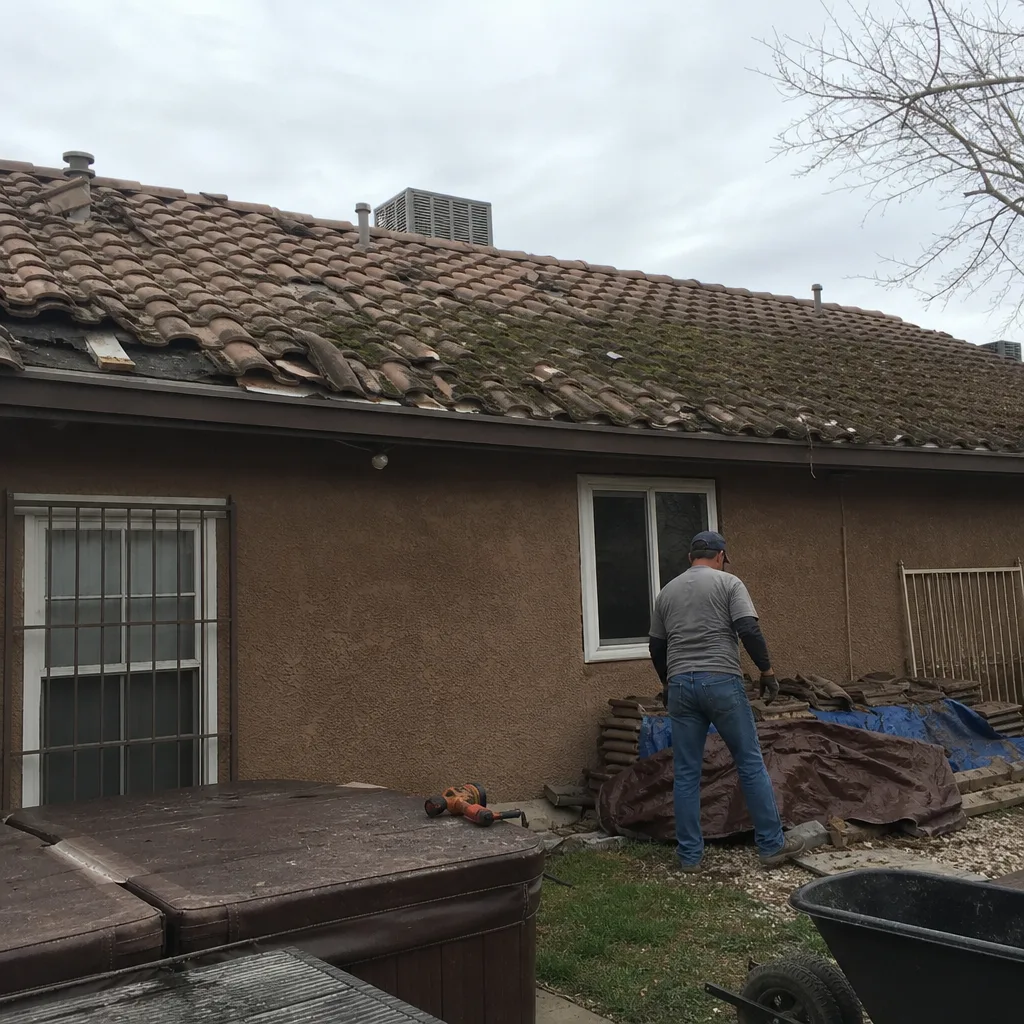 Before
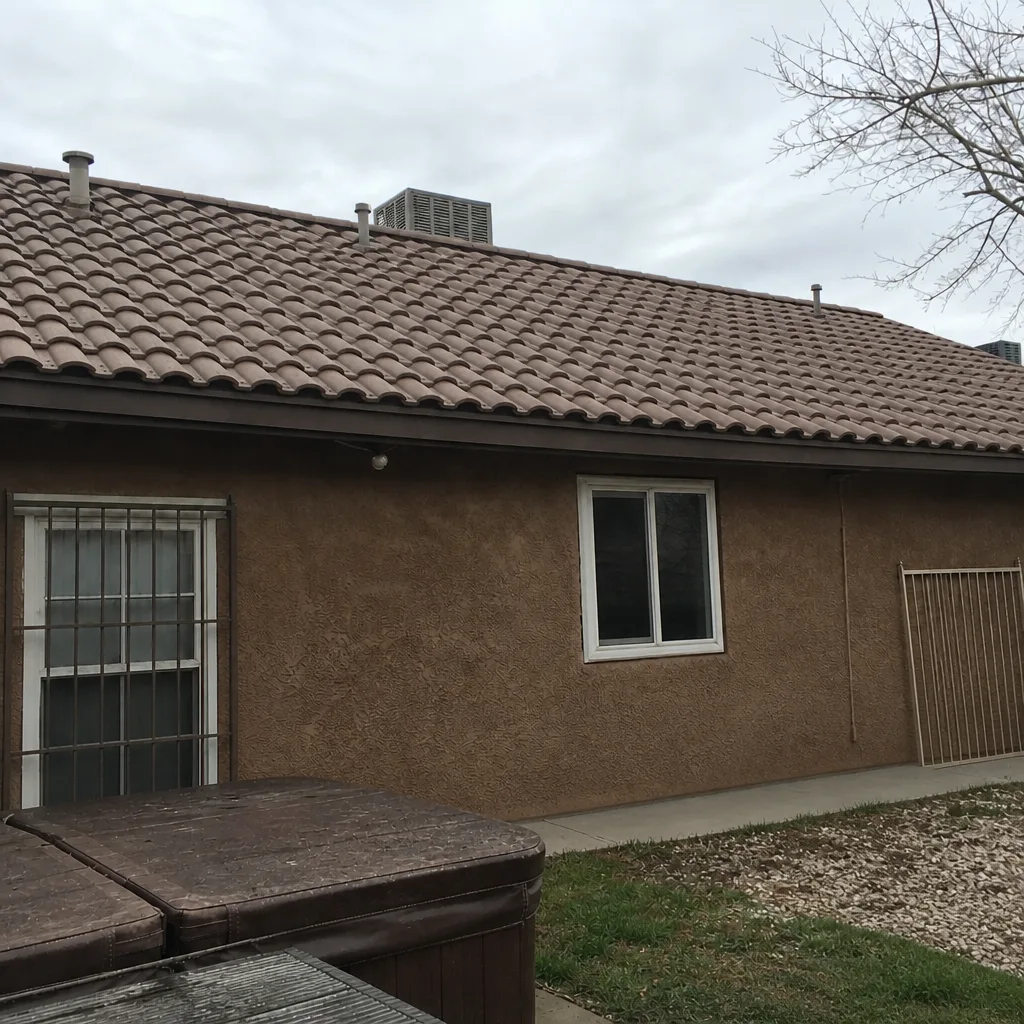 After
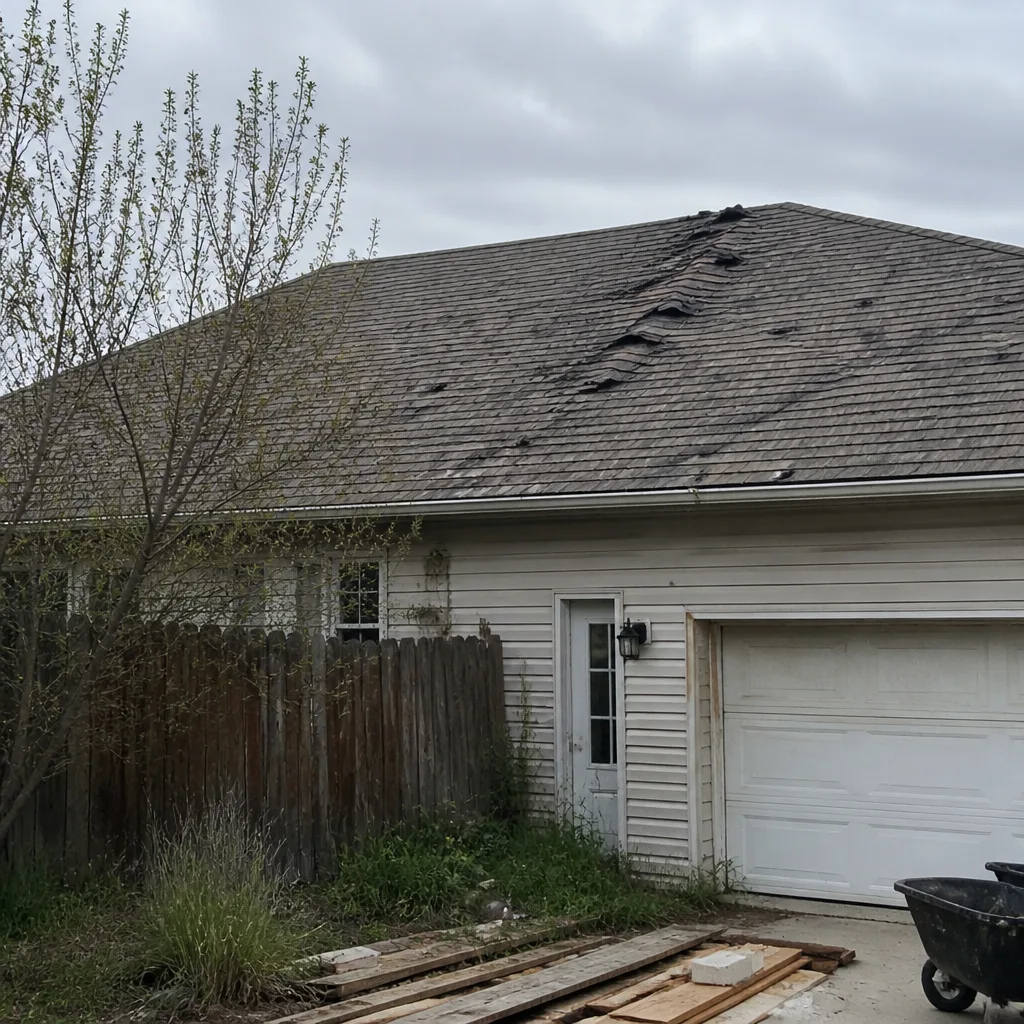 Before
 After
 Before
 After