
Last updated November 18, 2026
 Architectural shingles
 Metal roofing
 Tile roofing
 GAF
 Owens Corning
 Flat & low-slope
Free roof inspection with deck photos before we talk money - GAF and Owens Corning certified installation
How Long Does Gutters & Accessories Take? Timelines and What to Expect
A crew can clean your gutters in 90 minutes. Replacing them on a 2,400-square-foot home with three downspouts and proper slope correction takes a full day. That gap surprises people. Most homeowners call expecting one number and get another, because “gutter work” covers everything from a Saturday morning flush to a two-day rebuild with fascia repair. We’ve run both kinds of jobs in Enterprise long enough to know the difference matters before the crew shows up, not after. This guide breaks down every scenario honestly – cleaning, repair, partial replacement, full seamless install with accessories – plus what stretches a timeline here in the desert heat and what photo documentation should look like when the job wraps.
Quick Answer
Cleaning takes 1 to 2 hours. A repair or partial replacement runs 2 to 4 hours. A full seamless gutter replacement on an average single-story home takes one full day, and 1.5 to 2 days if fascia repair or downspout rerouting is needed first. Most Enterprise jobs land in the one-day range when the underlying wood is sound.
Styles & brands we work with
- Architectural shingles
- Metal roofing
- Tile roofing
- GAF
- Owens Corning
- Flat & low-slope
Table of Contents
- Timeline by Job Type: Cleaning to Full Replacement
- Why Enterprise Summer Heat Changes the Schedule
- One-Day Seamless Install vs. Multi-Day Job
- What Extends a Timeline Unexpectedly
- Accessories That Add Time (and Worth It)
- What Photo Documentation Should Look Like
- How to Prepare and What to Expect on the Day
Timeline by Job Type: Cleaning to Full Replacement
Gutter work isn’t one job. It’s four or five, each with its own clock. Here’s how the time actually breaks down across the work we handle in Enterprise, from a simple seasonal flush to a full replacement with accessories. Times assume an average single-story home of about 2,000 to 2,500 square feet; two-story work runs longer on almost every line.
- Seasonal cleaning: 1 to 2 hours for 150 to 200 linear feet, single story. Two-story sections or heavy debris push it to 2.5 hours.
- Minor repair (resealing a joint, re-hanging a sagging run): 1 to 2 hours.
- Partial replacement (one 20 to 40 foot run): 2 to 4 hours, including matching profile and color to what’s already up there.
- Full seamless replacement, single story: 6 to 8 hours on site, plus about 30 minutes of setup and cleanup.
- Full seamless replacement, two story: 1.5 to 2 days, sometimes longer on steep pitches or long runs.
- Gutter guards or leaf screens: 3 to 5 hours added to a replacement, or a standalone half day.
- Downspout rerouting (around HVAC, walkways, or new landscaping): 1 to 3 hours, depending on distance and whether underground discharge is involved.
The biggest variable isn’t square footage – it’s what we find behind the gutter once it comes down. On homes in Enterprise built in the 1990s or earlier, that’s where the surprises live. See our full Ridgeline Roofing Co. Enterprise home page for how these jobs tie into the rest of your roof system.
Why Enterprise Summer Heat Changes the Schedule
Enterprise summers hit 105°F and above for weeks at a stretch. That heat isn’t a footnote – it dictates how we schedule your job. Seamless gutter runs are formed on site and sealed with adhesive at the joints, and sealant needs a temperature window to cure properly. Install a run at 2 in the afternoon in July and the sealant skins over before it bonds. Do it at 7 a.m. and it sets right.
That’s one reason most gutter replacements in Enterprise start early. A 6:30 or 7 a.m. start lets the crew finish the south and west-facing runs – the sides that bake first – before the worst heat. It also keeps technicians safe. Working a ladder in direct sun on an asphalt shingle roof at 110°F is not something to push through the middle of the day.
Three practical effects for homeowners scheduling work here:
- Early morning starts are normal. Don’t be surprised by a 6:30 or 7 a.m. arrival on a replacement.
- Afternoon thunderstorms in monsoon season (roughly July through September) can push a job to the next morning. We don’t install a run and leave it unsealed before rain.
- Spring and fall are the sweet spots. March through May and October into November offer temperature windows that let a full replacement land in a clean single day without early-hour gymnastics.
Roof surface temperature matters too. On a July afternoon, shingles in Enterprise can read 160°F or higher – hot enough that a crew can’t kneel on them for long stretches. That’s true on reroofs and gutter replacements alike. Our Roof Repair in Enterprise service follows the same early-start rhythm for the same reasons.
One-Day Seamless Install vs. Multi-Day Job
The line between a one-day replacement and a two- or three-day job is almost never the gutters themselves. It’s what’s behind them. Here’s the honest split.
One-day job (the common case)
- Remove old gutters and downspouts – 1 to 2 hours.
- Inspect the fascia board underneath – 20 to 30 minutes. This is the critical check.
- Install new seamless gutters formed on site – 3 to 5 hours depending on linear footage.
- Set slope and hang with hidden hangers at proper spacing – 1 to 2 hours.
- Install downspouts and test flow with water – 1 hour.
- Cleanup and haul-away – 30 minutes.
That’s a solid day’s work. Crews of two or three arrive in the morning, and you’re looking at new gutters by late afternoon.
Multi-day job (the fascia problem)
If the fascia board behind the old gutter is soft, rotted, or pulsing with termites, we can’t hang new gutters on it. That has to be repaired first. Fascia repair is a separate scope: cutting out bad wood, replacing it with primed or treated lumber, then priming and sealing before new gutter goes up. Half a day of work if the damage is isolated to one section; a full day per side if it’s widespread.
On a two-story home, add scaffolding or ladder setup and takedown time. On a long run with a steep pitch, add safety rigging. Neither is padding – it’s real time for a crew that wants to come home with the same number of people it started with. Our Roof Replacement & Installation in Enterprise page covers similar scope decisions on the roofing side of a job.
What Extends a Timeline Unexpectedly
Here’s what shows up mid-job and pushes the schedule out – worth knowing so you’re not caught off guard when a crew lead knocks on the door with a photo on their phone.
- Fascia rot. The most common delay. On older Enterprise homes, an estimated 1 in 4 replacements uncovers soft wood behind the gutter once the old run comes down.
- Downspout rerouting around HVAC units. The original downspout may discharge right into a condenser pad installed 15 years after the gutters went up. Correcting the flow means a new run, sometimes underground.
- Two-story gaps. A second-story section can’t be reached with a standard ladder-safe setup – that means a longer, slower install with rigging.
- Improper pitch correction. Older gutter systems sometimes slope the wrong way or are nearly flat. Correcting the slope may require repositioning every hanger, not just a re-hang.
- Hidden fasteners or lens attachments. Gutter guards screwed into the fascia or roof deck take extra time to remove cleanly without damaging shingles.
- Landscape obstructions. Mature trees and shrubs planted close to the house in Enterprise neighborhoods mean slower work around the foundation.
Every one of these is fixable. None of them should be a surprise invoice – the number you see is the number you pay. Our approach is a photo and a phone call before we do the extra work, so you decide. Our Specialty Roofing in Enterprise work follows the same rule.
Accessories That Add Time (and Worth It)
Accessories are the difference between a two-hour job and a full day. Here’s the actual time cost of the add-ons homeowners ask about most.
- Gutter guards / leaf screens: 3 to 5 hours added on a single-story replacement. Worth it if you have mature trees overhanging the roofline.
- Hidden hangers (replacing old spikes and ferrules): 1 to 2 hours. This is the change that keeps a run from sagging within a few years.
- Splash blocks and extensions: 30 minutes to 1 hour. Cheap, but they matter in Enterprise where water needs to move away from the foundation fast during monsoon storms.
- Underground downspout discharge: 2 to 4 hours. Handles the runoff properly instead of dumping it at the foundation.
- Gutter screen upgrade with micro-mesh: 1 to 2 additional hours over standard screens.
None of these are mandatory. All of them affect how long the system lasts. We’ll walk you through the trade-offs and let you decide what’s worth the extra hours on your home.
What Photo Documentation Should Look Like
Photo documentation protects you. If a warranty question comes up a year or five years down the road, photos from the start and finish of the job show exactly what was there before, what went up, and how it was installed. We take them on every gutter job, and here’s what a real set looks like.
- Pre-work photo of each elevation – full roofline, showing the existing gutter, downspouts, and anything attached.
- Close-up of the fascia once the old gutter comes off, before any repair – shows the exact condition uncovered.
- Mid-repair shot if fascia or slope work is done, showing the fix in progress.
- Post-install photo of each elevation – new seamless run in place with downspouts attached.
- Close-up of every joint, hanger, and end cap – this is where failures happen if they happen.
- Water-test photo or short video showing flow at the downspout during the test run.
A contractor who can’t produce photos after the fact is telling you something. Our practice of background-checked, uniformed technicians makes this straightforward – the technician on your roof is a known person documenting known work. Kitchen-table presentations without a photo behind them aren’t documentation, they’re sales.
How to Prepare and What to Expect on the Day
The prep for a gutter job is simple. Clear space along the perimeter of the house – no vehicles, patio furniture, or potted plants where the crew needs to move ladders and haul old material. Park in the street or the driveway if you can. If you have pets, keep them inside; ladders and a moving crew don’t mix with a curious dog.
On the day, expect an early arrival, a quick walkthrough with the crew lead, and confirmation of the scope before any work begins. If fascia damage is discovered, you get a call, photos sent to you, and a decision to make before we proceed. Most jobs wrap the same day with a cleanup, a walk-around with you to check flow at each downspout, and a copy of the photos.
You’ll get the written 90-Day Done Right Promise at completion, and the price on the estimate is the price on the invoice. Materials come from authorized manufacturer lines we install – GAF and CertainTeed are common on gutter-adjacent trim, Owens Corning on the roof deck underneath. No substitutions, no surprises.
Common Mistakes to Avoid
- Letting a crew install over soft fascia. A new gutter screwed into rotted wood will sag within a season. Every replacement should include an on-record fascia inspection; if a contractor won’t pull the old run off and check, they’re guessing.
- Skipping the slope test. A gutter that looks fine from the ground can hold standing water. Perform a water test at the downspout before the crew packs up – you’ll hear or see flow issues in seconds.
- Assuming a quote covers accessories. Seamless gutters, downspouts, hangers, and guards are often priced separately. Ask for a line-item quote so you know exactly what’s included.
- Scheduling an install at midday in July. In Enterprise, seam sealant doesn’t set properly on hot afternoons and technicians work less safely. Early morning starts are the right call, not an inconvenience.
- Choosing a bid on gutters alone. If the fascia behind them needs work, that cost shows up after the old run is down. Get the fascia check built into the estimate.
- Ignoring downspout discharge. In Enterprise, water dumped at the foundation during a monsoon storm finds the slab. A downspout extension or reroute is usually the cheapest fix you’ll make.
- Not asking for photos. A warranty is only as good as the record behind it. Ask upfront what photo documentation you’ll receive at the finish.
See the difference
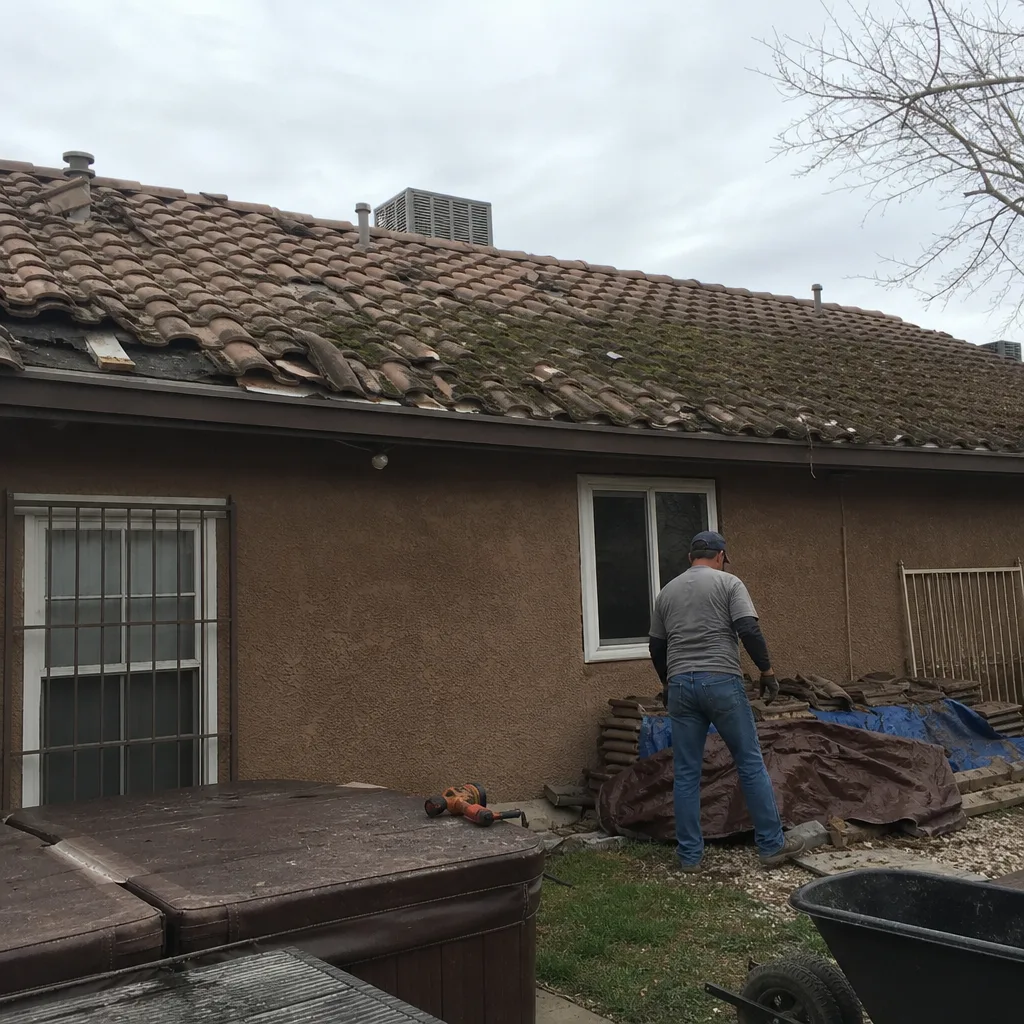 Before
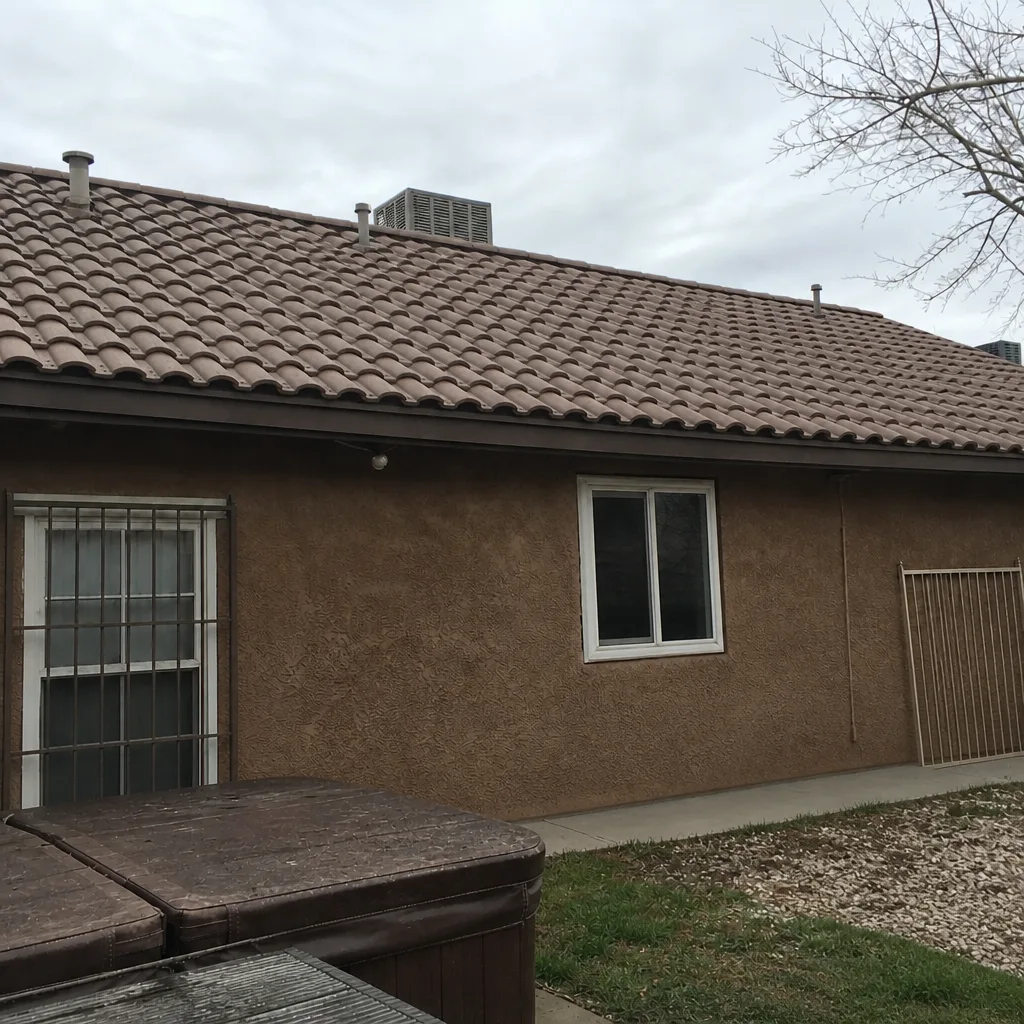 After
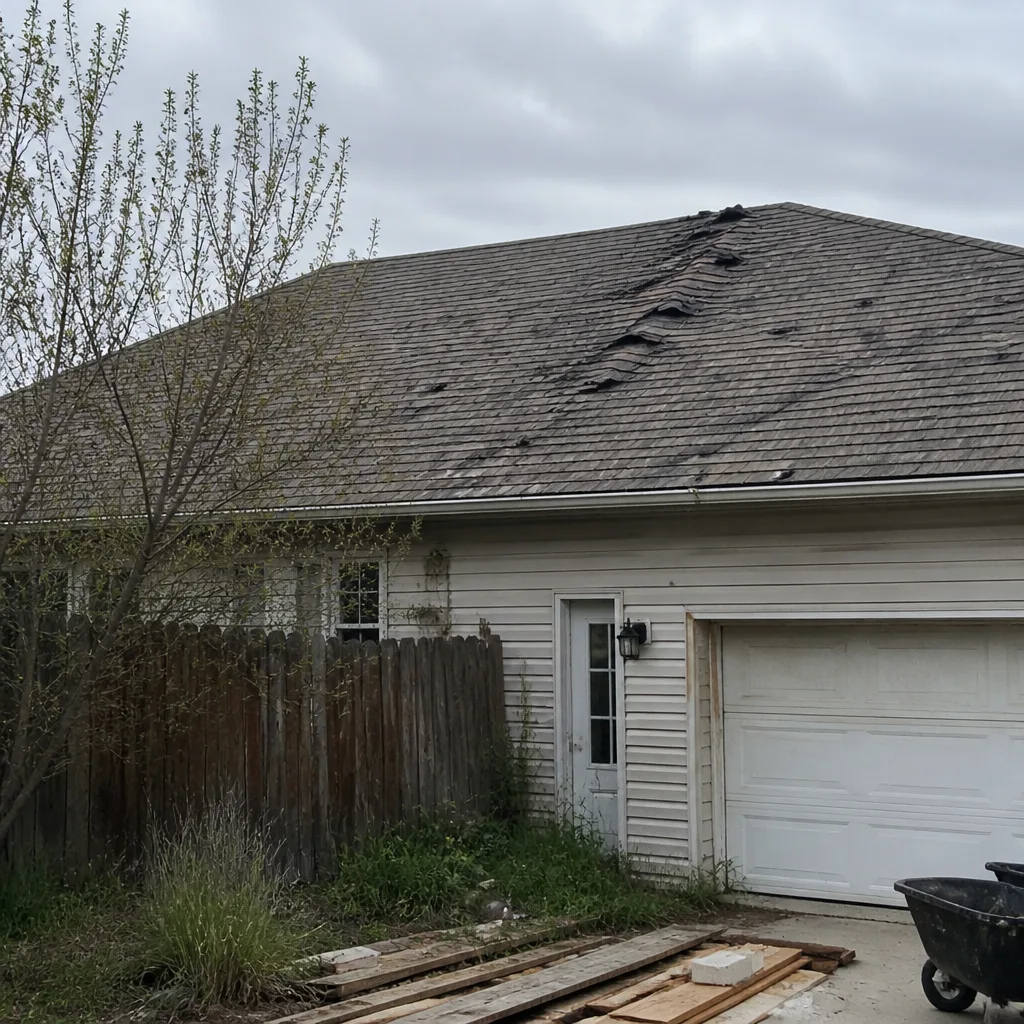 Before
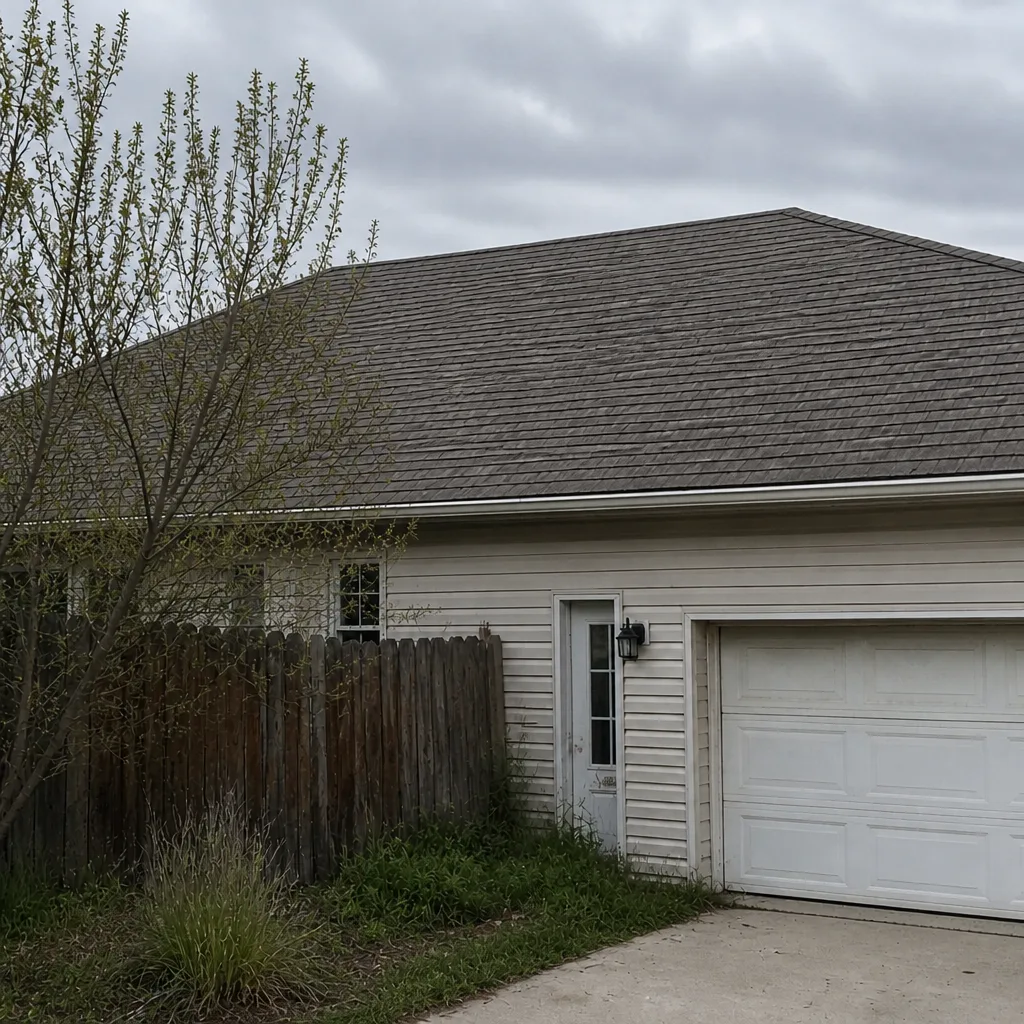 After
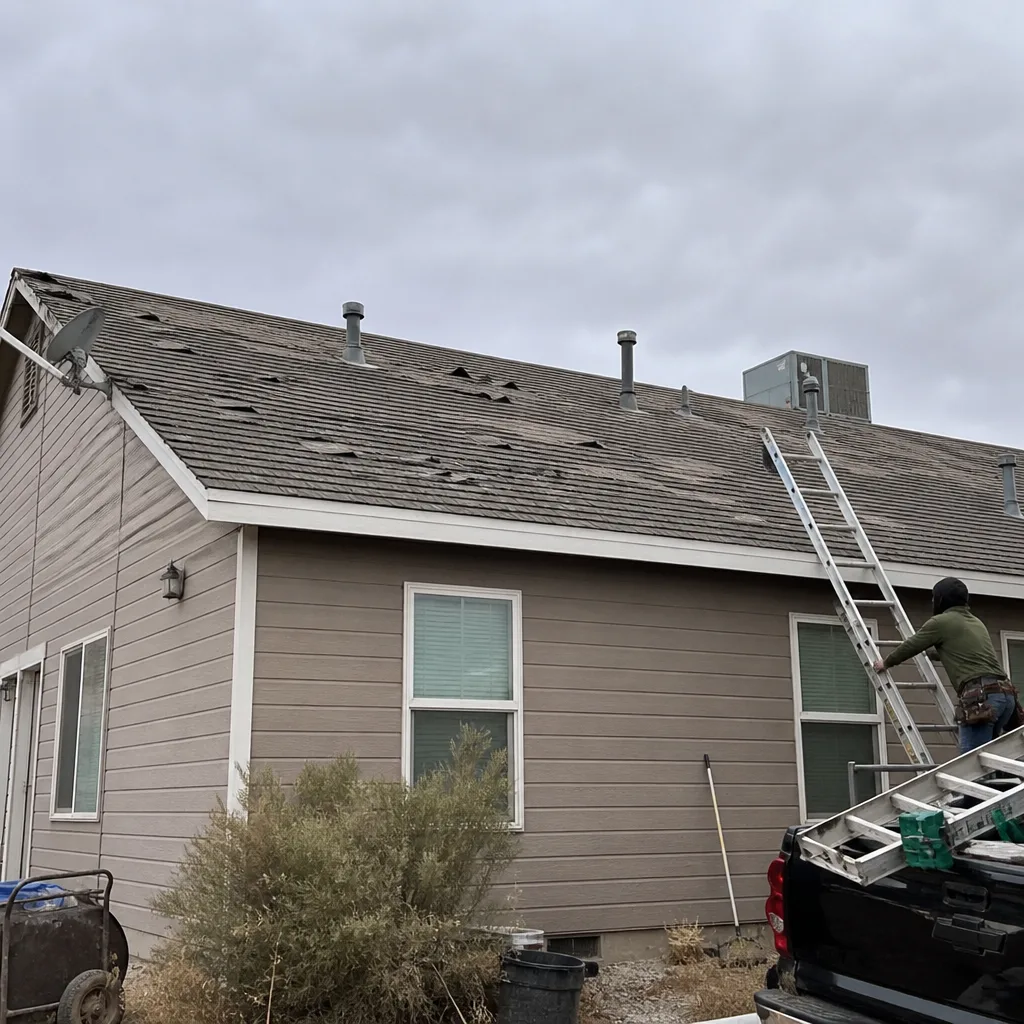 Before
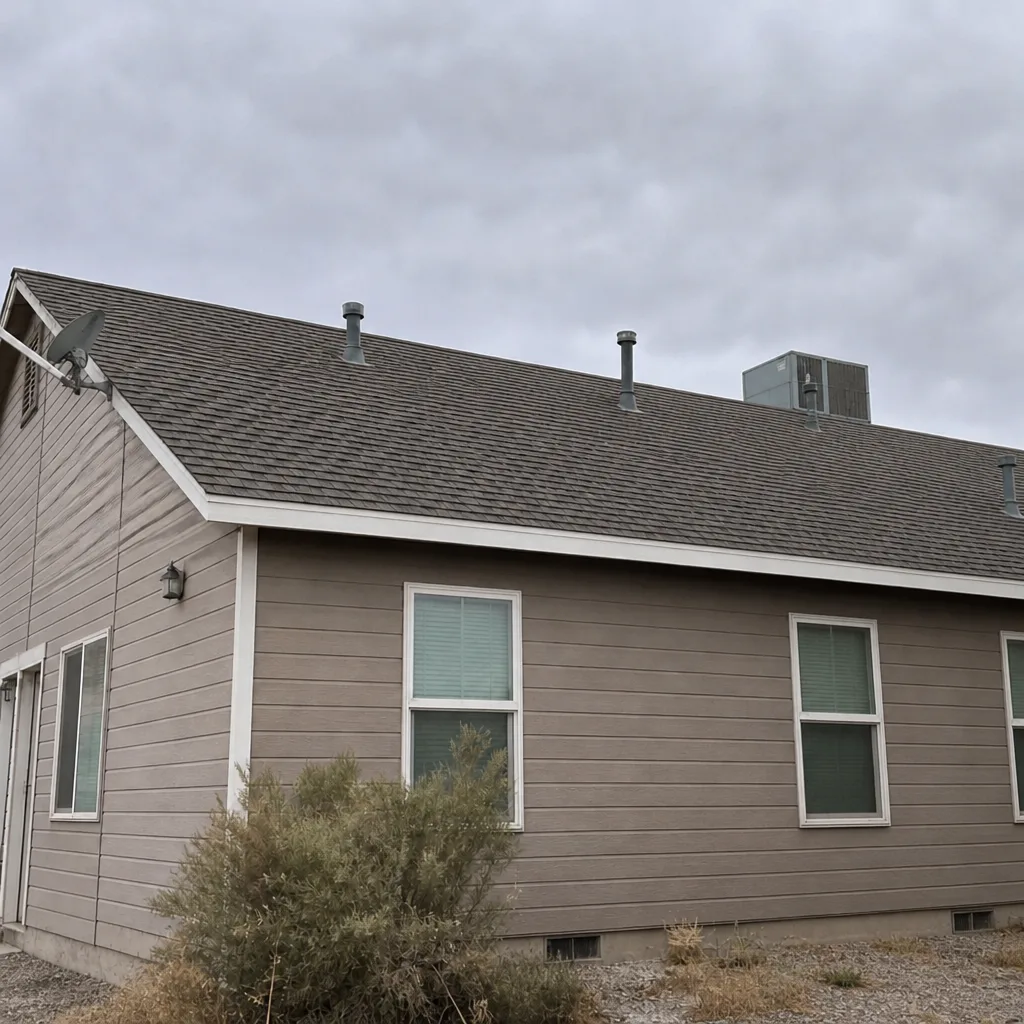 After
When to Call a Professional
Cleaning yours out on a Saturday morning is fine. Replacing them is not. Any gutter work that involves going up a ladder more than a story, pulling off old runs, or correcting slope belongs in the hands of a trained crew – the work itself involves ladder safety, roof-edge footing, and understanding how a gutter system ties into the fascia and drip edge. Slip a ladder on a hot shingle roof in Enterprise and a Saturday job becomes a hospital visit.
Call a professional if you see rust-through, separating seams, sagging or pulling-away runs, water stains on the fascia, or gutters that overflow during even light rain. If you’re not sure whether you need repair or replacement, a free inspection with photos settles it. Ridgeline Roofing Co. Enterprise offers free estimates in Enterprise – call (844) 228-4119. The phone is answered by a live person, day or night, including during storms when it matters most.
Frequently Asked Questions
A full seamless gutter replacement on a 2,000 to 2,500 square-foot single-story home takes about one full day, typically 6 to 8 hours on site. Two-story homes or jobs needing fascia repair run 1.5 to 2 days. Call (844) 228-4119 for an exact quote – estimates are free.
Yes, usually, if the crew starts early. Seam sealant and adhesive need to set before temperatures climb past about 95°F, so an early morning start is standard on Enterprise jobs between June and September. Afternoon monsoon storms may push a job to the next morning if the sealant can’t cure first.
Not without your approval. If fascia damage is uncovered once the old gutter is off, you get a call, photos, and a decision before any added work proceeds. The written estimate is the invoice – no change orders you didn’t agree to.
Gutter replacement itself typically doesn’t require a permit in most jurisdictions, but fascia repairs and any structural work tied to it may. We’ll let you know upfront what applies to your address before the crew arrives. Call (844) 228-4119 if you’d like us to check on your specific home.
Standard leaf screens add 3 to 4 hours. Micro-mesh upgrades add 1 to 2 hours more. If you’re already replacing the gutters, adding guards on the same visit is far faster than scheduling a separate install later.
We stop. Installs don’t proceed in rain or on wet fascia – sealant won’t bond properly and it’s unsafe on a wet ladder and roof surface. We reschedule to the next dry morning, usually within a day or two.
The Bottom Line
Gutter timelines break down cleanly once you know the categories. Cleaning: 1 to 2 hours. Repair: 1 to 4 hours. Full seamless replacement on a single-story home: one day. Two-story or fascia-repair work: 1.5 to 2 days. In Enterprise, early morning starts are the rule during summer so sealant sets correctly and crews stay safe in the heat. What extends a job is almost always behind the gutter, not the gutter itself – fascia rot, downspout reroutes around HVAC, two-story access. Photo documentation at start and finish protects you if a warranty question comes up years later. When the work is done right, you’ll replace gutters once. That’s the standard Ridgeline Roofing Co. Enterprise works to on every job, backed by the written 90-Day Done Right Promise.
Call (844) 228-4119 to schedule your free estimate. A live person answers every call, 24 hours a day, and we’ll walk your roofline with photos before we quote a number.
Written by the team at Ridgeline Roofing Co. Enterprise.