
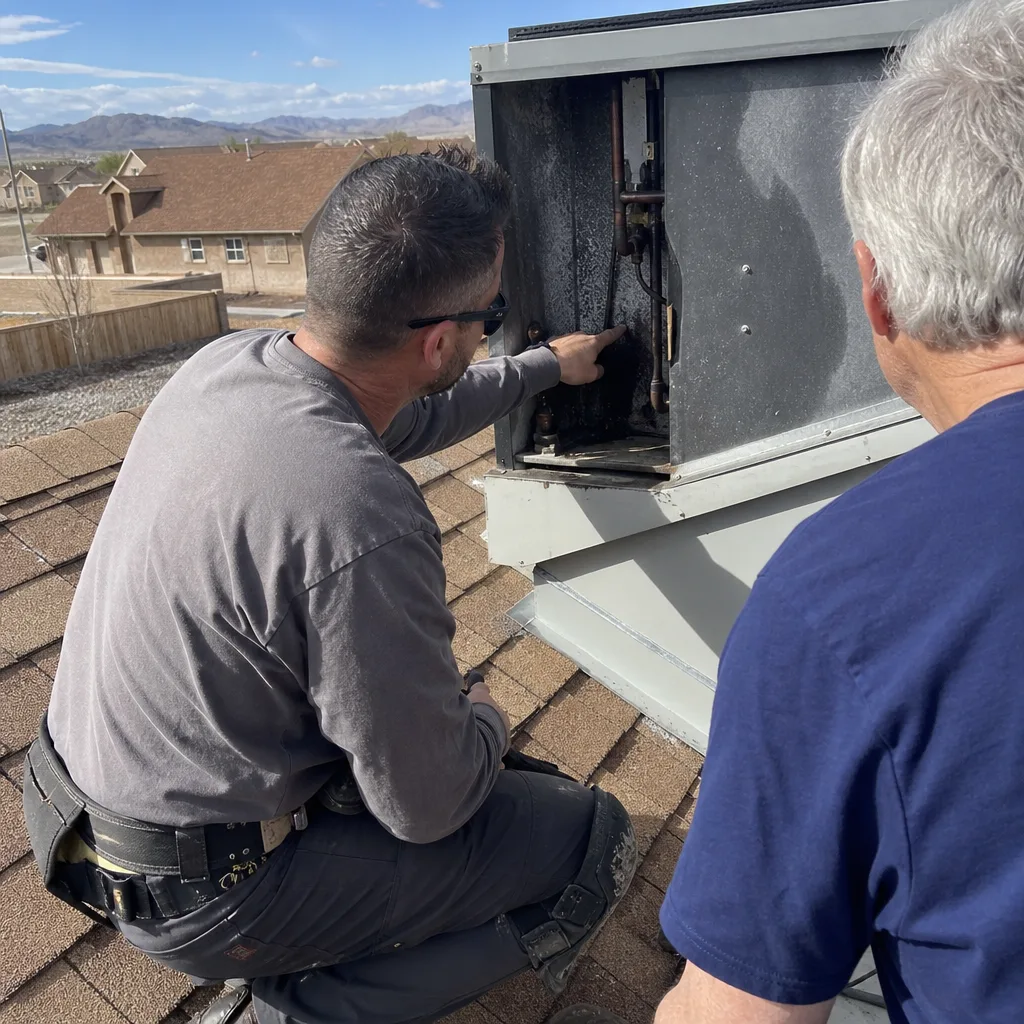
Last updated November 18, 2026
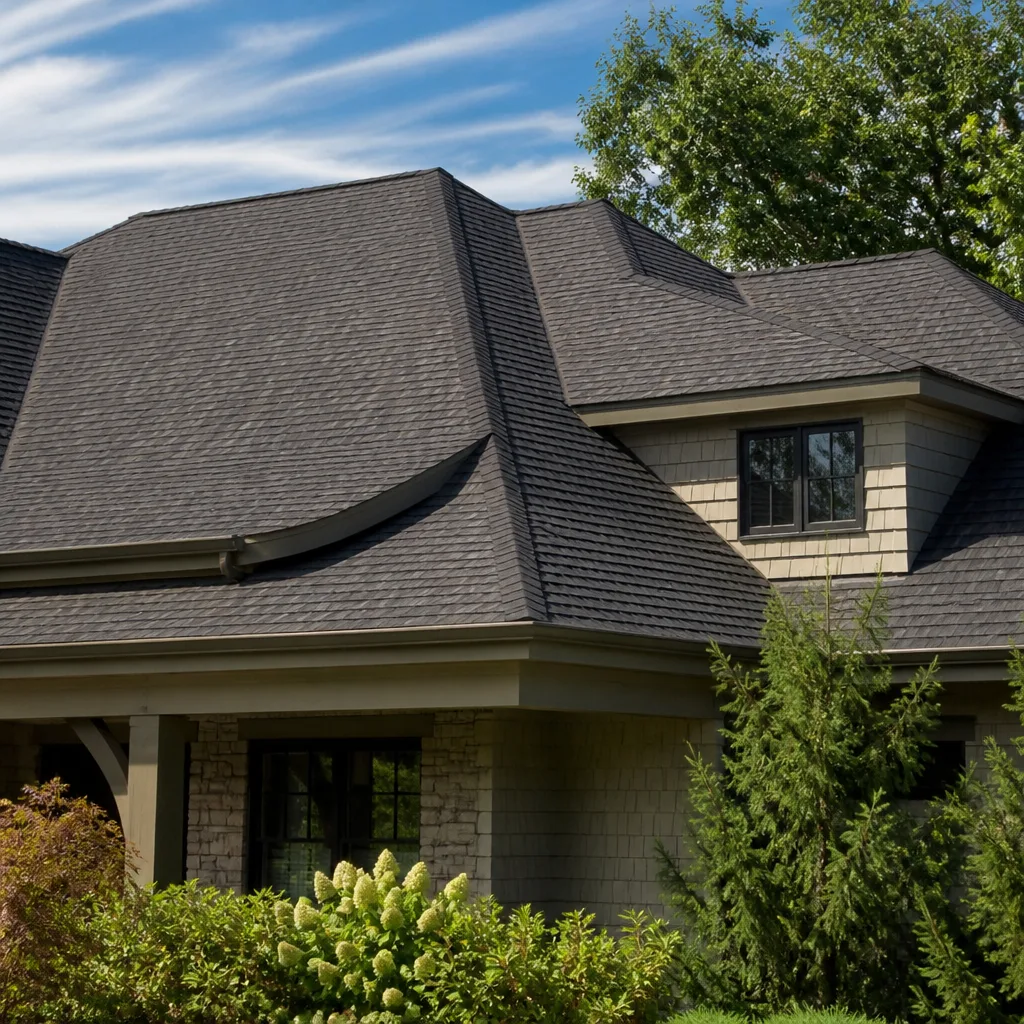 Architectural shingles
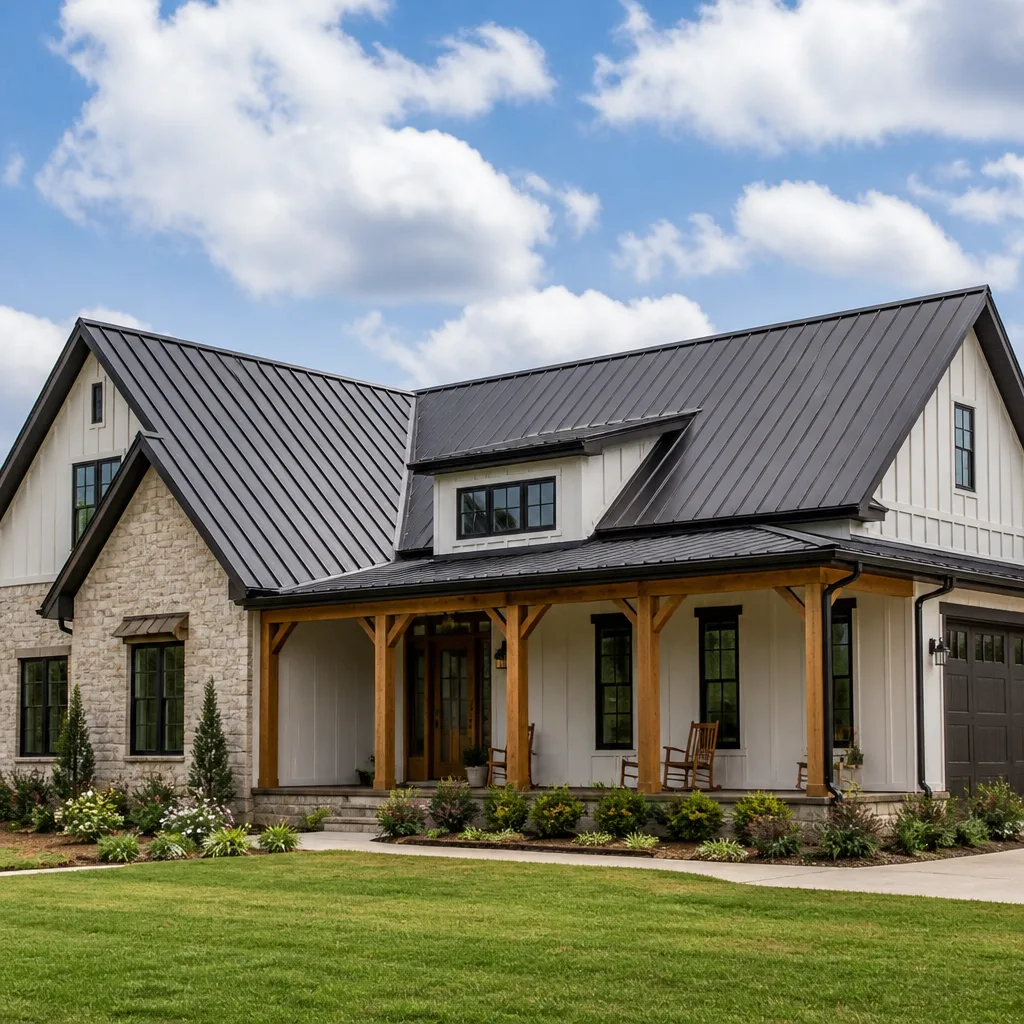 Metal roofing
 Tile roofing
 GAF
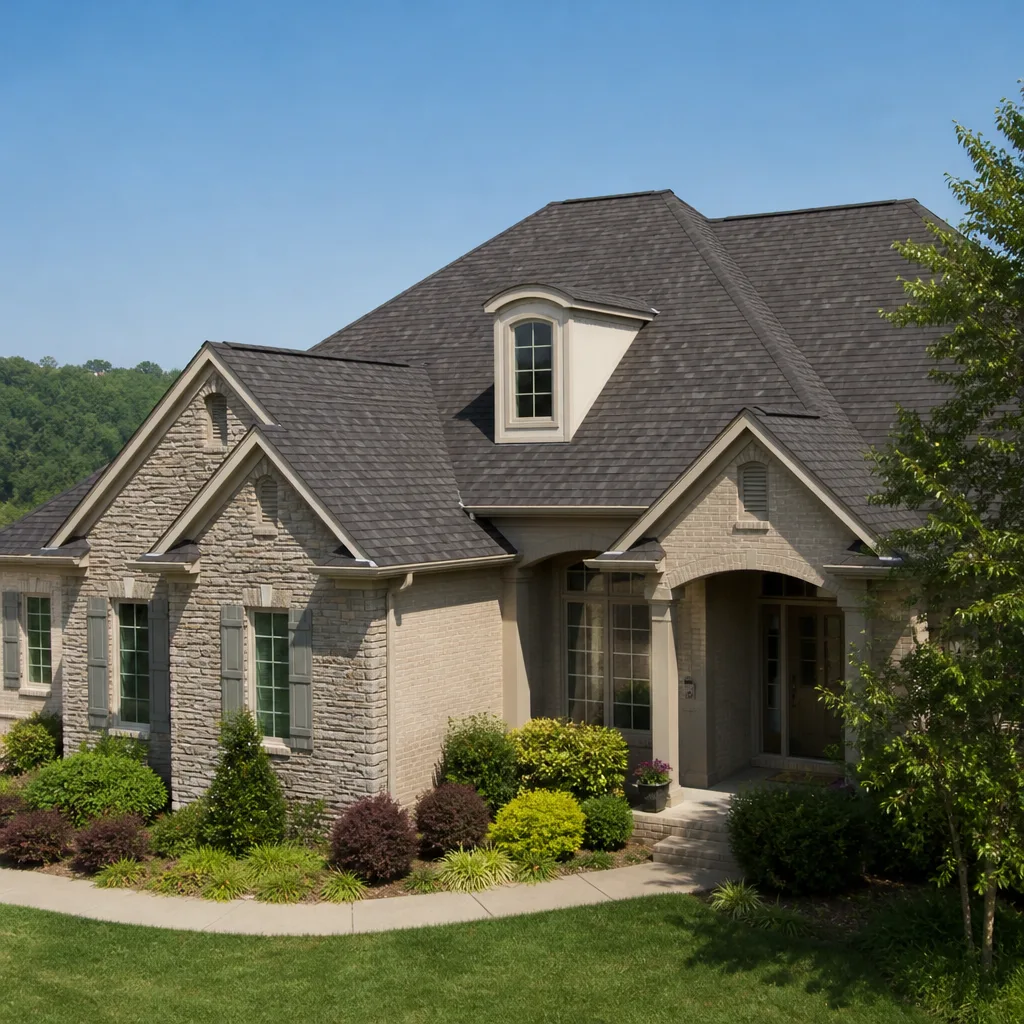 Owens Corning
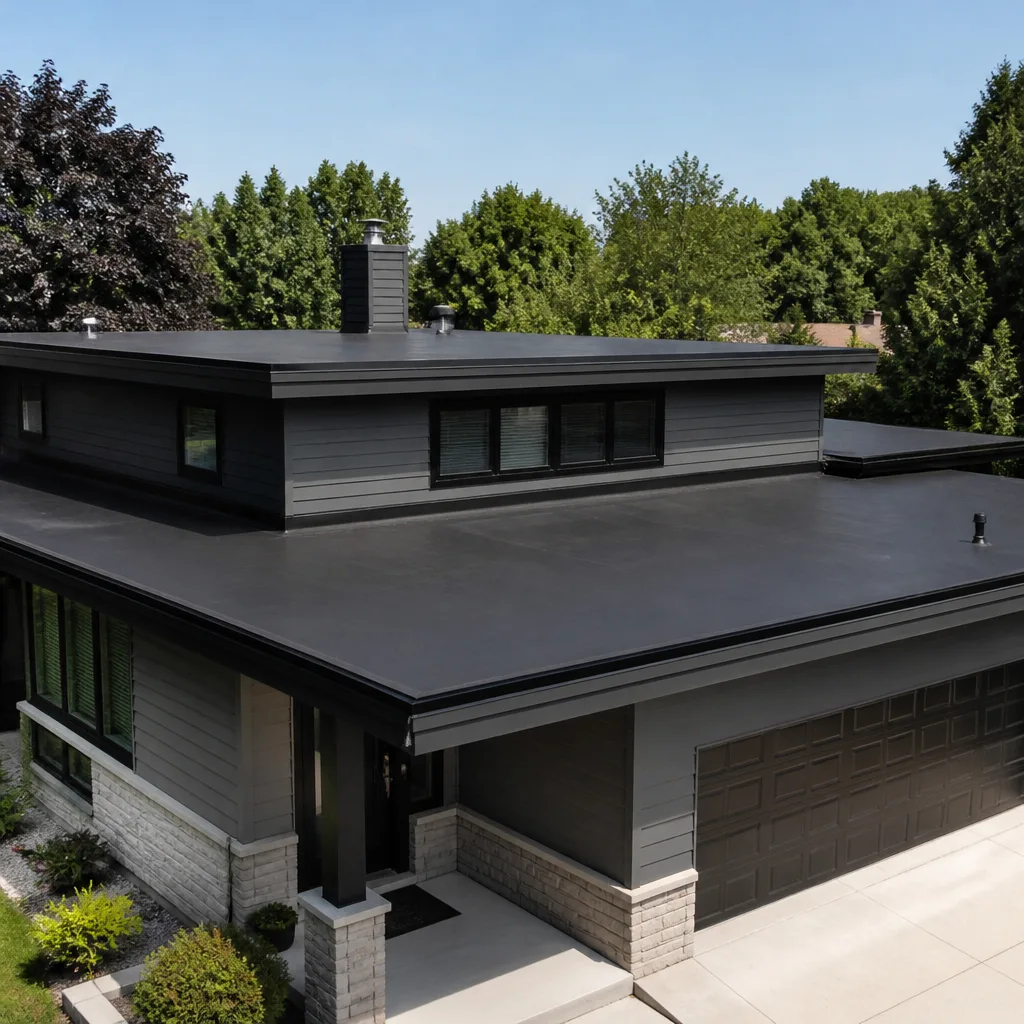 Flat & low-slope
Free roof inspection with deck photos before we talk money - GAF and Owens Corning certified installation
DIY vs Professional Roof Replacement & Installation: What’s Safe to Do Yourself
Here’s the part that surprises most homeowners: a roof you install yourself in Nevada can be perfectly insurable, pass a visual inspection, and keep the rain out for years. What it usually can’t do is qualify for the manufacturer’s material warranty or survive a buyer’s scrutiny at resale without a disclosure headache. In Enterprise, where roofs take a beating from desert sun and summer monsoon gusts, those consequences follow the house, not the person who did the work. This guide walks through what’s actually safe for a homeowner to handle, what isn’t, and the specific costs, code rules, and warranty terms that should drive your decision before you rent a dumpster.
Quick Answer
Minor roof work – patching a shingle, clearing a downspout, touching up flashing sealant – is safe and sensible for a careful homeowner. A full roof replacement is not a safe DIY project: it involves fall hazards, structural decking judgment, ventilation math, and permit and warranty requirements in Nevada that homeowner-installed work typically can’t satisfy. If more than a small section is failing, a licensed professional replacement is the safer, cheaper-over-time choice.
Styles & brands we work with
- Architectural shingles
- Metal roofing
- Tile roofing
- GAF
- Owens Corning
- Flat & low-slope
Table of Contents
- What roof work is actually safe to do yourself
- Nevada permits and licensing: what unpermitted work means at resale and for insurance
- How manufacturer warranties get voided by non-certified installation
- The real cost of a DIY replacement versus a professional bid
- The stages where professional installation adds non-negotiable value
- What to ask a contractor before signing a replacement contract
What Roof Work Is Actually Safe to Do Yourself?
The honest dividing line is whether a mistake will injure you or quietly rot the structure. Small surface tasks fall on the safe side. Anything that requires walking a pitch, lifting shingles at a valley, or judging whether decking is sound belongs on the other side.
Here’s a reasonable short list of what a careful homeowner can handle without worry:
- Clearing leaves and debris from gutters and downspouts from a stable ladder.
- Spotting and photographing damage from the ground with binoculars or a phone camera.
- Applying exterior sealant to a lifted edge of flashing where it’s already visible and reachable.
- Replacing a single cracked shingle on a low, gently sloped porch roof, if you can stand safely and the surrounding field is intact.
- Checking attic-side signs of leaks after a storm – water stains, daylight through the roof deck, damp insulation.
What we don’t recommend is anything that puts you on a steep slope or requires judgment about the roof’s structure. A licensed contractor carries fall protection, knows what a soft deck feels like underfoot, and can tell whether a leak is coming from a nail pop or a failing underlayment seam. In our experience across Enterprise, the small “fix it myself” jobs turn into a full-replacement bill more often than not, because the real problem was never the shingle you saw.
Nevada Permits and Licensing: What Unpermitted Work Means at Resale and Insurance
Nevada requires a permit for most roof replacements, and licensed contractors are required to pull it. That permit triggers an inspection – which means a jurisdiction review of the installation. Homeowner-installed replacement that skips the permit is a legal gray area that shows up at the worst possible moment: when you sell the house.
Here’s how the consequences stack up:
- Resale disclosure. Nevada sellers must disclose known material defects and unpermitted work. A buyer’s inspector will flag a homeowner-installed roof the moment they see missing permit records, and that can stall a closing or force you into a price concession.
- Insurance underwriting. Many carriers will insure a homeowner-installed roof, but the claim process gets harder. Some policies require inspections or exclude damage tied to improper installation, and coverage disputes after a storm can hinge on whether the roof was code-compliant.
- Code drift. Clark County building codes update. A roof installed today without a permit or inspection may not meet the ventilation and fastening standards a professional crew would follow, and there’s no record it was ever done right.
- Structural liability. If unpermitted work causes water damage or a collapse, the burden of proof falls on the homeowner in a claim.
The permit isn’t paperwork theater. It’s the legal record that the roof was done to standard, and in Enterprise it’s part of what makes a house sellable and insurable.
How Manufacturer Warranties Get Voided by Non-Certified Installation
This is the point most homeowners discover after the fact. The shingles on the shelf at a big-box store may carry a limited warranty, but a manufacturer like GAF, CertainTeed, or Owens Corning typically offers its strongest coverage only when the roof is installed by a certified or authorized contractor. That’s not fine print – it’s the entire structure of the material warranty.
The difference matters because:
- Standard coverage on a self-installed roof is often far shorter, sometimes ten to fifteen years versus a limited-lifetime warranty from a certified installer.
- Coverage for labor and workmanship is almost always tied to a professional’s written guarantee, not the material alone.
- Some warranties exclude damage from improper ventilation, incorrect flashing, or failure to follow installation guidelines – exactly the areas a homeowner is most likely to get wrong.
- Transferability to a new homeowner is often conditional on certified installation.
A roof installed by a certified contractor using manufacturer-approved materials and following the published installation method is what unlocks the warranty. In Enterprise, we install from seven manufacturer lines specifically so we can match the right product and certification to each home. The warranty isn’t decoration – it’s the document that pays out ten years from now.
The Real Cost of a DIY Replacement Versus a Professional Bid
Homeowners often compare the contractor bid to the price of a shingle bundle and conclude they’re saving thousands. That math misses the tools, disposal, safety gear, and permit costs – plus the value of your own time, often a week or more of weekends on a 2,000-square-foot roof.
A realistic breakdown of what a homeowner actually spends:
- Materials: Shingles, underlayment, flashing, drip edge, ridge cap, and fasteners – comparable to a contractor’s material cost.
- Rentals: Dumpster (typically several hundred dollars), nail gun, compressor, and scaffolding or ladder equipment.
- Safety gear: Harness, anchor points, roofing boots, gloves, and eye protection – a few hundred dollars and easy to under-buy.
- Permit: Pulled under the homeowner’s name, with inspection fees.
- Disposal fees: Tear-off waste is heavy; landfill fees and hauling add up.
- Time and risk: Lost weekends, injury exposure, and any re-do costs from mistakes.
What a professional bid includes that the DIY ledger doesn’t:
- Licensed labor with worker’s compensation, so an injury on your property isn’t your liability.
- Deck inspection and replacement of soft or rotted sheathing.
- Ventilation calculation to code.
- Manufacturer-certified installation with a written workmanship guarantee.
- Permit pulled in the contractor’s name and inspection passed.
- Cleanup and haul-away of all materials.
On a typical Enterprise home, the labor portion of a professional replacement is a significant share of the bid – and it’s the part that buys the warranty, the permit, and the insurance. When you run the numbers honestly, the gap between DIY and professional is much smaller than it looks from the shingle aisle. For a line-item comparison of what a full replacement runs here, see our Roof Replacement & Installation in Enterprise page.
The Stages Where Professional Installation Adds Non-Negotiable Value
Three stages of a replacement demand licensed judgment. Skimp on any one and the roof fails long before the shingles wear out.
- Deck assessment. After tear-off, a contractor inspects every sheet of sheathing for rot, delamination, or water damage. A soft deck means the fasteners won’t hold and the roof moves under wind load. Homeowners rarely have the eye or the tools to make this call, and replacing bad decking after the shingles are down is a tear-off and a re-do.
- Ventilation calculation. Proper attic ventilation is math, not guesswork: the balance between intake (soffit) and exhaust (ridge or static vents) determines whether your attic dries out. In Enterprise’s heat, poor ventilation is a top cause of premature shingle failure and ice-dam-style moisture issues even in a warm climate. Manufacturers publish the required ratios, and a warranty can be voided if ventilation is insufficient.
- Flashing integration. Flashing at chimneys, sidewalls, valleys, and penetrations is where most roof leaks start. Getting the layers and the metal correct – and compatible with the shingle manufacturer’s published method – is one of the clearest areas where certified installation matters and unpermitted DIY work fails first.
We’ve seen roofs in Enterprise with twenty-year-old shingles that were fine and five-year-old roofs that were failing, and the difference was almost always the quality of these three stages. If the core roof structure and ventilation work are already done, most other tasks can be handled as repairs down the line.
What to Ask a Contractor Before Signing a Replacement Contract
A well-qualified contractor will answer these questions without hesitation. If any answer is vague or evasive, that’s the signal to walk.
- Can you show me your Nevada contractor’s license and verify it’s active?
- Are you licensed and insured for roof replacement specifically – and can I see a certificate of insurance for general liability and worker’s compensation?
- Are you a certified or authorized installer for the shingle manufacturer, and which warranty will the installation qualify for?
- Will you pull the permit, and what is the inspection process?
- Do you provide a written, itemized estimate that includes decking, ventilation, and flashing, not just shingle labor?
- Do you offer a written workmanship guarantee, and what does it cover?
- What happens if the price changes after work begins, and what could trigger that?
- Can you provide recent local references with the same roof type as mine?
We’ve been standing behind local roofs since 1984, and our answers to every one of these questions are built into how we work: certified installation across seven manufacturer lines including GAF and CertainTeed, a written 90-Day Done Right Promise, permits pulled and inspections passed, and a live person who answers the phone every time. For a broader look at repair versus replacement, our Roof Repair in Enterprise page covers when a repair is the right call instead. For specialty roof systems like tile or flat profiles, see Specialty Roofing in Enterprise.
Common Mistakes to Avoid
- Skipping the permit because a helpful neighbor says you don’t need one. Unpermitted work in Enterprise can derail a sale or an insurance claim years later; the permit record is the proof the work was done to standard.
- Buying retail shingles and assuming the manufacturer warranty covers you. Most strong material warranties require a certified installer; self-installed roofs often fall back to minimal coverage.
- Laying new shingles over old ones to save on disposal. This hides deck rot, traps heat in Enterprise’s summer sun, and can void the warranty. Most manufacturers don’t approve it.
- Leaving ventilation ratios to chance. Attic heat build-up is one of the fastest ways to age a new roof in Nevada; if the intake and exhaust don’t balance, the shingles fail early.
- Doing the tear-off alone or with a friend who “has done a little roofing.” Falls are the number-one roofing injury, and a slip on a steep pitch is not something a careful homeowner recovers from quickly.
- Skipping flashing at a chimney or valley because it looks “close enough.” Flashing is the first leak point, and re-doing it after shingles are on means tearing off the recent work.
- Hiring someone who shows up after a monsoon and offers to “start this afternoon.” Storm chasers rarely have a local license or a written guarantee; they’re gone before the next storm.
See the difference
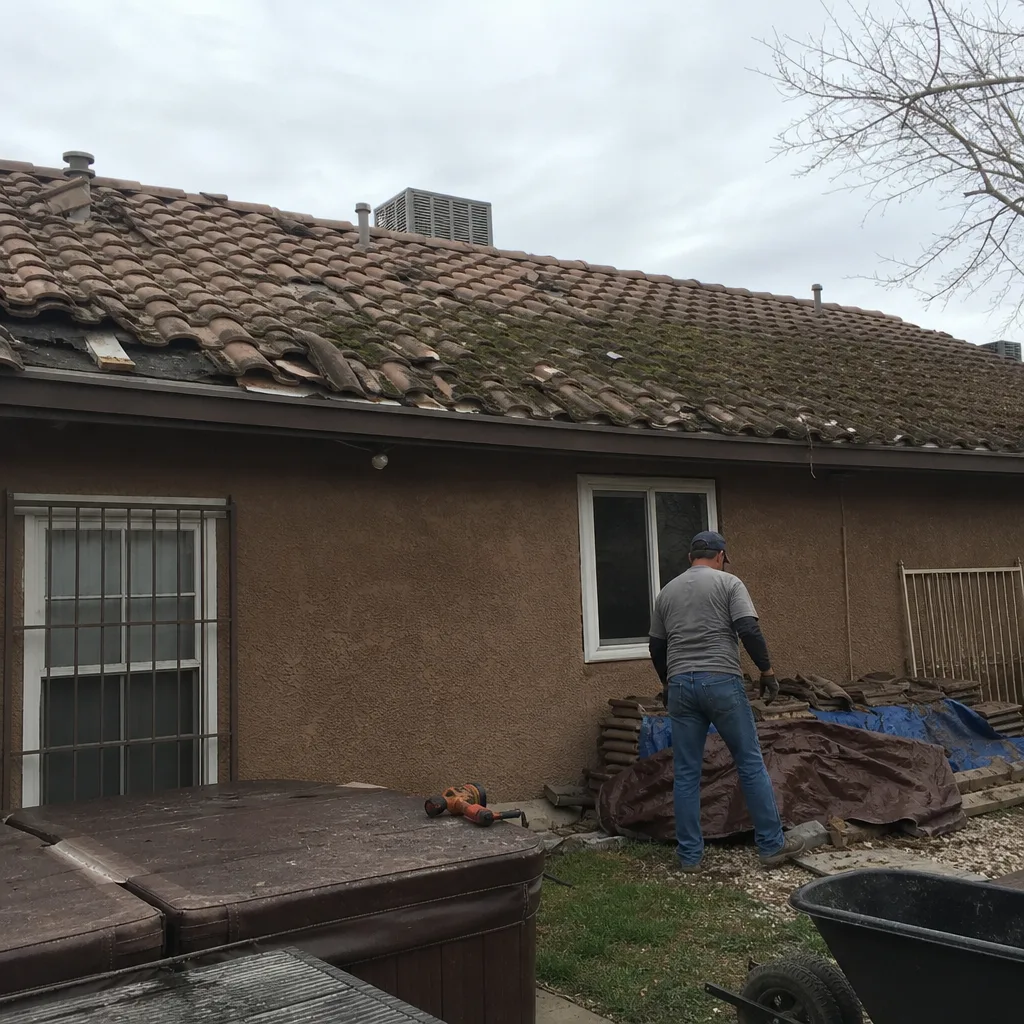 Before
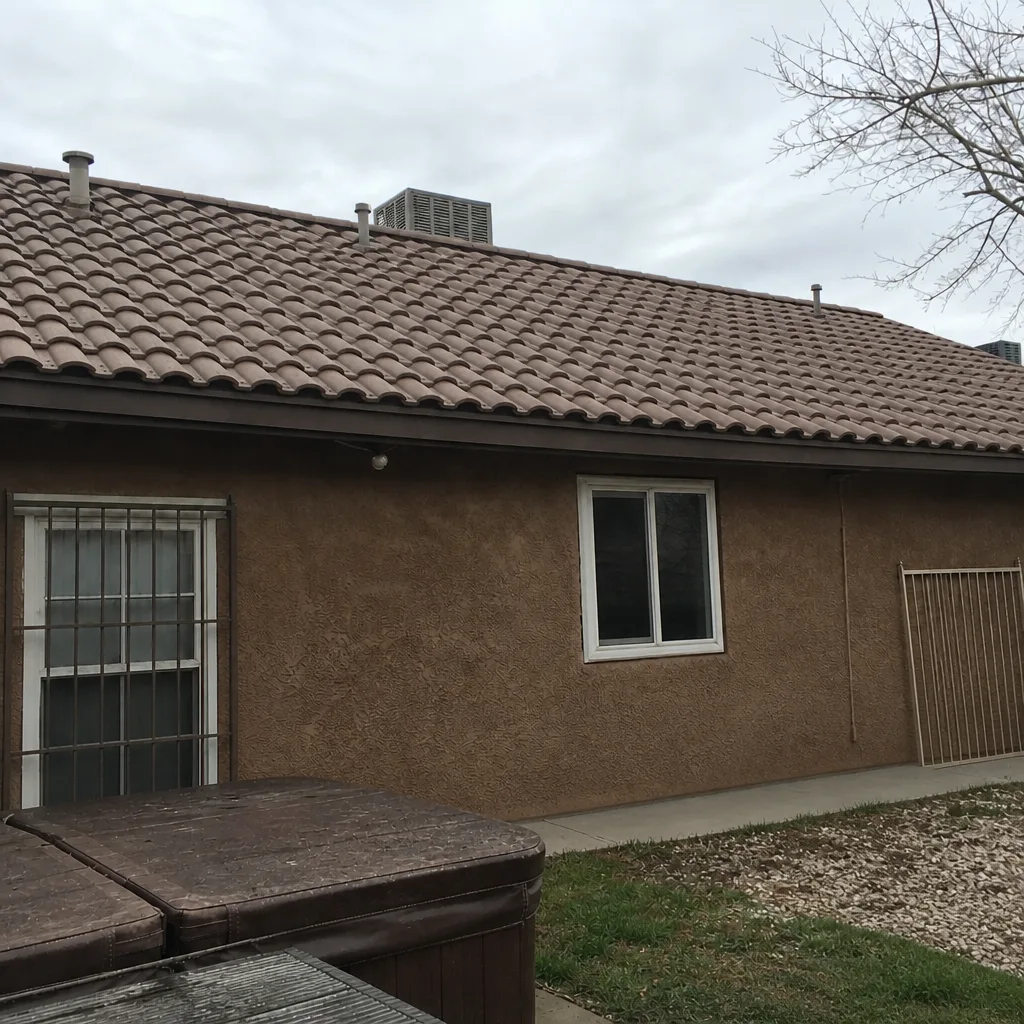 After
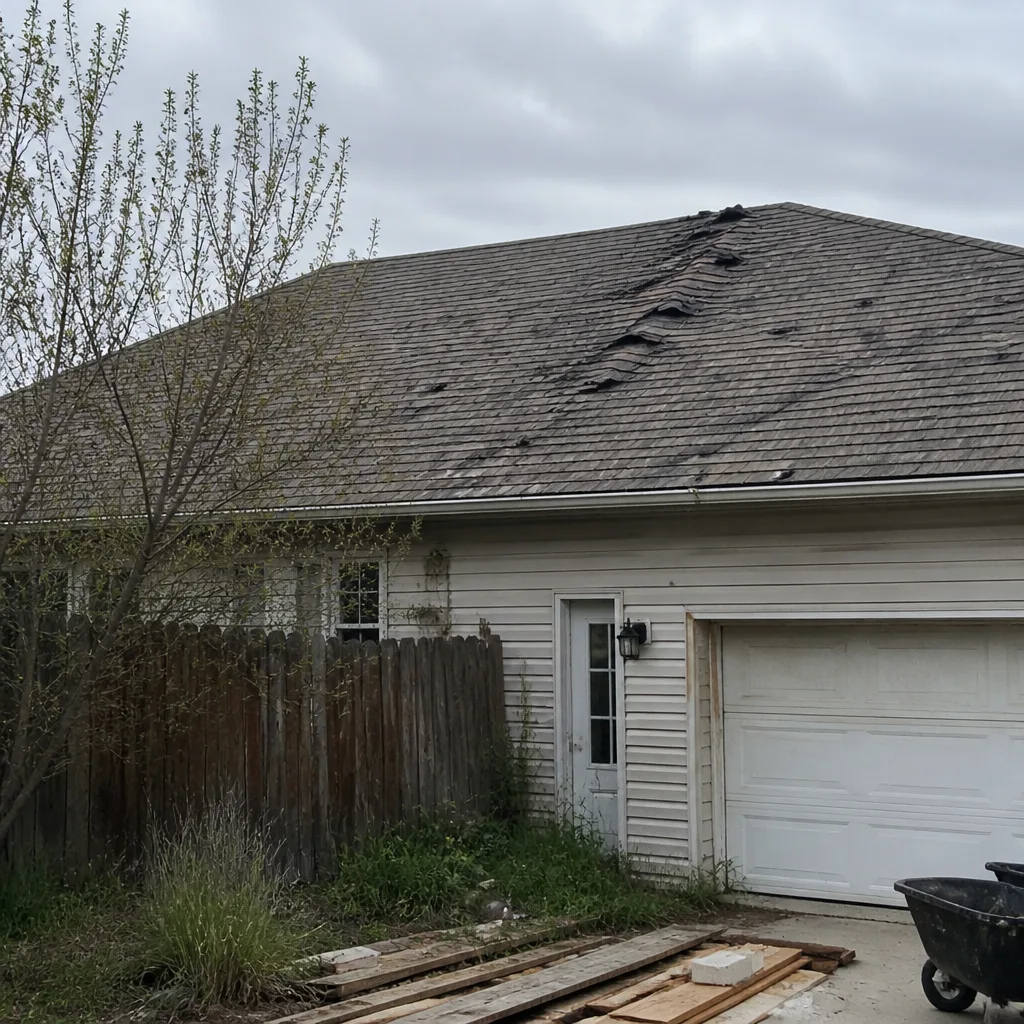 Before
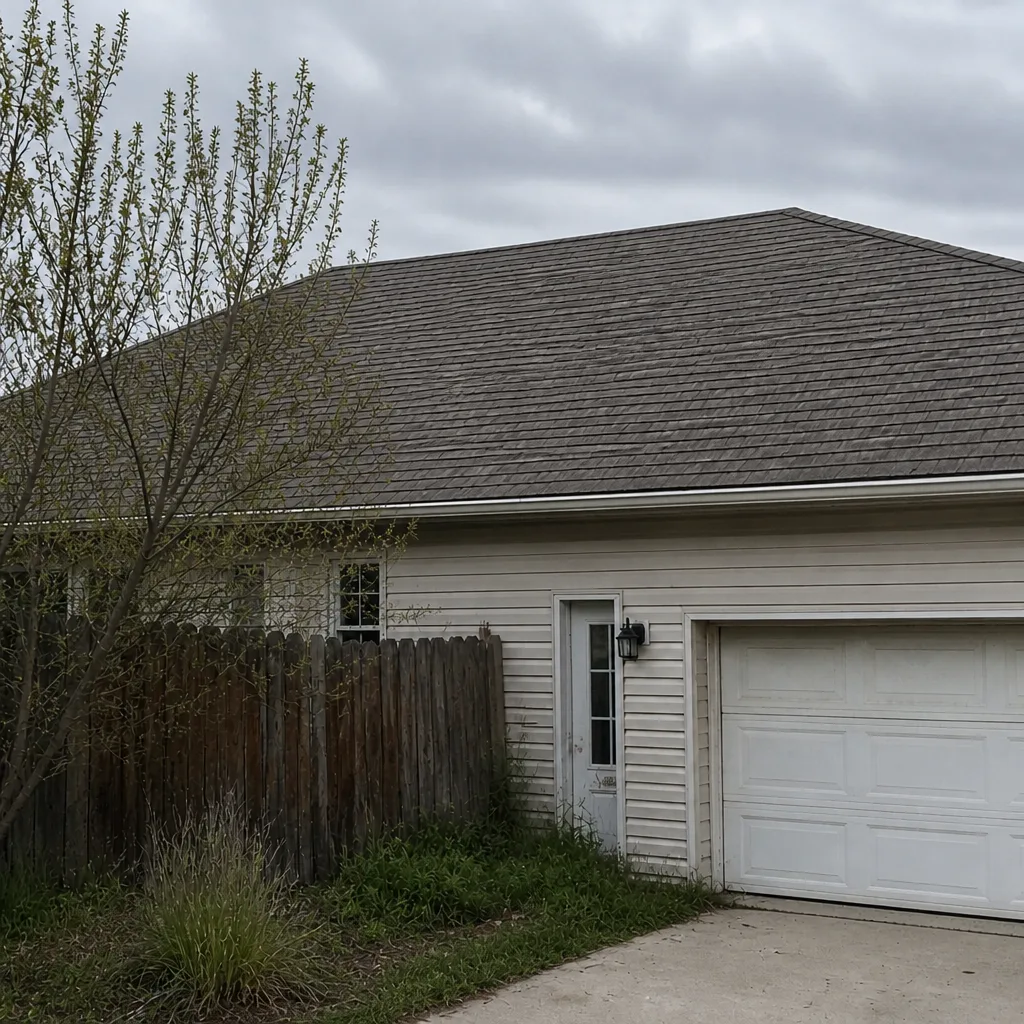 After
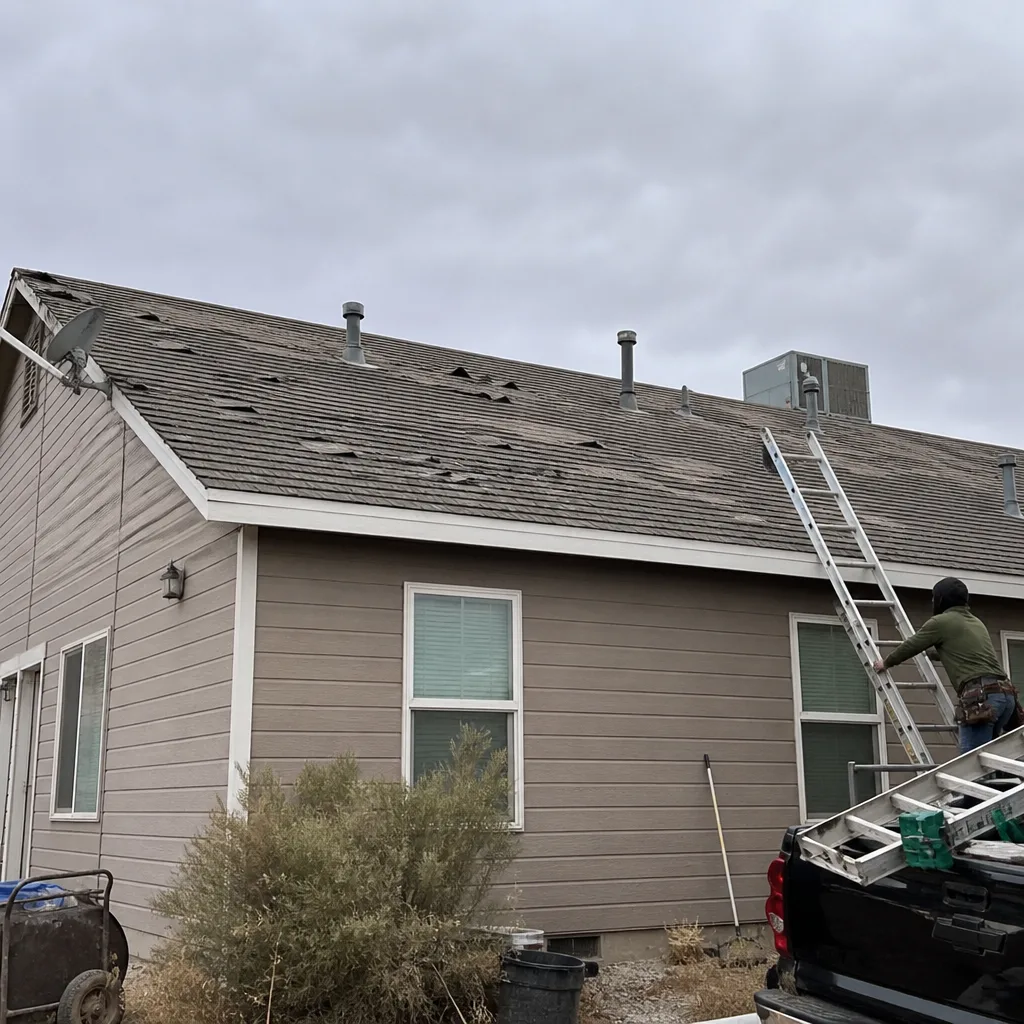 Before
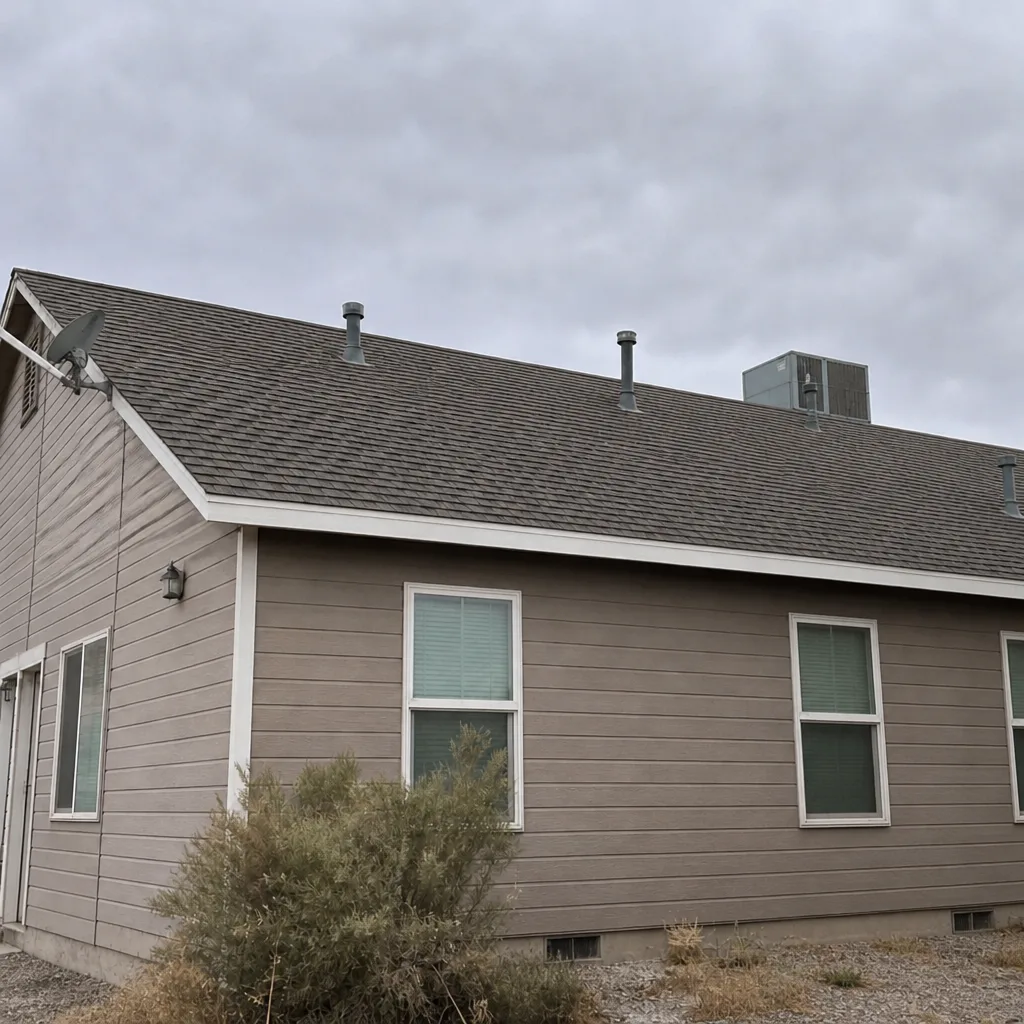 After
When to Call a Professional
Call a licensed roofing professional when any of the following applies: the roof is over 15 to 20 years old and showing widespread granule loss or curling; more than one room has seen a leak this season; you can see sagging, daylight, or damp sheathing from the attic; the work involves a slope steeper than you can safely walk; the job requires a permit, which a full replacement almost always does; or the roof is part of a home sale in the next few years. For anything beyond a small surface repair, the value of licensed, permitted, warranted work outweighs the savings of doing it yourself. Ridgeline Roofing Co. offers free estimates in Enterprise – call (844) 228-4119. Our inspections are photo-documented from your actual roof, and the estimate you get is the price you pay.
Frequently Asked Questions
Usually no. A full replacement involves fall hazards, deck and ventilation judgment, permit requirements, and manufacturer warranty terms that a homeowner-installed roof typically doesn’t satisfy. For small repairs, DIY is reasonable; for replacement, licensed work is the safer, cheaper-in-the-long-run choice.
Unpermitted work becomes a disclosure issue at resale, can complicate an insurance claim, and leaves no inspection record proving the roof was done to code. In Enterprise, that can stall a closing or force a price concession. The permit is the legal record that the work is compliant.
In most cases, yes – at least for the strongest coverage. Manufacturers like GAF, CertainTeed, and Owens Corning tie their best material and labor warranties to certified installation. A self-installed roof usually falls back to shorter, limited coverage or none.
The gap is smaller than most homeowners expect. A DIY replacement still requires materials, a dumpster, tool rentals, safety gear, permits, and disposal – plus your weekends and injury risk. A professional bid adds the licensed labor that buys the permit, inspection, and warranty. Call (844) 228-4119 for a free, itemized estimate; we’ll walk through where the numbers actually go.
Small, surface-level fixes – sealing a lifted flashing edge, clearing gutters, replacing a single shingle on a low porch roof – are reasonable for a careful homeowner. The moment the work requires climbing a steep slope, lifting shingles at a valley, or judging decking condition, it’s time to call a professional.
Ask for proof of active Nevada licensing, insurance (general liability and worker’s compensation), manufacturer certification, the permit process, a written itemized estimate, a written workmanship guarantee, and recent local references. A qualified contractor will answer all of these without hesitation. Ridgeline Roofing Co. Enterprise pulls permits, installs certified manufacturer systems, and backs every job with the written 90-Day Done Right Promise.
The Bottom Line
A homeowner-installed roof in Enterprise can keep out the rain – but it can’t qualify for the strongest manufacturer warranty, leaves no permit record for resale or insurance, and provides no written workmanship guarantee. Small surface repairs are safe to handle yourself. Full replacement is where the risks and the consequences outweigh the savings. If you’re within a decade of selling or insuring the home, the licensed, permitted, warranted path is the one that protects the house. Ridgeline Roofing Co. answers the phone 24/7 with a live person, provides free photo-documented inspections, and gives you a square deal: the price on the estimate is the price on the invoice.
Call (844) 228-4119 for a free written estimate on your Enterprise roof. If you’re weighing repair against replacement, our Ridgeline Roofing Co. Enterprise home page is the place to start.
Written by the team at Ridgeline Roofing Co. Enterprise.