
Last updated November 18, 2026
 Metal roofing
 Architectural shingles
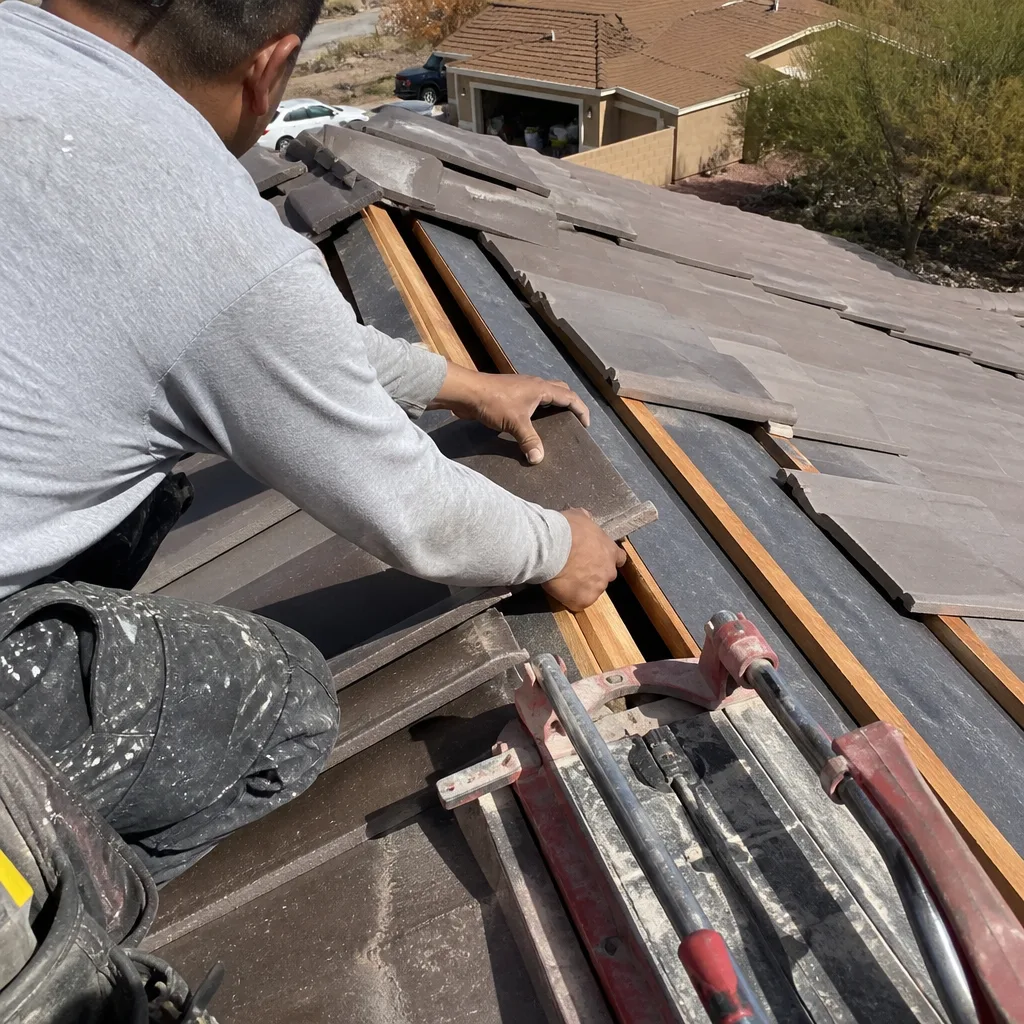
 Tile roofing
 GAF
 Owens Corning
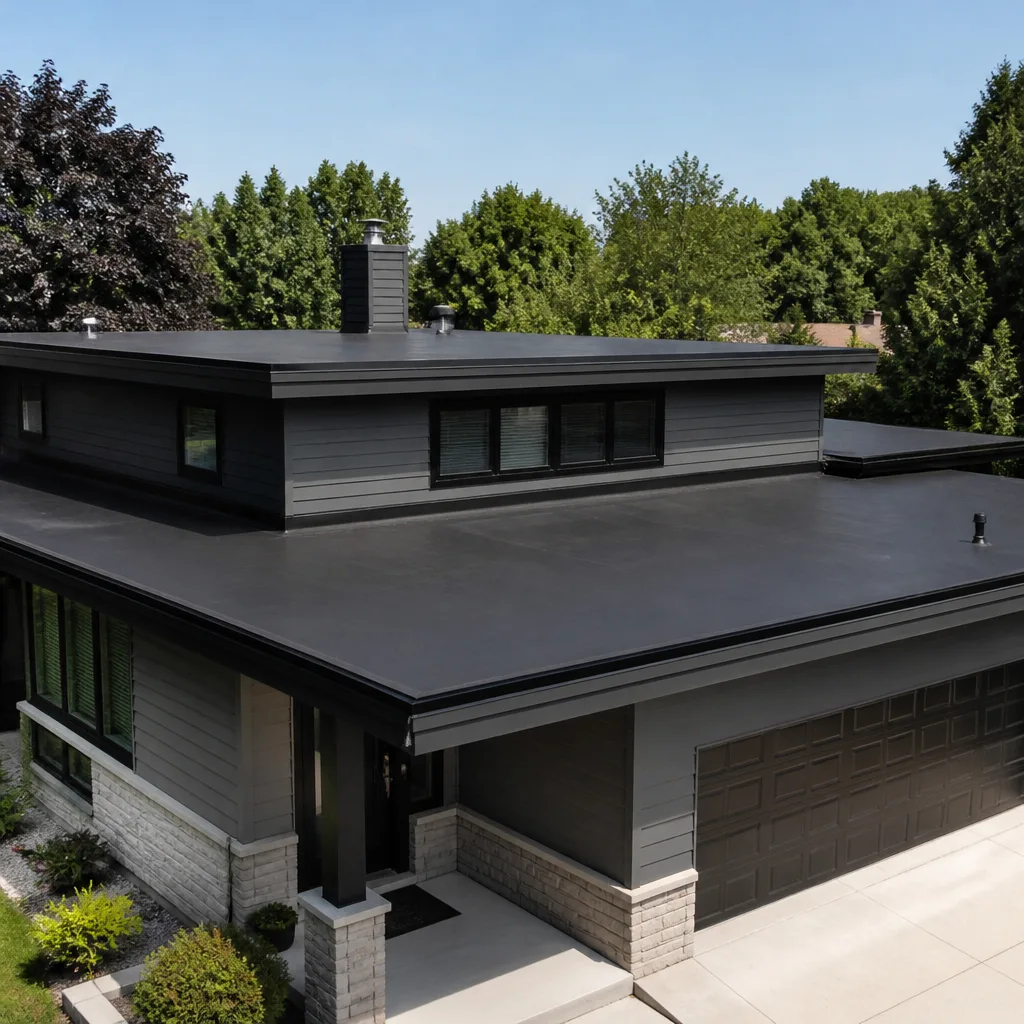 Flat & low-slope
Free roof inspection with deck photos before we talk money - GAF and Owens Corning certified installation
Specialty Roofing Warning Signs Every Homeowner Should Know
A brown water stain on the ceiling is the last warning sign on a foam roof. By the time it appears, the membrane has been breached long enough that the substrate beneath may already be compromised. That is the trap with specialty systems. Homeowners who know shingle warning signs – the curling tab, the granule bald spot, the missing shingle in the yard – often walk past the early indicators that matter on tile, metal, and foam. Those systems fail differently, more quietly, and often from underneath. We’ve climbed enough specialty roofs in Enterprise to know the difference between a cosmetic worry and a real problem. This guide maps the signs from first to worst, so you can catch a specialty roof issue before it becomes a full replacement.
Quick Answer
Specialty roofing warning signs show up in three stages: early (chalking, fastener movement, small surface changes), middle (lifted seams, displaced ridge caps, condensation on decking), and late (interior staining, sagging, daylight at the eaves). On metal, foam, and tile roofs, the most useful early clues are found from the ground or in the attic – not on the surface. Catching a middle-stage sign usually means a repair. Waiting for a late sign usually means a replacement.
Styles & brands we work with
- Architectural shingles
- Metal roofing
- Tile roofing
- GAF
- Owens Corning
- Flat & low-slope
Table of Contents
- Why Specialty Roofs Fail Differently Than Shingles
- Early Warning Signs: What You Can Spot Before Damage Spreads
- Middle Warning Signs: When a Repair Still Makes Sense
- Late Warning Signs: When the Problem Has Gone Too Far
- Attic-Side Indicators That Beat Surface Clues
- The Tile Warning Sign Homeowners Walk Past
- A Practical Ground-Level Guide for After a Storm
- How Enterprise’s Climate Speeds Up the Clock
Why Specialty Roofs Fail Differently Than Shingles
Shingle roofs fail in plain sight. The asphalt wears, the granules shed, the tabs curl. You can see the aging from the street, and that visible wear is a fair signal that the roof is nearing the end of its service life. Specialty systems don’t work that way. Metal, tile, and foam are built to last longer than shingles, and their surfaces often keep looking sound long after the layers underneath have started to give. That lag between surface appearance and actual condition is what trips homeowners up.
Each specialty material fails along its own path:
- Metal roofs fail at the fasteners and seams first. Thermal movement works screws loose, and once a seam lifts, wind gets underneath. The panels themselves may be fine while the attachments are failing.
- Tile roofs fail at the flashings and ridge caps before the field tile. The tile is the durable part; the pieces that hold water out at the edges and ridges are where trouble starts.
- Foam roofs fail at the coating layer before the foam itself. Sun breaks down the protective coating, and once it’s gone, the foam degrades quickly underneath.
The common thread: on every specialty system, the failure starts somewhere you can’t easily see. That is why a specialty roof in Enterprise deserves a different kind of attention than a shingle roof. You’re not watching for visible wear. You’re watching for the small signals that precede it. If you want a straightforward comparison of how each system holds up, our Specialty Roofing in Enterprise page breaks down the materials we install and service most often.
Early Warning Signs: What You Can Spot Before Damage Spreads
Early warning signs are subtle, and most homeowners miss them because they don’t look like roof problems yet. On a shingle roof, early wear is obvious. On a specialty system, the earliest clues are changes in texture, color, or fit – not gaps or stains. Here is what to look for in Enterprise, material by material.
- Chalking on a foam roof. A fine white powder on the surface is UV oxidation. The coating is breaking down. If you can rub chalk off with your hand, the protective layer is thinning.
- Small surface bubbles or blisters on foam. These are places where the coating has let go of the foam underneath. They look minor. They let water in.
- Loose or backed-out fasteners on metal. Look along the panel lines from the ground on a bright day. If screws are standing taller than their neighbors, they’ve backed out. Thermal cycling does this, and it’s invisible until it isn’t.
- Minor lifting at metal seams. A seam that doesn’t sit flat is the beginning of a wind problem. Catch it early and it’s a tightening job.
- Slight color variation on tile. One patch looking different from the rest can signal moisture held underneath, or a tile that’s cracked and letting water sit.
The thread that ties these together is that they are all cosmetic-looking. That’s exactly why they get ignored. In our experience with specialty roofs around Enterprise, the early signs are almost always noticed and then dismissed – and by the time they’re taken seriously, they’ve moved into the middle stage. If you’re not sure whether a mark on your roof is early-stage wear or just weather, a documented inspection is the fastest way to know.
Middle Warning Signs: When a Repair Still Makes Sense
Middle-stage signs are the ones that mean “get this looked at soon, but you’re probably still looking at a repair, not a replacement.” They’re also the signs where a homeowner’s instinct to wait is most costly. A middle-stage problem caught in the spring is usually a repair. The same problem caught after a summer of thermal cycling in Enterprise can be a replacement. Here’s what the middle stage looks like.
- A visible crack in the foam coating. This is past chalking. The coating has failed locally and water is reaching the foam. A small crack can usually be cleaned, patched, and recoated.
- A lifted metal seam that stays lifted. Once a seam has lifted and stayed up through a few temperature swings, it’s a wind entry point. Seams can be re-secured and sealed – but not indefinitely.
- Displaced ridge caps on a tile roof. A ridge cap that’s slid out of position is the most common water entry point in tile systems. It looks cosmetic. It isn’t. We’ve covered this in detail below.
- Condensation forming on the attic decking. On a metal roof especially, moisture on the underside of the sheathing signals a ventilation or barrier problem that will shorten the roof’s life.
- Small daylight gaps at the eaves or penetrations. If you can see light in the attic where you shouldn’t, the envelope has opened somewhere.
The key distinction between early and middle is whether the problem has a place to let water in. Chalking and minor color variation don’t. A crack, a lifted seam, a displaced ridge cap, or a daylight gap do. That’s the line. Once a specialty roof in Enterprise crosses into the middle stage, the clock is running. A repair done at this stage is a fraction of the cost of addressing the same problem after water has reached the decking.
Late Warning Signs: When the Problem Has Gone Too Far
Late signs are the ones that show up inside the house. A water stain on the ceiling, a soft spot, or a sagging line where the roof should be flat. By the time you see these, the roof has been leaking long enough that the decking and possibly the framing beneath have taken on water. On specialty systems this is worse than on shingles, for a straightforward reason: specialty materials hide their failures longer. A shingle roof would have shown the missing shingle months ago. A foam roof that’s been leaking all winter may show nothing inside until a rainy week in Enterprise finally pushes the stain through the drywall.
Late-stage signs include:
- Interior staining on ceilings or walls. Any brown ring or discoloration is a leak that’s been running for a while.
- Soft spots on the ceiling or in the attic decking. Soft wood means rot. Rot means the repair is no longer just roofing.
- Sagging in the roofline. Visible sag is a structural signal. Get it looked at now.
- Widespread foam delamination. If the foam itself has pulled away from the decking across a broad area, recoating won’t fix it.
- Multiple tile breaks across a large area. A few broken tiles are a repair. Widespread breakage after a hail event in Enterprise can mean the tile bed has lost its adhesion.
At this stage, the conversation shifts from repair to replacement. That’s not a scare tactic – it’s what we see on the ridge, where the roof either holds or it doesn’t. If you’re at this point, the honest answer is usually that a replacement is the square deal, and a patch would only buy a season. Our Roof Replacement & Installation in Enterprise page covers what that job involves and what to expect from the estimate.
Attic-Side Indicators That Beat Surface Clues
Here’s something most homeowners never hear: on a specialty roof, the attic tells you the story before the surface does. We’ve found early-stage problems in attics on roofs that looked fine from the driveway. The attic is where heat, moisture, and light behave in ways the roof surface hides. If you’re going up there once or twice a year – or having someone check – you’ll catch things months before a stain shows up downstairs.
What to look for in the attic, in order of how early they show:
- Rising attic temperatures. If the attic is noticeably hotter than it used to be in summer, the roof’s ventilation or barrier has changed. A hot attic bakes the decking.
- Condensation on the underside of the decking. Damp sheathing, especially in the morning, signals a moisture problem that will shorten the roof’s life.
- Daylight at the eaves or penetrations. Any visible light means an opening. On a specialty roof, a small opening is the beginning of a big one.
- Water marks on rafters or decking. These are earlier than ceiling stains because the water hasn’t made it through the drywall yet.
- Discolored insulation. Insulation that’s been wet stays discolored. It’s a record of leaks you might otherwise miss.
If any of these show up, it’s worth a professional look. Our Roof Repair in Enterprise service is built around documenting exactly what’s happening up there with photos from your actual roof – not a speech in the driveway.
The Tile Warning Sign Homeowners Walk Past
A displaced or broken ridge cap is the most common water entry point on a tile roof, and it’s the sign homeowners walk past most. Ridge caps look decorative. They’re the tiles sitting along the peak of the roof, and they cover the most vulnerable line in the entire tile system – the ridge where the two slopes meet. When one slides, cracks, or lifts, water runs straight underneath the field tile and along the ridge. From the ground it can look like a minor cosmetic issue. From the attic, it’s the beginning of a leak.
What to watch for on the ridge:
- A ridge cap sitting crooked. Any cap that’s out of line with its neighbors has moved.
- A missing cap. An obvious gap along the ridge is a direct water path.
- Cracked or chipped caps. Even a hairline crack lets water in.
- Mortar or foam crumbling at the ridge line. The material that holds caps in place ages out and needs re-bedding.
Ridge cap problems are usually a repair, and when caught early they’re a modest one. On a tile roof in Enterprise, a ridge cap failure that goes through a rainy season can cost several times what it would have a few months earlier. The fix is straightforward: re-seat or replace the affected caps, re-bed them properly, and confirm the ridge is watertight. This is the kind of early intervention that keeps a tile roof in service for decades. An experienced technician recognizes the pattern quickly; our technicians bring up to 10 years of experience to every inspection.
A Practical Ground-Level Guide for After a Storm
You don’t need to get on the roof to check for most of the early and middle-stage signs. Here’s a ground-level walkthrough we recommend after any significant storm in Enterprise. It takes about ten minutes and catches most of what matters.
- Walk the perimeter of the house and look up at the ridge line. Any tile cap that’s crooked, missing, or out of line with its neighbors is worth noting.
- Check the fasteners along metal panels on a bright day. Look for screws standing taller than their neighbors, or seams that don’t sit flat.
- Look at the foam surface color. Uneven texture, white chalking, or small bubbles are early signs.
- Scan for anything on the ground. Fallen screws, tile fragments, or granules near the foundation mean something came off during the storm.
- Check the gutters and downspouts. If water ran where it shouldn’t, you’ll see debris or staining. Our Ridgeline Roofing Co. Enterprise home page covers how gutters and accessories fit into the whole system.
- Look in the attic if you can safely. Daylight, damp decking, or water marks are the earliest signs of all.
If any of these turn up something, call for a documented inspection. Our phones are answered by a live person around the clock, including nights, weekends, and the middle of a storm – no voicemail tree, no callback window. Call (844) 228-4119 and we’ll schedule a free estimate.
How Enterprise’s Climate Speeds Up the Clock
Specialty roofs in Enterprise face a specific set of pressures that shingle roofs elsewhere don’t. Our summers are long and hot, our winters still get cold nights, and the daily swing between them does real work on a roof. That swing is called thermal cycling, and it’s the single biggest driver of specialty roofing problems here. Metal panels expand in the afternoon heat and contract at night. Over a season, that movement is what backs out fasteners and starts lifting seams. The failure is in the attachments, not the metal, which is why a metal roof in Enterprise can look pristine while screws are walking out along the whole field.
The same climate hits foam differently. UV exposure here is strong, and a foam coating that’s already thinning will chalk and crack faster than the manufacturer’s timeline suggests. If your foam roof was coated a few years back and is starting to look powdery, that’s the UV doing its work. On tile, the dry summer and the occasional hard freeze at night can work mortar loose at the ridges and caps, which is exactly the water entry point discussed above.
We’ve also seen a pattern on specialty roofs across the neighborhoods here: the early signs show up in late spring, not fall. That’s because the roof has just been through a winter of moisture and the first hot weeks reveal the texture changes. If your roof is a specialty system and it’s been a few years, spring is the right season to look. Manufacturers like IKO, Atlas, and Tamko build materials that can handle our climate well – proper installation and inspection make the difference.
Common Mistakes to Avoid
- Treating a cosmetic-looking sign as cosmetic. A displaced ridge cap or a slightly lifted seam is the start of a leak, not a decoration problem. On a specialty roof, the ugly-looking problems are often less serious than the quiet ones.
- Checking only the surface. The attic tells you earlier than the roof does. Rising attic temps, condensation on decking, or daylight at the eaves should trigger an inspection even when the roof looks fine.
- Assuming a specialty roof means a long life with no attention. Tile, metal, and foam last longer than shingles, but they need eyes on them at the right moments. Ignoring a specialty roof in Enterprise for a decade is how a small repair becomes a replacement.
- Calling a storm-chasing crew after every wind event. A truck from out of state won’t be around next spring. The sign of trouble is worth a call to a local company that will.
- Hiring on price alone. The lowest bid on a specialty roof repair usually means the wrong fasteners, the wrong sealant, or a patch that fails by the next rain.
- Waiting for the interior stain. By the time water shows on your ceiling, the decking has been wet long enough that the fix has grown. On specialty roofs, the stain is the end of the story, not the beginning.
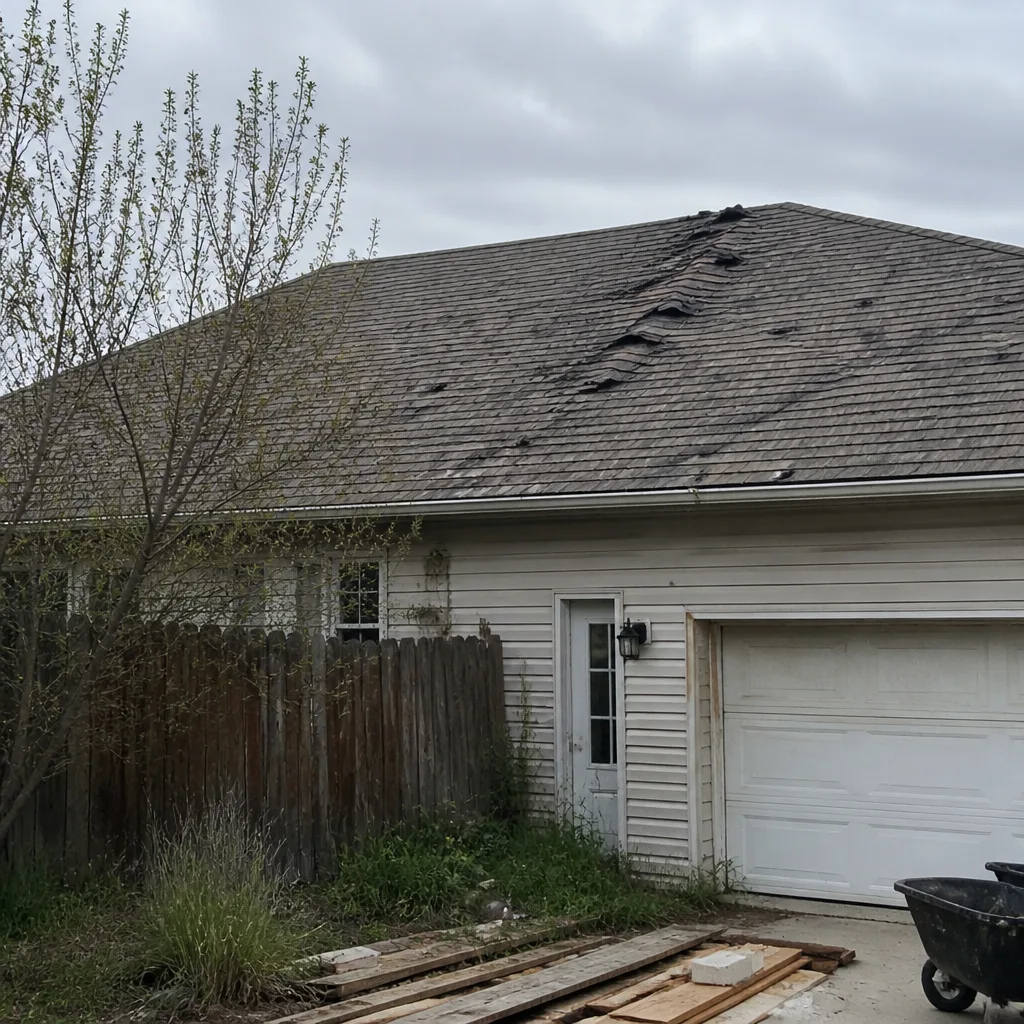
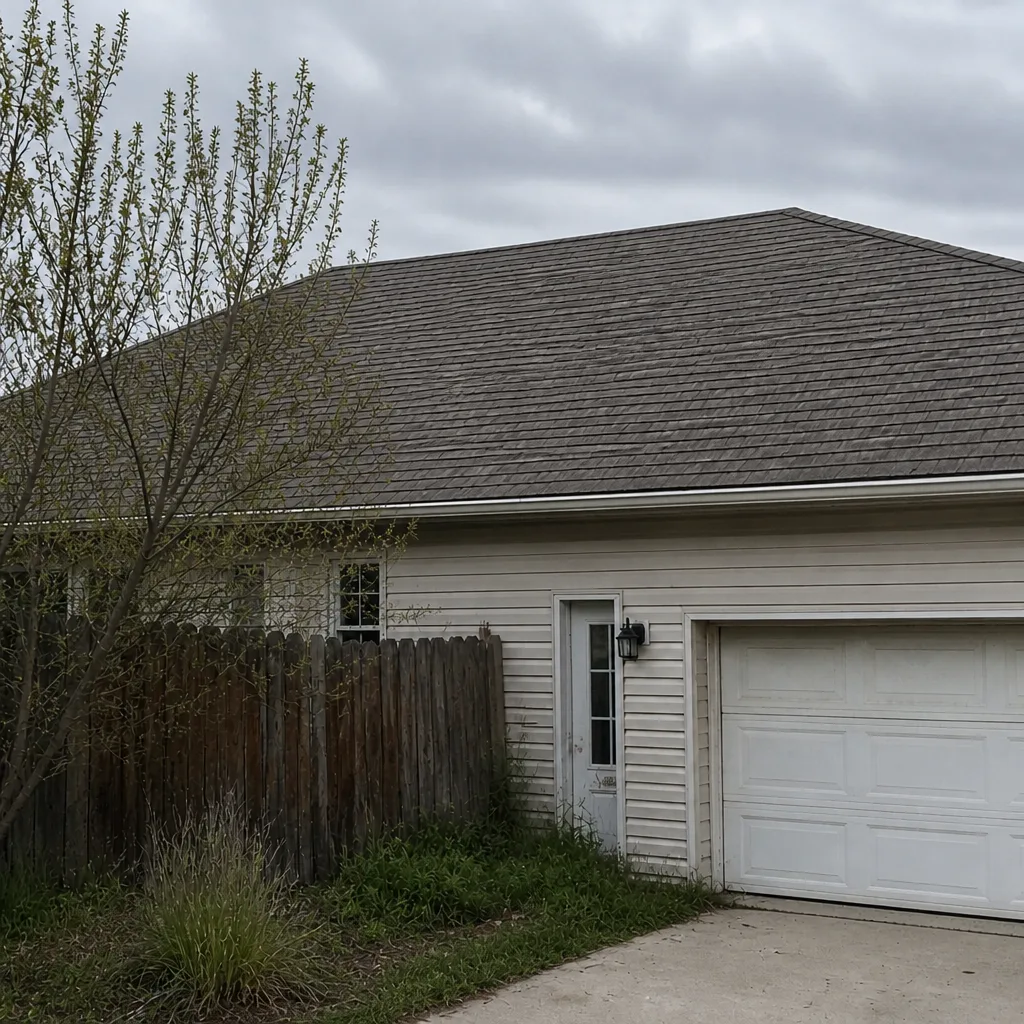
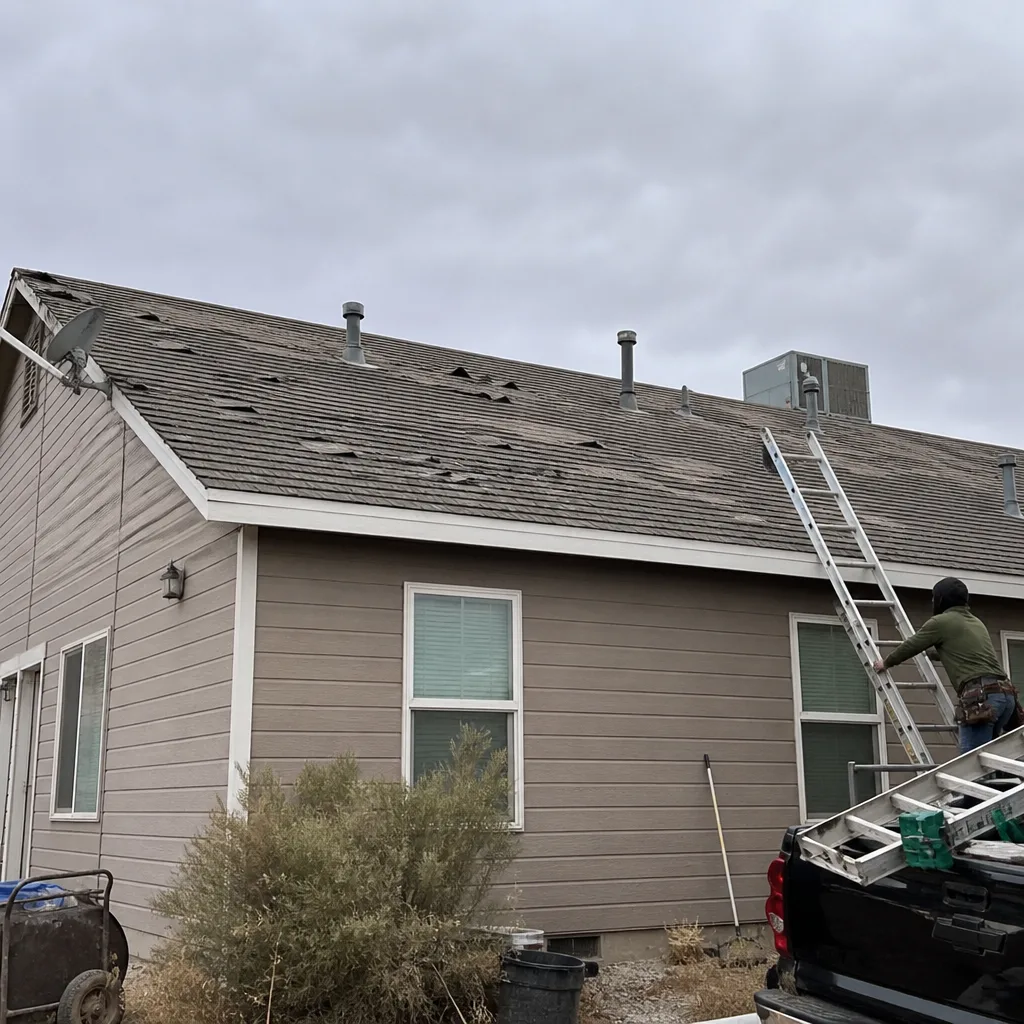
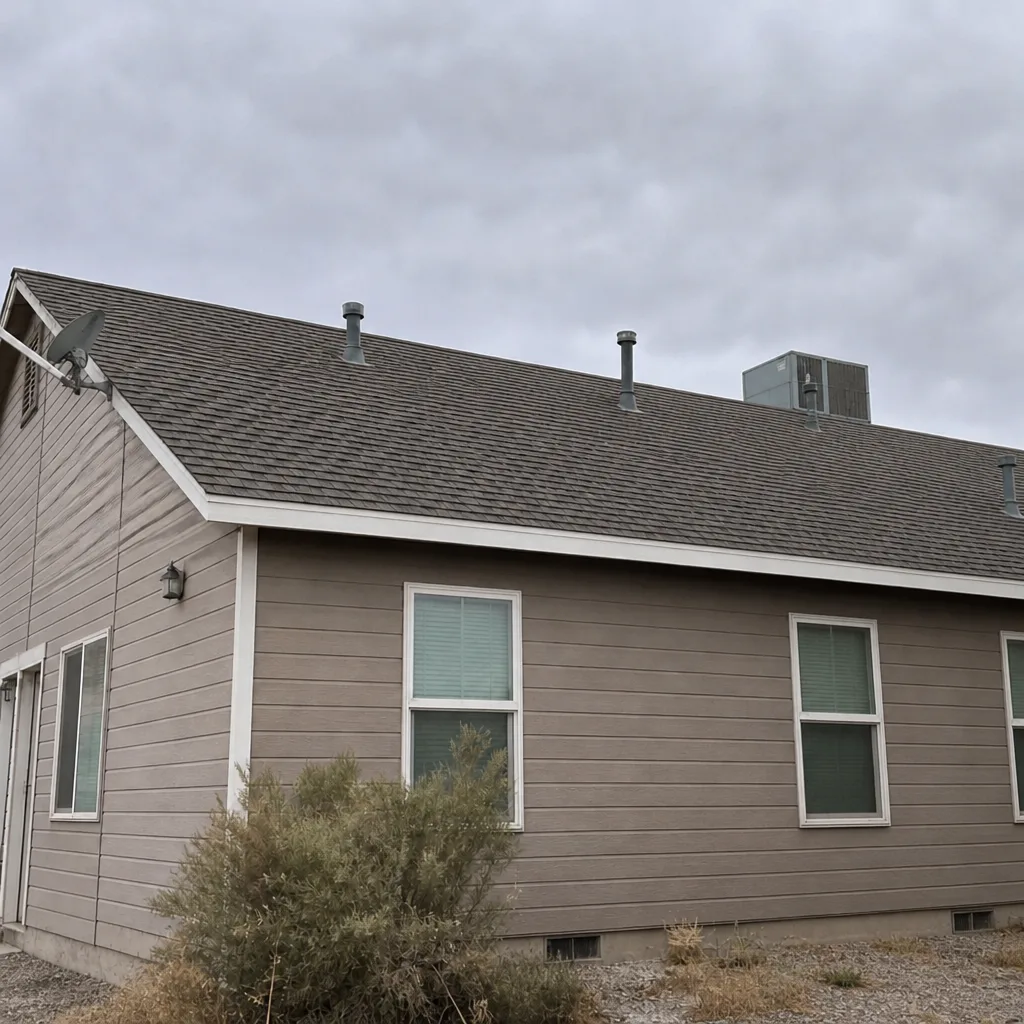
See the difference
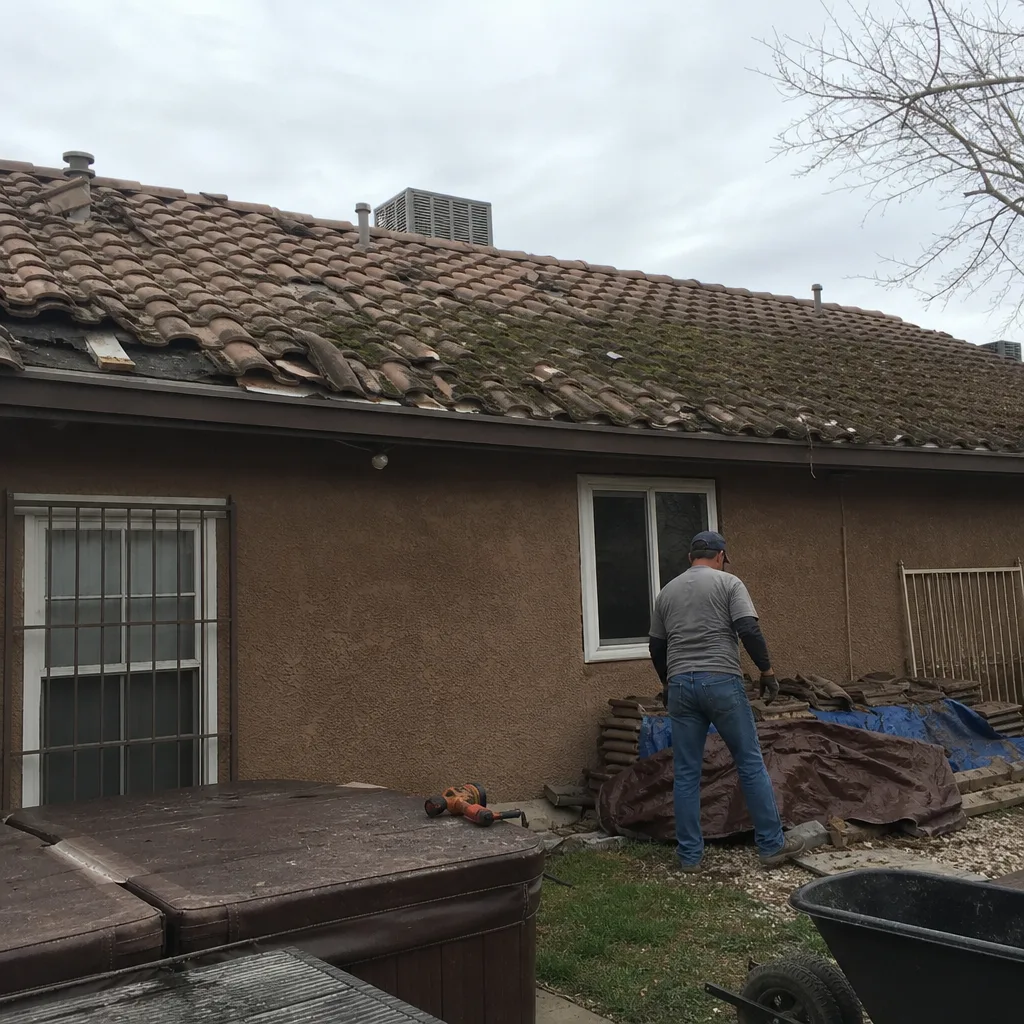 Before
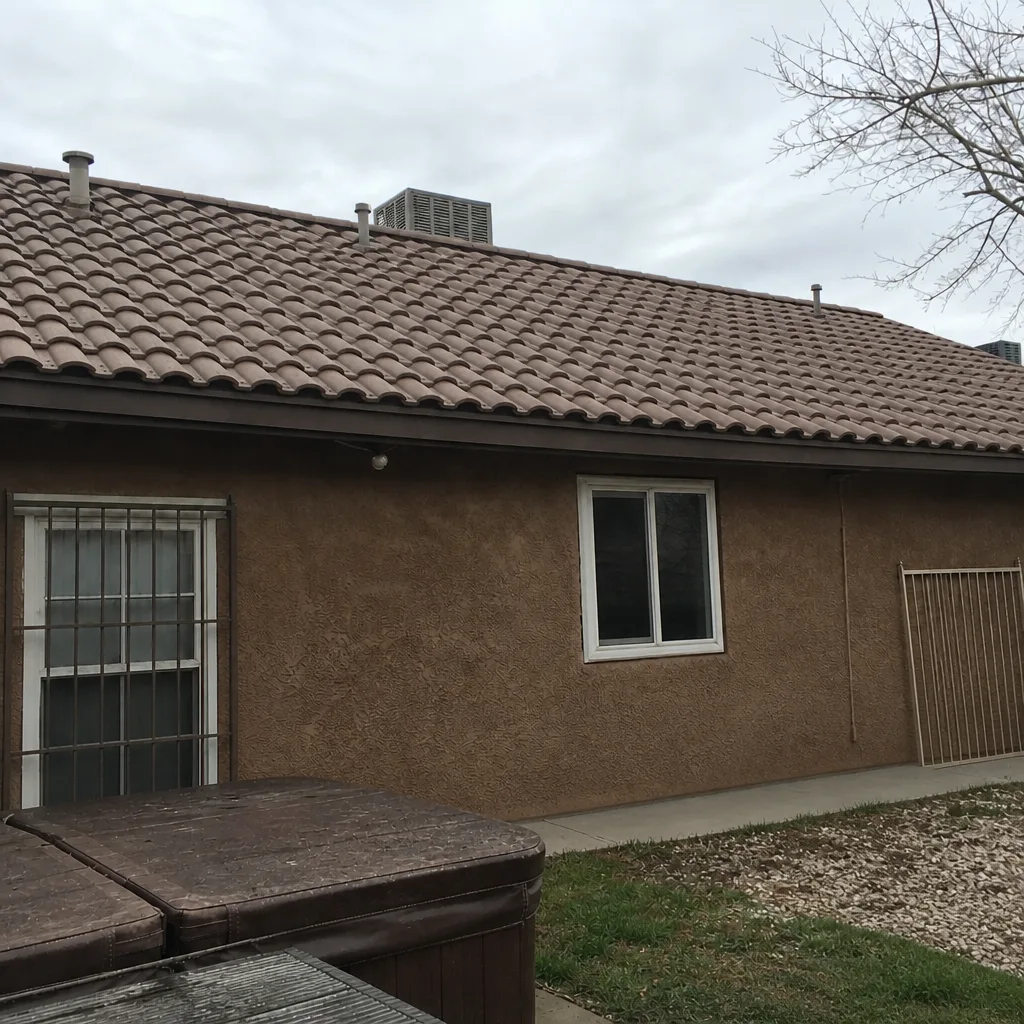 After
 Before
 After
 Before
 After
When to Call a Professional
Call for a professional inspection when you spot any middle-stage sign: a lifted metal seam, a displaced ridge cap, a visible crack in foam coating, condensation on attic decking, or daylight in the attic. Call immediately if you see interior staining, sagging, or soft spots. These are signs the problem has progressed past the point where waiting is safe or economical. We’ve built our inspection process around documentation: photos from your actual roof, a clear write-up of what’s happening, and a line-item estimate with the price on the invoice matching the price on the quote. Ridgeline Roofing Co. Enterprise offers free estimates in Enterprise – call (844) 228-4119, any hour, and a live person will answer.
Frequently Asked Questions
The first signs on a specialty roof are usually surface texture changes or fastener movement, not leaks: chalking on foam, screws backing out of metal panels, small bubbles in foam coating, or a slight color variation on tile. These are easy to dismiss because they don’t look like roof problems yet. If you see any of them, a professional inspection is the fastest way to know whether it’s early wear or the start of something bigger – call (844) 228-4119 for a free estimate.
You can catch most early and middle-stage signs from the ground: walk the perimeter and check the ridge line for displaced caps, look for backed-out screws along metal panels, scan the foam for uneven texture or chalking, check for debris on the ground, and inspect the attic for daylight, damp decking, or water marks. Anything that turns up a real concern is worth a documented inspection. Call (844) 228-4119 to schedule one – the estimate is free.
A specialty roof repair in Enterprise typically depends on the system and the stage. An early-stage fix like re-seating ridge caps or recaulking a foam crack is usually well under the cost of a mid-stage repair, which in turn is a fraction of a replacement. That’s why catching early signs matters so much financially. Call (844) 228-4119 for an exact quote – we’ll walk the roof, photograph what we find, and give you a line-item estimate before any work starts.
No. The number on the estimate is the number on the invoice, as long as the scope stays the same. We do no-hassle upfront pricing, and we don’t do change orders mid-job. If we find something unexpected once we’re on the roof, we stop and tell you before doing anything else. Call (844) 228-4119 to get a written estimate.
Yes – when a repair or replacement requires a permit, we pull it and stand behind the inspection. A specialty roof system involves structural attachment, ventilation, and waterproofing details that local codes care about, and getting that paperwork right is part of doing the job once and doing it right. We’re licensed and insured on every job. Call (844) 228-4119 to talk through what your project requires.
Most repairs on a specialty system are completed in a single visit, including metal fastener replacement, ridge cap re-seating, and small foam patches. Larger repairs or any replacement work will take longer and we’ll give you a timeline upfront before work begins. Call (844) 228-4119 to schedule your free estimate and get a clear answer for your roof.
The Bottom Line
Specialty roofs fail differently than shingles, and the signs that matter most aren’t the ones you’d expect. Chalking on foam, backed-out metal fasteners, a displaced tile ridge cap, condensation on the decking – these are the early and middle-stage signals that are easy to walk past and expensive to ignore. The later signs, the interior stains and soft spots, mean the problem has already grown. In Enterprise, thermal cycling is the engine driving most of this, and it moves faster than a homeowner expects. Keep an eye on your roof after storms, check the attic once a season, and call when you see a middle-stage sign. That’s the difference between a repair and a replacement.
If you’ve spotted a warning sign and want a straight answer, call (844) 228-4119 for a free estimate. A live person answers, day or night, and we’ll photograph what we find on your roof so you can see exactly what we see.
Written by the team at Ridgeline Roofing Co. Enterprise.