
Last updated November 18, 2026
 Metal roofing
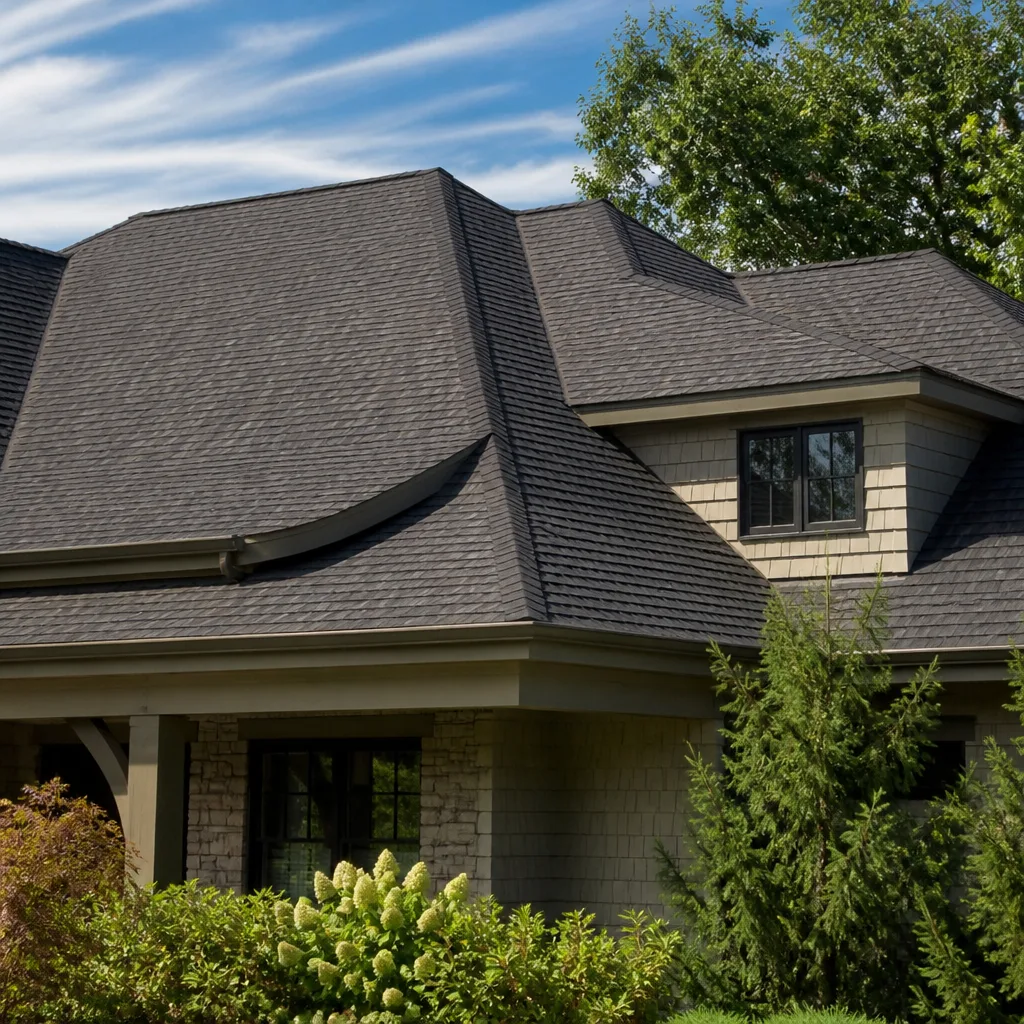 Architectural shingles
 Tile roofing
 GAF
 Owens Corning
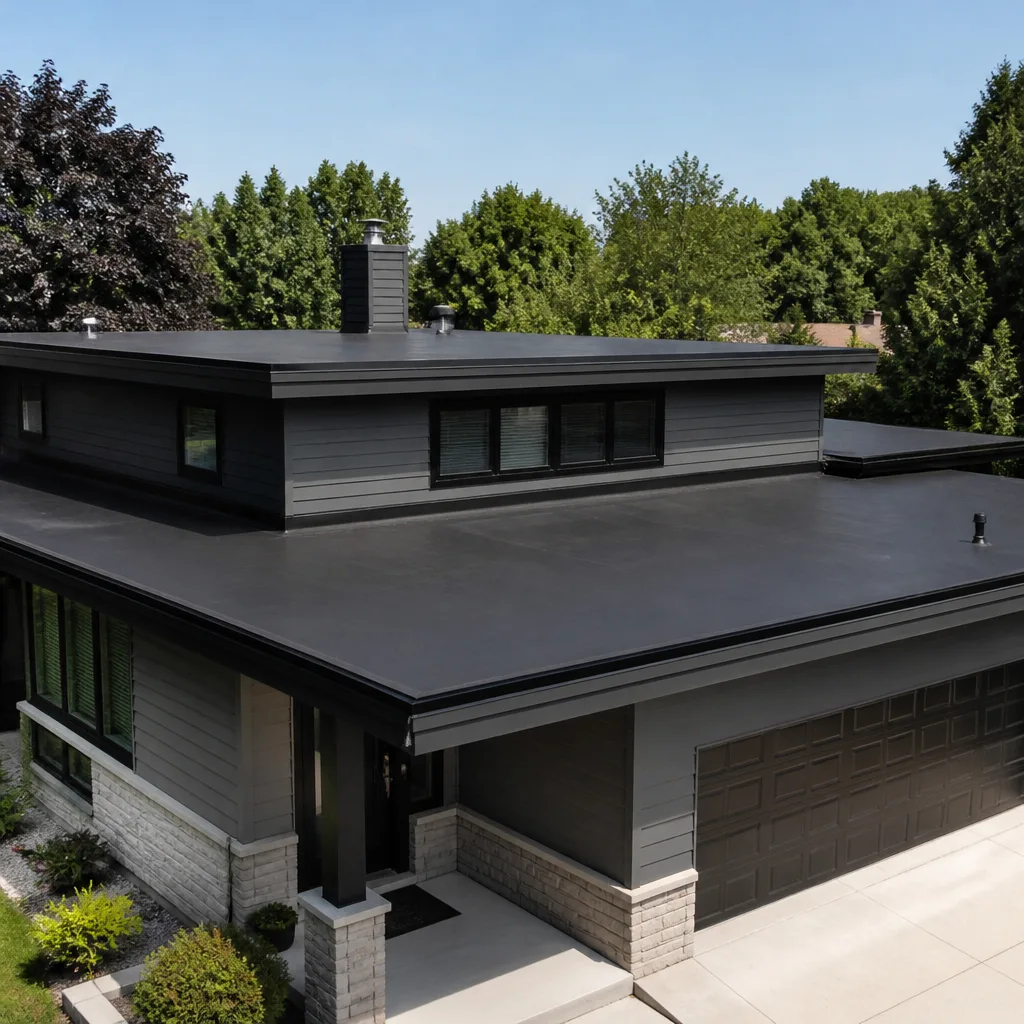 Flat & low-slope
Free roof inspection with deck photos before we talk money - GAF and Owens Corning certified installation
Specialty Roofing Troubleshooting: Common Problems and How to Fix Them
Homeowners spend $400 recaulking the same tile crack every two years, then wonder why the leak never fully stops. In our experience, the water is rarely entering where the crack is. It is entering through a failed pan flashing six inches away, running sideways on the underlayment, and showing up at the weakest visible point. Specialty roofing – clay and concrete tile, standing-seam metal, sprayed polyurethane foam – fails in layers, and troubleshooting has to work the same way: from the surface down to the substrate. This guide organizes problems by the symptom you actually see, not by the material on the label, so you can name the likely failure layer, document it properly, and know whether it is a scheduled-inspection problem or a call-it-in problem. We have climbed a lot of Enterprise roofs, and the pattern holds.
Quick Answer
Most specialty roofing problems – interior water stains, lifted tile, standing water, coating wear – trace to the layer beneath the visible surface: failed flashing, worn underlayment, or a substrate that has moved. Fixing the surface symptom without diagnosing the layer below is why the same leak returns. Document the symptom with photos first, then have a licensed roofer diagnose the actual entry point.
Styles & brands we work with
- Architectural shingles
- Metal roofing
- Tile roofing
- GAF
- Owens Corning
- Flat & low-slope
Table of Contents
- Start With the Symptom, Not the Material
- Interior Water Stains: What the Ceiling Is Telling You
- Standing Water and Ponding on Flat and Low-Slope Roofs
- Lifted, Cracked, or Displaced Surface Material
- Granule Loss and Coating Breakdown
- SPF Foam Roofing: The Desert UV Failure Sequence
- The Inspection Mistake That Creates New Problems: Walking on Dry-Laid Tile
- How to Photograph a Roof Problem Before Anyone Visits
- The 72-Hour Decision Tree: Wait, Schedule, or Call Now
Start With the Symptom, Not the Material
The single most useful shift in specialty roofing troubleshooting is to organize by what you are seeing rather than by what the roof is made of. A water stain on the ceiling of a tile roof, a metal roof, and a foam roof can have three completely different causes, but the diagnostic sequence is the same: identify the symptom, trace it to the layer most likely to fail in that condition, then confirm before anyone touches a surface.
Specialty roofs have four layers, and each fails on its own schedule:
- Surface material – tile, metal panels, foam with coating. This is what you see. It sheds most of the water but is rarely the entry point.
- Flashing – the metal pieces at valleys, penetrations, walls, and ridges. This is the most common real entry point on every specialty roof type.
- Underlayment – the waterproof membrane beneath the surface. On tile roofs especially, this is the actual roof. Tile is a rain screen.
- Substrate and structure – sheathing and framing. Movement here cracks everything above it.
When a homeowner calls us in Enterprise about a specialty roof leak, the first question we ask is not “what kind of roof is it” but “where and when does the water show up.” The when matters. A stain that grows only during wind-driven rain points to flashing or a horizontal lap. A stain that appears after any steady rain points to underlayment. A stain that shows up in summer without rain can be condensation, not a leak at all.
Interior Water Stains: What the Ceiling Is Telling You
An interior stain is the most common reason people search for specialty roofing problems and solutions, and it is also the most misdiagnosed. Water travels. On a low-slope or tile roof, water can enter at a flashing ten feet away and run along a purlin or the top of the ceiling drywall before it drops through. The stain is where the water exits, not where it got in.
Read the stain this way:
- Note the exact location and draw it on paper relative to a window or exterior wall. This is your reference point.
- Note the shape. A brown ring with a dry center usually means an older, slower leak. A fresh, spreading wet patch means active entry.
- Note the timing. Track it against rain events for two weeks if it is not actively dripping.
- Look uphill on the roof, not straight up. Water follows the slope and the framing.
In Enterprise, we see a particular pattern on tile roofs after the spring wind season: a hairline crack in a valley tile lets wind-driven rain past the surface, the underlayment beneath it has already aged out from years of desert sun, and the water runs down the valley pan to a ceiling corner far from the visible crack. The fix is not the tile. It is usually the valley flashing and the underlayment beneath it. Surface repair alone buys you one wet season. That is why we start every roof repair in Enterprise with a photo-documented inspection of the layers, not the surface.
Standing Water and Ponding on Flat and Low-Slope Roofs
Standing water that persists more than 48 hours after rain is a symptom, not a cause. It points to a drainage or slope problem, and left alone it will eventually find the underlayment and the seams. On flat and low-slope roofs, ponding accelerates every other failure mode: coating breakdown, seam separation, fastener back-out, and algae growth.
What to check, in order:
- Drains and scuppers – debris, blown-in grit, and bird nests are the first suspects in Enterprise, especially after a wind event.
- Slope – a low point that never drains means the roof has settled or the original slope was never enough.
- Seams and penetrations – water standing against a seam is water working on the weakest joint on the roof.
- Coating – ponding softens coating and shortens its life.
Clearing debris is a homeowner task. Correcting slope, adding a drain, or repairing a deflected area is not; that is structural work that belongs to a roofer. If the ponding has been there since the last monsoon season, it is past the “watch it” stage.
Lifted, Cracked, or Displaced Surface Material
A lifted tile, a buckled metal panel, or a fish-mouthed foam area is a signal that something moved. Surface material does not lift on its own. It lifts because the substrate beneath it moved, a fastener backed out, a flashing lifted, or thermal cycling worked a piece loose.
On tile roofs, the most common causes we see in Enterprise are:
- Fastener corrosion or back-out from decades of heat cycling.
- Sheathing movement or a soft spot from previous water intrusion.
- Improper original installation – tile nailed too tight, with no room for expansion.
- Impact from wind-blown debris.
On metal roofs, lifted or buckled panels usually trace to fastener back-out, oil-canning from thermal expansion, or a panel that was installed without proper clip spacing. On foam, a lifted area usually means the coating has lost adhesion and water is now working under it.
In every case, the wrong move is to press the piece back down and caulk it. The right move is to lift, inspect the layer beneath, and repair the actual failure. That is the difference between a fix and a patch. A true specialty roofing in Enterprise repair starts with the flashing and underlayment beneath the lifted piece.
Granule Loss and Coating Breakdown
Granule loss on a shingle or coating breakdown on foam are both signs of age, but they progress in stages, and the stage matters for the repair decision. On a specialty roof, you are not looking at whether the surface is worn – you are looking at whether the layer beneath is still protected.
A basic stage read:
- Early wear – granules shed in gutters, coating chalky or faded but intact. This is a maintenance window, not a repair.
- Moderate wear – coating is thin, surface texture is visible, small blisters appear. Time to schedule a professional evaluation.
- Advanced wear – coating has failed in patches, the core is visible or soft, granules are gone in bands. Repair is needed now, not at the next scheduled inspection.
For foam roofs in the Enterprise climate, this progression matters more than on any other specialty roof type, and it deserves its own section.
SPF Foam Roofing: The Desert UV Failure Sequence
Sprayed polyurethane foam is a genuinely good roof for the desert when it is maintained. It is also uniquely vulnerable to UV, and in Enterprise, where summer sun and 100-plus days stack up, the coating is the only thing standing between the foam and total breakdown. The failure follows a predictable sequence, and knowing what you are seeing at each stage is the difference between a recoat and a re-roof.
Here is what a homeowner sees, stage by stage:
- Stage 1 – Fading and chalking. The coating lightens and leaves a chalky film on your hand when you touch it. This is early UV wear. A recoat is on the calendar, not urgent.
- Stage 2 – Cracking and alligatoring. The coating develops a fine web of cracks like dried mud. UV is now reaching the foam beneath. Recoat within the season.
- Stage 3 – Blistering and delamination. Coating lifts in blisters or peels back at edges. Moisture is now trapped between the foam and the coating. Repair the coating and check the foam.
- Stage 4 – Foam breakdown. Foam itself is pitted, soft, or crumbling. The coating is breached. This is a repair-or-replace decision.
- Stage 5 – Membrane breach. Water is reaching the roof deck. Interior leaks are likely. This is no longer a coating problem.
The trap is that Stages 1 and 2 look like cosmetic wear. Homeowners in Enterprise who skip the recoat at Stage 2 almost always end up paying for Stage 4 work two or three summers later. Foam is a roof you maintain in small increments to avoid one large bill. A recoat now is vastly cheaper than the foam replacement it prevents.
The Inspection Mistake That Creates New Problems: Walking on Dry-Laid Tile
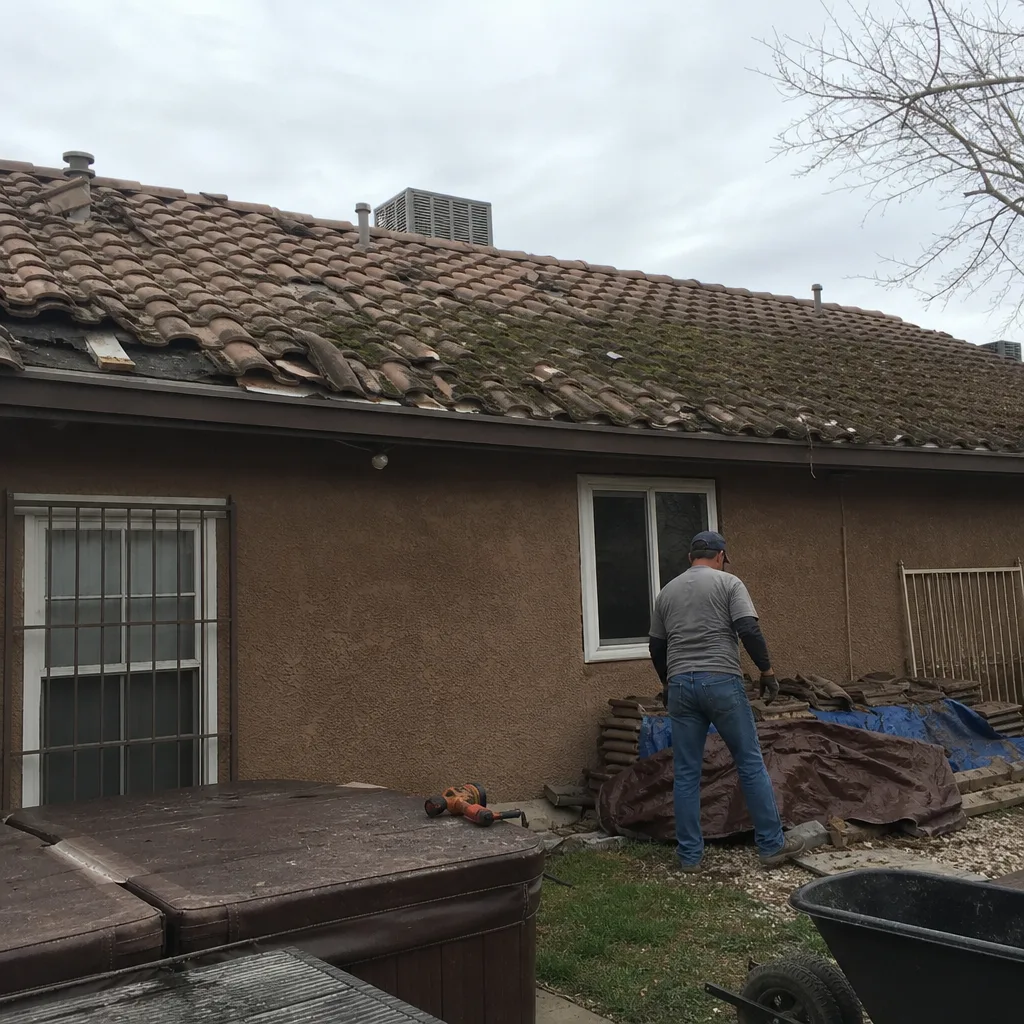
This is the mistake we see most often, and it happens before the homeowner realizes anything is wrong. On a dry-laid tile roof – tile laid without mortar or adhesive, common on clay and concrete tile roofs – every footstep flexes the tile and presses it against the one next to it. Walk a dry-laid tile roof to inspect it, and you can crack tile you never intended to touch.
The problem compounds. Cracks that appear after an inspection may not have been there before. A homeowner who walks their own roof in Enterprise to check on a leak can easily create two new entry points while hunting the first one. The same is true of anyone who is not trained on tile: inexperienced visitors on a tile roof are a liability to the roof itself.
How to inspect a specialty roof safely:
- Look from the ground with binoculars first. Most surface symptoms are visible from below.
- Use a ladder only to reach and photograph the eaves and lower flashing; do not climb onto the surface.
- Photograph any interior stain from the ceiling side and match it to the exterior approximate location.
- Leave the walking to a roofer trained on tile and trained in fall protection – not because it sounds safer, because it is safer for the roof and for you.
Our technicians are background-checked and arrive in uniform, and they walk tile roofs the way they were trained to: with weight distributed correctly and an inspection plan, not a guess. That is how a roof repair in Enterprise avoids creating a second problem while solving the first.
How to Photograph a Roof Problem Before Anyone Visits
Photos taken before a contractor visit make the diagnosis faster, the estimate more accurate, and the conversation smarter. Bad photos make it worse – too close to see context, too far to see the problem. Here is the shot list we ask homeowners to gather when they call us about a specialty roof.
- Wide shot of the whole roof slope from the ground, standing back far enough to see the ridge and eave.
- Mid-range shot of the suspect area showing what is above and below the problem – at least ten feet of context on each side.
- Close shot of the symptom itself – the crack, the lifted piece, the stain.
- A reference shot with a fixed object (chimney, vent, window) in the frame so the roofer can locate the spot on the roof.
- Interior stain shots for any leak, with a straight edge (like a yardstick) taped on the ceiling for scale.
- A note about timing – when it started, what weather preceded it, and whether it is growing.
If you can only take two photos, take a wide shot and a close shot. Those two, matched to a reference point, let us diagnose most specialty roof problems before we arrive. That is why we bring our own camera on every inspection, too – a professional photo-documented inspection of the actual roof is the standard we hold ourselves to, not a scary speech in the driveway.
The 72-Hour Decision Tree: Wait, Schedule, or Call Now
Not every specialty roofing problem needs the same urgency, and for homeowners who intend to stay in their home for the long run, getting the urgency right is the difference between a repair and a replacement. Here is how we sort the calls we field in Enterprise into three buckets.
Can wait for a scheduled inspection (within 30 days):
- Faded or chalky coating with no cracking.
- Granule loss in gutters with no interior staining.
- A single lifted tile with no active leak.
- Ponding that drains within 48 hours.
- Cosmetic surface wear on a roof you still trust.
Schedule within 72 hours:
- An interior stain that appeared after recent rain and is not actively dripping.
- Coating cracks (alligatoring) on any foam roof in Enterprise – UV is on it right now.
- A displaced tile, panel, or foam section with visible underlayment beneath.
- Ponding that persists past 48 hours after rain.
- A soft spot or sag in the roof deck.
Call now – do not wait:
- Active dripping inside the home, especially near electrical fixtures or the panel.
- Any sag, crack, or separation in the structure.
- A missing section of surface material after a wind event, with underlayment exposed to the sky.
- A foam membrane breach (Stage 5) with active interior leaking.
- Water standing against a wall or at a penetration more than 72 hours.
The rule we give homeowners: if water is moving inside the house, it is a call-now. If water is just visiting the roof, it is a schedule-this-week. If it is only cosmetic, it is a wait-for-inspection. Live phones answer every call at Ridgeline Roofing Co. Enterprise, 24 hours a day, seven days a week – so “call now” means a person, not a voicemail tree.
Common Mistakes to Avoid
- Caulking the visible crack and calling it done. Water is almost always entering somewhere else and showing up here. Caulk at the surface hides the symptom while the leak continues to damage the layer that matters.
- Walking on a dry-laid tile roof to “take a look.” Movement underfoot cracks tile you didn’t mean to touch. Inspect from the ground with binoculars; the roof does not need the visit.
- Skipping a foam recoat at Stage 2. In Enterprise, a chalky, cracked coating is UV reaching the foam. Waiting two summers costs far more than the recoat you skipped.
- Replacing specialty roofing before you know the layer that failed. Many “totally shot” tile roofs have underlayment failure, not tile failure. Tear-off is not always the answer.
- Hiring a storm-chasing crew after a wind event. In Enterprise, the pickup-truck crews that roll in after wind damage leave with the season. Local crews are the ones you can call next spring.
- Repairing one lifted piece with caulk and no inspection of the layer underneath. If the substrate moved, the fix has to start there.
- Photographing problems too close for context. A close shot with no reference point makes the diagnosis slower, not faster.
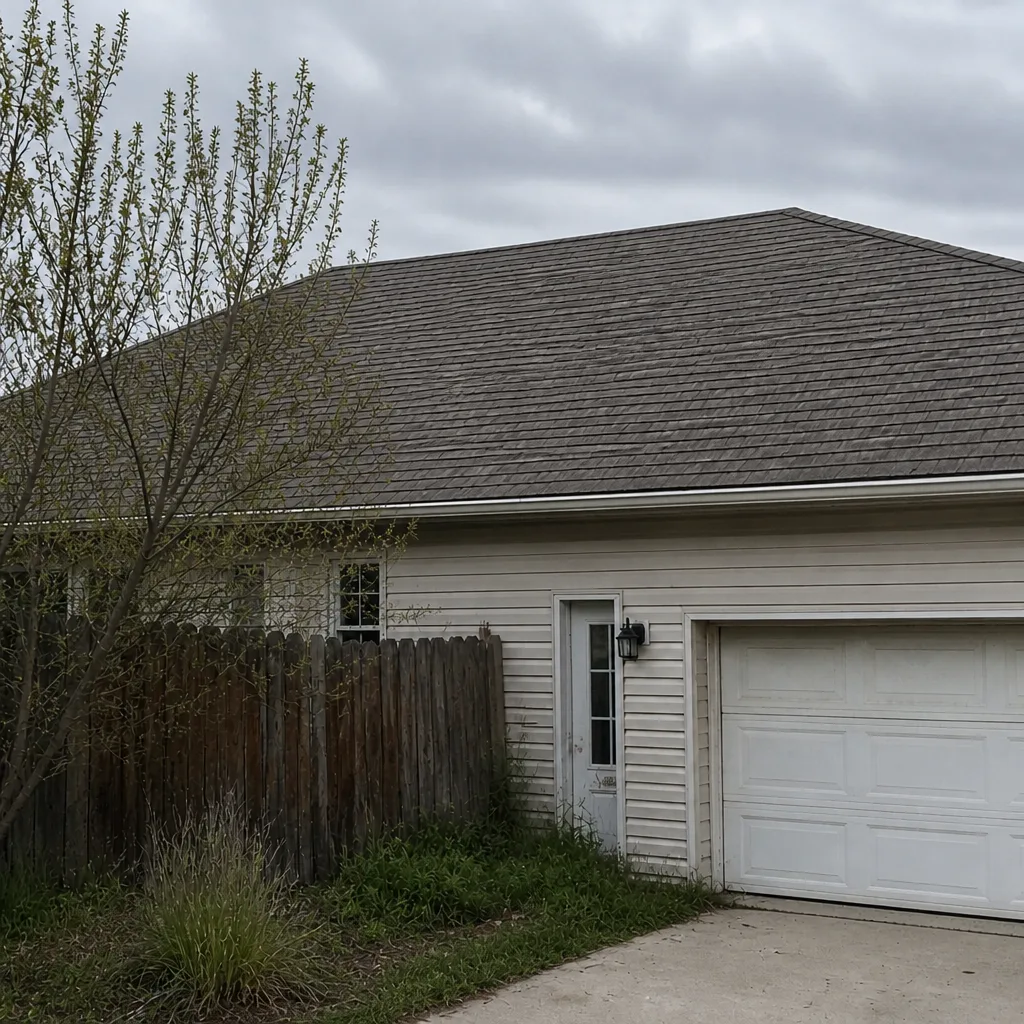
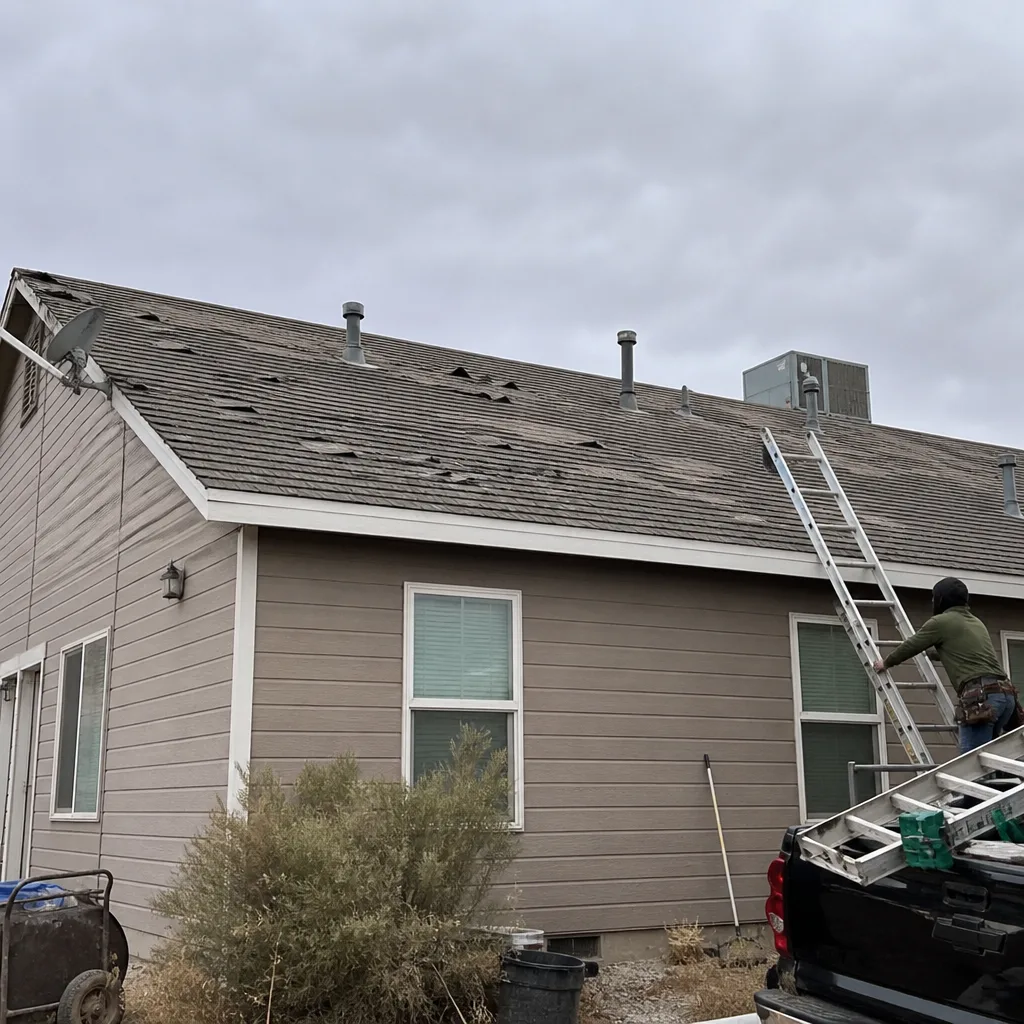
See the difference
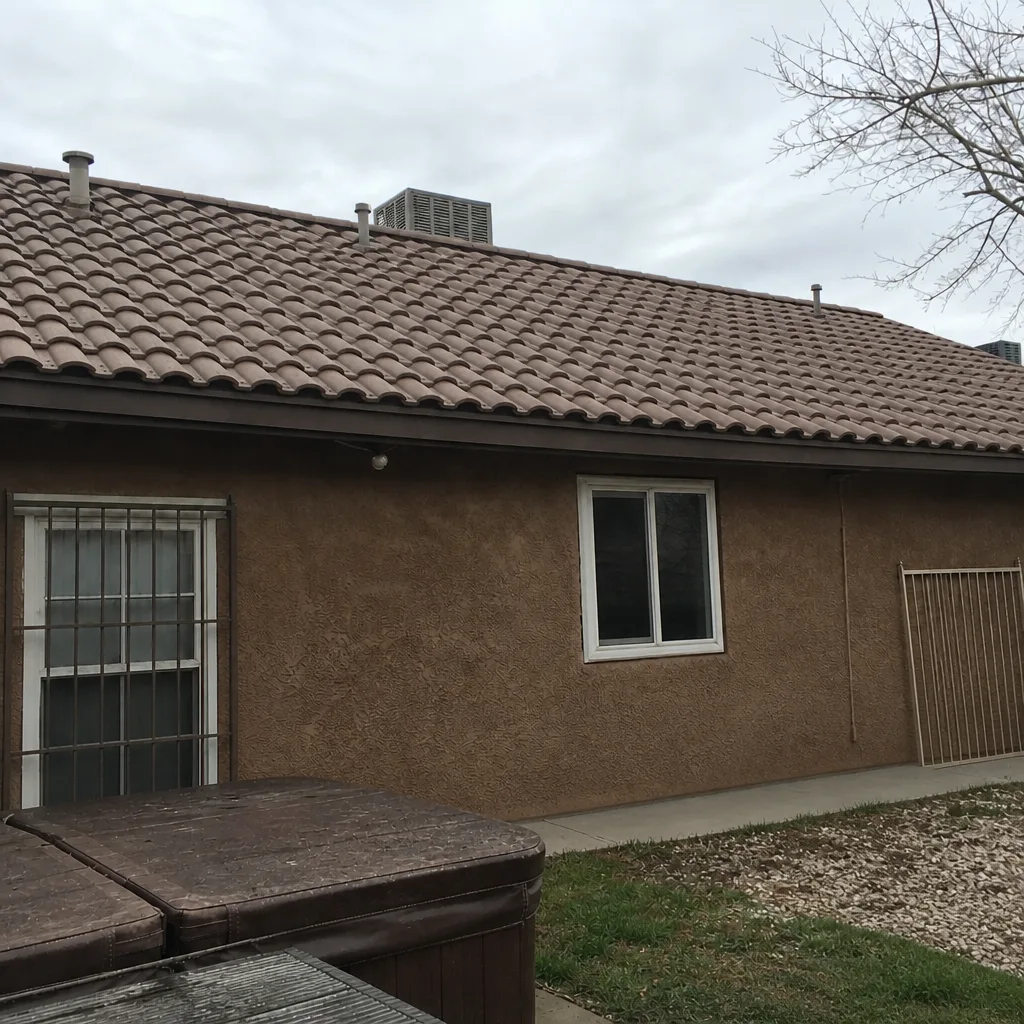
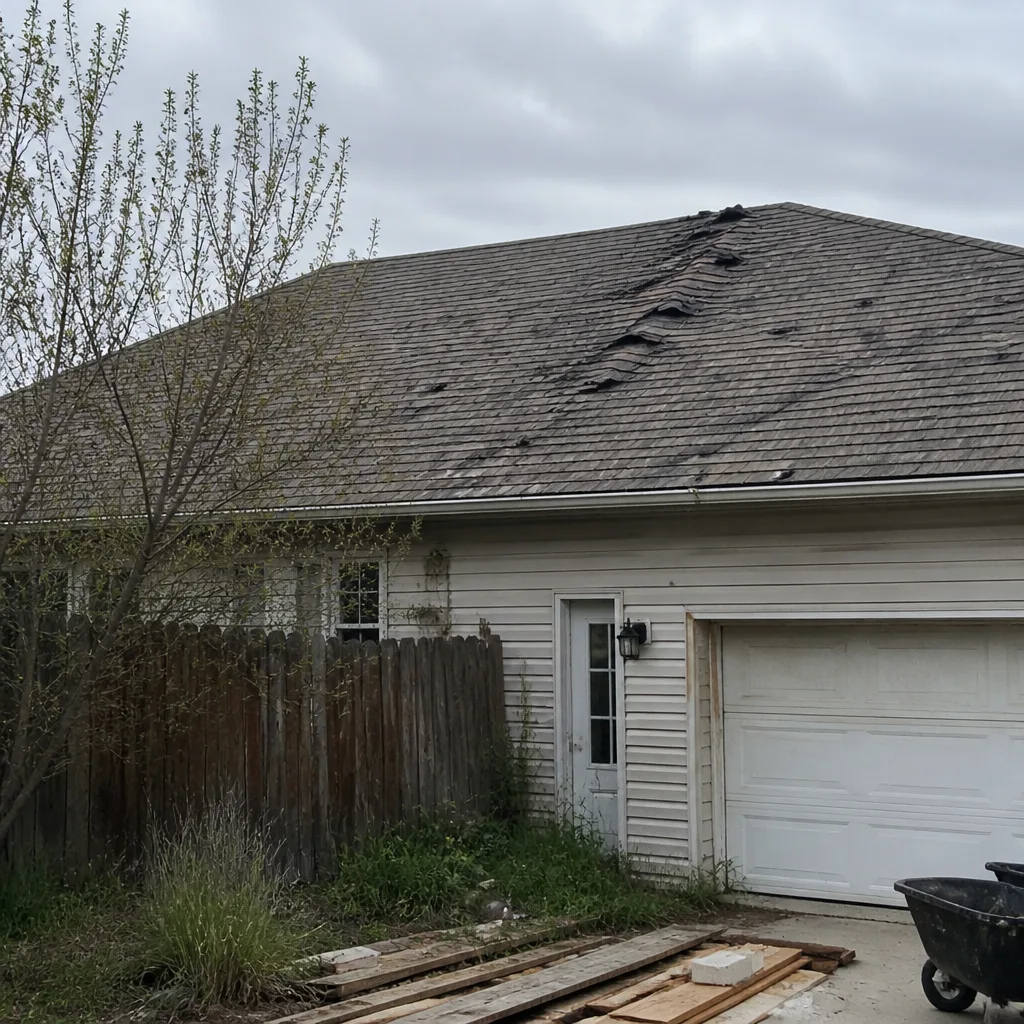
 Before
 After
 Before
 After
 Before
 After
When to Call a Professional
Call a professional for any specialty roofing problem that has moved past cosmetic wear: an active interior leak, a lifted or displaced surface piece with underlayment exposed, a foam coating in Stage 3 or beyond, a soft spot in the deck, or standing water that persists past 48 hours. Also call for anything involving high work or steep slope – fall injuries happen to experienced people, not beginners, and the same rule applies to your roof access. For a problem you can see but not diagnose – a stain that grows after wind, a valley you can’t trace, a coating that cracks a little more each year – a photo-documented inspection is the right next step. A good specialty roof repair costs a fraction of a replacement. If you are in Enterprise and want a square deal and a written diagnosis, Ridgeline Roofing Co. Enterprise offers free estimates – call (844) 228-4119.
Frequently Asked Questions
The most common problems we see in Enterprise are failed valley and pan flashing on tile roofs, UV-driven coating breakdown on SPF foam, and fastener back-out on metal roofs after years of heat cycling. Interior water stains are usually the symptom that finally brings homeowners to the phone – the actual failure is almost always flashing, underlayment, or substrate, not the visible surface.
If the tile looks intact but water is showing up inside, it is almost always the underlayment or the flashing beneath. Tile is a rain screen; the underlayment is the actual waterproof layer. A roof leak on a tile roof in Enterprise usually begins in a valley, at a penetration, or at a wall transition – not in the field of tile. A visual inspection from a trained roofer confirms which layer failed before anyone repairs a tile.
Most SPF foam roofs in Enterprise need recoating on a roughly five-to-ten-year cycle depending on coating type, traffic, and sun exposure. Watch for the sequence: fading and chalking first, then fine cracking (alligatoring), then blistering. The recoat should happen before Stage 3. If the coating is already blistering or peeling, call for an evaluation – don’t wait for a leak.
You can clear debris, photograph the symptom safely from the ground, and track timing – those help. Anything that requires walking the roof, especially a dry-laid tile roof, is where homeowner injury and new roof damage happen. A specialty roof is not a do-it-yourself surface. Leave the roof surface to a roofer trained in fall protection and the specific material.
Permit requirements depend on the scope of work – a spot repair typically does not require the same permits as a full replacement, but full replacements and structural repairs usually do. The right way to know is to ask the contractor to confirm permit requirements for your specific job before work starts. We pull permits and expect inspections to pass on the jobs that require them; if a roofer can’t tell you clearly whether a permit applies, that is a red flag.
Most specialty roof repairs fall in a wide range depending on layer and material. A targeted flashing repair is the least expensive category; underlayment replacement under tile is more involved; a foam recoat sits in the middle; a foam replacement or a structural repair runs higher. We give a written, upfront estimate before any work starts – the number on the estimate is the number on the invoice, with no change orders. Call (844) 228-4119 for a free estimate.
The Bottom Line
Specialty roofing troubleshooting works best when you stop chasing the surface and start reading the layers. Most interior stains, lifted pieces, popped coatings, and standing water trace to flashing, underlayment, or substrate – never to the tile, panel, or foam itself. Photograph the symptom with reference points, protect the roof by staying off it, and use the 72-hour decision tree to sort cosmetic wear from a call-now. The right repair is the one that fixes the layer, done once. If your roof has crossed from maintenance into troubleshooting in Enterprise, we are ready to look. For a full replacement picture, see our roof replacement & installation in Enterprise page, and to understand the materials we install, visit Ridgeline Roofing Co. Enterprise. We install seven manufacturer lines, including GAF, CertainTeed, and Owens Corning, and every job is backed by the written 90-Day Done Right Promise. We will be there when we say.
Call (844) 228-4119 for a free estimate. A live person answers every call, 24 hours a day, seven days a week. Our technicians have up to 10 years of experience and arrive in uniform with a written inspection report. Done right – and if it is not, we make it right.
Related reading
- Roof Repair in Enterprise
- Roof Replacement & Installation in Enterprise
- Specialty Roofing in Enterprise
Written by the team at Ridgeline Roofing Co. Enterprise.