
Last updated November 18, 2026
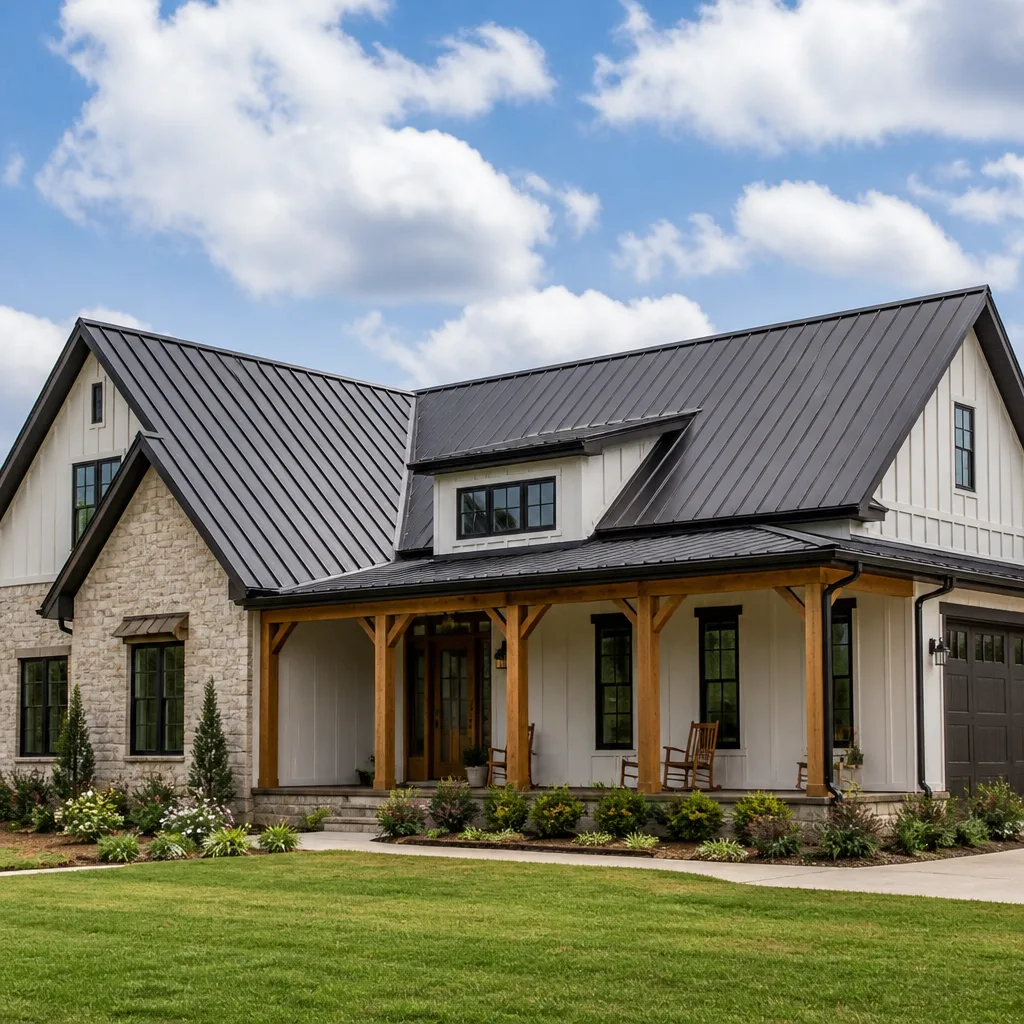 Metal roofing
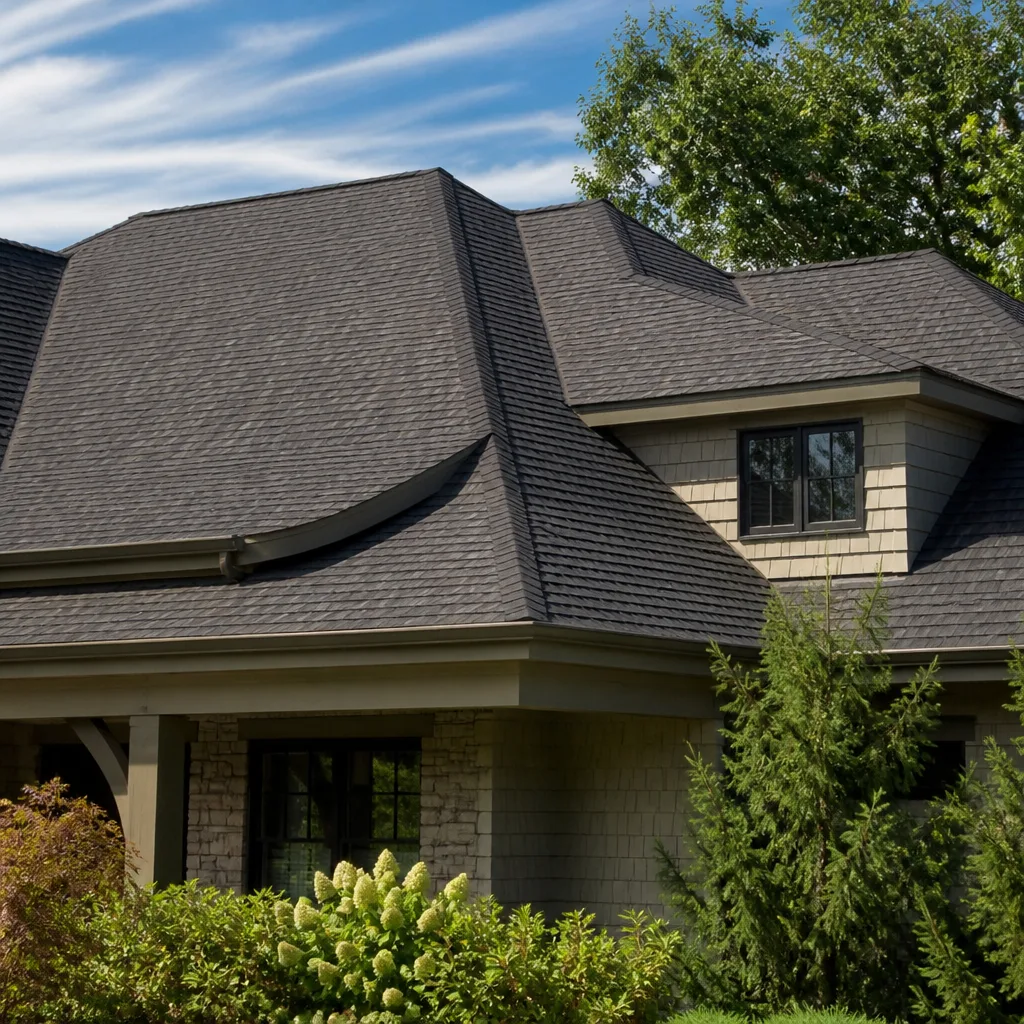 Architectural shingles
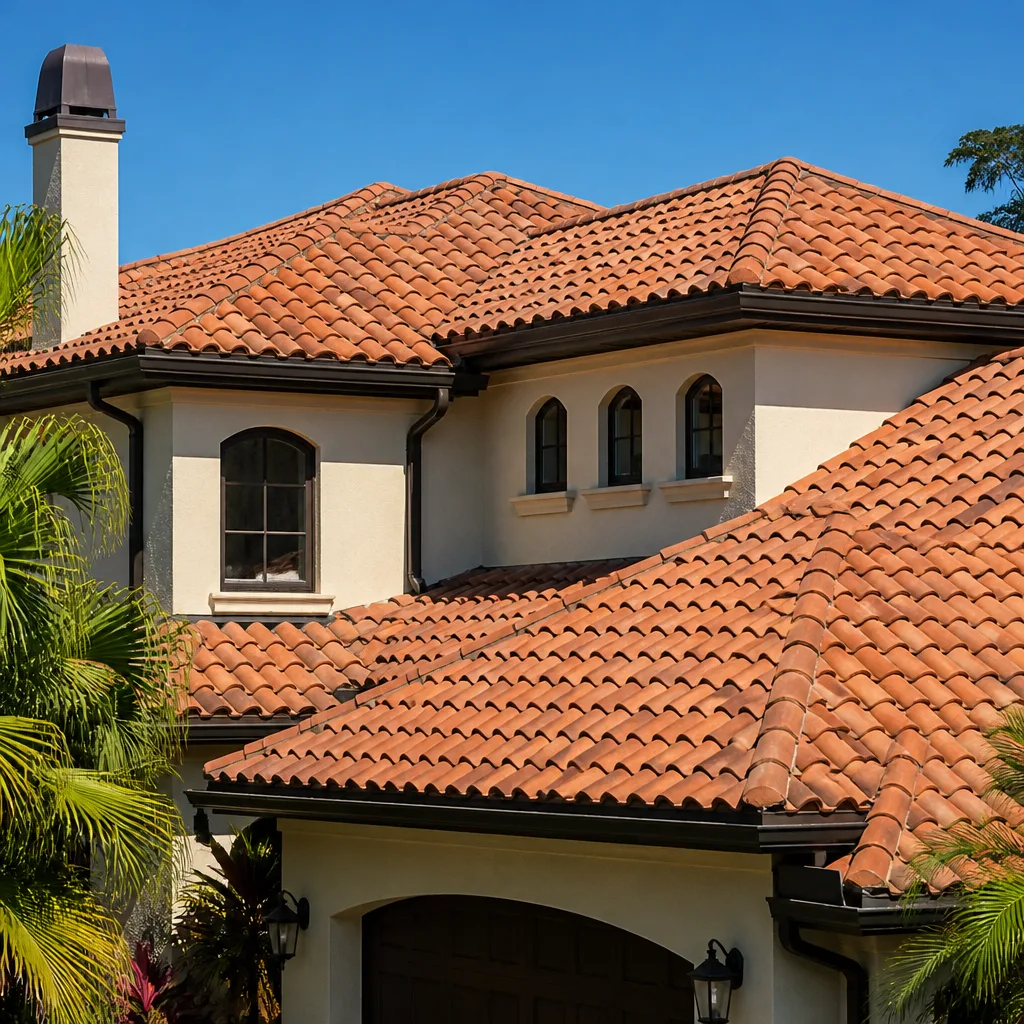 Tile roofing
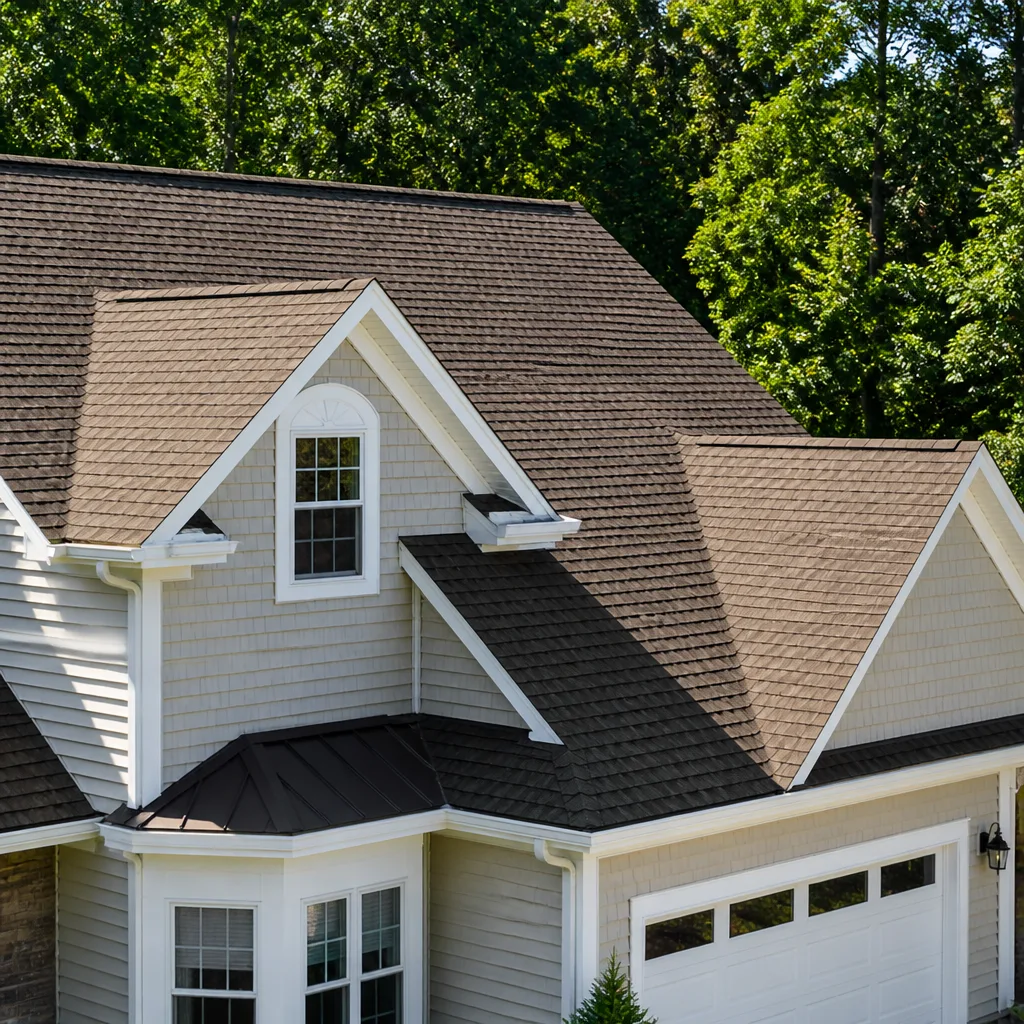 GAF
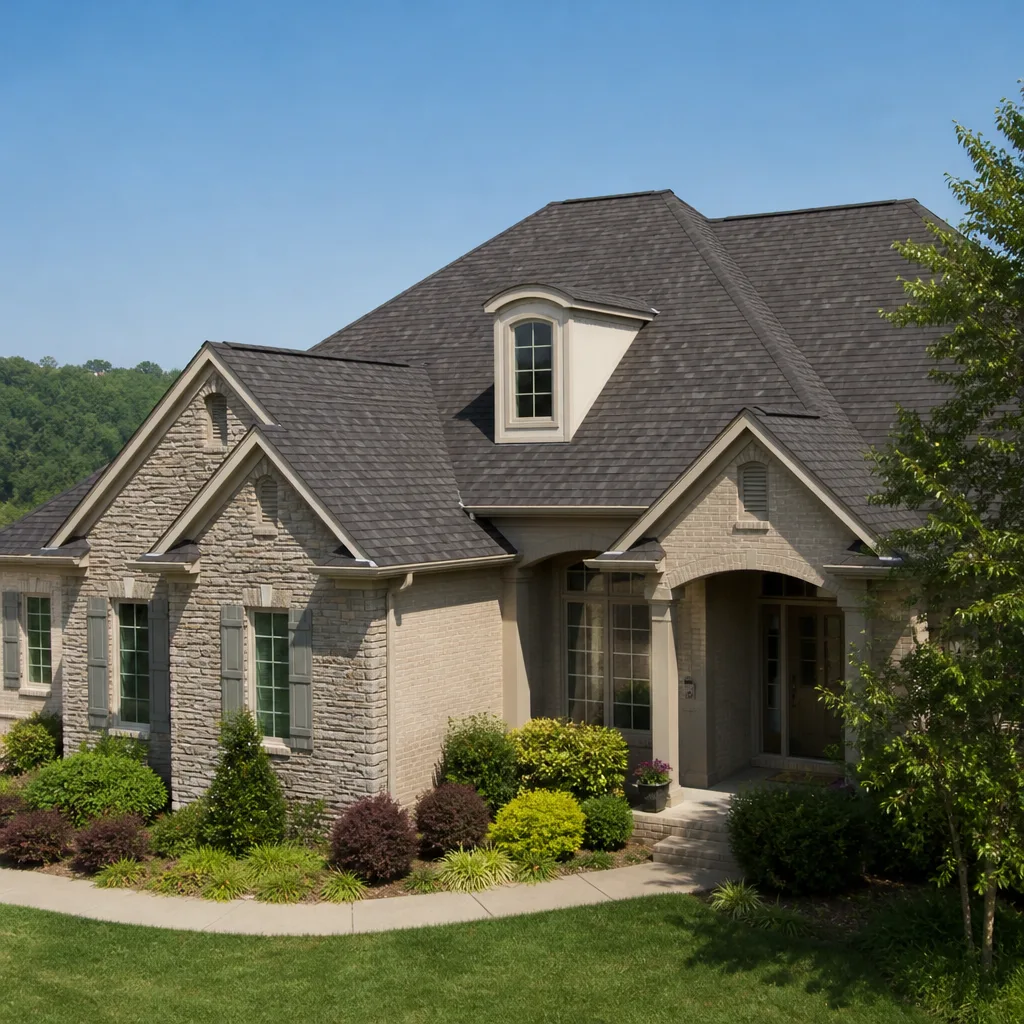 Owens Corning
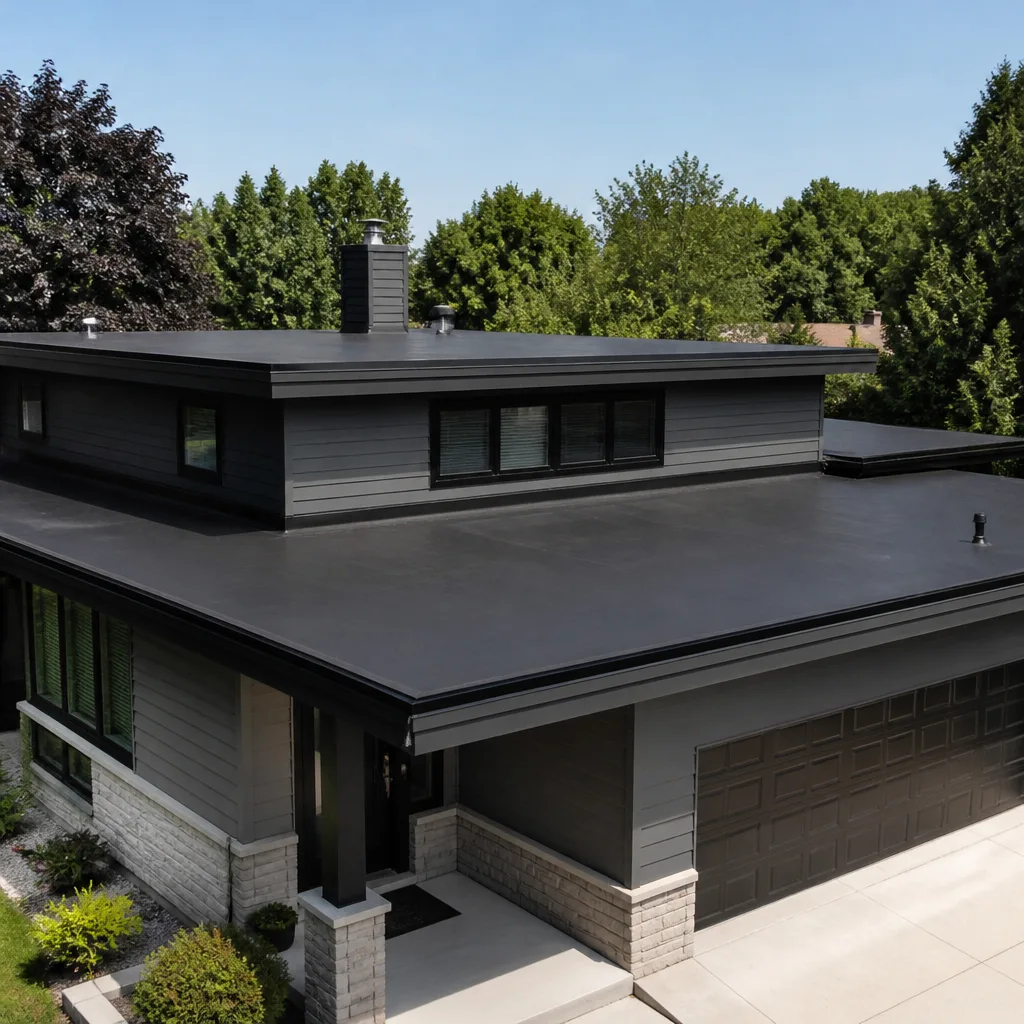 Flat & low-slope
Free roof inspection with deck photos before we talk money - GAF and Owens Corning certified installation
The Complete Specialty Roofing Guide for Enterprise Homeowners
Concrete tile is the best-looking roof in a showroom photo. It’s also the material most likely to crack under a Nevada hailstone the size of a marble, a risk the brochure won’t mention. Enterprise sits in a stretch of the Las Vegas Valley where summer afternoons push past 110°F, winter nights still dip toward freezing, and the monsoon drops a season’s worth of rain in an hour. A roof here doesn’t just shed water; it survives a daily expansion-and-contraction cycle that punishes the wrong material choice. This guide compares tile, metal, foam, and low-slope systems against the conditions your roof actually faces in Enterprise, and it covers cost over twenty years, not just the day of install.
Quick Answer
For most Enterprise homes, the right specialty roof comes down to three forces: a UV index that bakes surfaces year-round, thermal cycling that works fasteners and sealants loose, and monsoon runoff that finds every low spot. Concrete tile suits homes built for its weight and looks best for decades. Metal and foam win on lighter structures and flat or low-slope sections. The decision hinges on your roof’s pitch, your home’s framing, your HOA rules, and how long you plan to stay. There’s no single best material, only the one that matches your house and your conditions.
Styles & brands we work with
- Architectural shingles
- Metal roofing
- Tile roofing
- GAF
- Owens Corning
- Flat & low-slope
Table of Contents
- What “Specialty Roofing” Means in Enterprise
- Tile, Metal, Foam, and Low-Slope: How the Four Systems Compare
- Three Enterprise Criteria: UV, Thermal Cycling, and Monsoon Water
- Structural Load: Why Home Age Changes the Answer
- Permits and Licensing: What Clark County Requires
- The 20-Year Cost Comparison
- Your Decision Framework
- Common Mistakes to Avoid
- When to Call a Professional
- Frequently Asked Questions
What “Specialty Roofing” Means in Enterprise
Standard asphalt shingle covers most roofs in the country. Specialty roofing is everything beyond that: clay and concrete tile, standing-seam and stone-coated metal, spray polyurethane foam (SPF), and single-ply membranes such as TPO for low-slope sections. In Enterprise, these systems show up on purpose. Tile matches the desert palette and the HOA expectations in many subdivisions. Foam handles the flat and low-slope roofs on additions and on homes with complex geometry. Metal earns its place where weight is a concern or where a homeowner wants the longest life per dollar.
What makes these systems “specialty” isn’t just the material. It’s the skill required to install them so they perform. A tile roof set without the right underlayment and fastening pattern will crack and leak. A foam roof applied to a wet deck will blister. These are not jobs where the wrong crew gets a second chance without cost.
If you’re weighing a repair against a full system change, our Specialty Roofing in Enterprise page breaks down which materials we install and how we approach the work.
Here’s what we’ve seen on roofs across Enterprise: the failure that matters most isn’t the material itself. It’s the detail work at valleys, penetrations, and flashings. That’s where the honest money goes. A well-detailed tile roof outlasts a poorly detailed metal one every time.
Tile, Metal, Foam, and Low-Slope: How the Four Systems Compare
Concrete and Clay Tile
Tile delivers the classic look and holds color for decades. It also weighs far more than asphalt, which is why structural review matters on older homes. In Enterprise, tile is the material most exposed to hail and to thermal cracking, so the underlayment beneath it does the real waterproofing work.
Metal Roofing
Standing-seam and stone-coated steel handle UV and heat reflectivity well and shed monsoonal water fast. Metal is lighter than tile, which helps on homes where framing is a question. Fasteners and panel expansion need careful engineering in this climate.
Spray Polyurethane Foam (SPF)
Foam seals a roof into one continuous membrane with no seams to fail, and it adds insulation value that matters in Enterprise summers. It looks expensive at install and often proves cheap over twenty years because there are no fasteners to back out and no panels to lift. It does need recoating on a schedule to stay protected from UV.
Low-Slope TPO and Single-Ply
For flat and low-slope sections, TPO and similar membranes are the standard answer for reflecting heat and sealing seams. These are common on additions, patios, and homes with flat rear sections in the valley.
For a repair or a full change, our Roof Repair in Enterprise team and our Roof Replacement & Installation in Enterprise crews handle both paths.
Three Enterprise Criteria: UV, Thermal Cycling, and Monsoon Water
Most roofing decisions are made against a spec sheet that was written for a national average. Enterprise is not average. Here’s how we evaluate any specialty system against the three forces that actually stress a roof here.
- UV index. Southern Nevada gets intense sun most of the year. Every material fades, chalks, or breaks down under that load. Reflective and light-colored surfaces and systems with a renewable top layer (foam coating, metal finishes) hold up better than materials with a fixed surface that degrades once and can’t be refreshed.
- Thermal cycling stress. Days push past 110°F and winter nights drop toward freezing. That daily expansion and contraction works on fasteners, seams, and sealants. Systems with fewer mechanical fasteners and more continuous membranes survive this better than ones held down by hundreds of individual points.
- Monsoon water volume. The valley occasionally gets a season’s rain in a single storm, and water runs off hard surfaces fast. The roof has to handle high-volume, short-duration flow and direct it away from valleys and low spots. Slope, drainage, and flashing detail matter more than the panel or tile itself.
Compare any two materials against those three and the trade-offs become clear. Tile looks timeless but cracks under hail and adds weight. Metal sheds water fast and reflects heat but needs careful detailing. Foam kills seams but needs recoating.
Structural Load: Why Home Age Changes the Answer
Concrete tile is heavy. On a home built for it, that weight is fine. On an older Enterprise home or a structure that was re-roofed across decades, the framing may not have been designed for tile at all. Homes built in the late 1980s and 1990s across the valley were often framed for lighter materials, and a previous owner may have added tile without a proper assessment. Before we install tile on any home of that era, we check the rafters and the deck.
Lighter alternatives change the equation:
- Metal is a fraction of tile’s weight and can go on framing that wouldn’t carry tile.
- Foam adds minimal load and can reinforce rather than stress a low-slope deck.
- Asphalt or synthetic underlayments under a lighter top layer keep the structure out of the danger zone.
This is a conversation, not a scare tactic. On most homes the answer is straightforward once we’ve looked at the actual framing. But it’s the step a lot of bids skip, and it’s the one that matters most when a homeowner is choosing between tile and something lighter. The right time to ask is before the tile is ordered, not after it’s on the roof.
Permits and Licensing: What Clark County Requires
Specialty roofing is not a case where you hand the job to whoever shows up with a truck. Most specialty systems and structural changes require permits through Clark County, and the work has to be inspected. That protects you at resale and it protects the roof from being installed in a way that fails inspection and fails later.
Which license applies depends on the scope:
- Structural changes, deck replacement, and certain additions usually call for a licensed general contractor.
- Roofing-specific systems such as tile, metal, foam, and membrane work call for a licensed roofing contractor, and specialty systems may require demonstrated manufacturer authorization.
- Manufacturer warranties on premium systems (Boral, GAF, CertainTeed, Owens Corning) often depend on authorized installation, so the license and the authorization go together.
The practical takeaway: ask for the license, ask who pulls the permit, and ask whether the installer is authorized for the specific manufacturer line. Our Ridgeline Roofing Co. Enterprise home page covers how we handle permits and inspections on every job. A written estimate that spells out permits and inspections up front is a square deal; one that leaves them vague is not.
The 20-Year Cost Comparison
Upfront price is the number everyone asks about, and it’s the least useful number on its own. A roof is a twenty-year purchase. Here’s how the four systems tend to compare over that horizon in Enterprise terms. These are ranges and patterns, not quotes; your actual numbers depend on roof size, pitch, and detail.
- Concrete tile: higher upfront cost, long life if the underlayment and fastening are right, but adds weight and is the most exposed to hail cracking. Underlayment may need attention well before the tile does.
- Metal: mid-to-high upfront, strong life span, low maintenance, and good heat reflectivity. Fewer surprise costs if fasteners and expansion are detailed correctly.
- Foam (SPF): looks expensive at install, then trends cheap over twenty years because there are no fasteners to fail and no panels to replace, only scheduled recoating. This is the system that most often wins the twenty-year math despite losing the first-day price.
- TPO and single-ply: the sensible choice for low-slope sections, with predictable maintenance and good reflectivity.
The pattern we see in Enterprise: homeowners who compare only day-one bids tend to pick tile or shingle; homeowners who run the twenty-year math often land on metal or foam. Neither is wrong. It depends on the house and how long you plan to stay.
Your Decision Framework
Four questions narrow the field faster than any product brochure. Work through them in order.
- How old is the home? Homes of the late 1980s and 1990s need a framing check before tile. Newer or tile-designed homes have more freedom.
- What’s the pitch? Steep sections suit tile and metal; flat and low-slope sections call for foam or TPO. Many Enterprise homes have both, so plan the systems together.
- What do your HOA rules allow? Many Enterprise subdivisions have color and material restrictions. Confirm before you fall in love with a panel style or a tile color.
- How many years do you plan to stay? Planning to stay twenty years or more? Weight the twenty-year math toward metal or foam. Selling in a few years? Match the neighbors and protect resale appeal.
If two options survive those four questions, get a second opinion on any written estimate. We offer one free, and we’d rather you choose the right roof than the fast one.
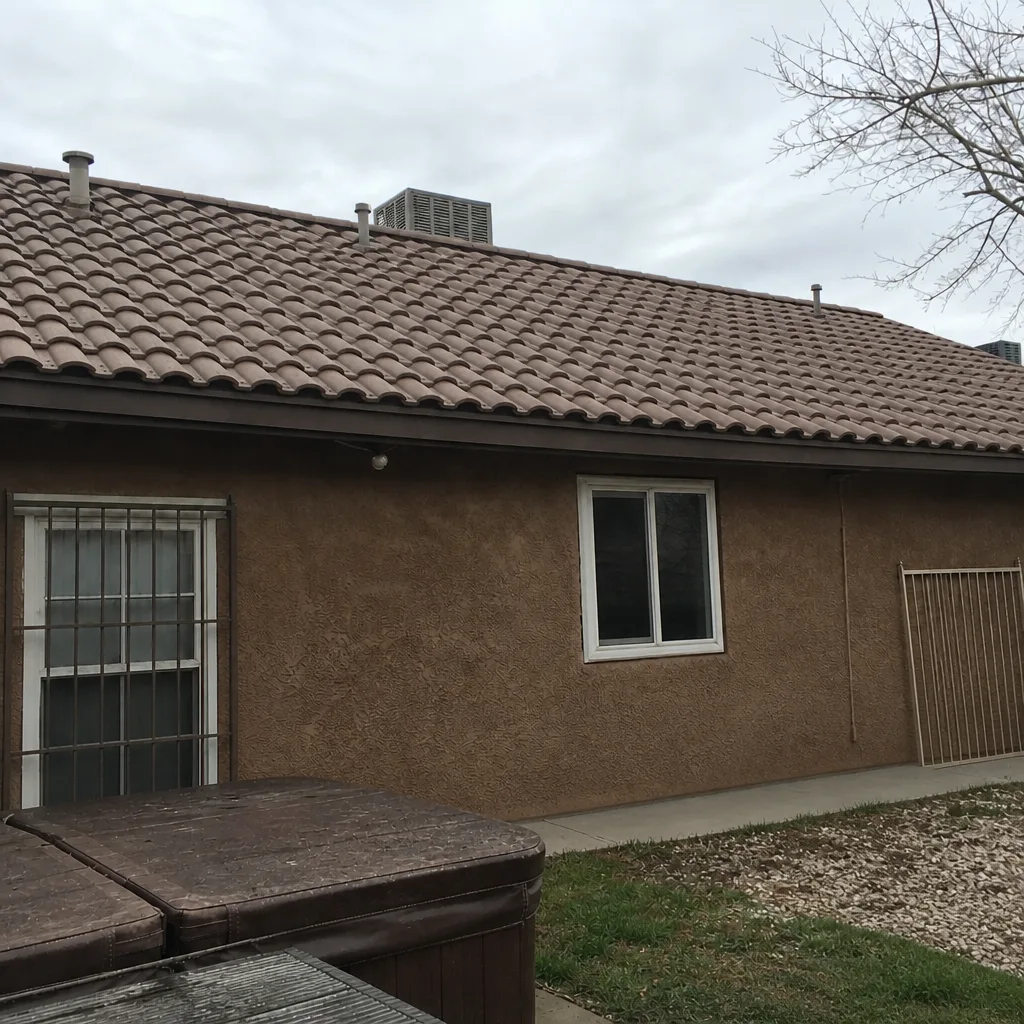
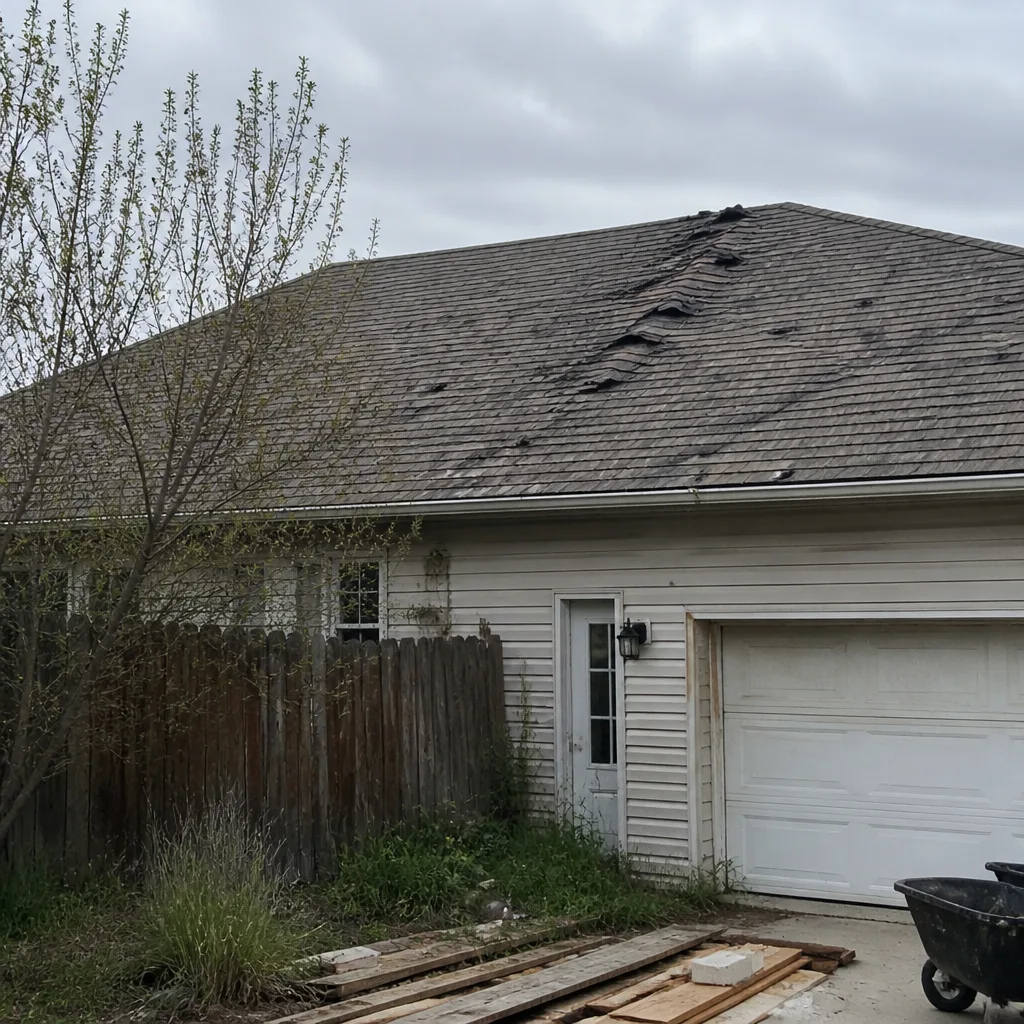
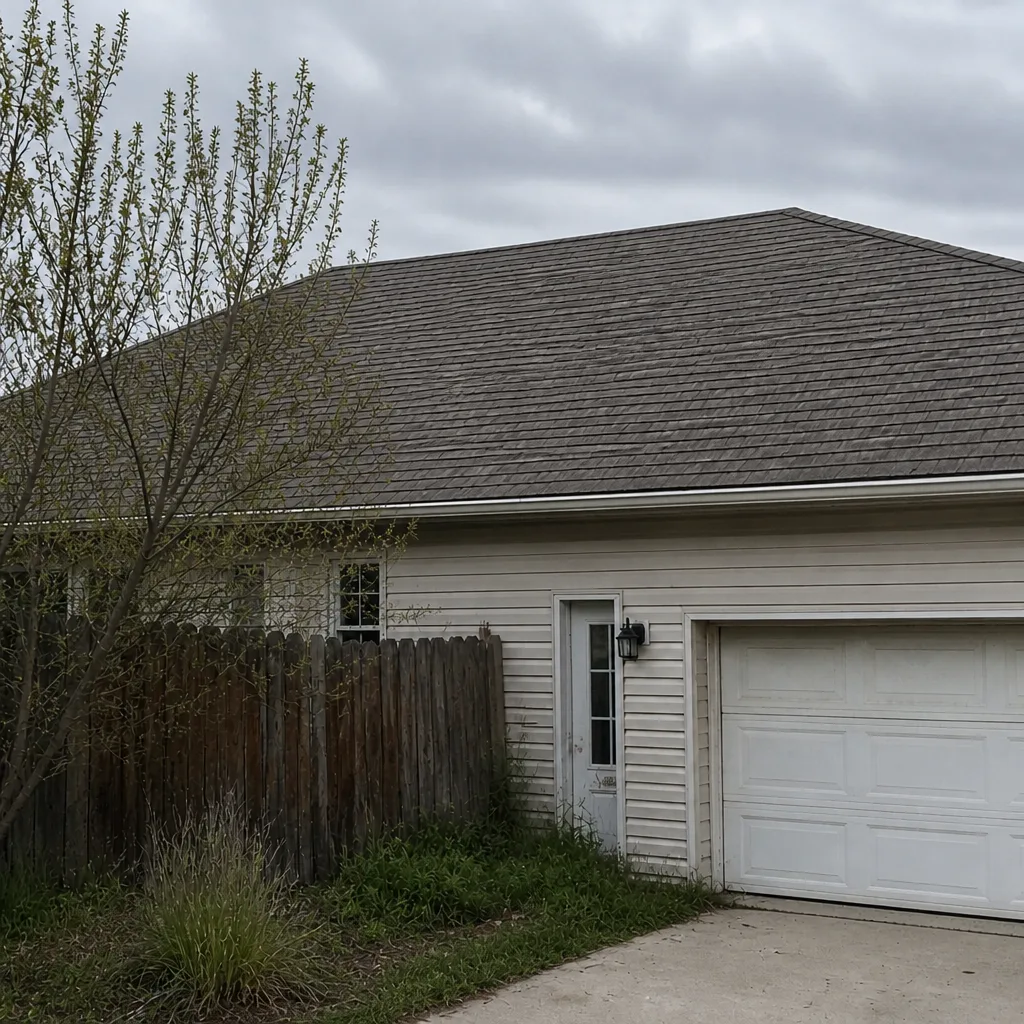
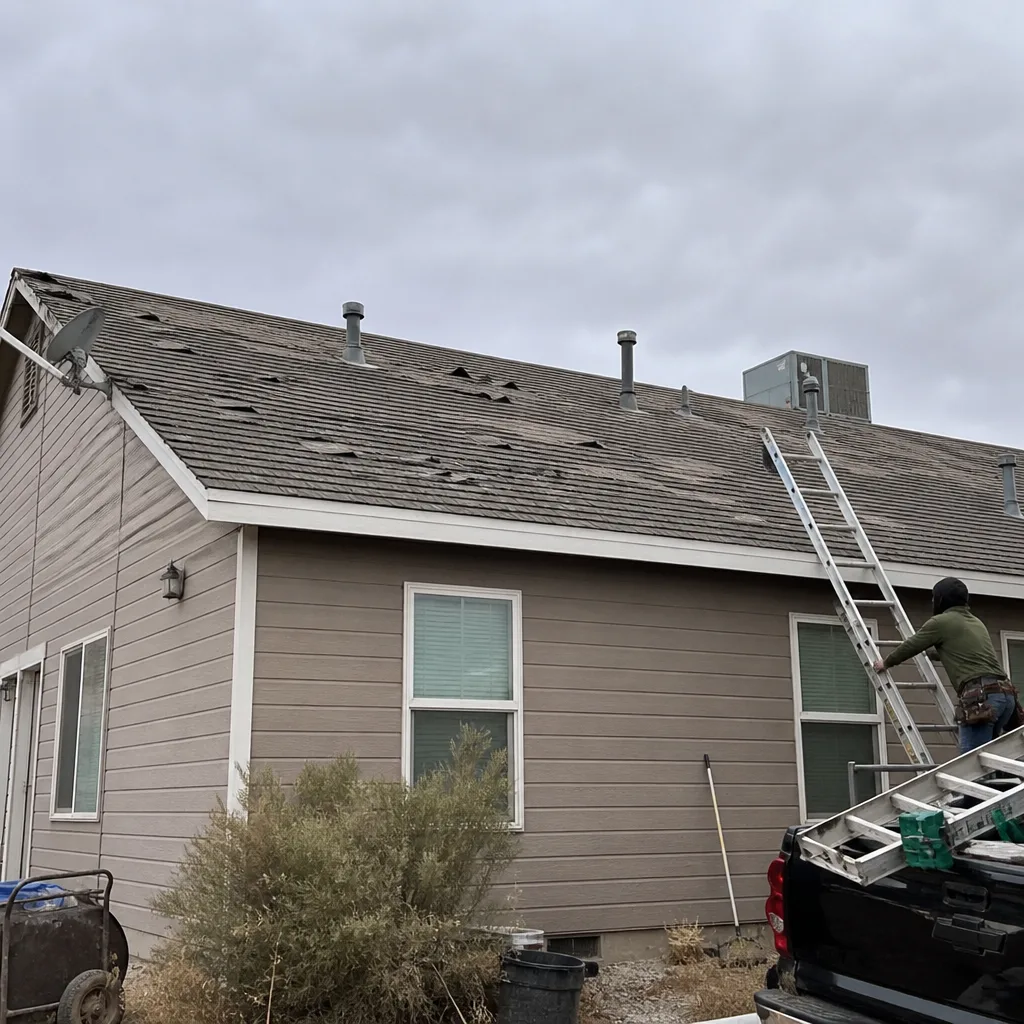
See the difference
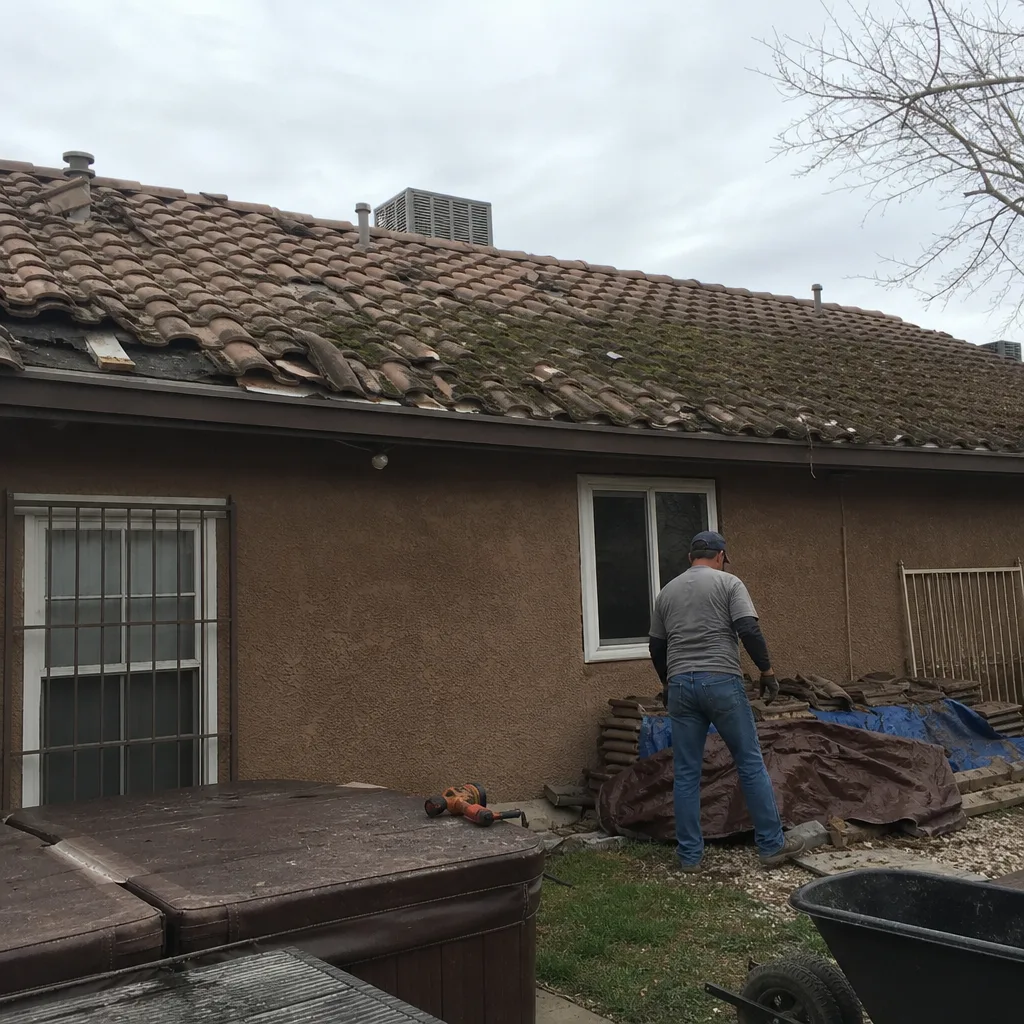 Before
 After
 Before
 After
 Before
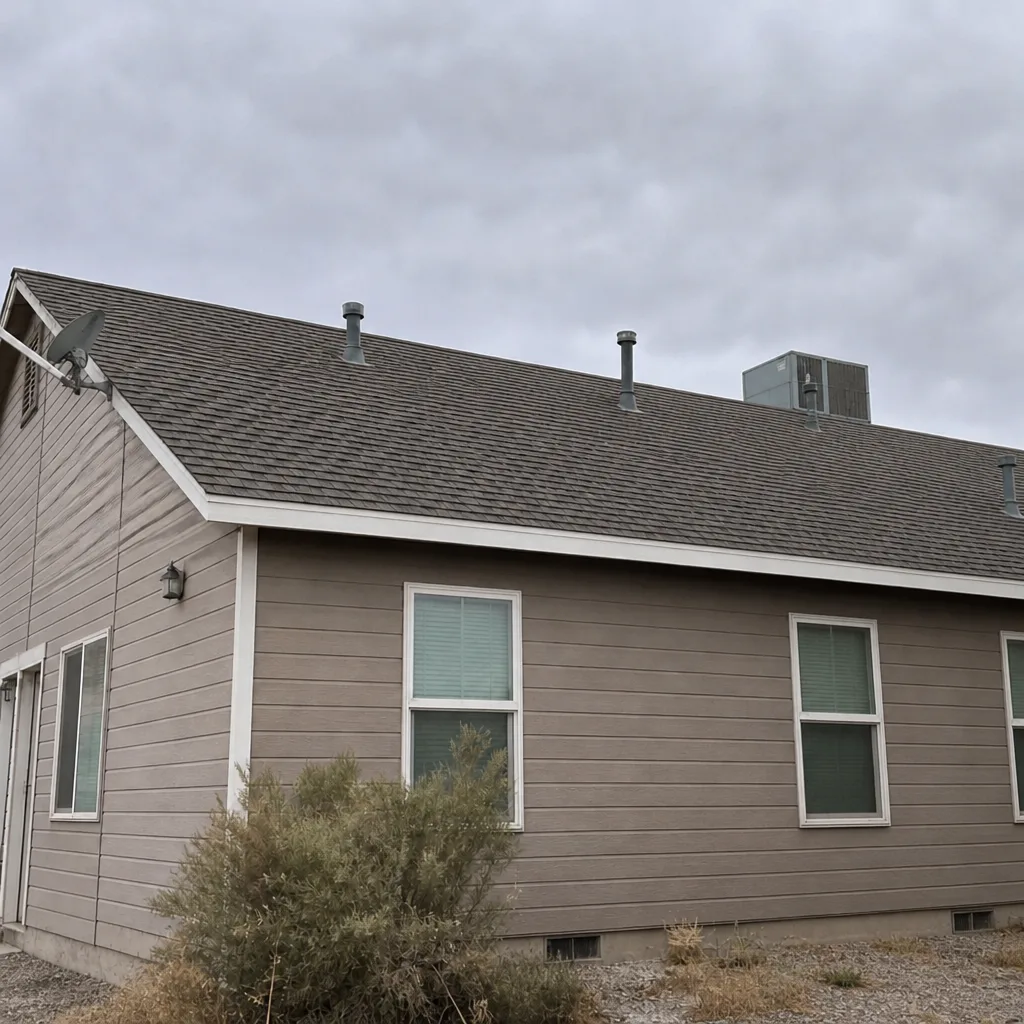 After
Common Mistakes to Avoid
- Choosing tile without a framing check. Older Enterprise homes may not be framed for the weight. Skipping the rafter assessment is the most expensive shortcut on this list.
- Reading the spec sheet instead of the climate. National-average specs don’t account for 110°F summers and monsoon runoff. Judge every material against UV, thermal cycling, and water volume.
- Comparing only the day-one price. Foam looks expensive upfront and often wins over twenty years. Tile looks affordable and can carry hidden underlayment and cracking costs.
- Ignoring HOA and permit rules. Enterprise subdivisions have color and material restrictions, and Clark County requires permits and inspections on most specialty work. Find out before you order material.
- Letting the cheapest bid set the detail work. Valleys, flashings, and penetrations are where roofs leak. A low bid that skips detailing is no deal.
- Skipping the reusable underlayer. On tile, the underlayment does the waterproofing and may need attention well before the tile itself. Planning only for the tile is a common and costly oversight.
- Hiring a crew that won’t be around. Storm season brings out-of-town crews. A written workmanship guarantee from a company that will still be here to honor it is worth more than a hundred dollars off.
When to Call a Professional
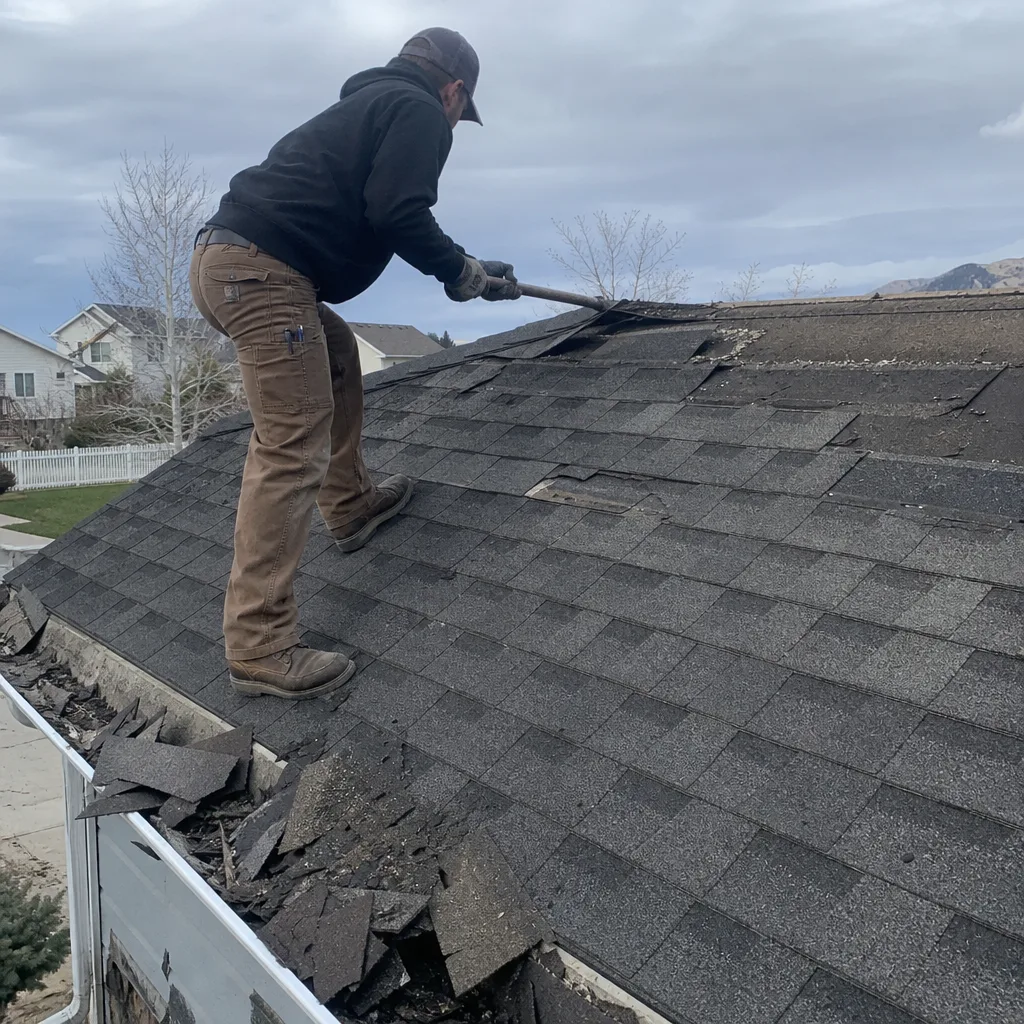
Specialty roofing involves weight, height, and structural judgment. Some of it – a cracked tile, a lifted flashing, a small leak – is a repair a trained professional handles quickly. Some of it – a tile installation on an older deck, a foam recoating, a structural change – is not work to attempt yourself, because a mistake here risks injury and a much larger bill later. If you see cracked or missing tiles, rust or lifted panels, blisters or bare patches on foam, or water stains on a ceiling after a monsoon, get a professional out to look. Ridgeline Roofing Co. Enterprise offers free estimates in Enterprise – call (844) 228-4119. We send background-checked, uniformed technicians who photograph what they actually find on your roof, so you’re deciding from facts, not a speech in the driveway.
Frequently Asked Questions
There’s no single best material; the right roof matches your home’s framing, pitch, HOA rules, and how long you plan to stay. Metal and foam generally handle UV and thermal cycling best, while tile looks timeless but adds weight and cracks under hail. Call (844) 228-4119 for a free estimate that weighs all four factors for your house.
Yes, on homes built in the late 1980s and 1990s it’s worth checking the rafters first. Concrete tile is heavy, and some older Enterprise homes were framed for lighter materials. A framing check before you order tile prevents a costly problem after the fact.
Most specialty systems and structural changes require Clark County permits and inspections, and the work has to pass inspection. Ask your contractor who pulls the permit and confirm the installer is authorized for the manufacturer line. We handle permits and inspections on every job, and free estimates spell them out.
Foam costs more on day one but has no fasteners to fail and no panels to lift, so the only ongoing cost is scheduled recoating. Over a twenty-year horizon that often beats tile or shingle. Call (844) 228-4119 and we’ll run the twenty-year math for your roof.
Life span depends on the system and how it’s detailed. Metal and well-installed tile run long, and foam lasts decades with scheduled recoating. What shortens any roof’s life here is poor detail work at valleys, flashings, and penetrations, which is where we focus. Call (844) 228-4119 for a free inspection.
Yes. We offer a free second opinion on any written estimate, so you can compare materials, permits, and detailing line by line. There’s no pressure and no obligation. Call (844) 228-4119 to schedule one.
The Bottom Line
Choosing a specialty roof in Enterprise isn’t about picking the best-looking material in a brochure. It’s about matching tile, metal, foam, or low-slope membrane to your home’s age, framing, pitch, HOA rules, and how long you plan to stay. Judge every option against UV, thermal cycling, and monsoon water, run the twenty-year math rather than the day-one price, and confirm permits and licensing before work starts. Get a framing check on older homes before tile. Avoid the cheapest bid that skips detail work. A roof done right once beats a roof done twice, and we’re here to help you get there. Call (844) 228-4119 for a free estimate.
Written by the team at Ridgeline Roofing Co. Enterprise.