
 Metal roofing
 Architectural shingles
 Tile roofing
 GAF
 Owens Corning
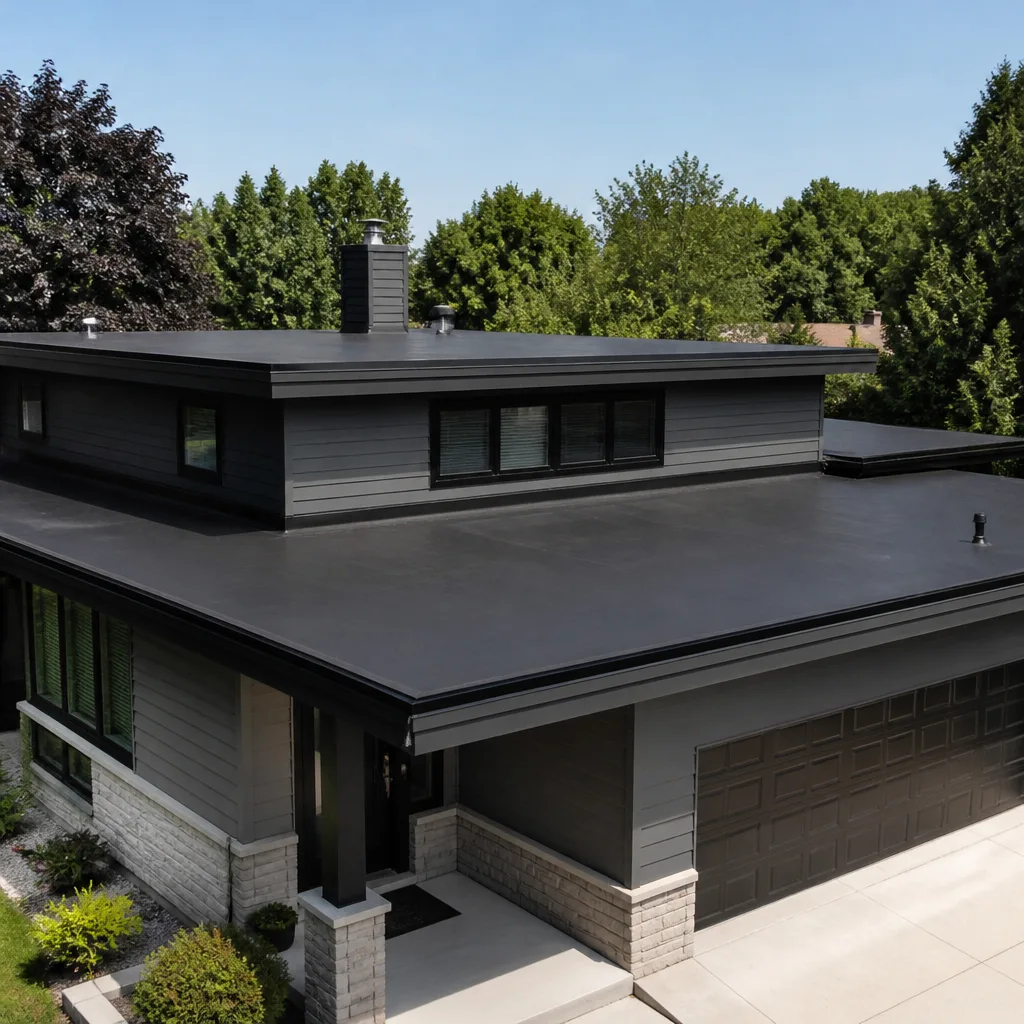 Flat & low-slope
Free roof inspection with deck photos before we talk money - GAF and Owens Corning certified installation
Styles & brands we work with
- Architectural shingles
- Metal roofing
- Tile roofing
- GAF
- Owens Corning
- Flat & low-slope
See the difference
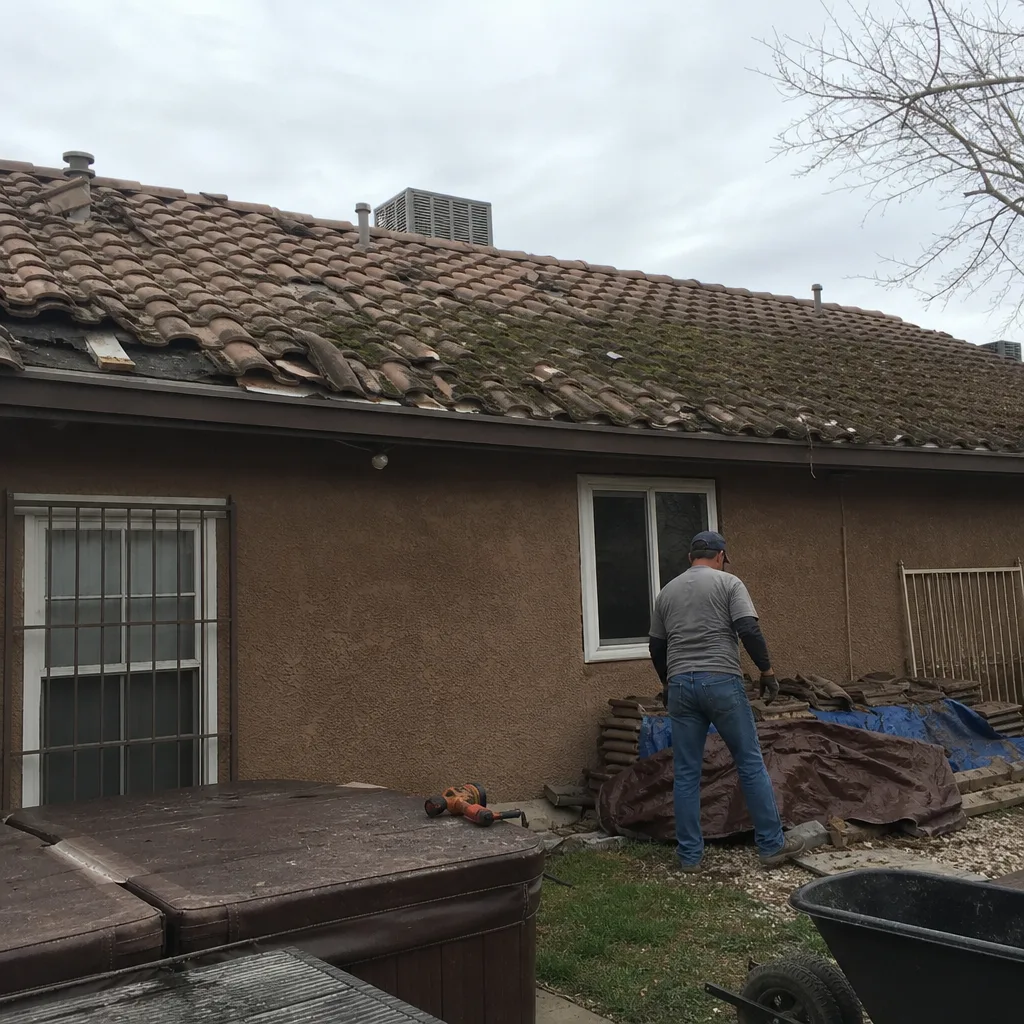 Before
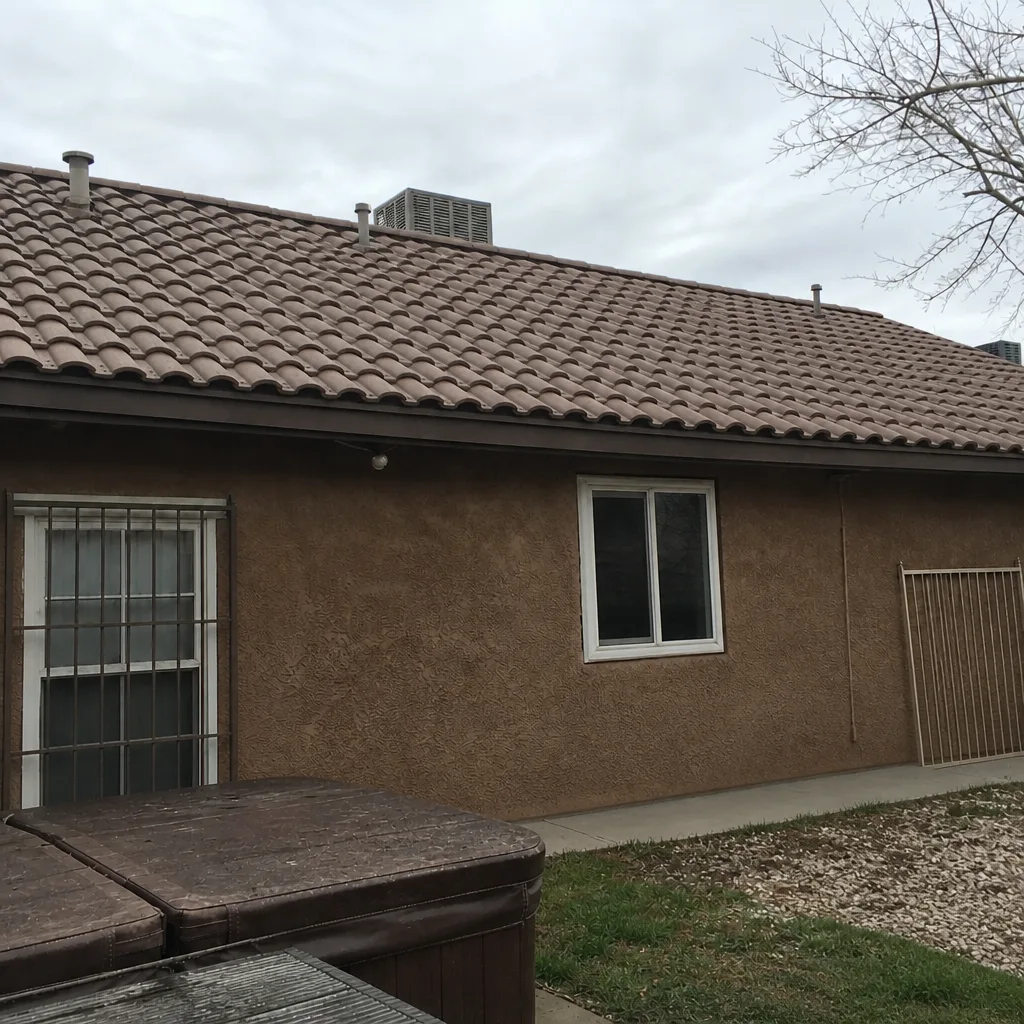 After
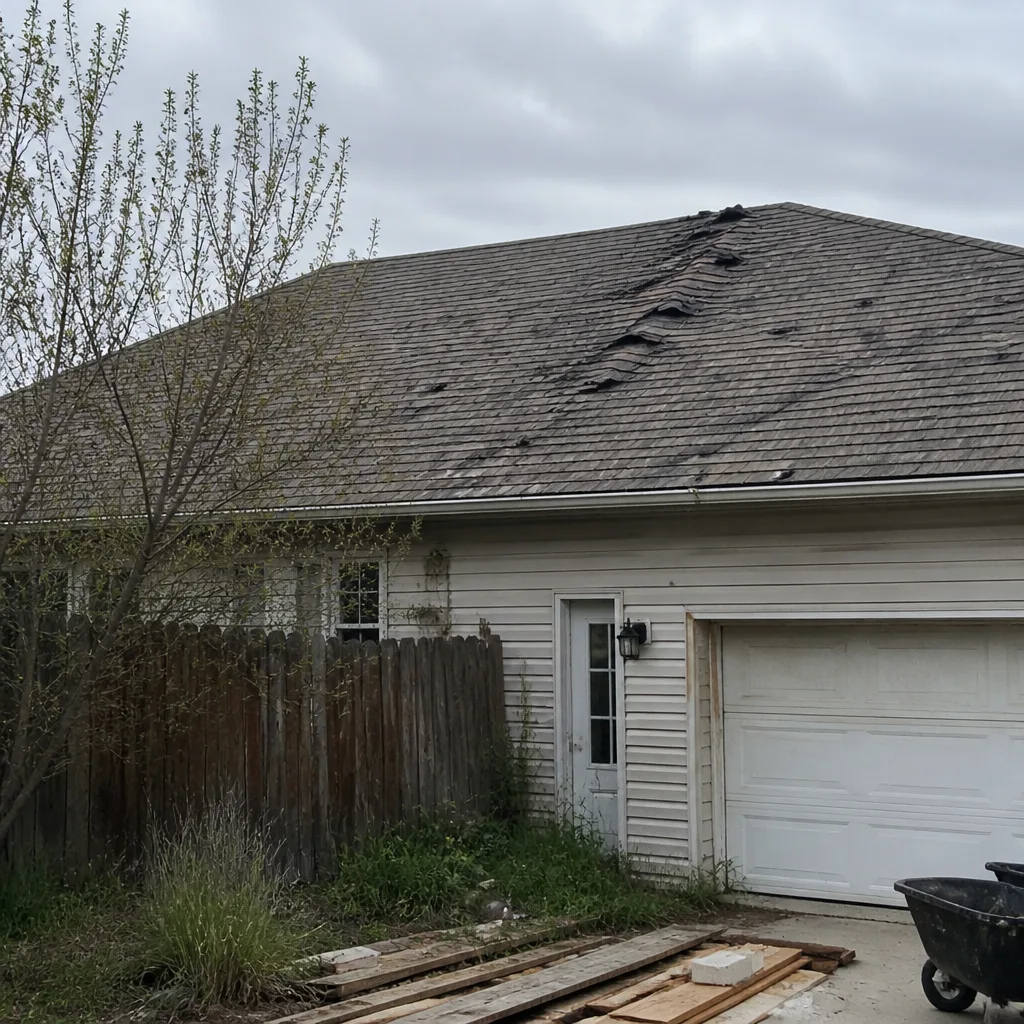 Before
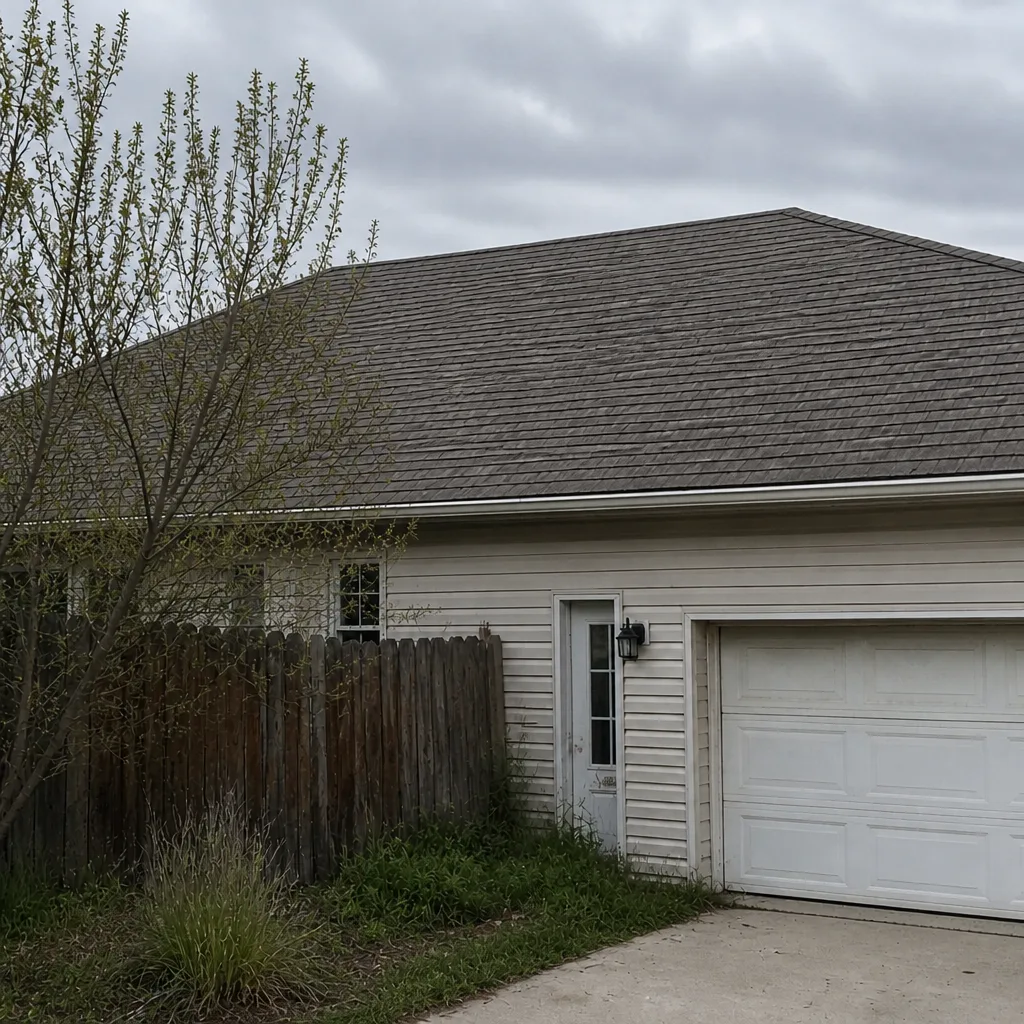 After
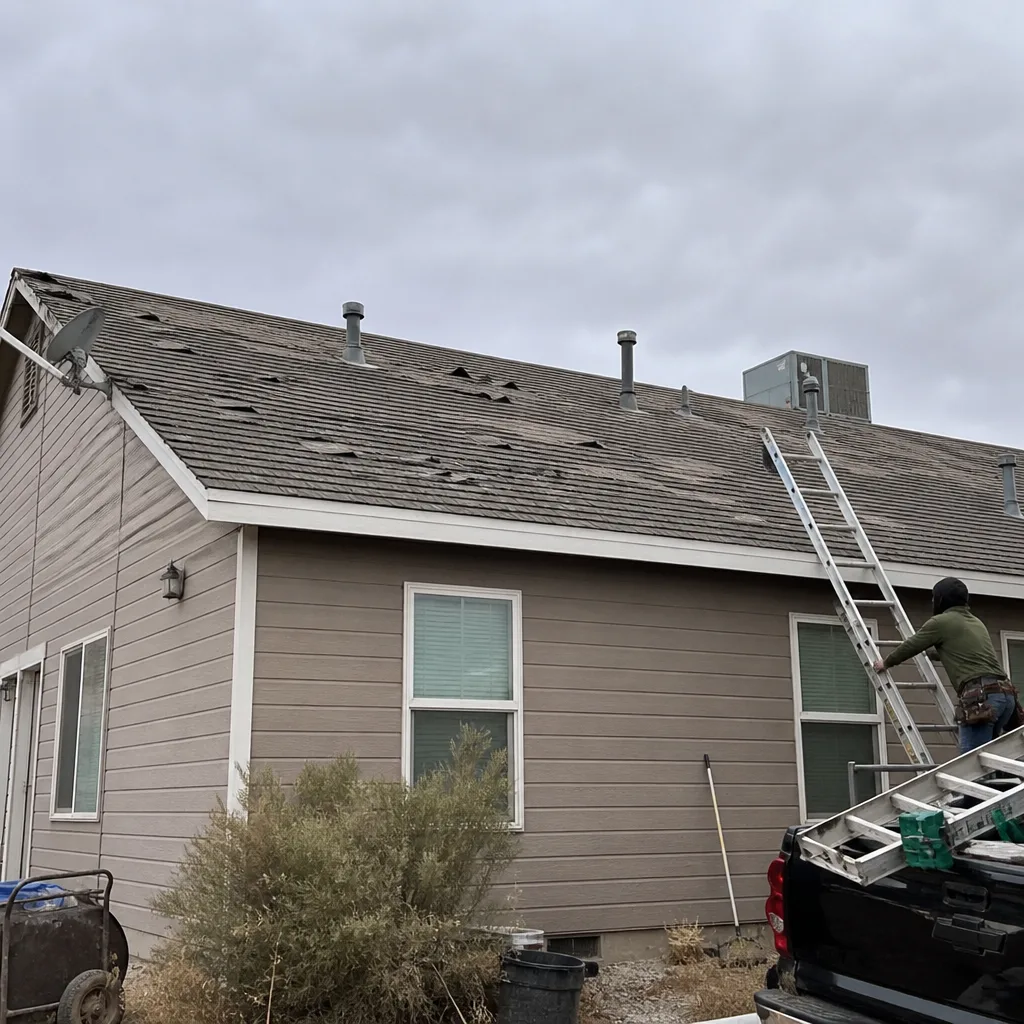 Before
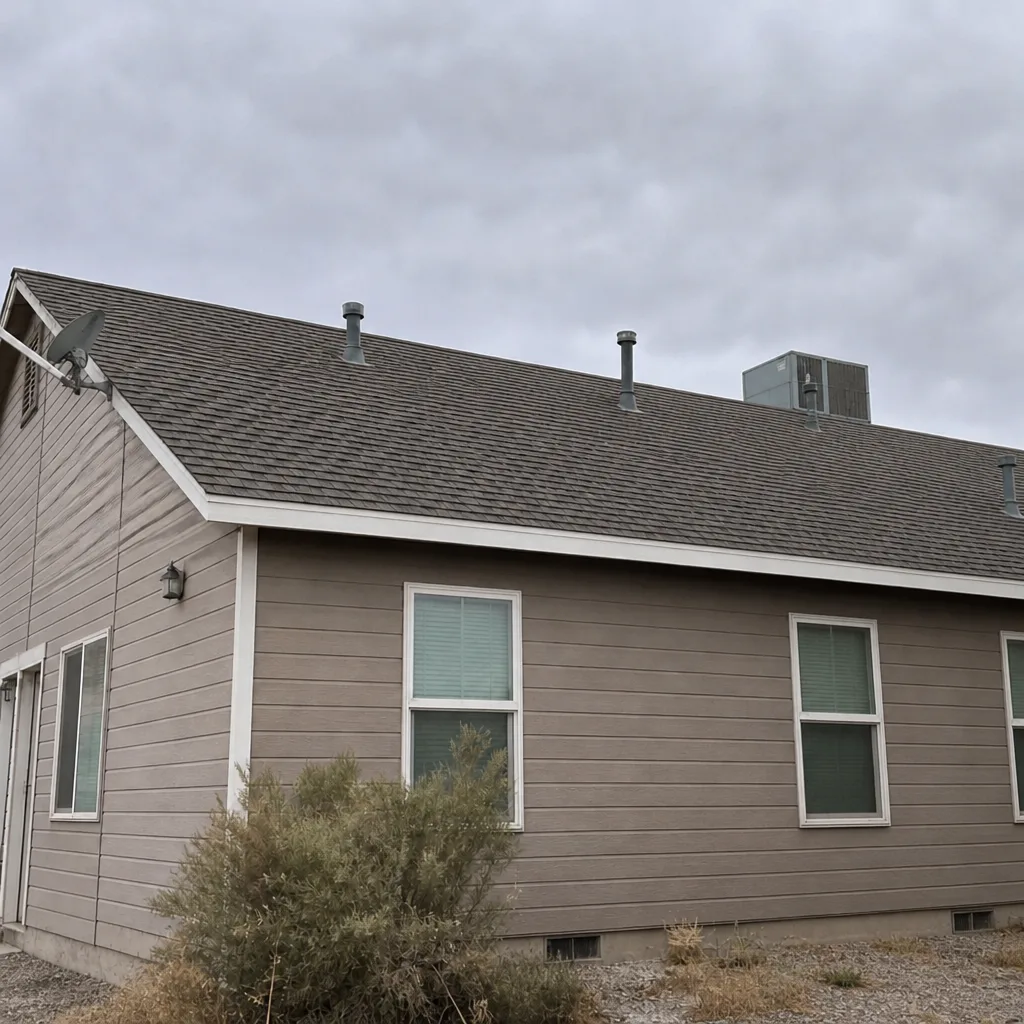 After
How to Find a Roof Leak in Enterprise, NV: Where the Water Really Goes
To find a roof leak, trace it backward from the ceiling stain using storm direction and roof type, not up from the attic with a flashlight. On Enterprise’s concrete tile roofs, the stain is almost never directly under the entry point. Water travels 3 to 8 feet laterally under the tile before it finds a deck seam to drop through, so the flashlight method finds the exit, not the entry. If you’ve patched a tile and the stain came back, that’s usually why.
We’re Ridgeline Roofing Co. Enterprise, and this is the diagnostic pattern we see most in Enterprise after a monsoon. If you’d rather have it looked at, call (844) 228-4119 – our phones are answered by a live person, around the clock. Here’s what you can check yourself, and what to leave to a trained roofer.
Why the Standard Advice Fails Here
Most leak-finding guides were written for asphalt shingle roofs in wet climates. On shingle, water drops close to vertically and reaches the stain within a foot or two of entry. Enterprise doesn’t work that way. Built out largely from the 1990s through the 2010s, most of this community’s roofs are original or first-replacement concrete tile, with some clay tile, a smaller share of shingle, and more low-slope foam roofs on stucco-clad homes in the newer subdivisions.
Tile systems channel water along the pan profile. When a microburst delivers rain at a wind-driven angle off the McCullough Range, an entry at a ridge or flashing can push moisture several feet along the deck before it drops. The roof then dries completely between storms, leaving no active trace to follow. That disconnect is what sends homeowners patching the wrong tile.
- Concrete tile: water runs along the pan and can enter 4 to 8 feet horizontally from where it exits your ceiling.
- Foam roofs: moisture passes through cracks in the coating, so the leak source is often a hairline you can’t see from the ground.
- Asphalt shingle: closer to the vertical pattern most guides describe, but wind-lifted tabs still drive water sideways under the course above.
What You Can Safely Check Yourself
These four steps don’t require walking on a tile roof, which we don’t recommend. Do not walk on concrete tile to inspect it. The tile is brittle, it cracks underfoot, and a slip near a valley is how ER visits happen. Stay on a ladder at the eave or work from the ground with binoculars.
- Note the timing and direction of the stain. Which storm preceded it? Wind direction matters more than rainfall total. McCullough Range microbursts typically arrive from the southeast, so a stain that appears after a southeast gust tells a roofer where to start looking.
- Look for gravel in valley pans. Wind-blown desert gravel gathering in valleys and scuppers is a sign of drainage backup. This pattern is tied to Enterprise’s position at the base of the McCullough Range, not valley-wide conditions.
- Check for chalky white powder on foam areas. That powder is coating failure. Once the coating degrades, moisture passes right through, and the leak source may be a spot that looks intact.
- Test ridge tiles for movement with gentle hand pressure from a ladder. A rocking ridge tile after a gust usually means the fasteners or sealant have let go. Do not climb onto the ridge to check.
Why the “Run a Hose” Test Misleads You
A garden hose cannot replicate a 70 mph wind-driven monsoon infiltration angle. The entry gap on a tile or flashing detail only opens under dynamic wind load; at static hose pressure, the same gap stays closed and the test comes back dry. That false negative sends homeowners into a repair that fixes nothing, and the stain returns at the next real storm. Skip the hose. Document the storm instead.
What to Document Before a Roofer Arrives
Good pre-documentation shortens the diagnostic time and leads to a more accurate quote. Gather these four things before anyone climbs up:
- Photo of the ceiling stain with a timestamp.
- Which storm event preceded it, by date.
- The approximate wind direction from the news report or your own observation.
- Any prior repairs to that area of the roof, including which tiles were replaced.
We also see plenty of leak calls that turn out to be something else: a failed underlayment nearing end of life, or a stopped-up gutter backing water under the eave. If you’re not sure whether it’s a leak or a drainage problem, our Roof Repair page walks through the difference.
How a Real Inspection Works
A thorough inspection documents the actual entry point with photos taken from your roof surface, not a verbal description from the driveway. That photo record matters for two reasons: it tells you exactly what failed and why, and it’s useful documentation if you file an insurance claim. It also eliminates the “we couldn’t find it” non-answer homeowners get from less thorough outfits.
Our technicians have up to 10 years of experience and are background-checked and uniformed on every job. We install products from seven manufacturer lines, including CertainTeed and Owens Corning, so a repair uses the right material for your roof rather than a substitution. Every job is backed by our written 90-Day Done Right Promise: if it isn’t right, we come back and make it right, with no paperwork and no arguing. For a closer look at what we handle, see Roof Repair in Enterprise.
Common Local Scenarios We See in Enterprise
After a monsoon gust, we regularly find whole ridges of concrete tile flipped and the underlayment exposed. The homeowner noticed a ceiling stain two rooms over. In the newer subdivisions, we see foam-coated roofs where UV degradation has chalked the surface and moisture is entering at a hairline the homeowner never saw. And on the 1990s original tile, we find underlayment that’s simply reached the end of its service life after years of extreme summer heat. Enterprise roofs have to survive both that UV load and violent downbursts off the mountains, often on systems that hide damage until a leak appears.
When It’s Time to Call a Professional
If you’ve checked the four homeowner-safe items and the stain is still a mystery, or if the leak is near a valley, ridge, or flashing detail, that’s when a trained roofer earns their keep. Tracking lateral water travel under tile takes an on-roof look and a working knowledge of how these systems fail in this climate. Call (844) 228-4119 for a free estimate, or to get a free second opinion on any written estimate you already have.
FAQs
Start from the stain and work backward using storm direction, not straight up through the attic. On tile roofs, water travels 3 to 8 feet laterally before it drops, so the entry is usually offset from the stain toward the direction the wind was blowing. A roofer traces it on the roof surface; the attic only shows you where the water exited.
No – the hose test fails on Enterprise tile and foam roofs because it can’t recreate a 70 mph wind-driven infiltration angle. The entry gap only opens under dynamic wind load, so static hose pressure produces false negatives. Document the storm event and call for an inspection instead.
Photograph the ceiling stain with a timestamp, note which storm preceded it, note the approximate wind direction, and look for gravel in your valley pans and chalky powder on any foam coating. Bring those four things to the call and the diagnostic visit gets shorter and the quote more accurate.
Our phones are answered by a live person 24/7, including nights and weekends, so call (844) 228-4119 the moment you notice an active leak. We’ll talk through what to document while you wait and get an assessment scheduled. Estimates are free.
If you’d rather have it looked at, Ridgeline Roofing Co. Enterprise offers a no-pressure assessment in Enterprise. We’ll photograph the exact entry point, explain what failed, and quote a square deal – the price we quote is the price you pay. Call (844) 228-4119 for a free estimate.
Written by the team at Ridgeline Roofing Co. Enterprise, serving Enterprise, NV.