
 Tile roofing
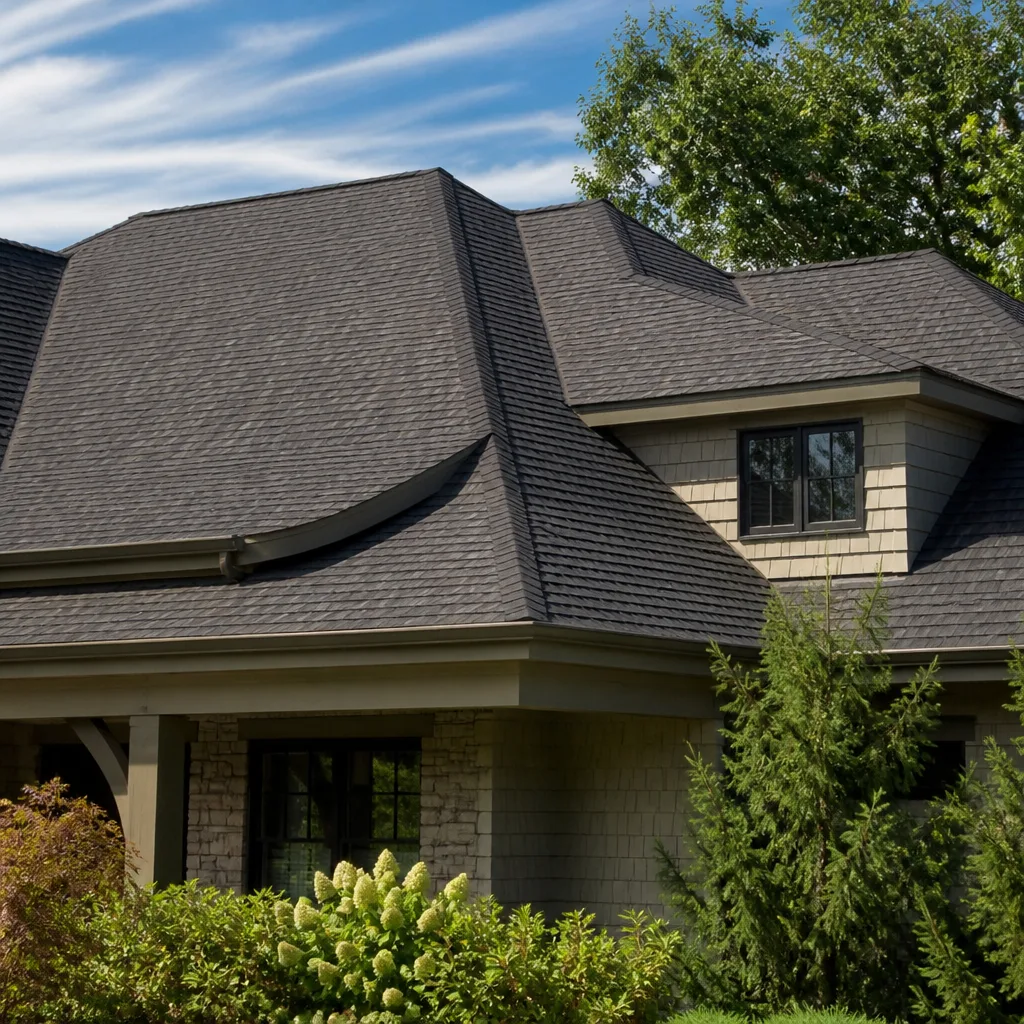 Architectural shingles
 Metal roofing
 GAF
 Owens Corning
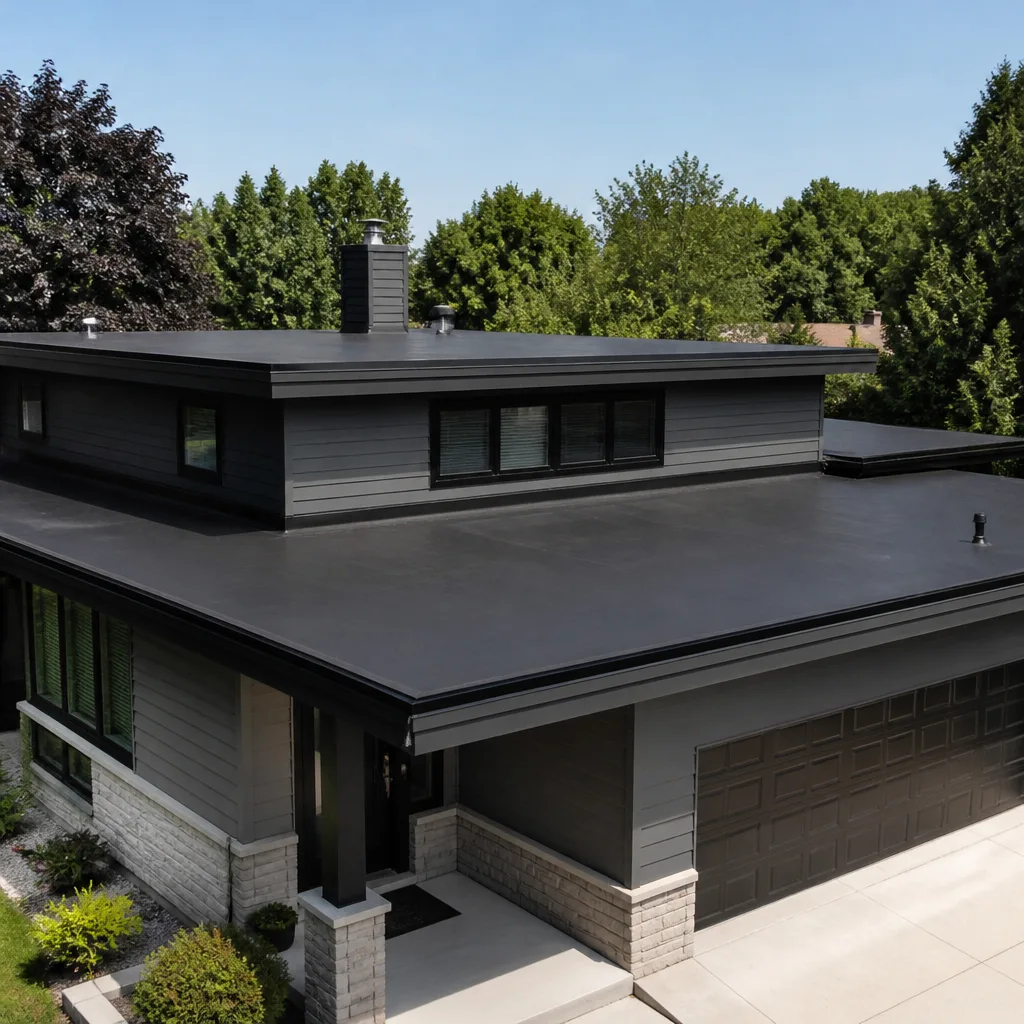 Flat & low-slope
Free roof inspection with deck photos before we talk money - GAF and Owens Corning certified installation
Styles & brands we work with
- Architectural shingles
- Metal roofing
- Tile roofing
- GAF
- Owens Corning
- Flat & low-slope
See the difference
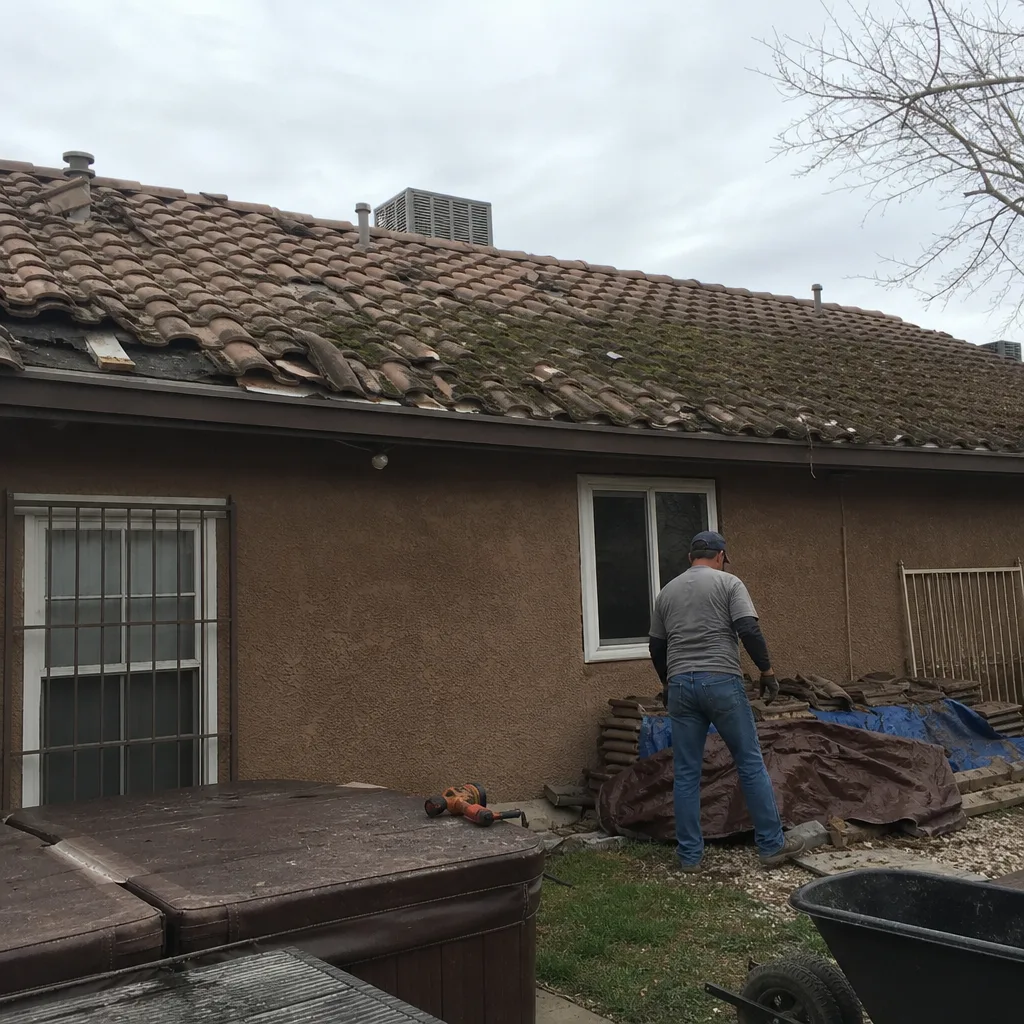 Before
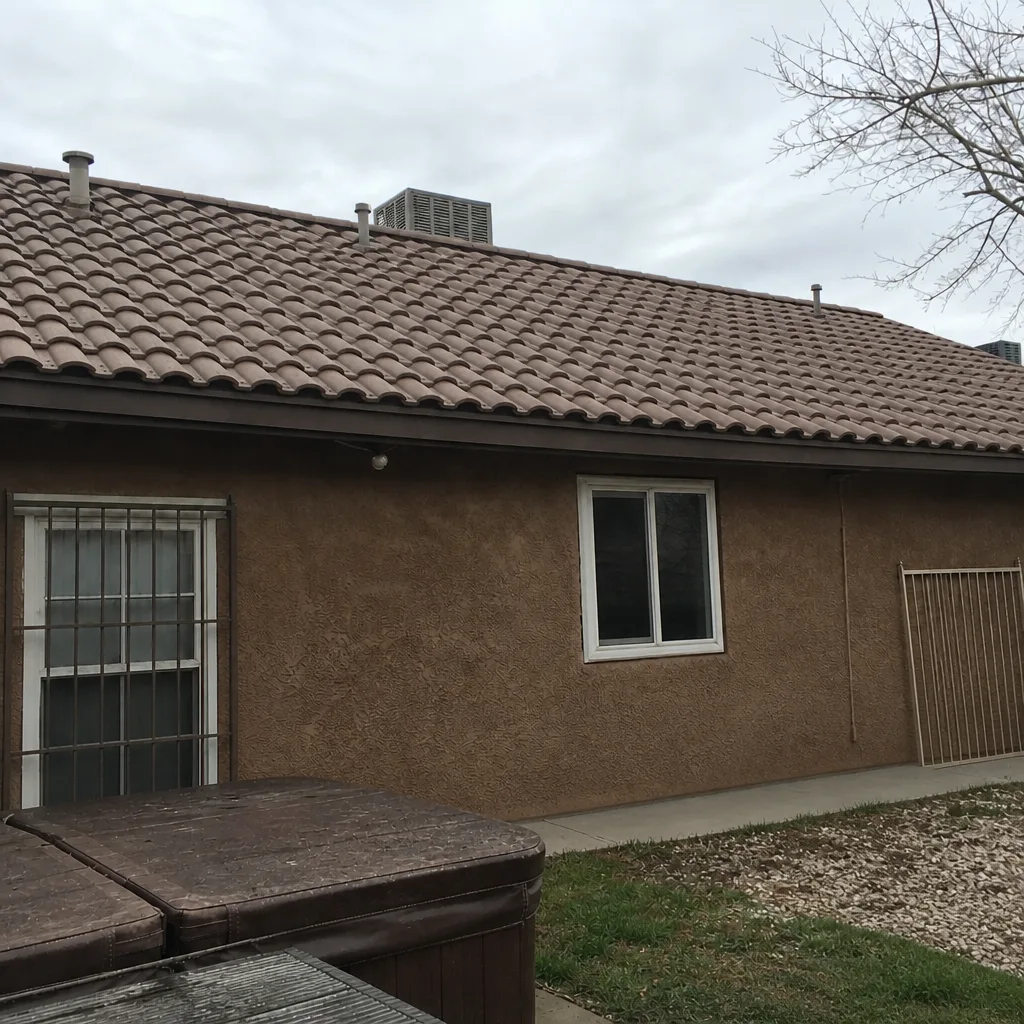 After
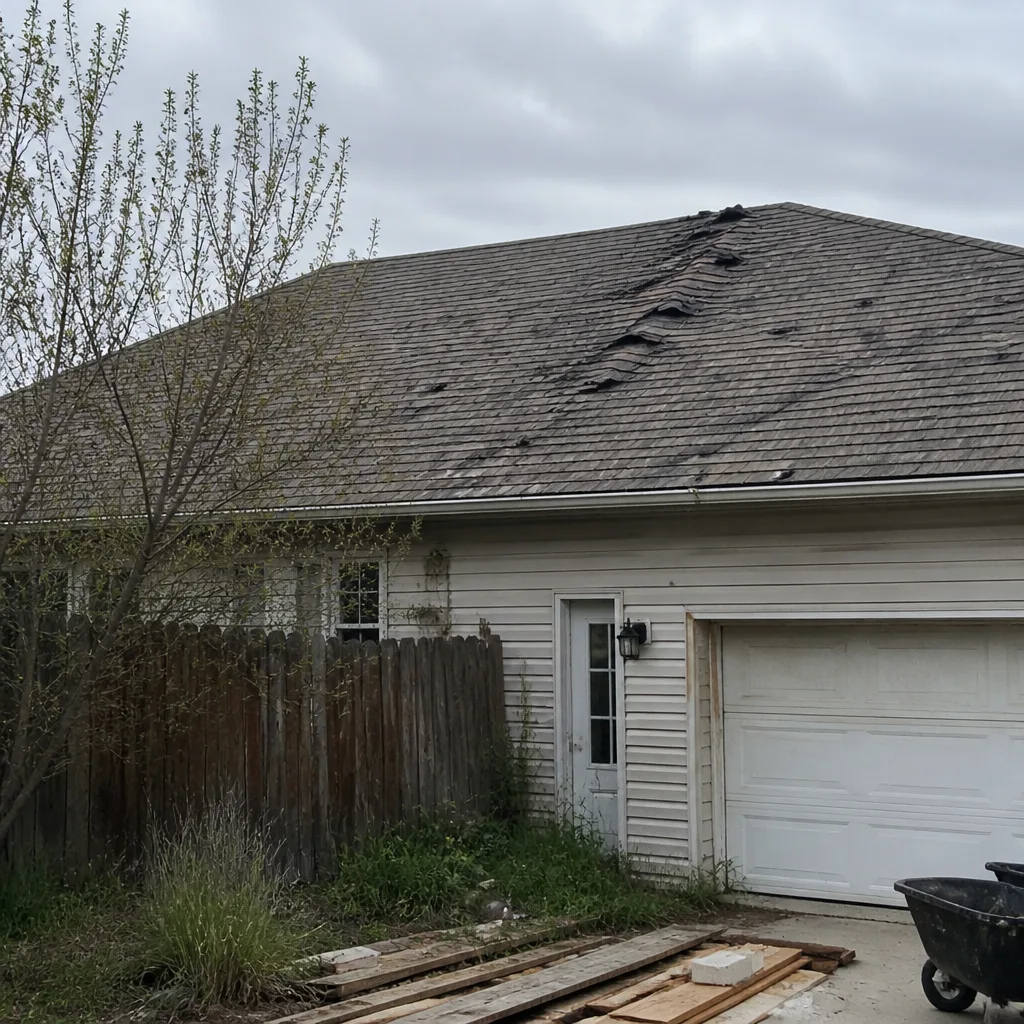 Before
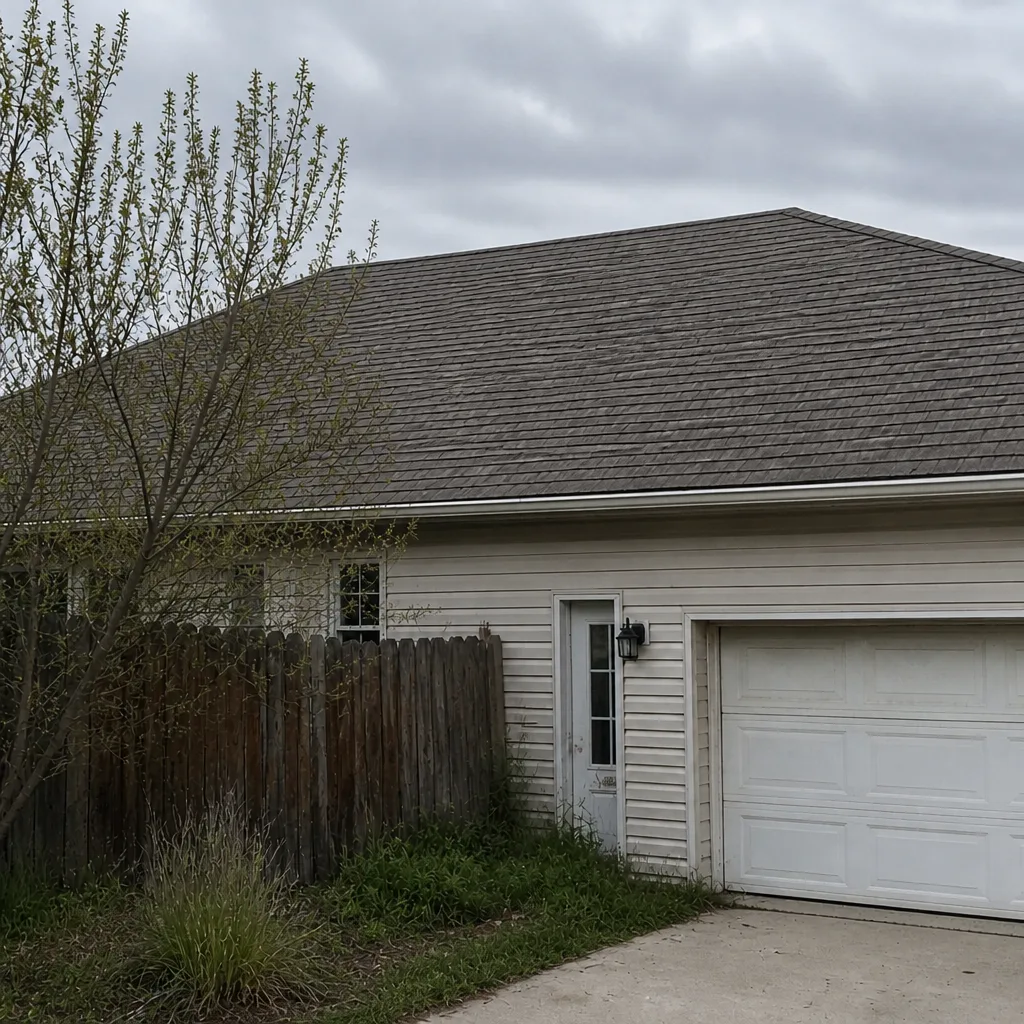 After
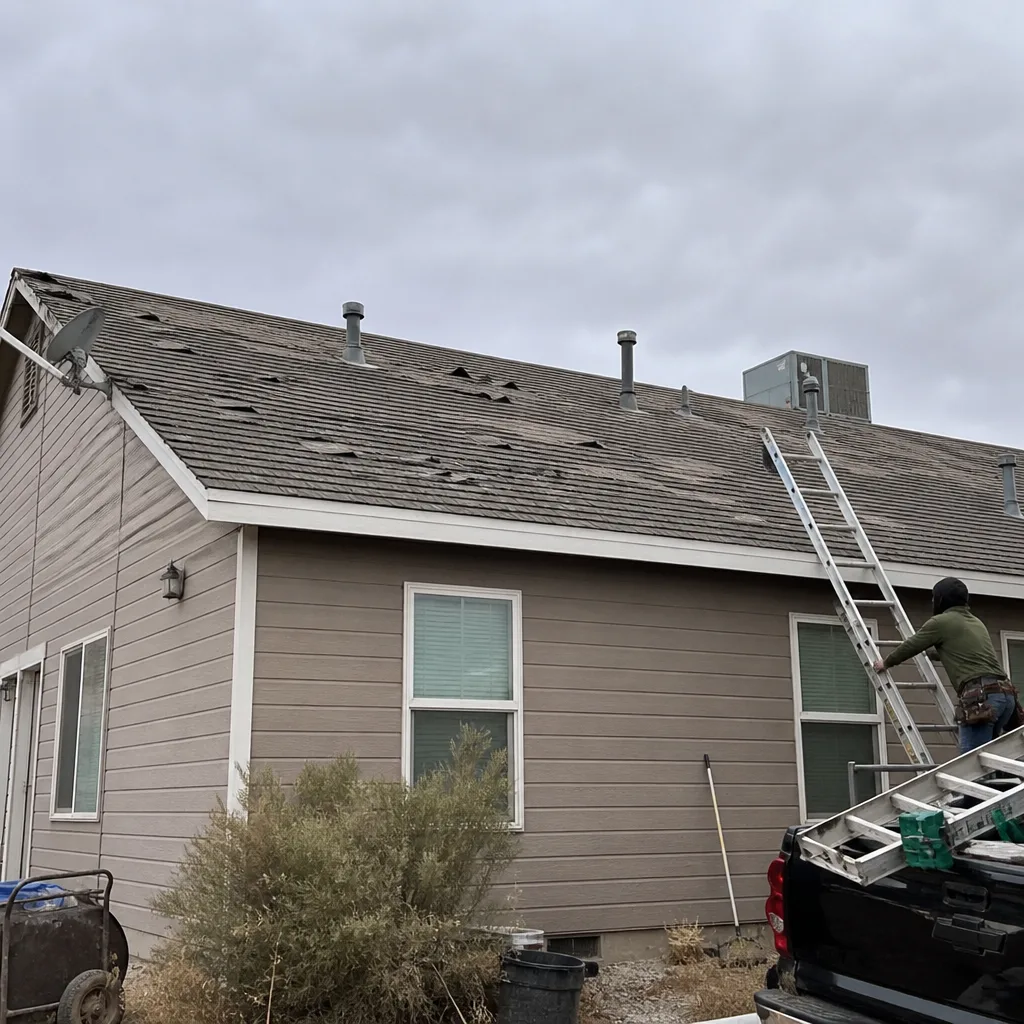 Before
 After
How Long Does a Tile Roof Last in Enterprise, NV? The Tile Outlasts the Underlayment
The short answer: the tile itself usually lasts 50 years or more, but the underlayment beneath it lasts 15-25 years in Enterprise’s climate. That distinction matters more than any single lifespan number, because the underlayment is what actually fails first and what causes the leaks homeowners blame on tile.
If someone tells you a tile roof lasts 50 years, they are right about the tile. They are not telling you about the felt or synthetic underlayment under those tiles, which sees Enterprise’s 300-plus days of UV every time a tile is lifted or a ridge cap cracks. That layer has a 15-25 year clock, and on most original-owner Enterprise homes built in the 1990s and 2000s, that clock has already run out or is running low, whether the tile looks fine from the street or not. If you’d rather have a trained eye confirm where your roof stands, Ridgeline Roofing Co. Enterprise is at (844) 228-4119, and estimates are free.
Why the Tile and the Underlayment Have Two Separate Lifespans
Concrete tile in a desert climate is almost inert. UV, rain, and freeze cycles degrade it so slowly that a well-installed 1990s concrete tile roof in Enterprise may still have 20-30 years of functional life left even as the underlayment beneath it has already failed. The tile is a durable body with almost nothing to break down. The layers underneath are where the real clock is running.
Standard 30-lb felt underlayment beneath tile typically reaches brittleness, the point at which it no longer seals around nail penetrations, in 15-18 years here, compared to 20-25 years in a moderate climate. That difference moves the underlayment re-lay window from a theoretical future concern to a present maintenance item for most of the community’s original roofs. The felt cracks; water enters; the homeowner sees a stain on a ceiling in a house whose tile looks brand new.
Clay tile, which covers a smaller share of Enterprise homes, adds an ironic twist. The clay body carries a documented 60-100 year lifespan, which can create a false sense of security on a system where the underlayment beneath a 30-year-old clay roof is already well past its service date. The tile will outlive all of us. The felt under it will not.
The Tile Lifespan at a Glance
| Roof Component | Typical Service Life | What Fails First Here |
|---|---|---|
| Concrete tile body | 50+ years | Rarely the tile itself; occasional freeze cracking |
| Clay tile body | 60-100 years | Aesthetic fading, not structural failure |
| 30-lb felt underlayment | 15-18 years in Enterprise | UV brittleness and nail puncture tears |
| Synthetic underlayment | 20-25 years in Enterprise | Heat degradation of the barrier layer |
| Ridge-cap mortar and sealant | 10-15 years | UV drying, wind uplift, freeze cracking |
The Failure Sequence That Hides a Bad Underlayment From the Street
Enterprise sits at the south edge of the Las Vegas Valley directly beneath the McCullough Range, and the roof failures here follow a pattern tied to that location. First, UV dries out the ridge-cap mortar and sealant. Second, wind lifts individual ridge tiles during a monsoon microburst off the mountains, exposing the underlayment to direct sun. Third, that exposed section dries and cracks within a single summer season, creating a leak path that wicks water laterally under adjacent tiles that look intact from the outside.
After a monsoon gust, we routinely find whole ridges of concrete tile flipped and the underlayment exposed, with wind-blown desert gravel gathered in valley pans and scuppers. That’s a pattern tied to Enterprise’s position at the base of the McCullough Range, not to valley-wide conditions, and it’s why roofers in older, denser parts of the valley rarely see exactly this failure mode.
The key point: a homeowner walking the perimeter of their Enterprise house will almost never spot the problem. The tile looks fine. The failure is in the layer the tile is hiding.
How Ridgeline Actually Checks a Tile Roof in Enterprise
Our photo-documented inspections lift ridge tiles and hip tiles, the specific rows most exposed to UV and wind, and photograph the underlayment condition directly. That gives a homeowner a dated image record of exactly how much service life remains, rather than a verbal estimate delivered from the driveway. Our technicians have up to 10 years of experience, they’re background-checked, and they arrive in uniform. They show you the picture; they don’t give you a scary speech.
Any tile repair or re-lay we do is installed with the proper underlayment and backed by the 90-Day Done Right Promise: a written workmanship guarantee with no paperwork, no arguing, no runaround. If it’s not right, we come back and make it right. Learn more about our full Tile Roofing in Enterprise services, or start at our home page to see everything we handle.
What to Look For on Your Own Enterprise Roof
- Any ridge or hip tiles that sit loose, shifted, or askew after a monsoon gust
- Crumbling or missing mortar at the ridge caps
- Interior ceiling stains appearing after summer rain, especially below a ridge line
- Gravel and dust packed into valley pans and scuppers, and holding moisture
- Tile cracking after a rare freeze event, particularly on flat or low-pitch sections
Checking for loose ridge caps by eye from the ground is safe. Lifting tiles to inspect the underlayment is not; roof work at height on a tile system is a fall and a break hazard, and a lifted tile that cracks can open a leak. That is a job for a trained technician with the right equipment.
What About the Delay Before Underlayment Failure in Enterprise?
A failed underlayment doesn’t always leak immediately, and that’s what makes it dangerous. In Enterprise, the tile above can be fine for years after the felt beneath has turned brittle. The underlayment slowly tears at nail heads, letting small amounts of monsoon moisture through. The homeowner notices nothing until a rare heavy downpour, or until a stain appears on a ceiling in a room they’ve walked past every day.
The work of replacing underlayment without replacing the tile is a specific job: lift each tile by hand, replace the felt beneath, re-set the tile, and re-point the ridge and hip with fresh mortar and sealant. Clay tile is more brittle and calls for a lighter touch. We install underlayment systems from GAF and CertainTeed, and we don’t substitute a lesser material to save a dollar. It’s the layer doing all the work in this climate; proper materials matter.
FAQs
The tile itself typically lasts 50 years or more, while the underlayment beneath it lasts roughly 15-25 years in Enterprise’s UV load. That means the useful question for most homeowners is not tile lifespan but underlayment lifespan, because that is the layer actually on the clock. Call (844) 228-4119 for a free inspection and a clear answer on your own roof.
In most cases, a re-lay of the underlayment is dramatically less expensive than a full tile replacement, because the tile is the expensive part and it usually doesn’t need to go. Repairing a small area of failed underlayment and re-pointing the ridge runs a fraction of a full replacement. An inspection with photos tells you which path your roof needs. Estimates are free, so call (844) 228-4119.
Not meaningfully. A visual inspection from the ground or a drone will tell you whether the tile is intact, but it cannot tell you the condition of the underlayment, which is the layer that actually fails first. Our inspections lift the ridge and hip tiles so we can photograph the underlayment directly. Call (844) 228-4119 to schedule one.
Yes, especially if your Enterprise home was built in the 1990s or 2000s and the underlayment has never been re-laid. Most underlayment failures in this climate are invisible from the ground until a leak shows up inside. A dated photo record of your underlayment is the only reliable way to know how much service life is left. Call (844) 228-4119 for a free assessment.
Get a Straight Answer on Your Enterprise Roof
If you’d rather have it looked at, Ridgeline Roofing Co. Enterprise offers a no-pressure assessment in Enterprise. We’ll lift the right tiles, photograph the underlayment, and tell you plainly whether you’re looking at a re-lay, a spot repair, or a full replacement, with no scare tactics and no hard sell. The phone is answered by a live person around the clock, including nights, weekends, and the middle of a storm. Call (844) 228-4119 for a free estimate, or learn more about our tile roofing services in Enterprise.
Written by the team at Ridgeline Roofing Co. Enterprise, serving Enterprise, NV.