
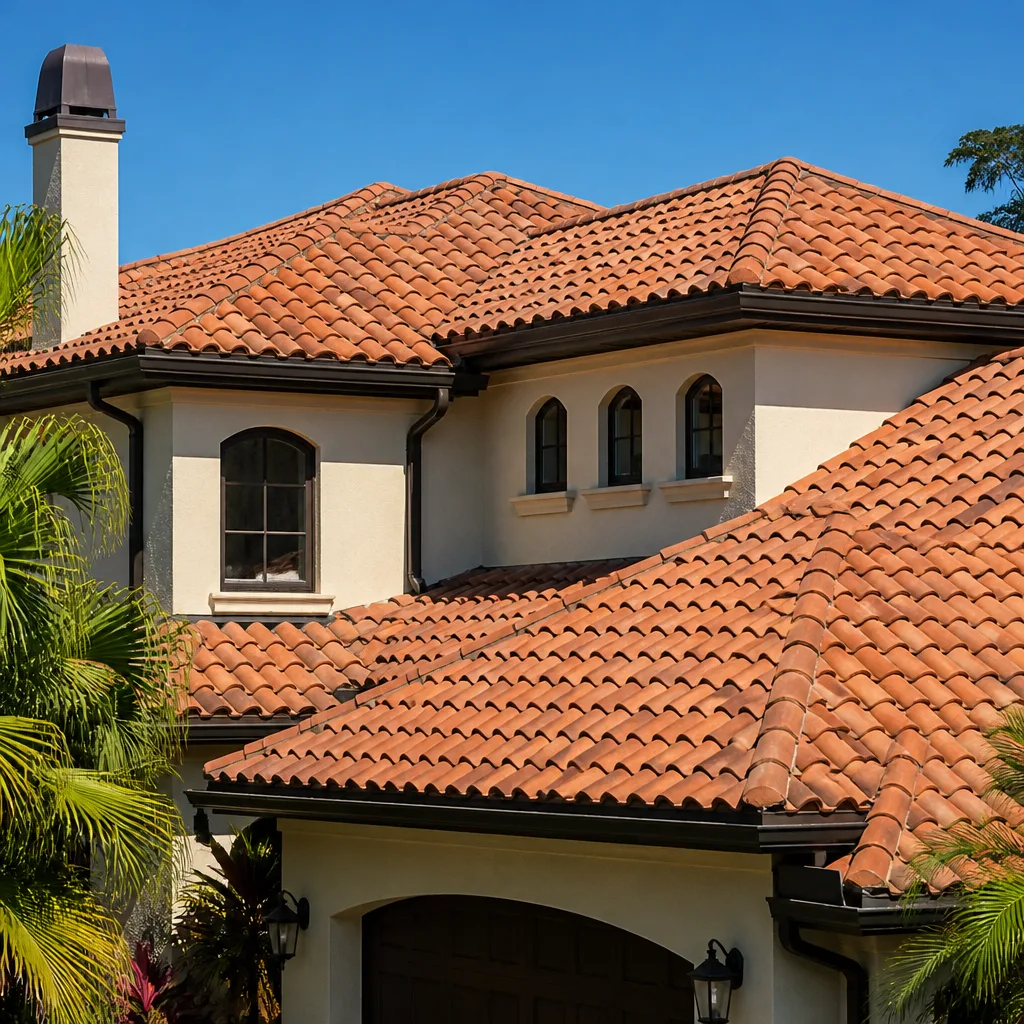
 Tile roofing
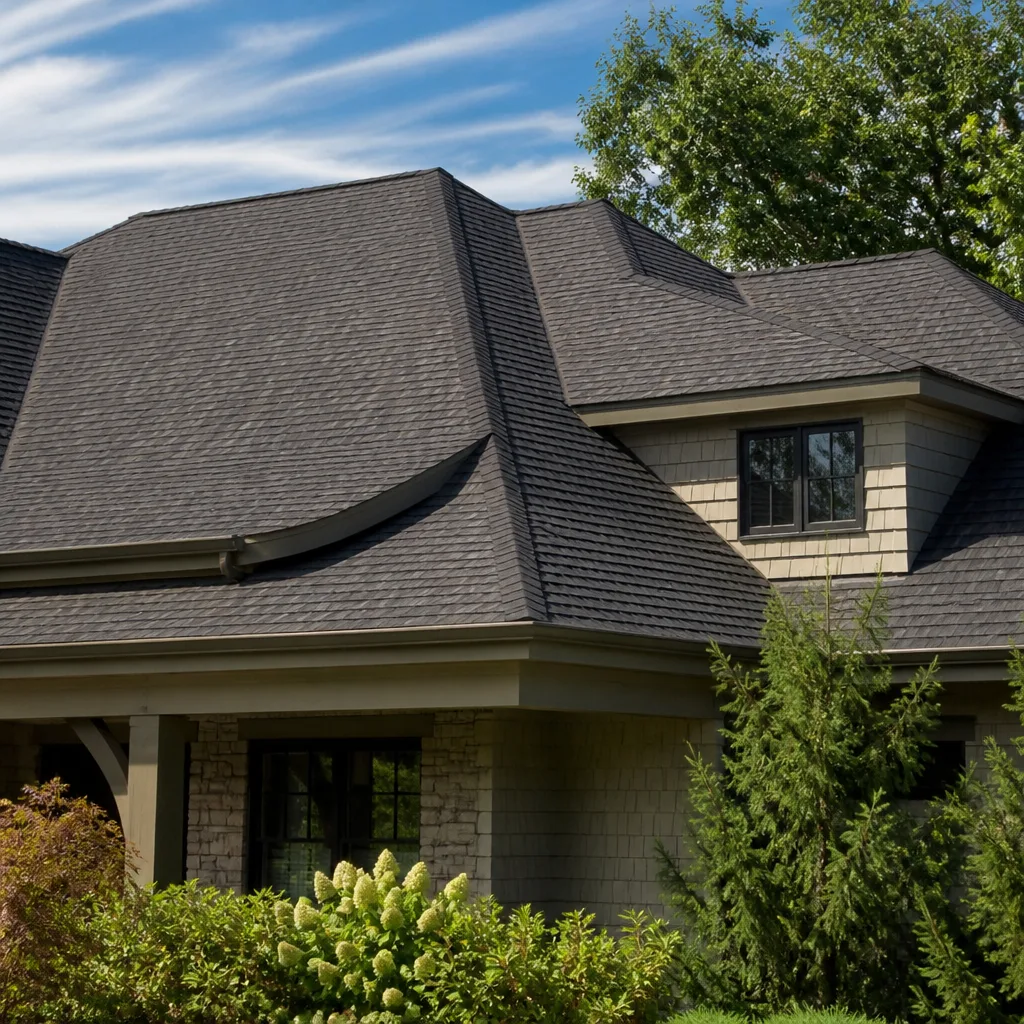 Architectural shingles
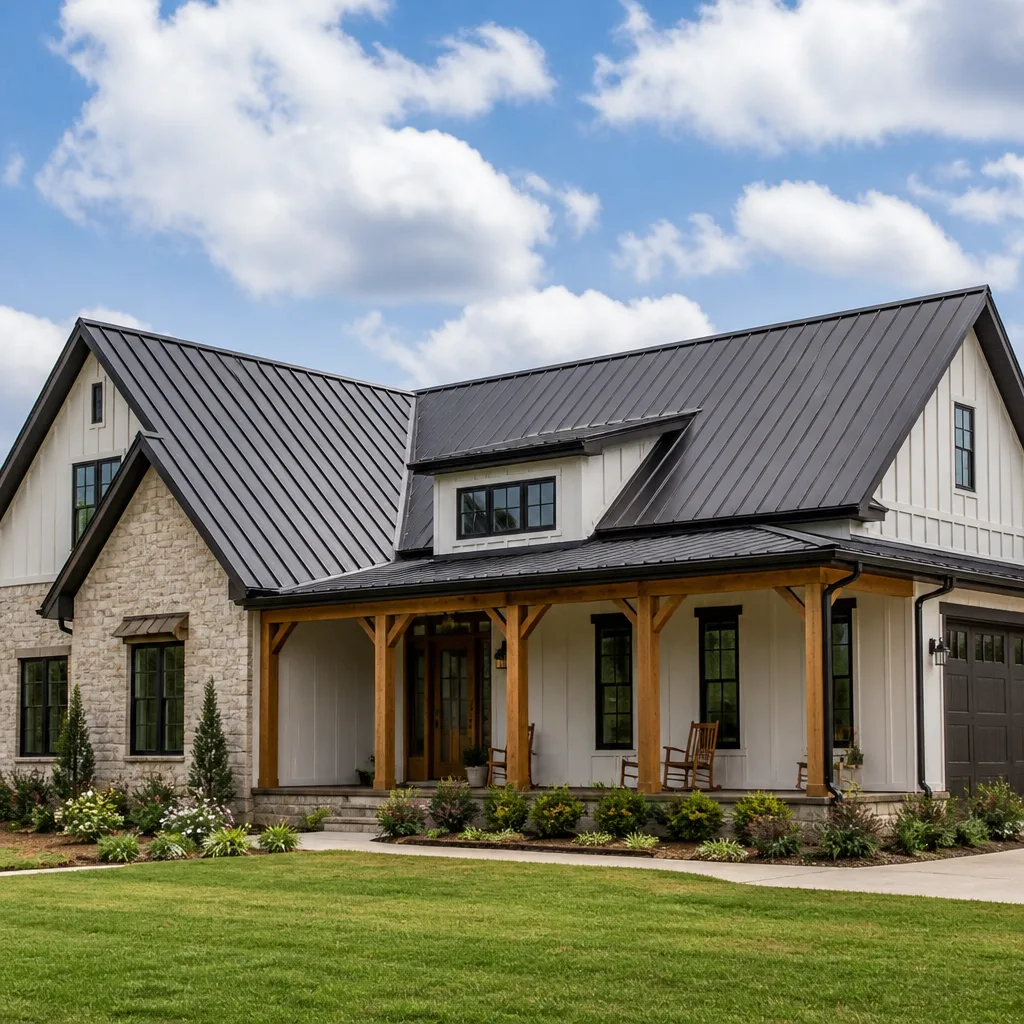 Metal roofing
 GAF
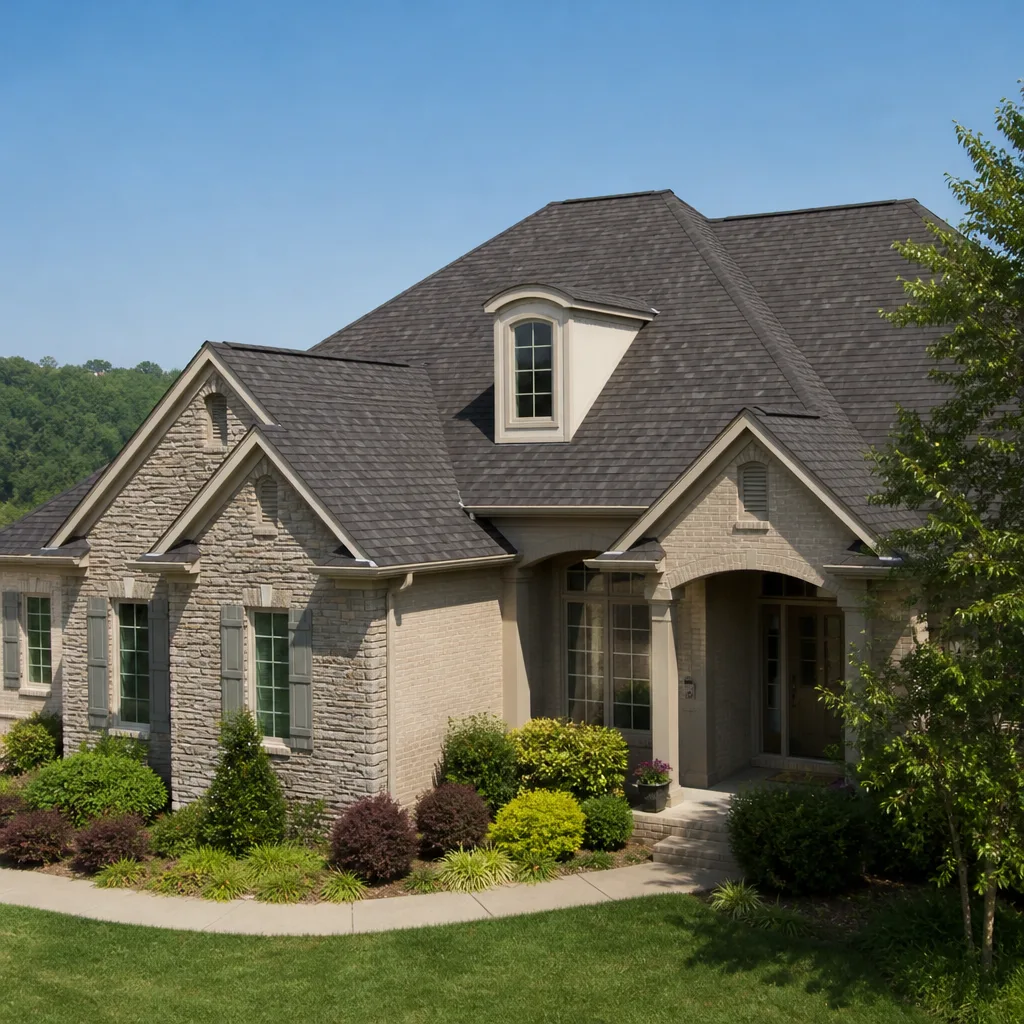 Owens Corning
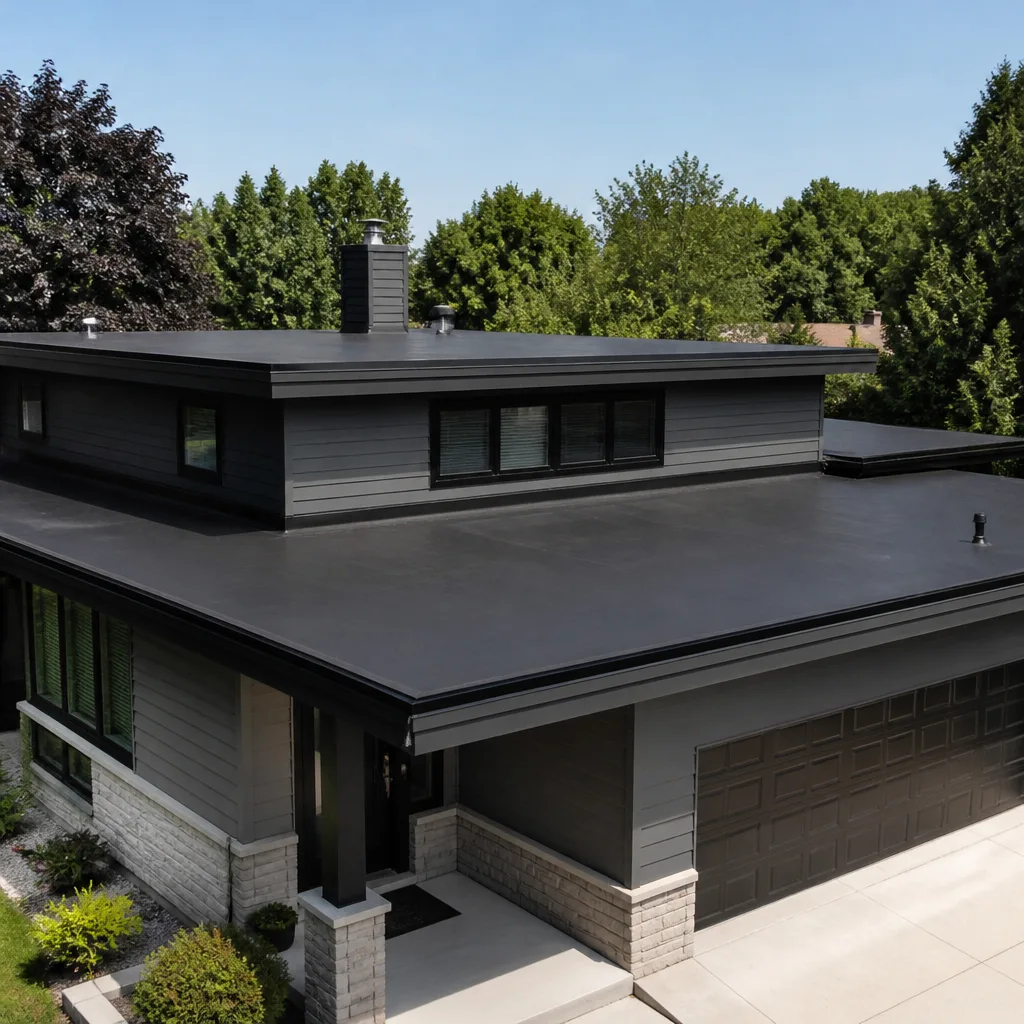 Flat & low-slope
Free roof inspection with deck photos before we talk money - GAF and Owens Corning certified installation
Styles & brands we work with
- Architectural shingles
- Metal roofing
- Tile roofing
- GAF
- Owens Corning
- Flat & low-slope
See the difference
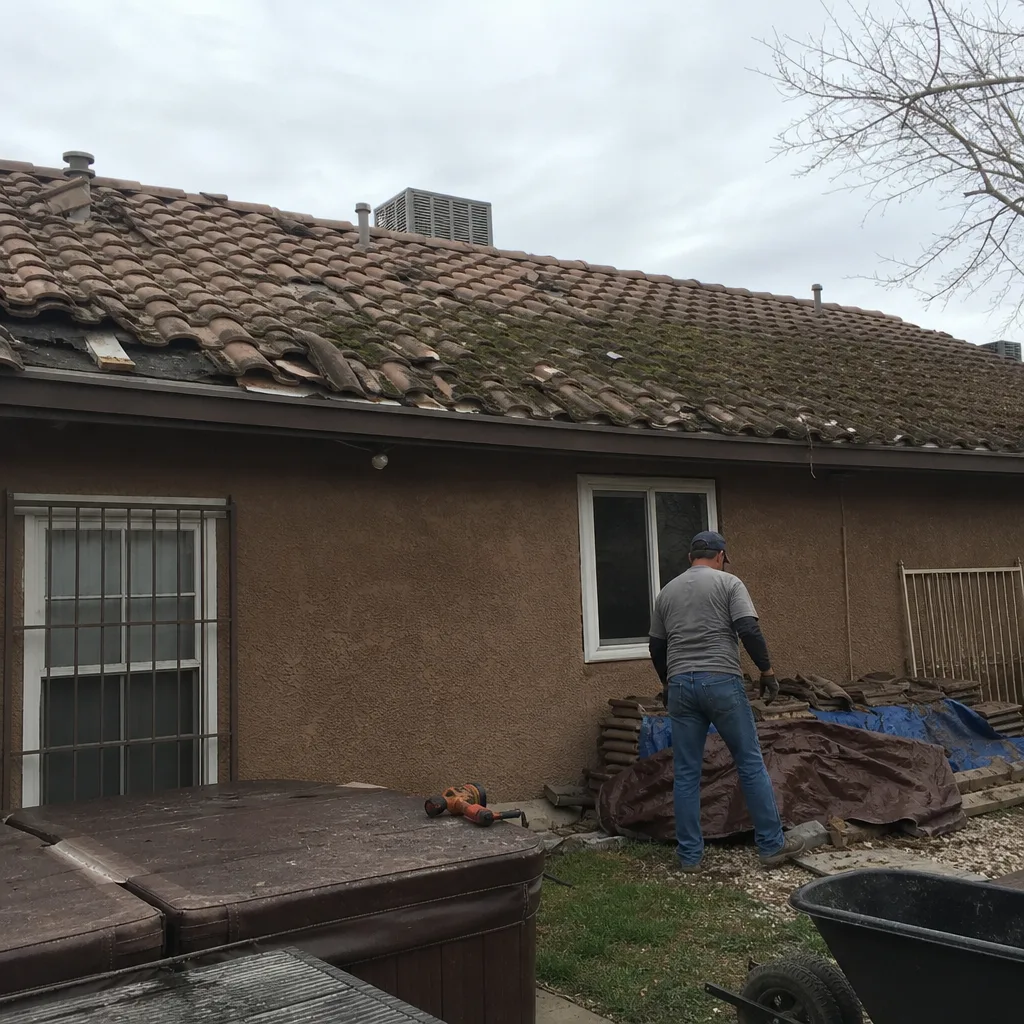 Before
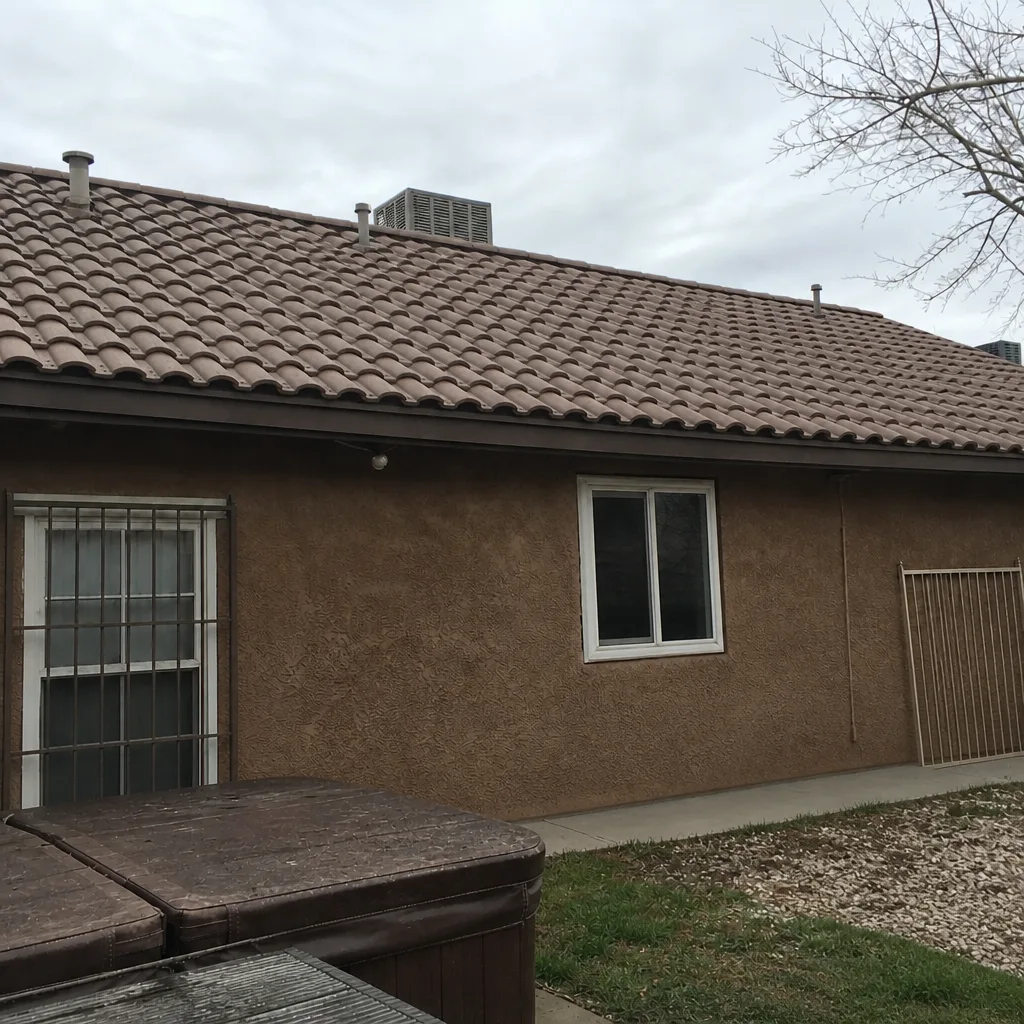 After
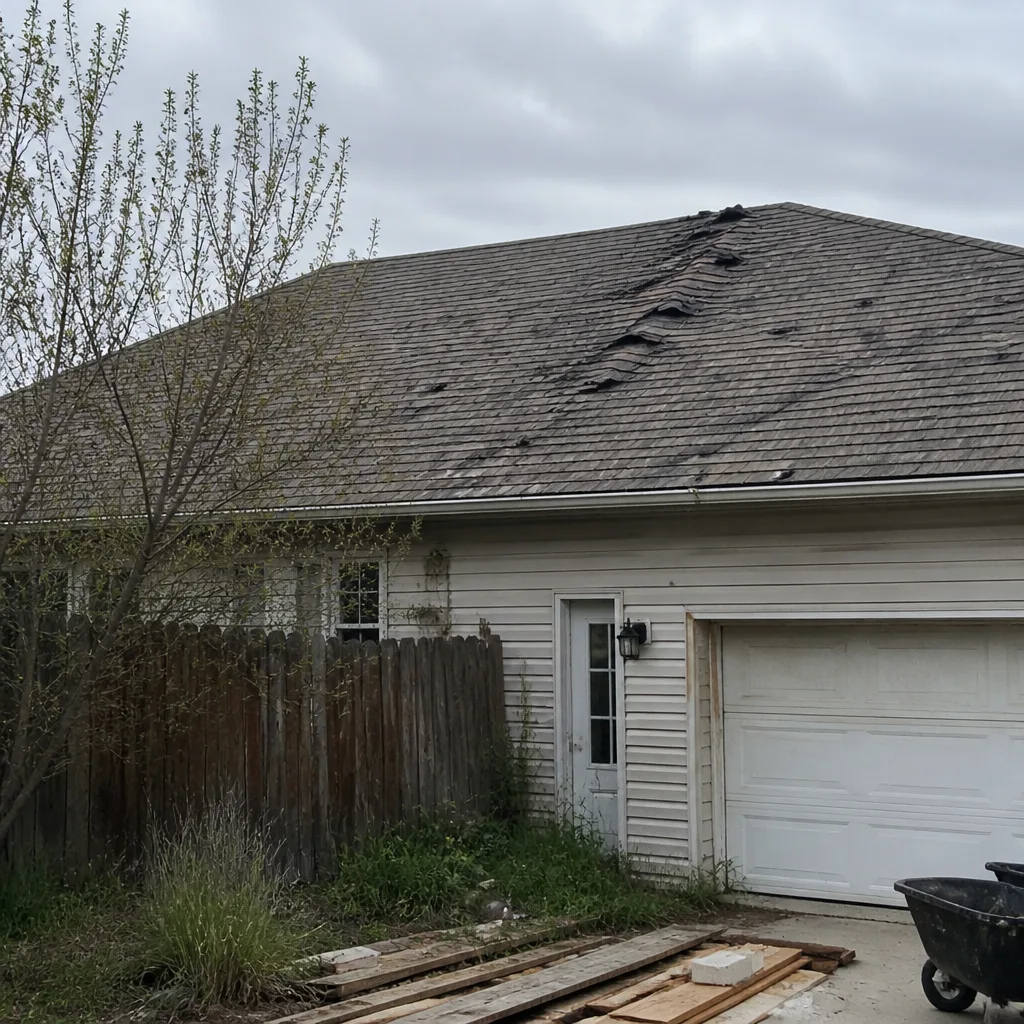 Before
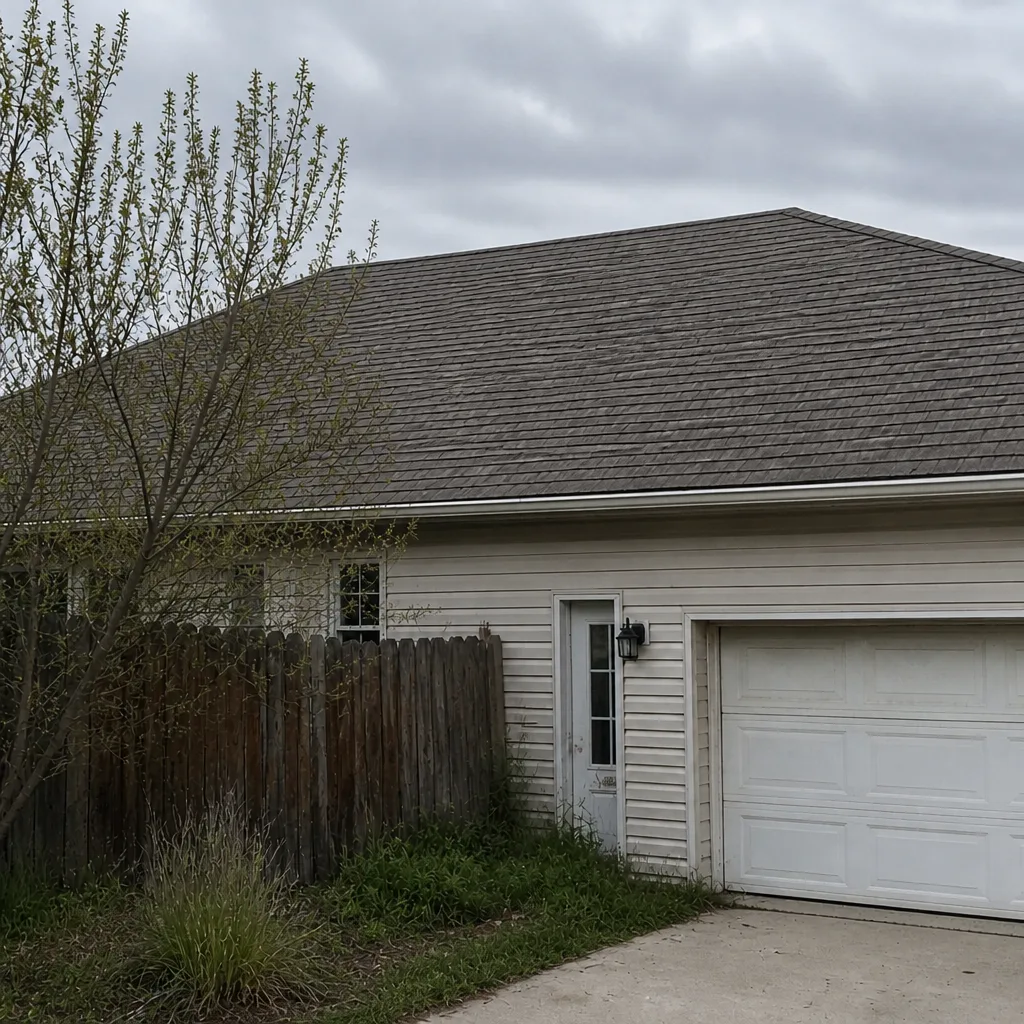 After
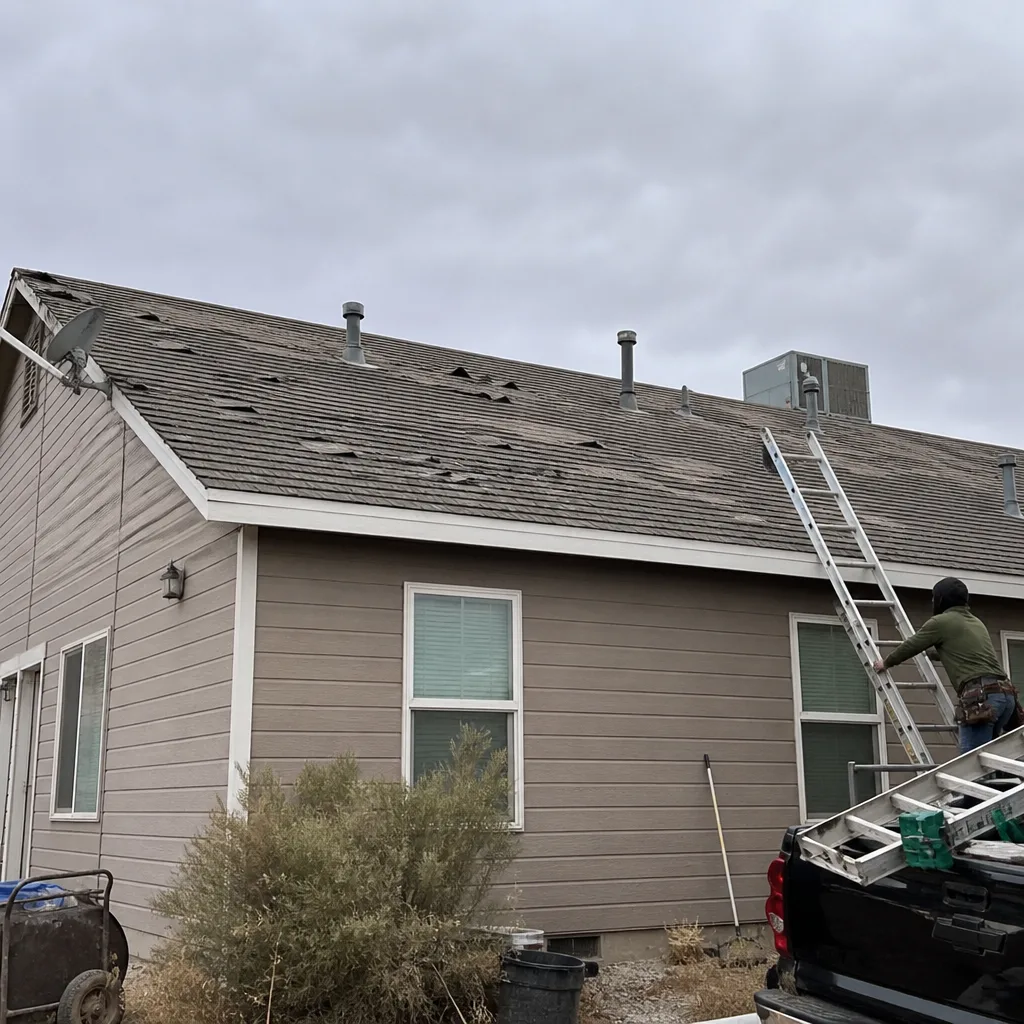 Before
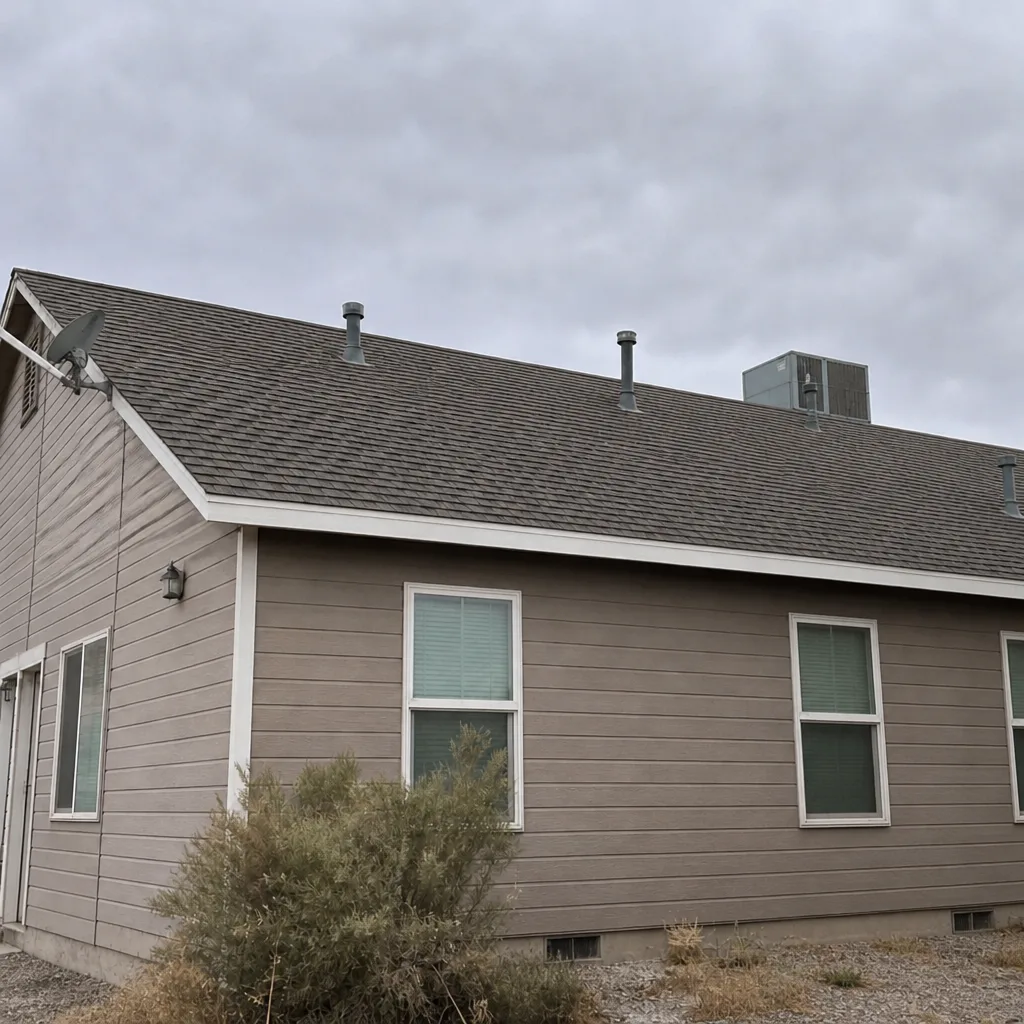 After
Clay vs Concrete Roof Tiles in Enterprise, NV: Which Should You Choose?
Choose concrete tile if your home was built to 1990s-2010s builder specs and you want the lowest upfront cost; choose clay tile if you want color that never fades and better freeze-fracture resistance. But here in Enterprise, the conventional wisdom flips in one important way: our rare hard-freeze nights are actually harder on concrete tile than on clay. If you’re weighing a reroof and want a straight answer for your specific roof, call (844) 228-4119. We’ll look at the actual structure and tile underlayment before you spend a dollar.
That inverted recommendation is the part almost no comparison article covers, and it’s the reason this page exists.
Why the Standard Comparison Wasn’t Written for Enterprise
Everyone knows the usual script. Concrete tile is heavier and cheaper. Clay is lighter and more brittle. In Tampa or Phoenix proper, that script mostly holds. But Enterprise sits at the south edge of the Las Vegas Valley directly beneath the McCullough Range, close enough to catch hard-freeze nights that the rest of the valley mostly escapes. Rare, yes. But they happen.
And a freeze cycle does something counterintuitive to tile. Concrete tile has a dense cement surface layer that’s relatively impermeable but not fully so. Moisture driven in by monsoon downbursts infiltrates through micro-cracks, then freezes and expands inside the tile body, widening the crack from the inside out. Clay tile’s naturally porous body lets that moisture distribute and exit more evenly, which reduces freeze-fracture risk. The material everybody calls “fragile” handles our cold snaps better than the one everybody calls “tough.”
That’s the local inversion. Hold onto it as we walk through the rest of the decision.
The Real Differences That Matter on an Enterprise Roof
Freeze behavior
Concrete tile fails from the inside when trapped moisture freezes. Clay tile breathes enough to avoid that trap in most cases. After a cold snap, the failure we find most often is a hairline crack in concrete tile that nobody notices until a leak shows up months later. That’s why our tile roofing in Enterprise inspections include imaging the tile underside, not just the surface. If freeze fractures pre-date your ownership, that photo record gives you evidence for an insurance claim.
UV and color life
Enterprise’s sun is brutal, and it treats the two materials differently. Concrete tile’s pigment is surface-applied; it fades over the years under intense UV and eventually needs recoating to look like it did on day one. Clay tile’s color is fired through the body, so it’s essentially UV-permanent. Over a 30-year life cycle, that’s a real cost difference, one the upfront price gap between the two materials may not reflect. A concrete reroof that costs less today can cost more across three decades once recoating is factored in.
Weight and structural load
Concrete tile runs roughly 9-12 pounds per square foot. That’s the dominant choice in Enterprise’s 1990s-2010s housing stock because builders of that era spec’d it for cost. Homes built to that structural load are fine for a concrete re-roof, but the load should be verified before you upgrade to heavier clay profiles. Some premium clay lines push past 12 lbs/sq ft, and a roof framed for concrete isn’t automatically framed for the heaviest clay.
Wind and fasteners
Under McCullough Range microbursts, wind performance is similar between the two materials when they’re mechanically fastened; both beat mortar-set installations by a wide margin. The larger variable is fastener corrosion. In Enterprise’s low-humidity desert air, standard galvanized fasteners outlast their coastal-climate ratings, which is a point in favor of either tile type over coastal-spec installations. We install IKO, Atlas, Tamko and Boral tile systems with the fastening method matched to the exposure, not to a one-size template.
Clay vs Concrete Tile: Side-by-Side for Enterprise
| Factor | Concrete Tile | Clay Tile |
|---|---|---|
| Weight | 9-12 lbs/sq ft | Often lighter; premium lines can exceed 12 lbs/sq ft |
| Freeze-fracture risk | Higher (trapped moisture expands inside dense surface) | Lower (porous body distributes and releases moisture) |
| Color life | Surface pigment fades; recoating eventually needed | Fired-through color; essentially UV-permanent |
| Upfront cost | Lower | Higher |
| Wind performance (mechanically fastened) | Similar | Similar |
| Best fit | Homes already framed for it; budget-first reroofs | Owners staying 20+ years who want color that lasts |
Our plain recommendation for most Enterprise homeowners: if you’re staying put and the framing can take it, clay’s long-run economics usually win. If you’re on a tight budget or the structure wasn’t built for heavier profiles, a properly fastened concrete reroof done right is a square deal, and we’ll tell you so.
What a Reroof Decision Actually Looks Like Here
After a monsoon gust, we regularly find whole ridges of concrete tile flipped and the underlayment exposed, with wind-blown desert gravel gathered in valley pans and scuppers. That pattern is tied to the community’s position at the base of the McCullough Range, not to valley-wide conditions. It’s also why the tile choice is only half the job; the fastening and underlayment matter just as much.
Here’s how we work through it with you:
- Photo-documented inspection from your actual roof, including tile underside imaging to catch existing freeze fractures.
- Structural load check to confirm whether clay’s weight is safe on your framing before you commit.
- Upfront pricing where the number on the estimate is the number on the invoice.
- Written 90-Day Done Right Promise: if it isn’t right, we come back and make it right, no arguing.
Our technicians have up to 10 years of experience, and every job is backed by that written promise. Call us and a live person answers, day or night, including during a storm. No voicemail tree, no callback window.
When the decision is made and you’re ready to move, our home page walks through the full range of what we handle.
FAQs
Clay is usually the better long-term choice in Enterprise because its fired-through color doesn’t fade and its porous body resists the freeze-fracture that cracks concrete tile on our rare hard-freeze nights. Concrete wins when budget is the priority or the home’s framing was built for concrete’s 9-12 lbs/sq ft and not the heavier clay profiles. Call (844) 228-4119 and we’ll check your structure before recommending either.
Clay tile runs meaningfully higher upfront than concrete, and the exact gap depends on the profile and how much prep your roof needs, so we quote it after seeing the roof rather than guessing over the phone. The better question is the 30-year cost: concrete’s fading surface pigment eventually needs recoating, which narrows the gap over time. Call (844) 228-4119 for a free written estimate with both options priced side by side.
Sometimes, but only after a structural load check, because clay profiles can be heavier than the concrete your home was framed for. Builders in Enterprise’s 1990s-2010s stock spec’d concrete for cost, so the framing isn’t guaranteed to carry the heaviest clay. We verify the load first and tell you honestly if a lighter clay profile or a concrete replacement is the safer call. Call for a no-pressure assessment.
Moisture gets into micro-cracks driven in by monsoon downbursts, then freezes and expands inside the tile body, widening the crack from within. It’s a freeze-fracture pattern, not impact damage, and it’s more common here than most homeowners expect given how close Enterprise sits to the McCullough Range. If the damage pre-dates your ownership, our underside imaging gives you documentation for an insurance claim. Call (844) 228-4119 to schedule an inspection.
Get a Straight Answer on Your Roof
If you’d rather have it looked at, Ridgeline Roofing Co. Enterprise offers a no-pressure assessment in Enterprise. We’ll photo-document what’s actually there, check the load, and give you a written estimate with both clay and concrete priced out. The price we quote is the price you pay. Call (844) 228-4119 for a free estimate.
Written by the team at Ridgeline Roofing Co. Enterprise, serving Enterprise, NV.