
 Metal roofing
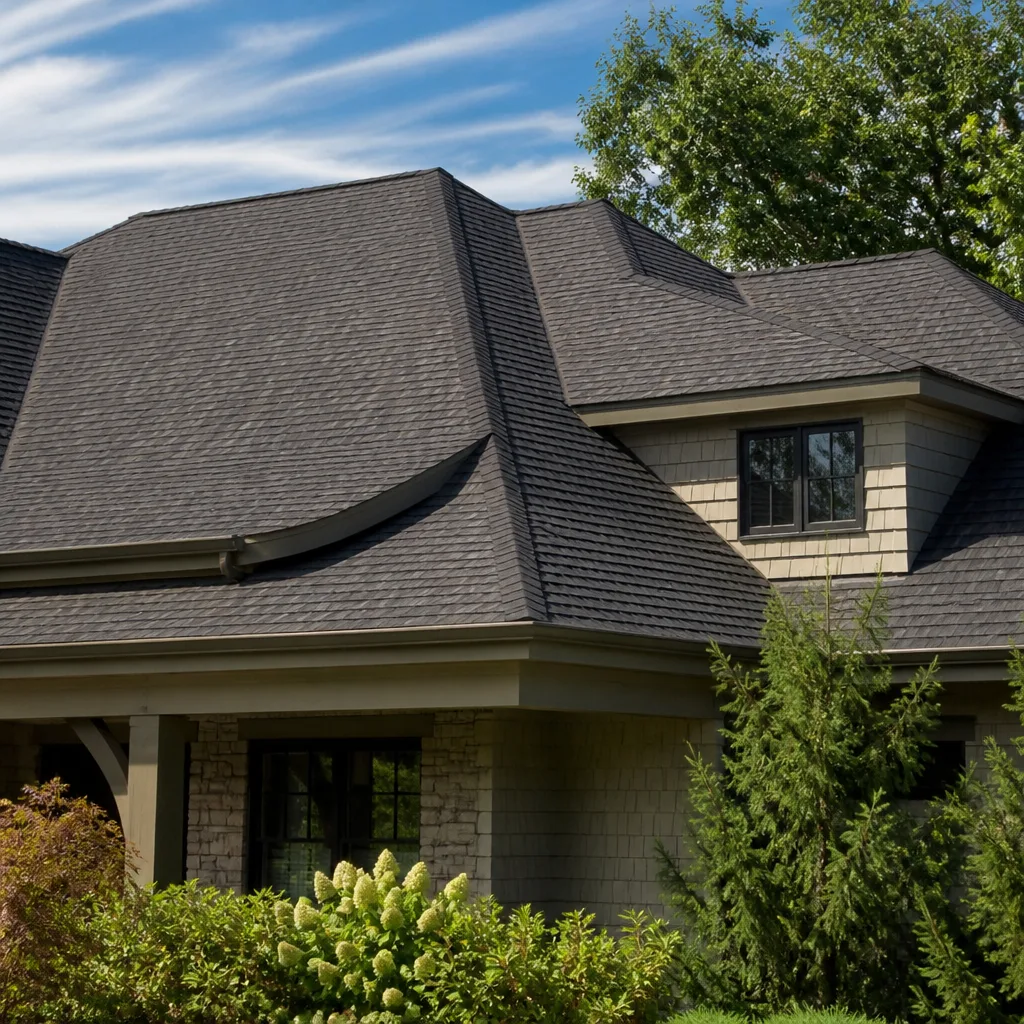 Architectural shingles
 Tile roofing
 GAF
 Owens Corning
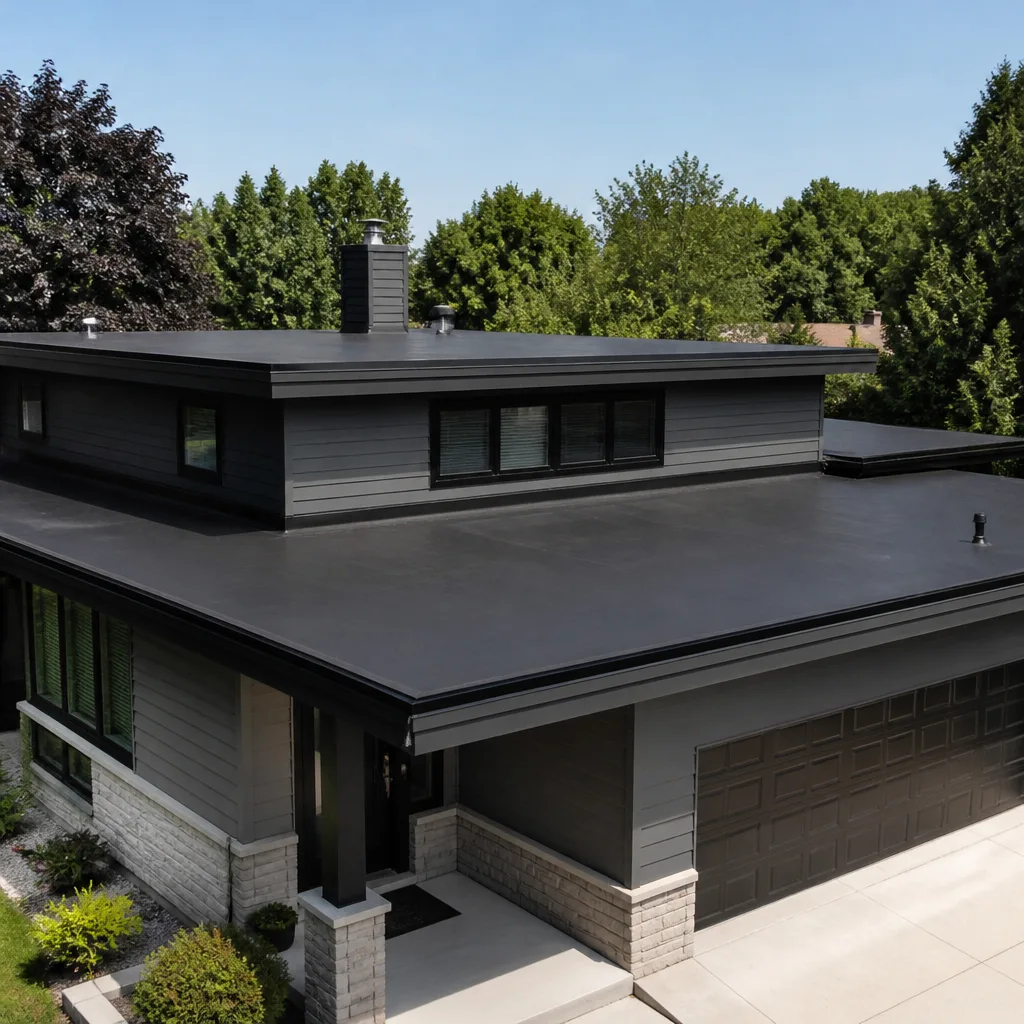 Flat & low-slope
Free roof inspection with deck photos before we talk money - GAF and Owens Corning certified installation
Emergency & Storm Damage in Enterprise, NV
Storm damage to an Enterprise roof usually shows up as a missing ridge, a new water stain on the ceiling of a room you rarely use, and a scupper packed with desert gravel. When a homeowner near Coronado High School called us after a damaging 2023 monsoon, our inspection found UV-degraded underlayment beneath flipped concrete tile and a clogged valley pan forcing water into the fascia. Ridgeline Roofing Co. handles repairs like that one. We scope, we price, and we tell you exactly what the job involves before anyone gets on the roof. Call (844) 228-4119 and a live person answers.
Our technicians have up to 10 years of experience, are background-checked, and arrive in uniform. Every inspection is documented with photos taken from your actual roof, so you see what we see.
Our Emergency & Storm Damage Services in Enterprise
Storm Damage Repair
The pattern we see most often in Enterprise starts after a microburst off the McCullough Range. Whole runs of concrete ridge tiles flip or shatter, the underlayment beneath them tears, and the deck gets wet over the following weeks. We remove the damaged tile, replace compromised underlayment and flashing, re-secure the ridge with new fasteners, and reinstall tile to match the existing profile as closely as the material allows.
Wind Damage
Wind at the base of the range doesn’t just lift tile. It drives desert gravel into every gap, and that gravel lodges in valley pans and scuppers until drainage stops working. Water backs up under the tile, rots the fascia, and works its way toward the interior. We clear those drainage paths, repair the rot, and can add a gravel guard in the valleys so the same problem doesn’t return next summer. Wind damage also shows up as cracked sealant at pipe boots and other penetrations, which quietly leaks until the next hard rain.
Emergency Tarp
A tarp is a stopgap, not a repair. It buys you time to get a proper scope and a written estimate while the interior stays dry. Tarp size depends on the exposed area, not the whole roof face. A single flipped ridge section typically takes a 10′ x 12′ tarp; a larger open patch across a slope often needs 20′ x 30′ or more, well past the leak by at least three feet on each side, with battens holding it against wind. We install it so it sheds water away from the exposure and won’t flap loose overnight.
Insurance Claims
Most storm damage claims hinge on documentation. Photos from the roof, the age of the roof system, and a clear written scope help an adjuster see what actually happened. We provide that documentation and can give you a free second opinion on any written estimate. If the adjuster’s scope misses the underlayment or the gravel-clogged drainage, we’ll explain what’s missing so you can raise it before the file closes.
Styles & brands we work with
- Architectural shingles
- Metal roofing
- Tile roofing
- GAF
- Owens Corning
- Flat & low-slope
Why Enterprise’s Position Beneath the McCullough Range Changes Storm Damage Repair
Enterprise roofs face a dual assault that roofers working in denser, more sheltered parts of the valley rarely see. Monsoon downdrafts off the McCullough Range routinely flip whole ridges of concrete tile, exposing underlayment and sometimes the deck itself, while wind-blown desert gravel from the surrounding desert packs into valley pans and scuppers. That gravel is the quiet half of the problem. It blocks drainage, water backs up under the tile, and the fascia rots from the inside out. The failure pattern is tied to where Enterprise sits – at the base of the range – not to general valley conditions. A roofer who doesn’t know that will fix the visible tile and miss the clogged scupper that caused the leak in the first place.
What Storm Damage Repair Actually Involves in Enterprise
After a summer microburst, a homeowner in an older Enterprise subdivision notices a section of ridge tiles missing and a new water stain on the ceiling. Inspection often reveals that the underlayment beneath the flipped tiles is UV-degraded and torn, and that desert gravel has clogged a valley pan and scupper, forcing water under the drip edge and into the fascia. A qualified local roofer typically removes the remaining damaged tiles, replaces the compromised underlayment and flashing, re-secures the ridge with new fasteners, and clears the drainage paths – sometimes adding a gravel guard – before reinstalling the tile to match the existing profile. That sequence is the job. Skipping the drainage clearing is how a leak comes back.
Common Emergency & Storm Damage Problems We See in Enterprise Homes
- Gravel-clogged valley pans and scuppers. Wind-driven desert gravel lodges in the drainage paths, blocks the flow, and causes water to back up under the tile and rot the fascia. Clearing them is part of the repair, not an extra.
- Flipped or shattered concrete ridge tile. Monsoon gusts off the McCullough Range lift and flip ridge tiles, exposing and UV-degrading the underlayment beneath. On a roof built in the 1990s or 2000s, that underlayment may already be near the end of its life.
- Cracked tile and sealant from freeze events. Rare hard freezes crack tile and open hairline gaps at penetrations. Those leaks only show up during the next rain, which is why a post-storm inspection matters even when the roof looks fine.
- Foam coating wear on newer low-slope roofs. Increasing numbers of stucco homes in newer Enterprise subdivisions have low-slope foam roofs. Desert UV breaks the coating down over time, and storm scouring speeds it up.
Pricing for Emergency & Storm Damage in Enterprise, NV
Here are the ranges we see in Enterprise for storm damage work:
- Emergency tarp installation: rough ranges from a few hundred dollars for a single exposed section up to $600-$900 for a larger open slope.
- Ridge tile repair and re-securing, including underlayment patch: typically $450-$1,200 depending on how many tiles and how much underlayment is compromised.
- Valley pan and scupper clearing, with gravel guard added: often $300-$650.
- Full storm damage repair with flashing and fascia work: commonly $1,200-$4,000, and higher where decking has soaked and needs replacement.
The estimate is free, and it comes as a written line-item quote. The number on the estimate is the number on the invoice. Call (844) 228-4119 to schedule your free estimate.
What Could Change the Price Once Work Begins
We’d rather tell you the honest variables up front than surprise you mid-job. Three things move the number. First, hidden damage: once the tile comes off, we sometimes find wet or soft decking that couldn’t be seen from above, and that adds material and labor. Second, underlayment condition: if the whole run beneath the ridge is brittle, patching a small section won’t hold, so the scope grows. Third, drainage: a scupper that’s fully packed with gravel and rot may need more than a clearing – sometimes new metal. We photograph what we find and show you before we proceed. If something changes the scope, you’ll know why and what it costs before the work continues.
See the difference
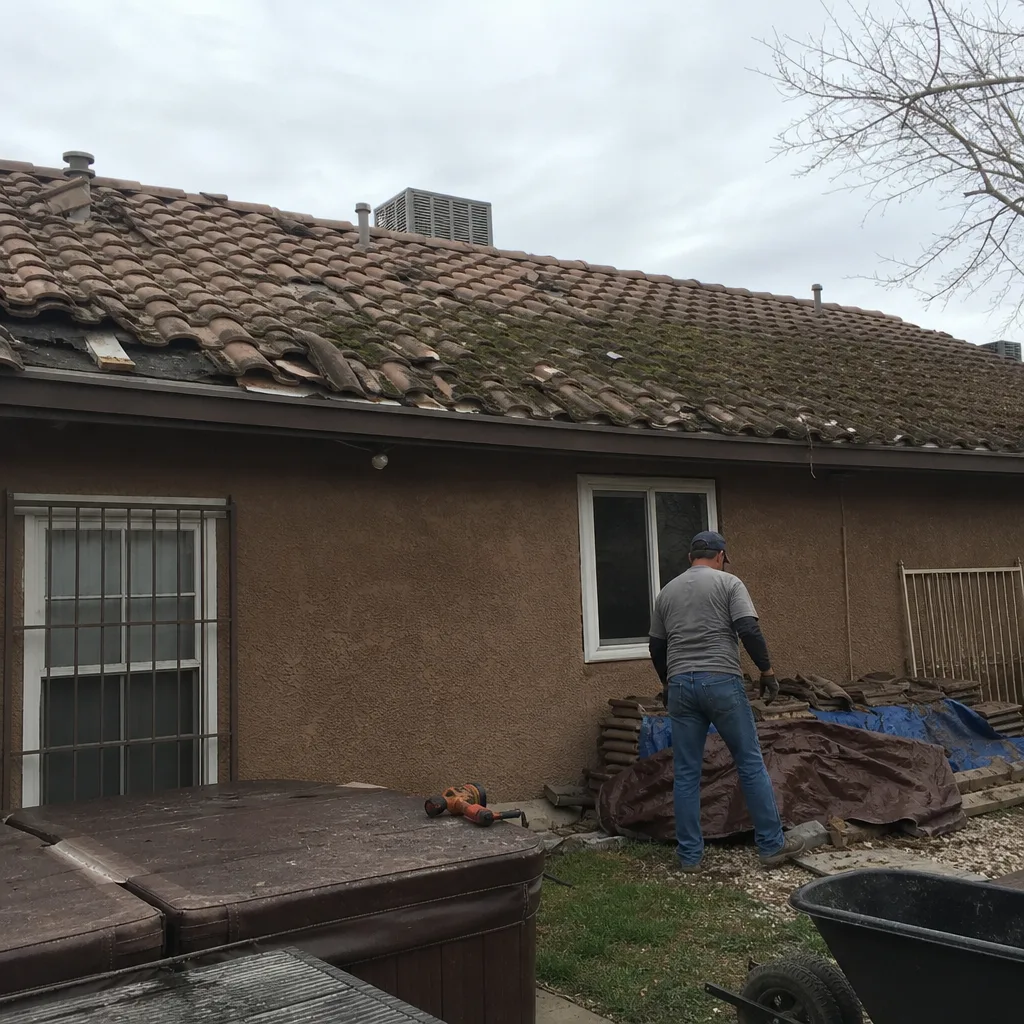 Before
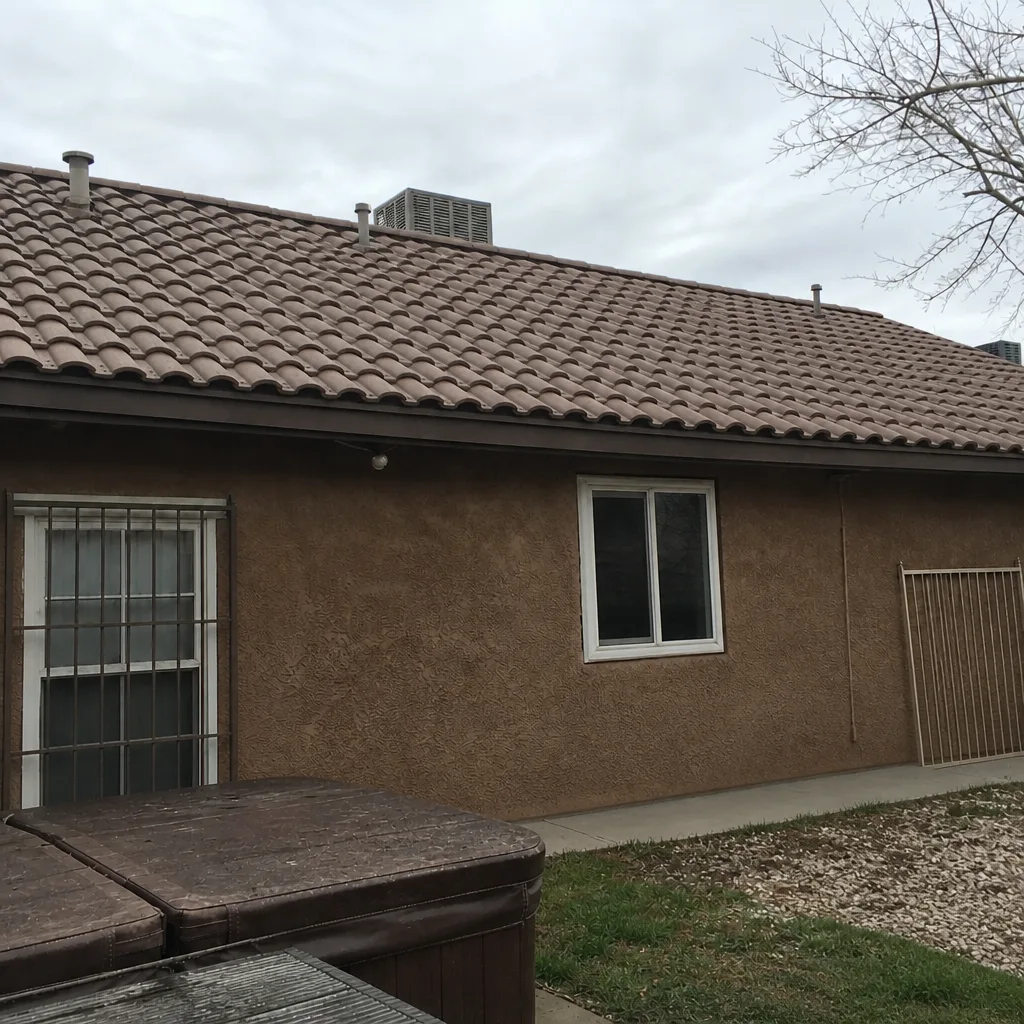 After
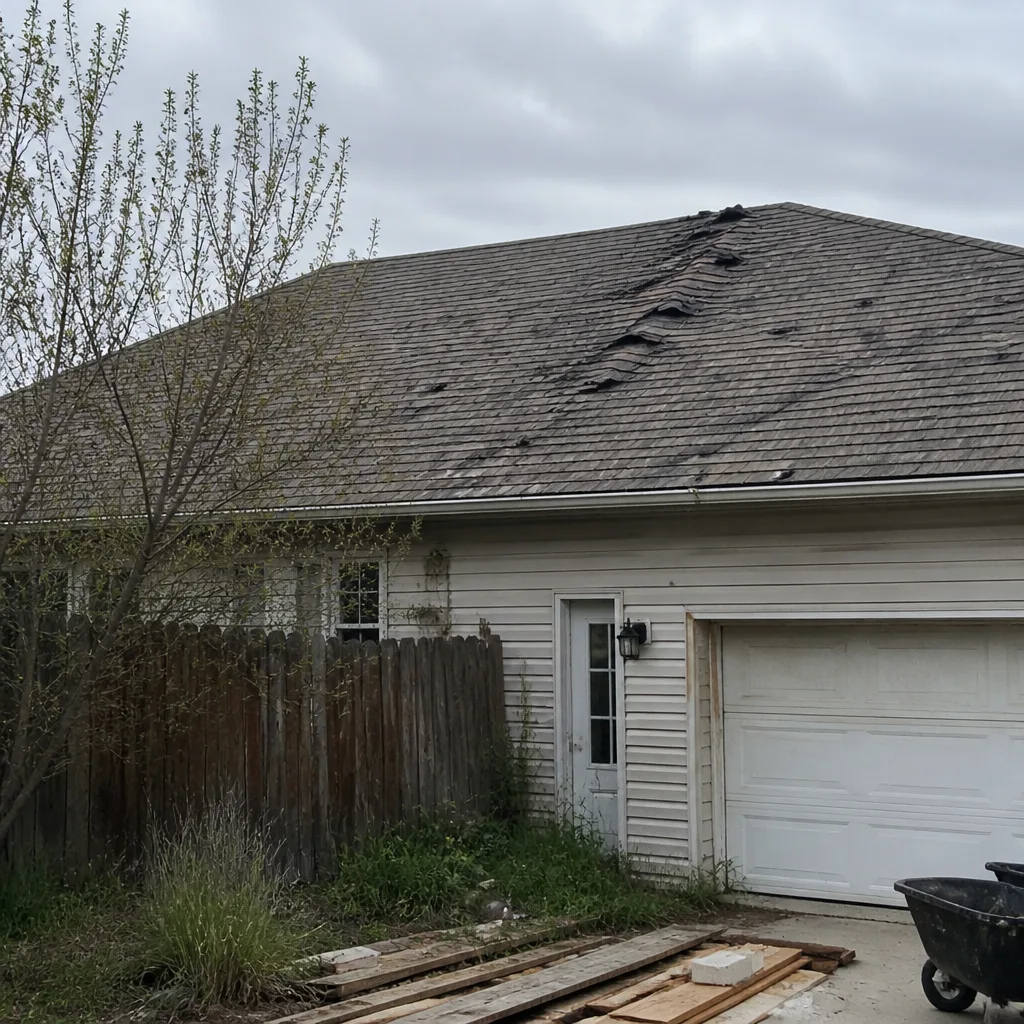 Before
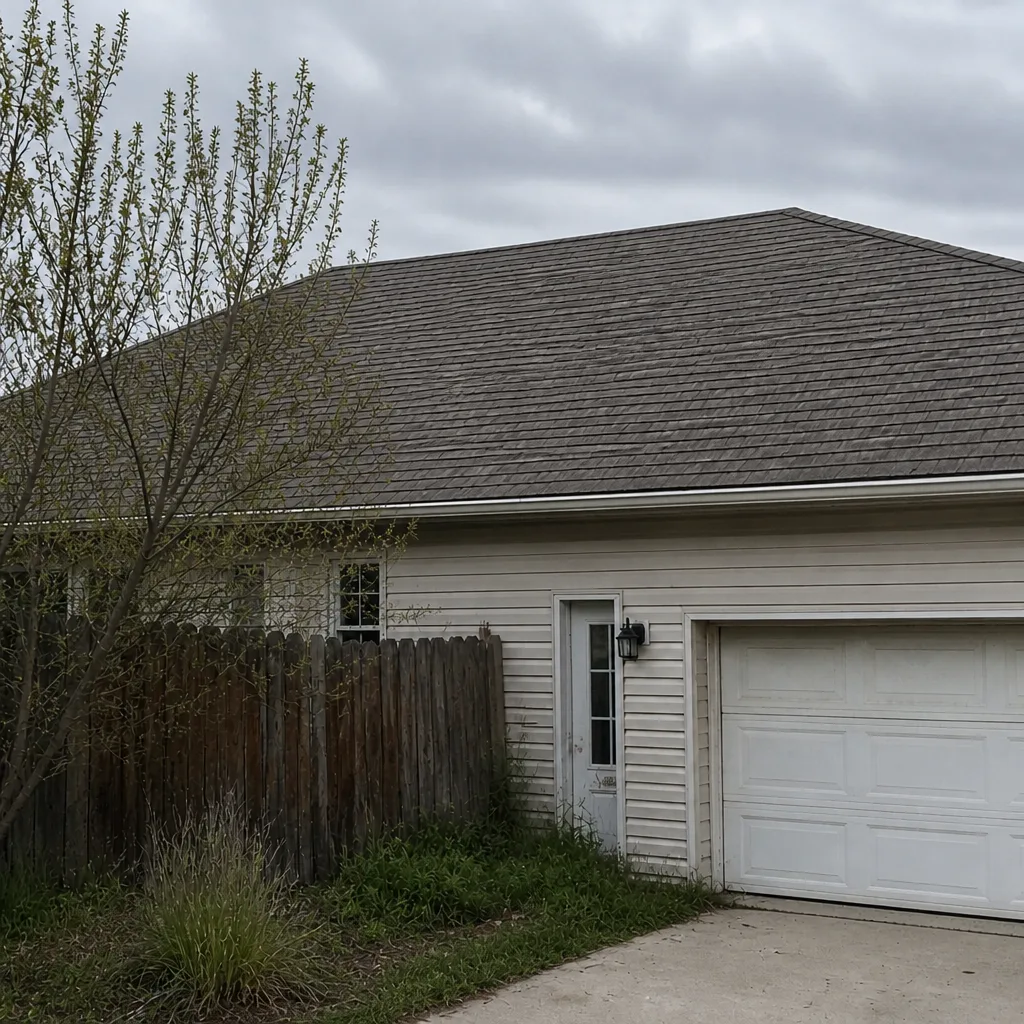 After
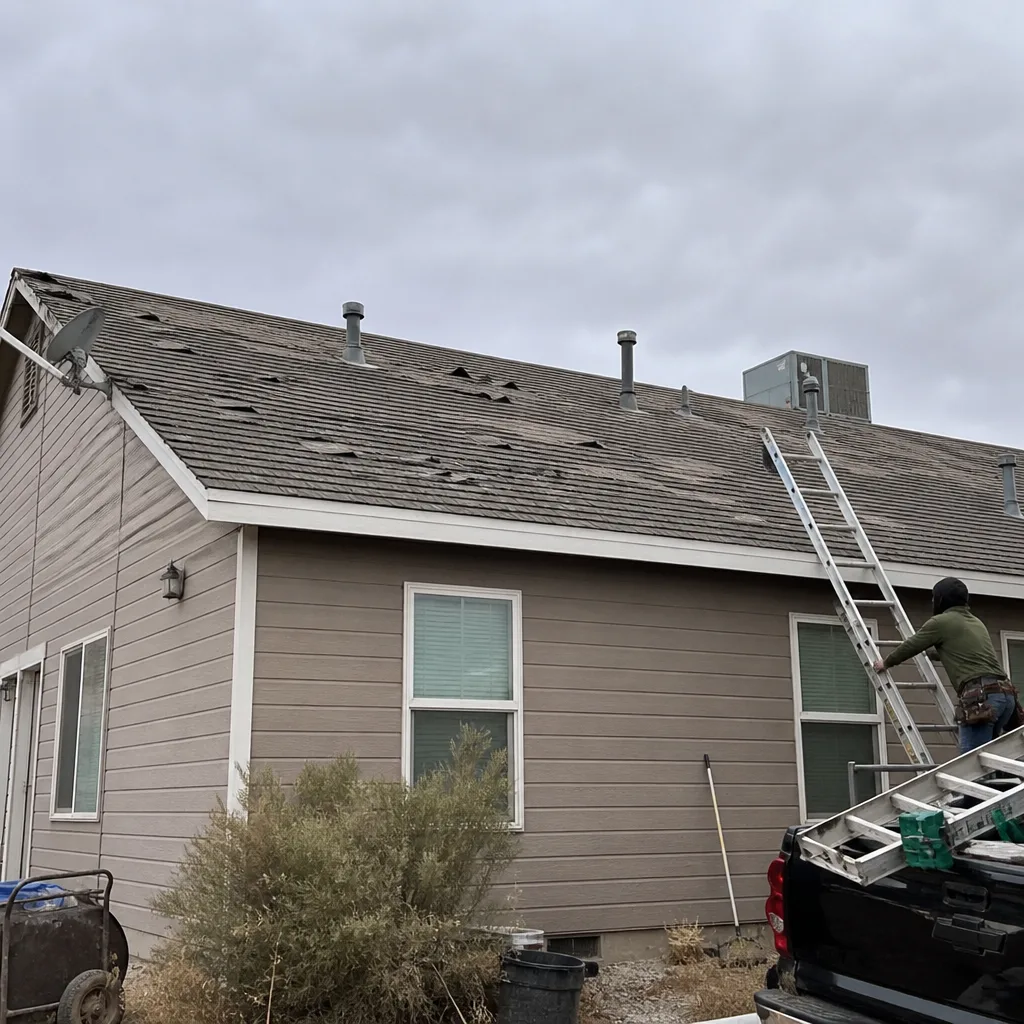 Before
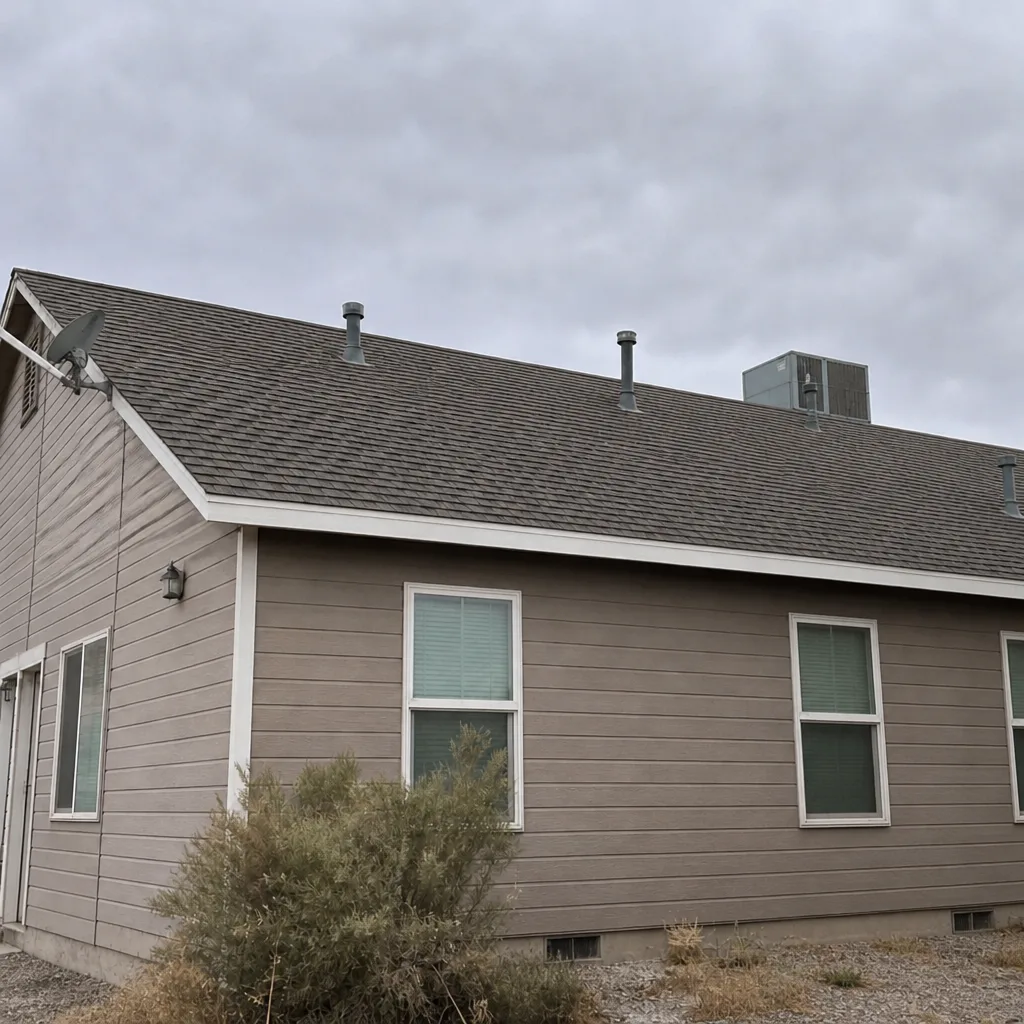 After
Permits, Inspections, and a Realistic Calendar in Enterprise
Most storm damage repair in Enterprise – tile replacement, flashing, drainage clearing, fascia repair – falls under routine repair and usually doesn’t require a building permit. Structural work does. If decking has to be replaced beyond a small patch, or if a repair touches the structural framing, a permit and an inspection will typically apply. We’ll tell you which side of that line your job sits on before we start. As for time: a single ridge section and a clogged scupper can be one visit. A larger repair covering multiple slopes, new flashing, and fascia repair is often a two- to four-day job once materials are on hand. We schedule realistically and we will be there when we say.
Trusted Brands We Service in Enterprise
Matching the existing roof matters more than the brand on the box. Many Enterprise homes carry GAF or CertainTeed systems, and some of the newer stucco subdivisions use Boral roof tile or Tamko shingles. We’re an authorized installer of seven manufacturer lines, including those four, so we can source the right profile and color to blend a repair into the original roof rather than leave a visible patch. We don’t keep parts on hand – we order to your specific tile profile – and we move quickly on getting materials so your repair doesn’t sit open longer than it has to.
Protecting Your Enterprise Home After a Storm
What you can do safely from the ground matters. After a monsoon, look up at the ridges and valleys from your driveway and note any missing tile, shifted tile, or debris piled in the drainage paths. Check the ceiling and inside walls of rooms on the storm-facing side of the house for new stains. Clear gravel and debris from ground-level drainage, but leave the roof itself alone. Concrete tile, underlayment work, and any repair at height belong to a trained professional – a fall from a two-story roof is not worth the risk, and walking a damaged tile field can cause more failures. Call us and we’ll get eyes on it with photos.
We Also Serve Cities Near Enterprise
We work throughout the south valley, including Enterprise and the neighborhoods around it. If you’re in Spring Valley, Paradise, Winchester, or Henderson, our Emergency & Storm Damage team covers your area too. Same inspection standard, same written estimate, same follow-through. Call (844) 228-4119.
Serving Enterprise, NV – Our Local Coverage Area
We serve Enterprise and nearby communities. Use the map below to see the area we cover. If you’re nearby, we can almost certainly help.
FAQs – Emergency & Storm Damage in Enterprise
Get it inspected within a week or two of the storm, and sooner if you see missing ridge tiles or a new ceiling stain. The sooner the underlayment is covered and the drainage cleared, the less chance water reaches the deck and fascia. Call (844) 228-4119 to schedule an inspection.
Granules in the pool usually mean shingle surfaces upslope are shedding, or that grit and desert gravel are washing off the roof and into your drainage. It’s worth a look either way, because gravel packing in a valley pan is the leading cause of hidden water damage on Enterprise tile roofs. Call (844) 228-4119 and we’ll take a look.
Size the tarp to the exposed area plus at least three feet of overlap on every side, not to the whole roof. A single flipped ridge section usually takes a 10′ x 12′ tarp; a larger open patch often needs 20′ x 30′ or more. Call (844) 228-4119 and we’ll help you figure out what your leak needs.
Yes, wind damage from a monsoon downdraft is typically a legitimate claim, and documentation is what makes it work. We provide photo documentation from the roof and a written scope, plus a free second opinion on any written estimate. Call (844) 228-4119 to get the documentation started.
A single ridge section and a clogged scupper is often a one-day job; a multi-slope repair with fascia and flashing work commonly runs two to four days once materials arrive. We give you a realistic schedule and stick to it. Call (844) 228-4119 for a free estimate.
Call Ridgeline Roofing Co. for Your Free Estimate
If your Enterprise roof took a hit this monsoon season, the next step is simple: a free, no-pressure inspection with photos and a written line-item estimate. Our technicians are background-checked and arrive in uniform, our phones are answered by a live person around the clock, and the price we quote is the price you pay. Call (844) 228-4119 today to schedule your free estimate.
Written by the team at Ridgeline Roofing Co.