
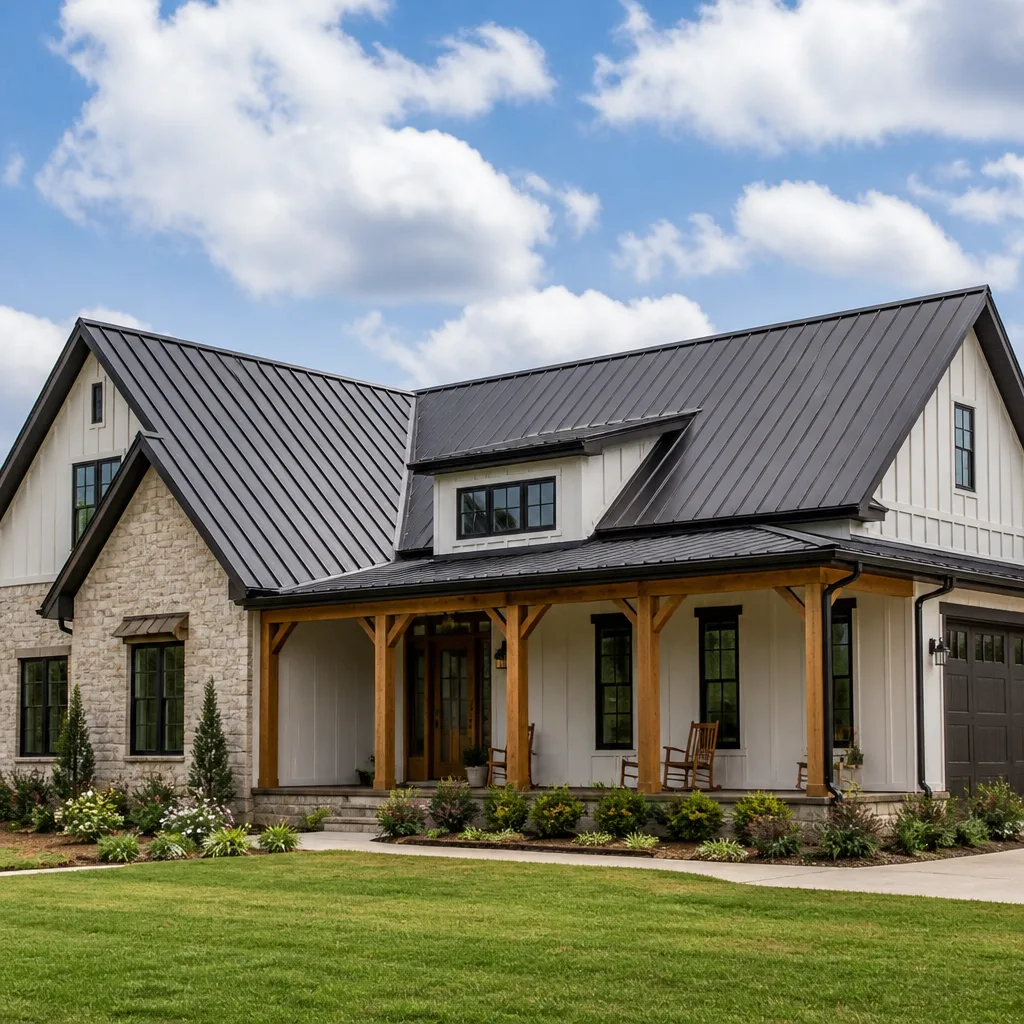
 Metal roofing
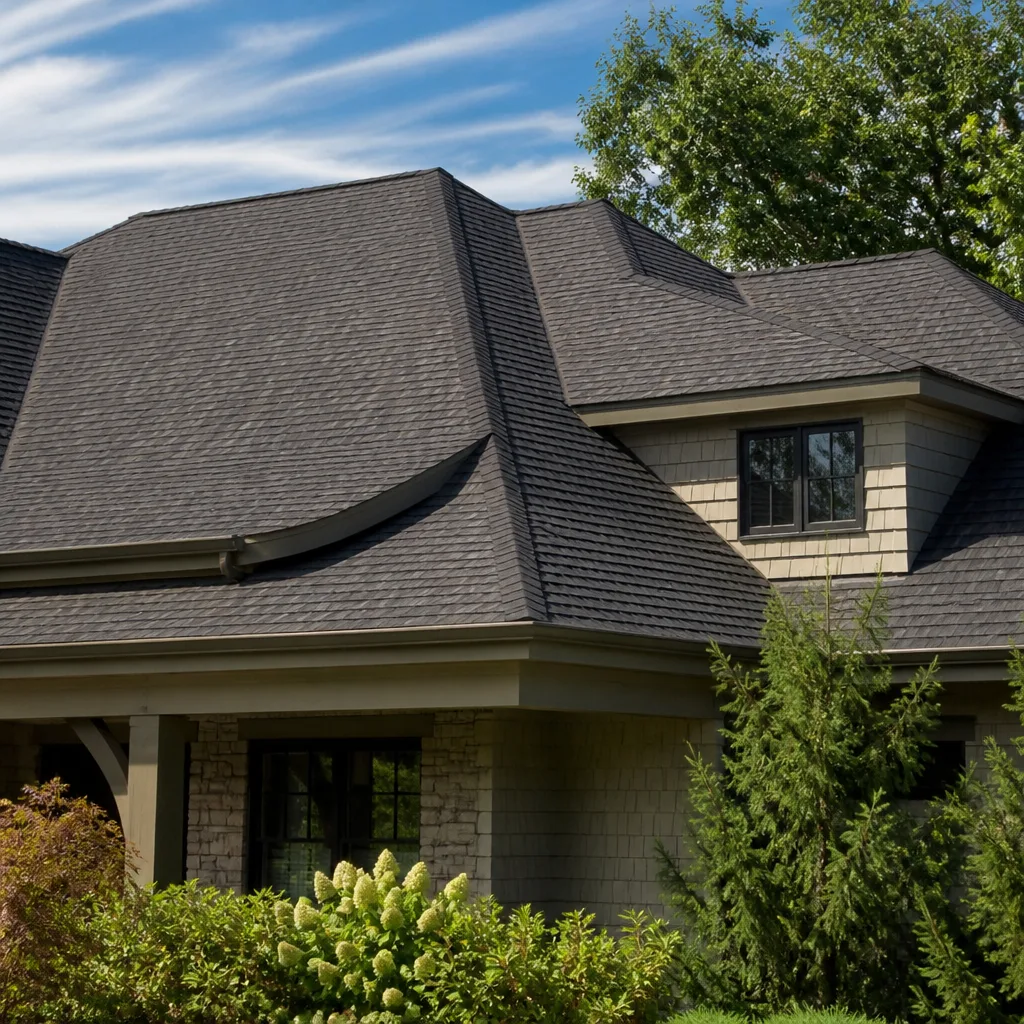 Architectural shingles
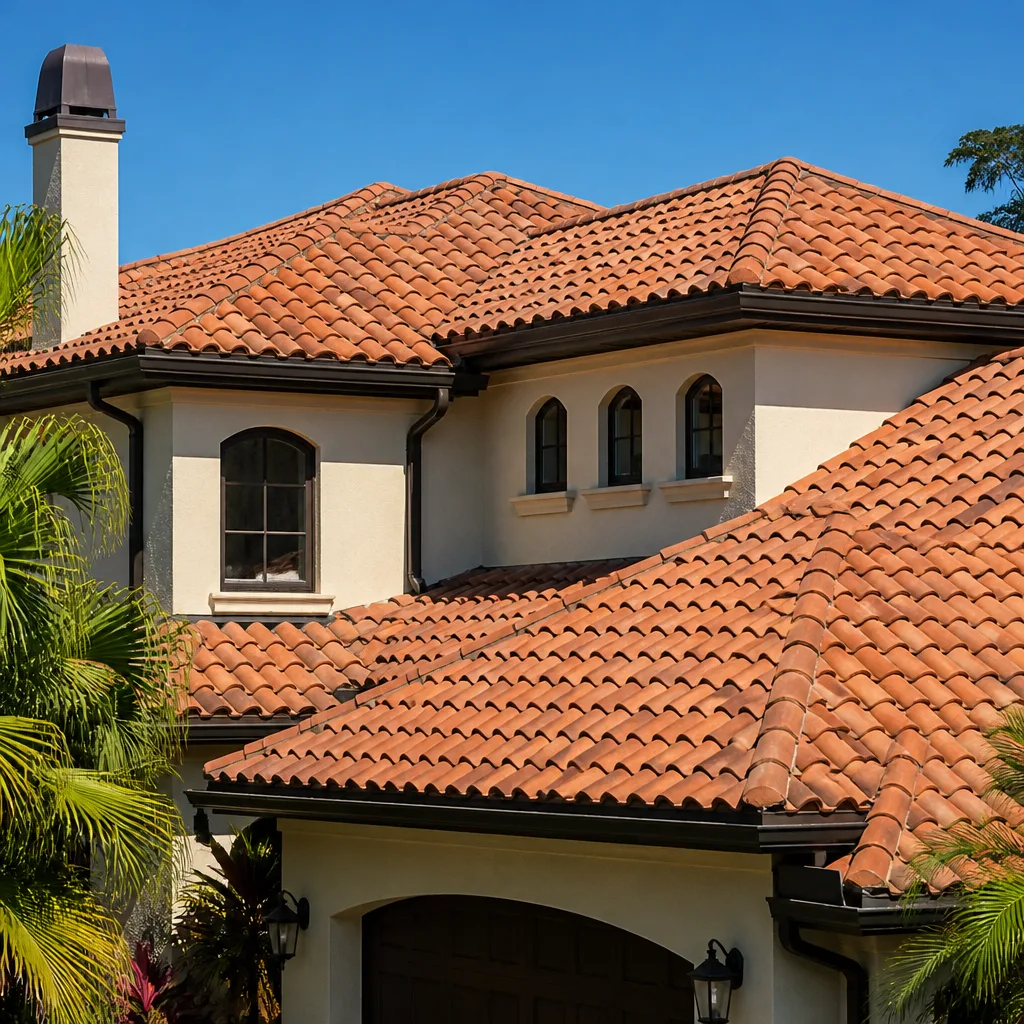 Tile roofing
 GAF
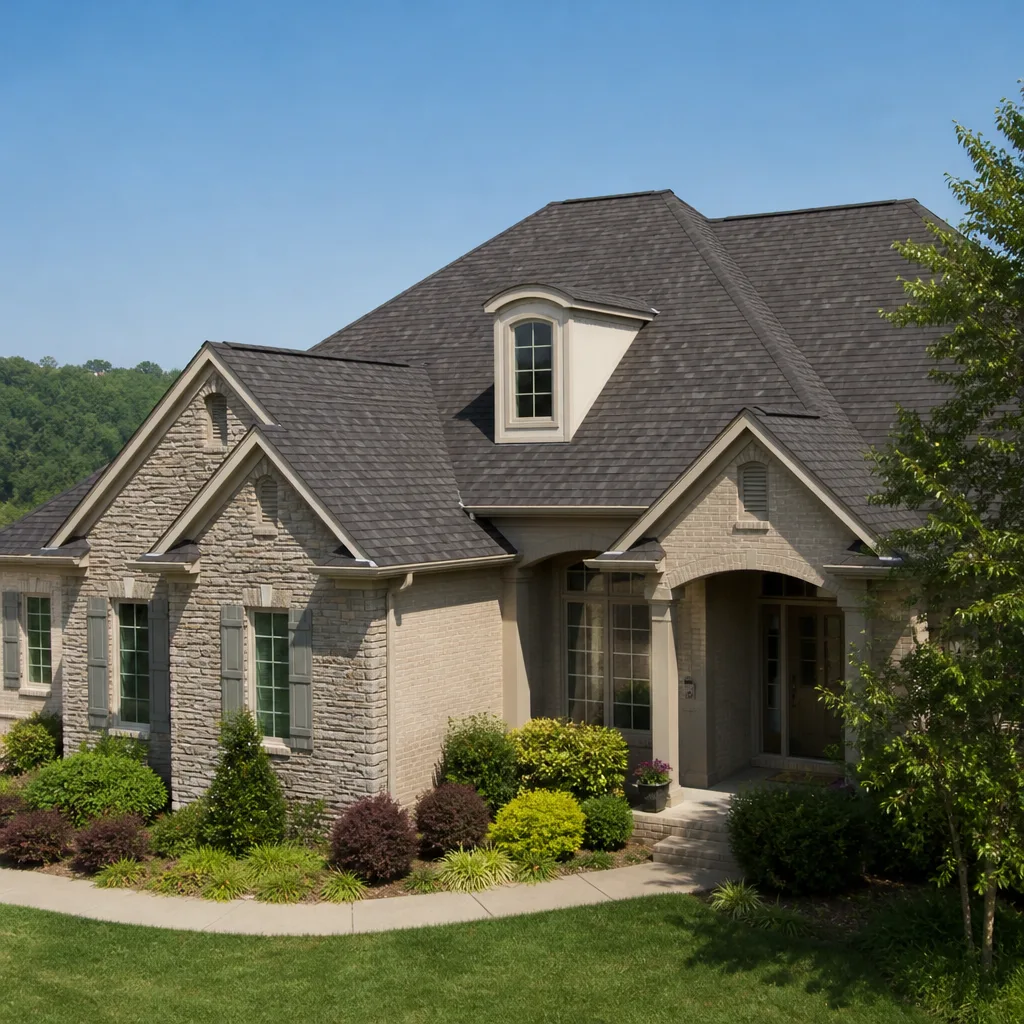 Owens Corning
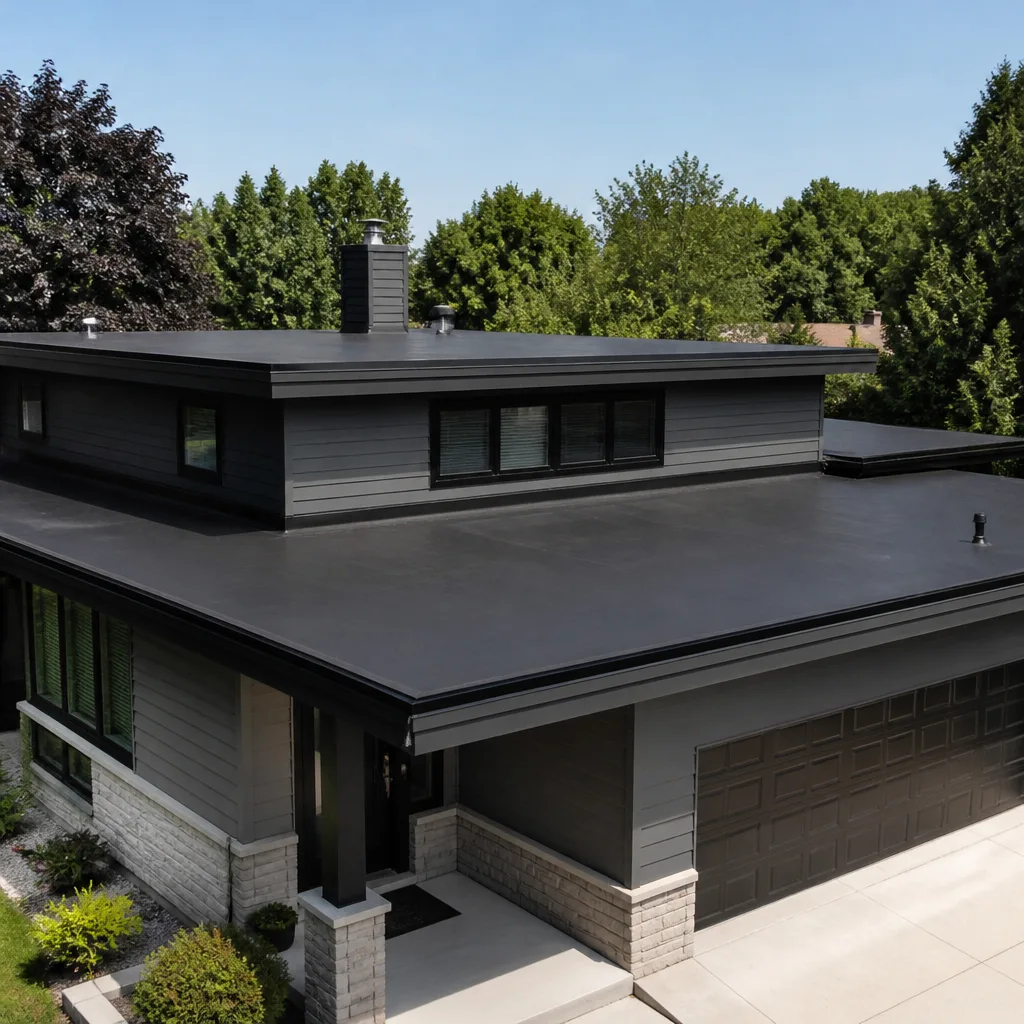 Flat & low-slope
Free roof inspection with deck photos before we talk money - GAF and Owens Corning certified installation
Styles & brands we work with
- Architectural shingles
- Metal roofing
- Tile roofing
- GAF
- Owens Corning
- Flat & low-slope
See the difference
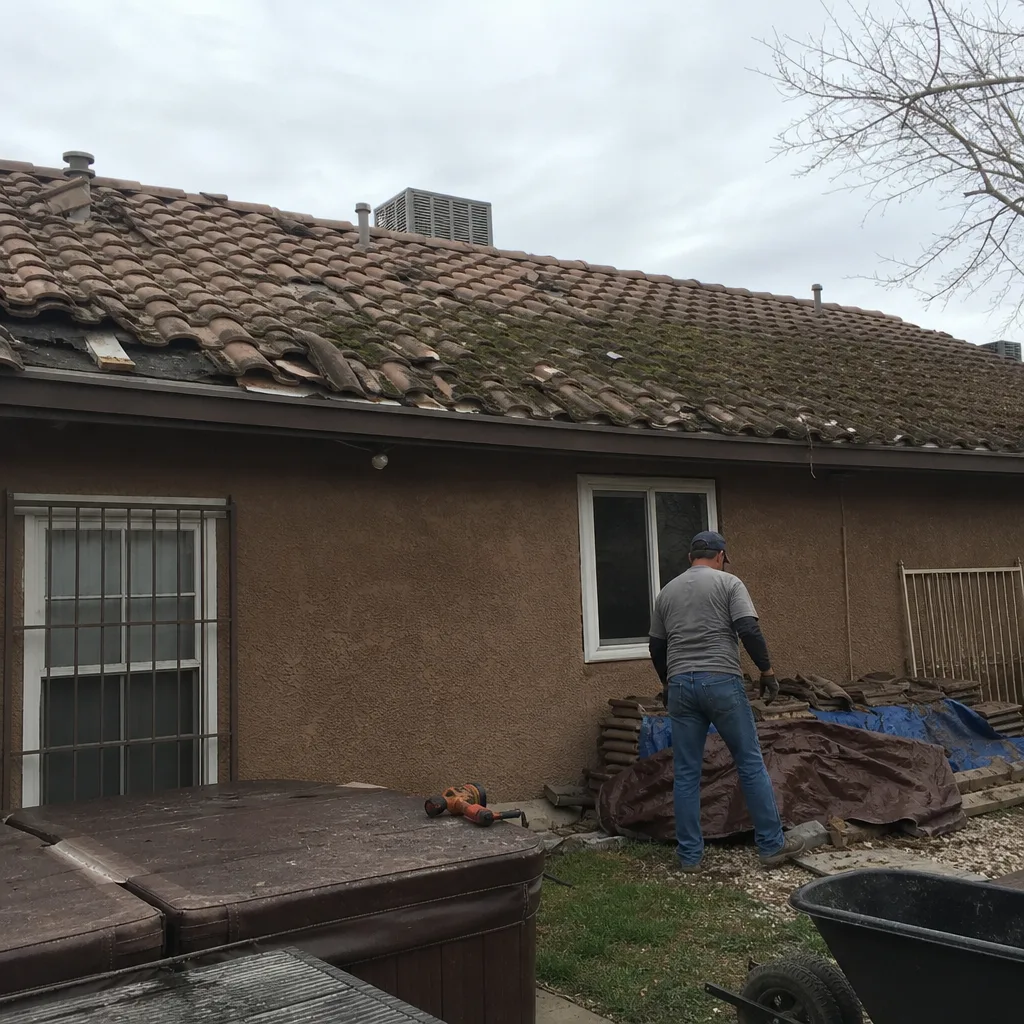 Before
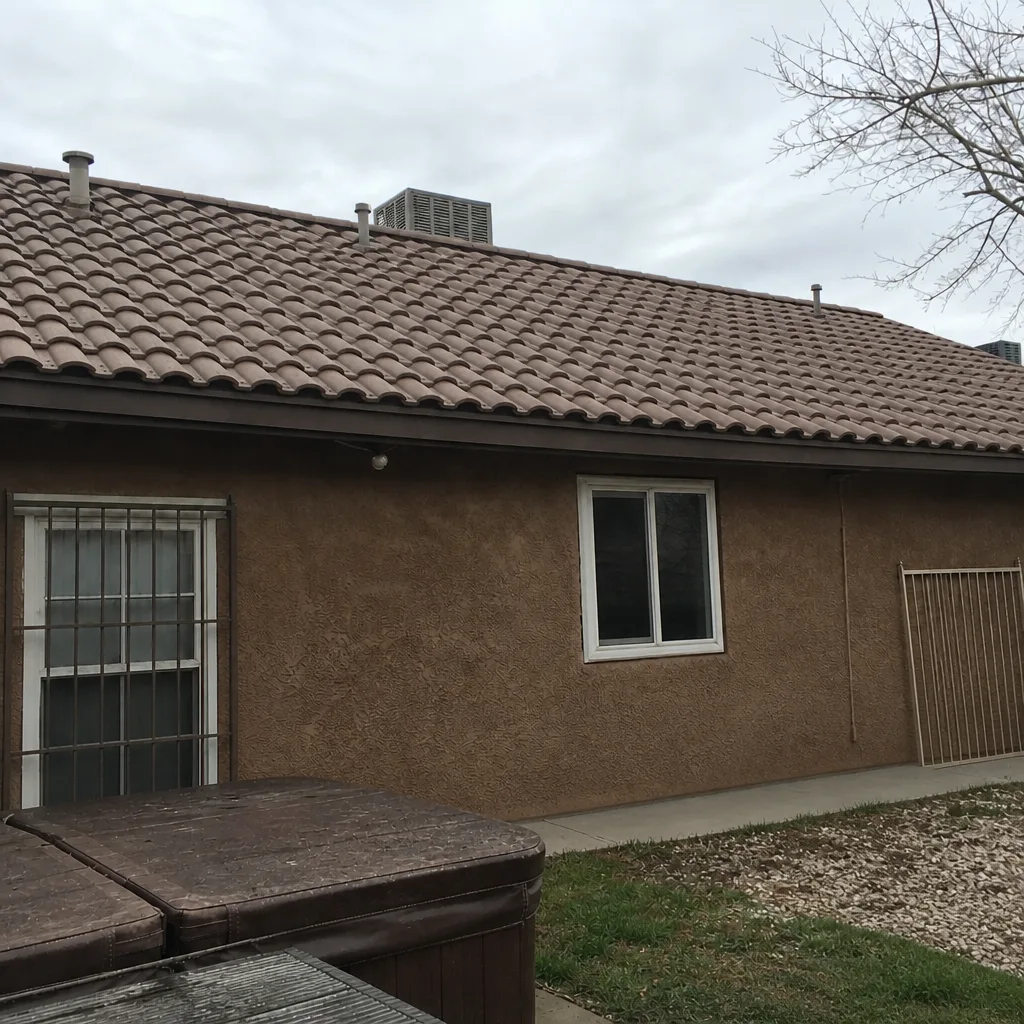 After
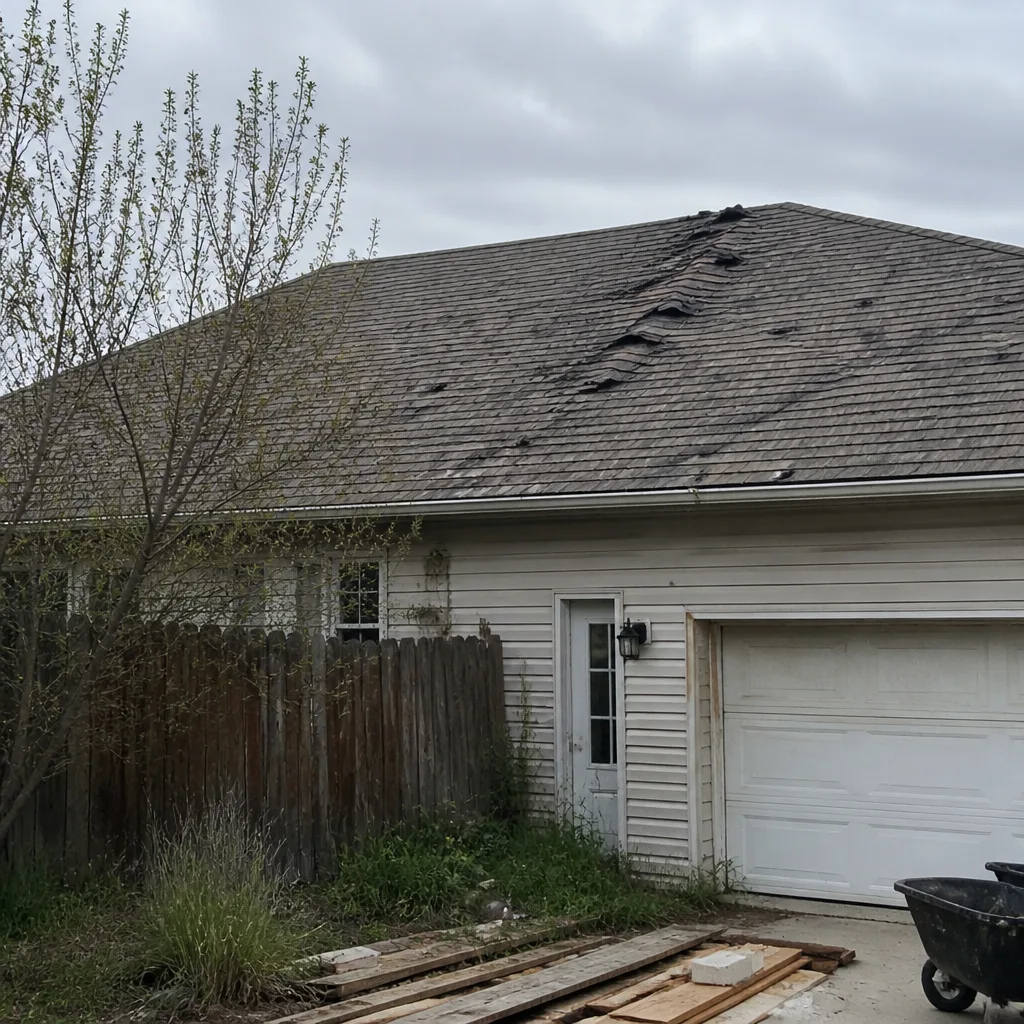 Before
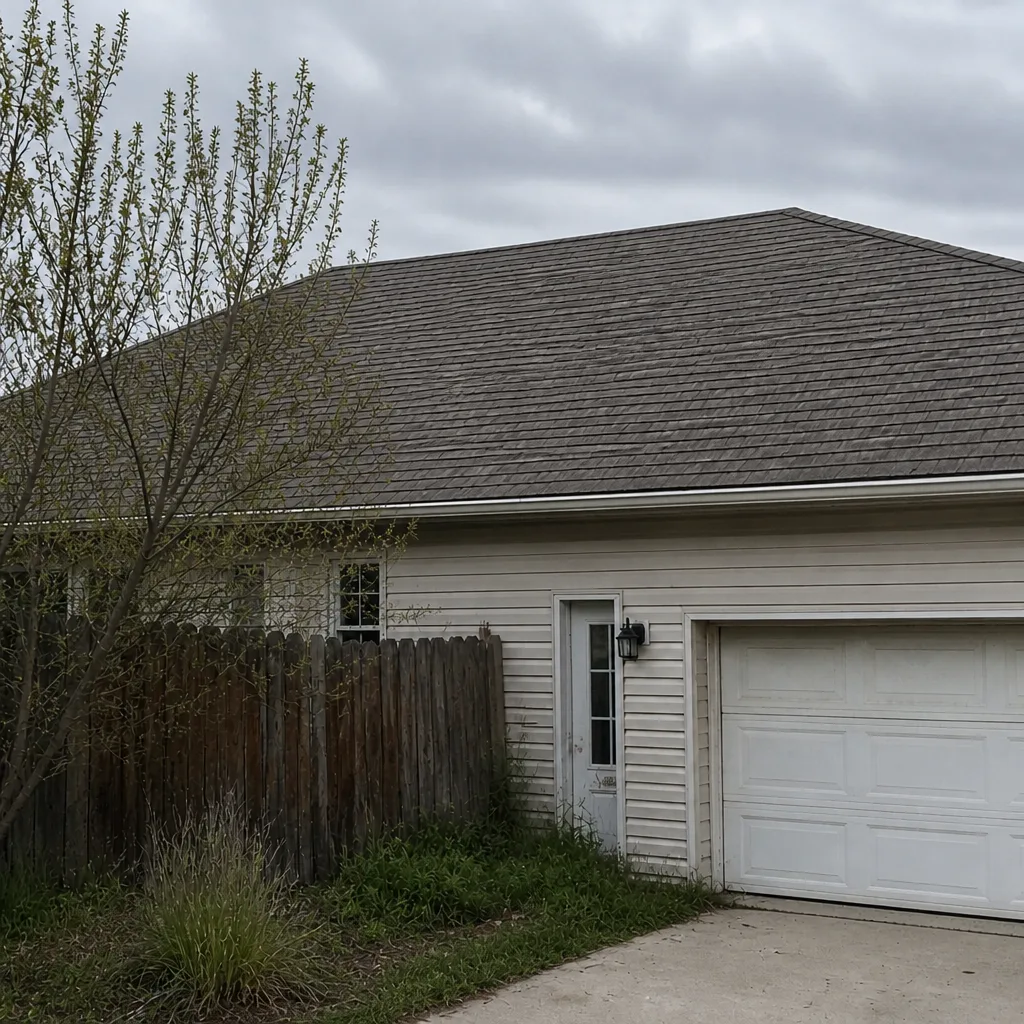 After
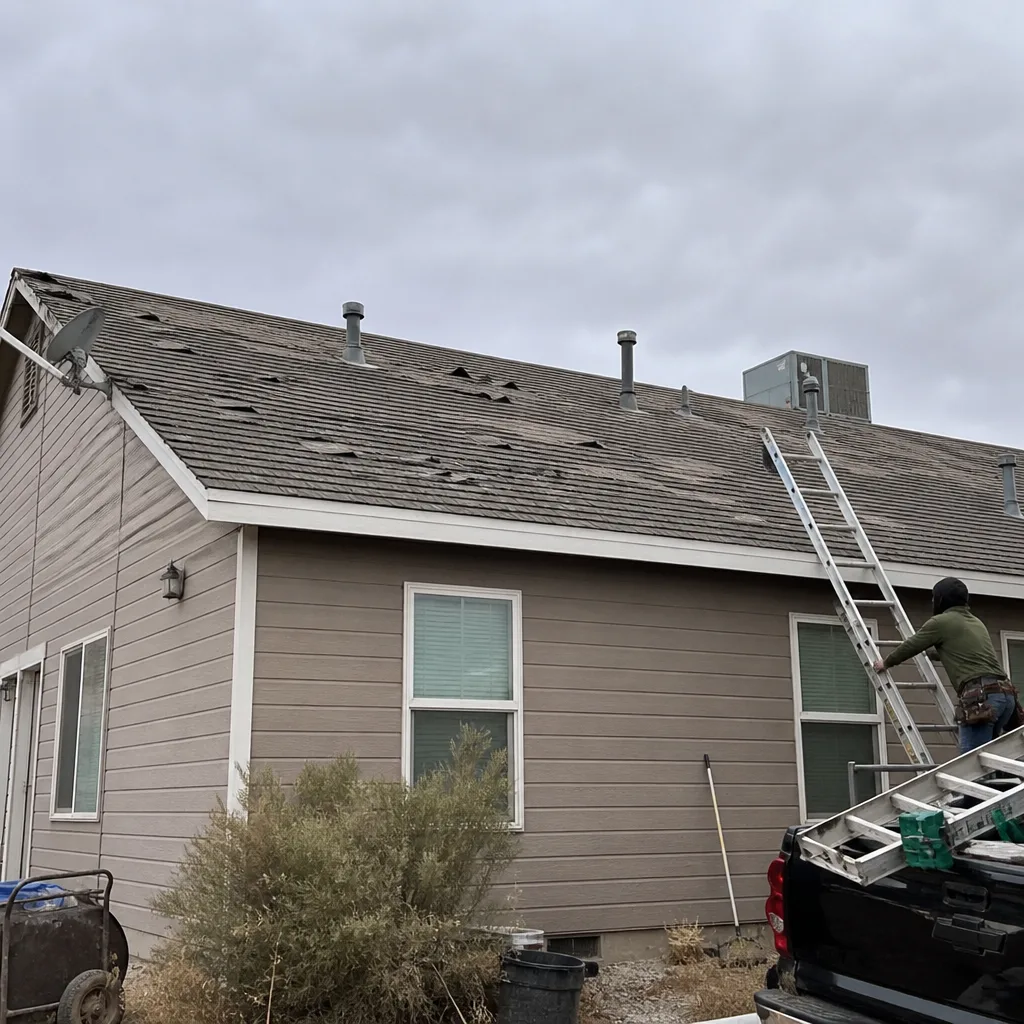 Before
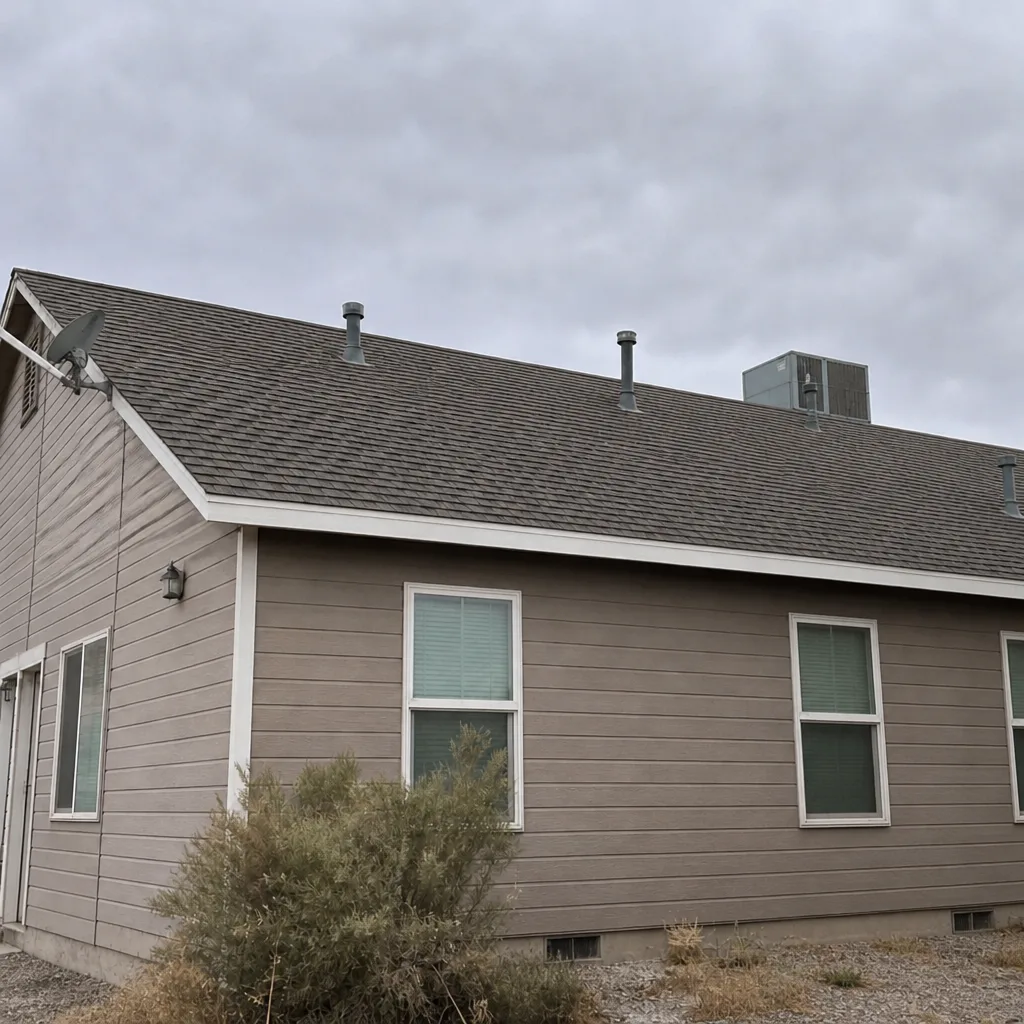 After
Metal Roof vs Shingles in Enterprise, NV: Which One Actually Survives Here?
For most Enterprise homes, we recommend standing-seam metal if you’re staying in the house for the long haul and can absorb the higher upfront cost. Choose architectural asphalt shingles if budget matters more than lifespan, or if your roof has complex valleys and penetrations where metal’s cost advantage erodes. That’s the short answer. The longer answer is that neither material performs in Enterprise the way the national comparison guides describe, because those guides were written for temperate climates. If you want to talk it through against your actual roof, call (844) 228-4119 and a live person will pick up.
Every metal-vs-shingles article you’ll find online was written for someone in the Midwest or the Southeast. In Enterprise, NV, the sun alone delivers UV exposure roughly equivalent to two “normal” years for every calendar year, and the wind off the McCullough Range carries desert abrasive that shortens shingle life and strips metal coatings from panel edges. Run the comparison on those conditions and the decision shifts.
Why the Standard Comparison Fails in Enterprise
Manufacturer lifespan data gets generated in places with four seasons, moderate humidity, and a UV index that peaks around 8. Enterprise sits at the south edge of the Las Vegas Valley beneath the McCullough Range, and summer UV regularly pushes past 11. That gap matters because both materials fail differently here than they do in Atlanta or Chicago.
Painted Galvalume and steel standing-seam panels come with 40-year coating warranties. Read the fine print and you’ll find those warranties are voided by chalking and fading, and the exclusions typically carve out “fading beyond acceptable color variation.” In this desert sun, that clause is the one that decides whether your claim gets honored. A panel that fades noticeably by year twelve may still be structurally sound and still be outside warranty coverage. That’s the honest trade with painted metal in Enterprise: the steel lasts, the finish is the part you’re really betting on.
Asphalt shingles fail from the other direction. Wind-driven decomposed granite from the desert basin surrounding Enterprise acts as a low-grade abrasive against the shingle surface. It works the granules off the leading edge of each course, the upslope side most exposed to prevailing southwest winds. In sheltered installations those granules last; here they don’t. We estimate the abrasive effect shortens effective shingle life by 20 to 30 percent compared to a sheltered roof of the same product.
The Two Factors That Should Decide It for You
Strip away the marketing and two things separate metal from shingles on an Enterprise roof.
- Coating degradation on metal. The panel body outlives the paint. Ask what the finish warranty actually excludes before you sign, and budget mentally for the possibility that color fades before the steel gives out.
- Granule loss on shingles. The abrasive desert wind shortens shingle life, and the UV-stabilization and algae-resistance upgrades that the major manufacturers offer aren’t optional here. They’re the difference between roughly a 20-year and a 14-year effective service life. In Enterprise, we treat those upgrades as baseline, not upsell.
Ridgeline installs GAF, CertainTeed, and Owens Corning shingle lines, and all three offer those enhanced packages. We won’t put a stripped-down shingle on an Enterprise roof and call it a value. It isn’t one.
Metal vs Shingles Side by Side, for Enterprise Conditions
| Factor | Standing-Seam Metal | Architectural Shingles |
|---|---|---|
| Upfront cost | Higher, often 2 to 3 times shingle cost | Lower, the budget-friendly entry |
| Service life here | Long; finish is the weak point, not the steel | 20 years nominal, often 14 to 16 effective after abrasive wear |
| UV response | Coating fades and chalks; warranty may not cover it | Granule degradation accelerated by sun and dust |
| Wind response | Floating-clip systems handle thermal movement | Granules abrade at leading edges over time |
| Repairability | Panel-by-panel, straightforward on standing seam | Individual shingles replaceable, color match can drift |
| Best fit | Long-term owners, simple roof planes | Complex roofs, tighter budgets, shorter horizons |
One more distinction that guides skip: metal’s thermal expansion in Enterprise’s 115°F summer temperatures creates real panel movement at fastener points. A standing-seam floating-clip system handles that movement without stressing the fasteners. Exposed-fastener metal panels don’t, and over time the panels loosen and leak at exactly those fasteners. If your home has the low-slope sections common on newer Enterprise stucco builds, that difference is not academic. It’s the whole ballgame.
Common Scenarios We See on Enterprise Roofs
Most of Enterprise was built out from the 1990s through the 2010s, so the roofs we’re called to are original or first-replacement concrete tile, with a smaller share of shingle and a growing number of low-slope foam roofs on stucco homes. When a homeowner calls about metal vs shingles, it’s usually one of a few situations.
An original shingle roof from the late ’90s or early 2000s that’s failing early. Often it’s not age alone. It’s granule loss concentrated on the windward slope. We photograph the actual roof and show you where the wear is, not give you a speech in the driveway.
A newer stucco home with a low-slope section over a patio or addition. This is where we steer careful homeowners toward standing-seam metal with floating clips, and away from exposed-fastener panels. The low slope and the thermal cycling are hard on anything else.
A concrete tile roof where a monsoon gust has flipped a ridge and exposed the underlayment. That pattern is tied to Enterprise’s position at the base of the McCullough Range rather than to valley-wide conditions. Whether you stay with tile or move to metal, the underlayment is what actually keeps water out, and it’s worth knowing its condition before you decide.
A homeowner planning to stay put for another twenty years. That’s the household metal was made for. The math favors it when you’re not moving.
Why the Recommendation Comes Without a Favorite
Many contractors in this market are single-line dealers. They push the product they’re contracted to sell, whether or not it fits your roof. Ridgeline is an authorized installer of multiple manufacturer lines, including GAF, CertainTeed, Owens Corning, IKO, Atlas, Tamko, and Boral. We recommend metal or shingle based on your roof’s geometry, your slope, your sun exposure, and how long you plan to stay. A recommendation that carries no financial tilt is a rare thing in roofing, and it’s how we’ve operated since 1984.
Our technicians have up to 10 years of experience, and every job is backed by our 90-Day Done Right Promise: if it’s not right, we come back and make it right, no paperwork and no arguing. For the metal side of the comparison in detail, see our metal roofing in Enterprise page, or start from our home page to see how we work.
FAQs
Yes, for most long-term owners, a standing-seam metal roof is worth it in Enterprise because the panel life outlasts shingles by a wide margin and handles the UV and thermal cycling better. The caveat is the finish: painted panels fade and chalk under this sun, and the 40-year coating warranty may exclude color fading. Budget for that reality and metal is a strong choice.
Architectural shingles in Enterprise typically last 14 to 16 years effectively, short of the 20-year nominal rating, because wind-driven desert abrasive wears granules off the leading edges faster than in sheltered climates. Choosing shingles with enhanced UV stabilization and algae resistance is what closes part of that gap. In Enterprise, those upgrades are not optional.
Standing-seam metal with a floating-clip system is better for low-slope sections on Enterprise stucco homes because it accommodates the thermal expansion that 115°F summer heat causes. Exposed-fastener metal panels loosen and leak at the fasteners over time, so avoid them on low slopes. If you’d rather have your roof looked at, call (844) 228-4119 for a free estimate.
Both can, but they fail differently. Monsoon gusts off the McCullough Range can flip whole ridges of concrete tile and drive dust into gaps, and the same abrasive wind shortens shingle granule life. Metal with proper clips resists wind uplift well; shingle performance depends heavily on installation quality and the wind rating of the product line. Call (844) 228-4119 and we’ll look at your specific roof.
Talk It Through With Us
If you’d rather have it looked at than read another comparison, Ridgeline Roofing Co. Enterprise offers a no-pressure assessment in Enterprise. We document every inspection with photos from your actual roof, quote a price you can count on, and let you decide. Call (844) 228-4119 for a free estimate.
Written by the team at Ridgeline Roofing Co. Enterprise, serving Enterprise, NV.