
 Metal roofing
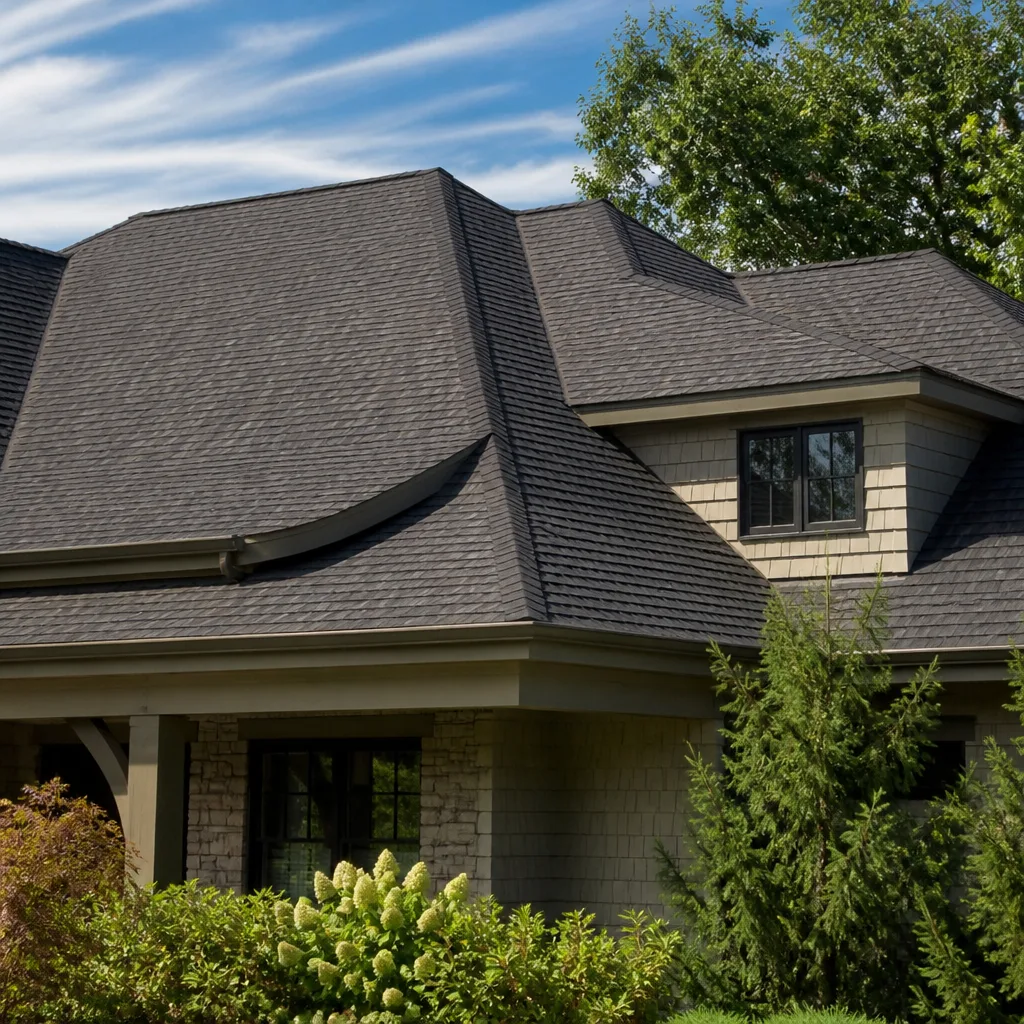 Architectural shingles
 Tile roofing
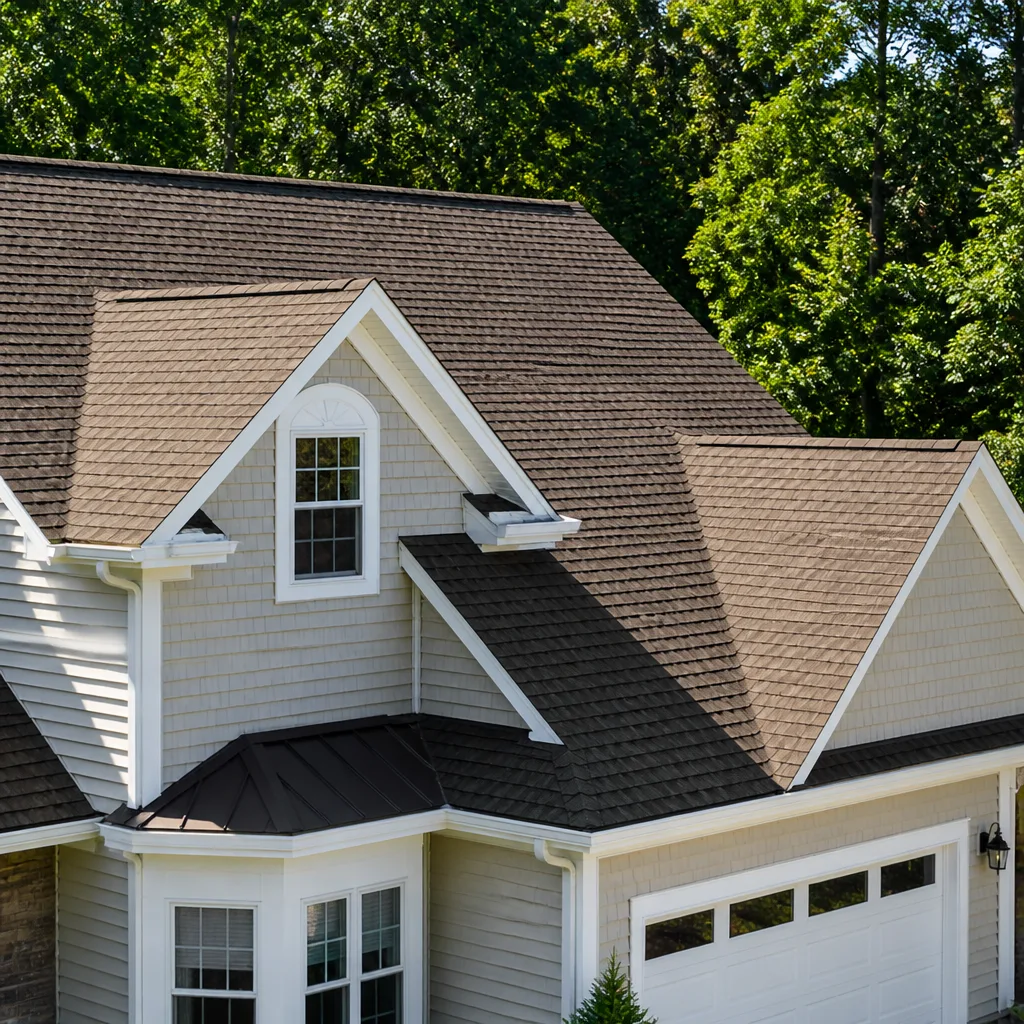 GAF
 Owens Corning
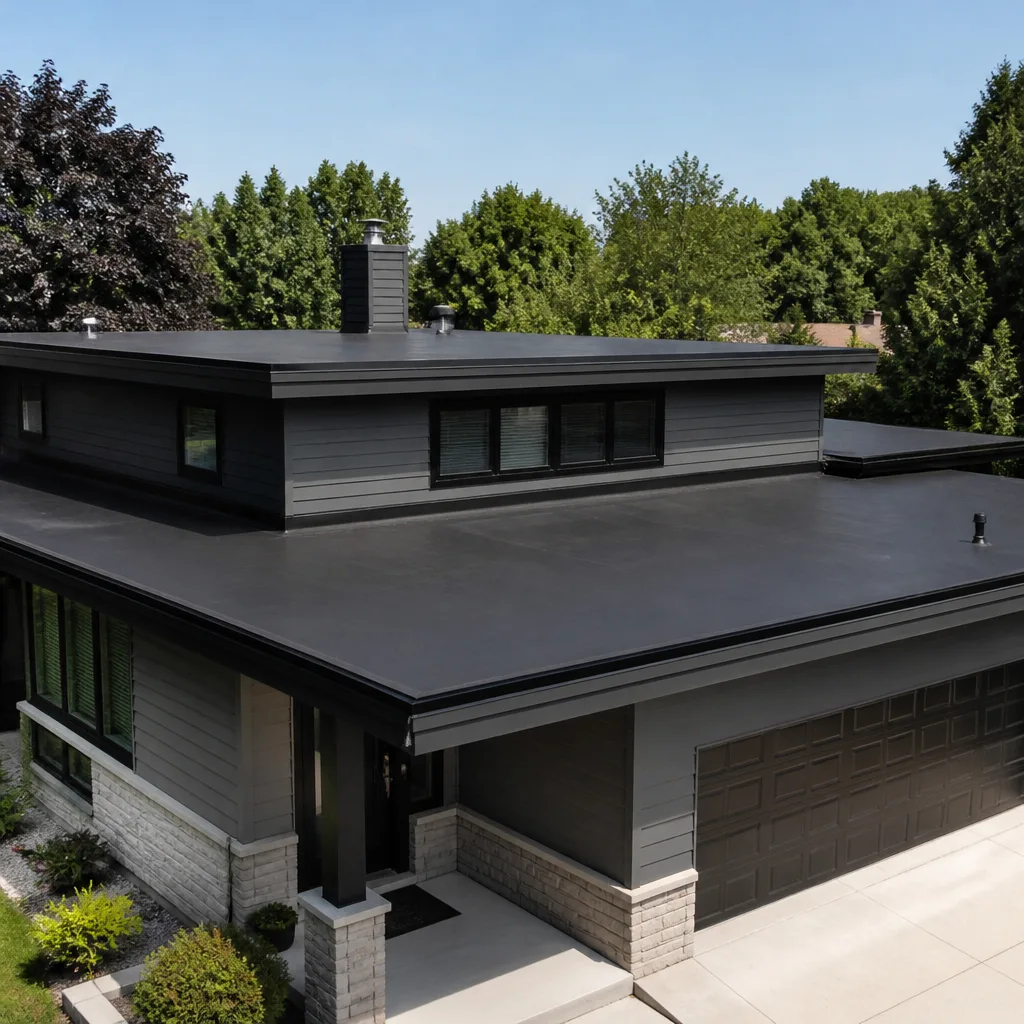 Flat & low-slope
Free roof inspection with deck photos before we talk money - GAF and Owens Corning certified installation
Styles & brands we work with
- Architectural shingles
- Metal roofing
- Tile roofing
- GAF
- Owens Corning
- Flat & low-slope
See the difference
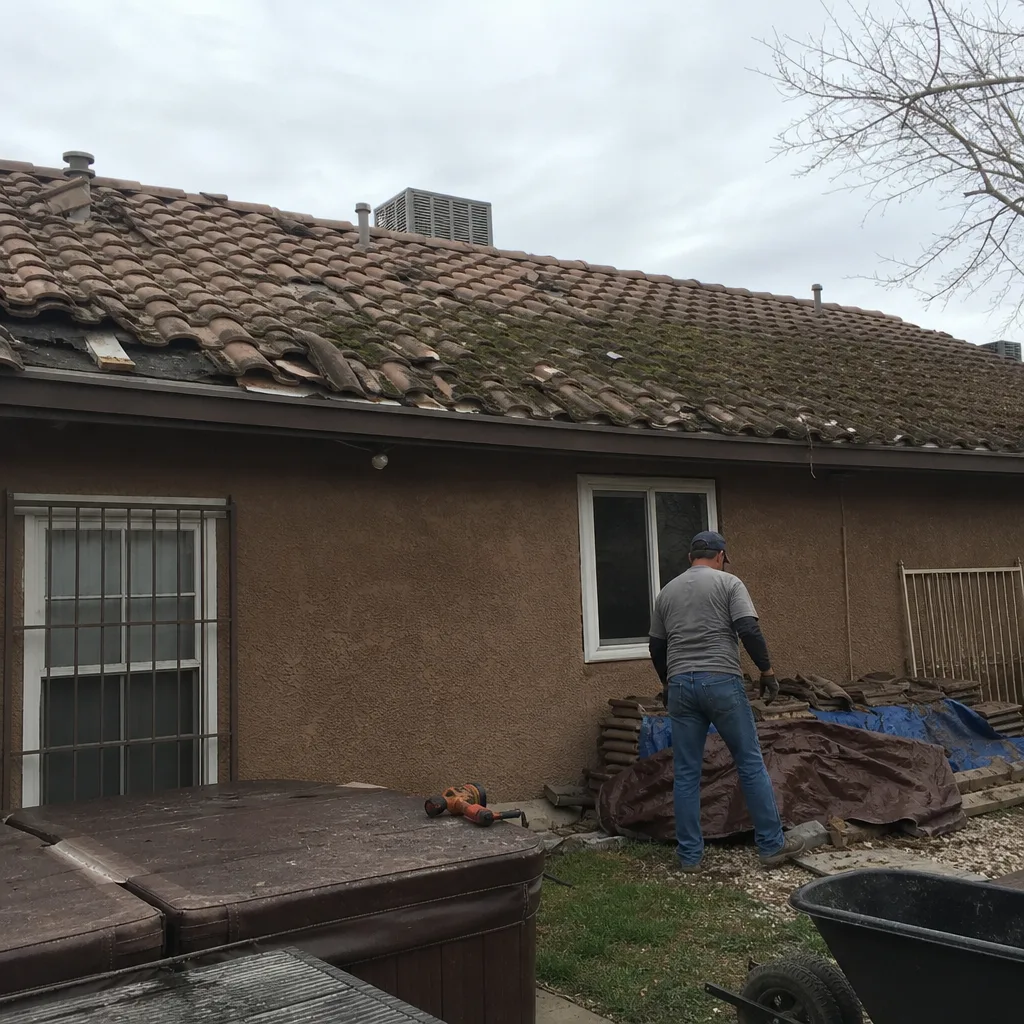 Before
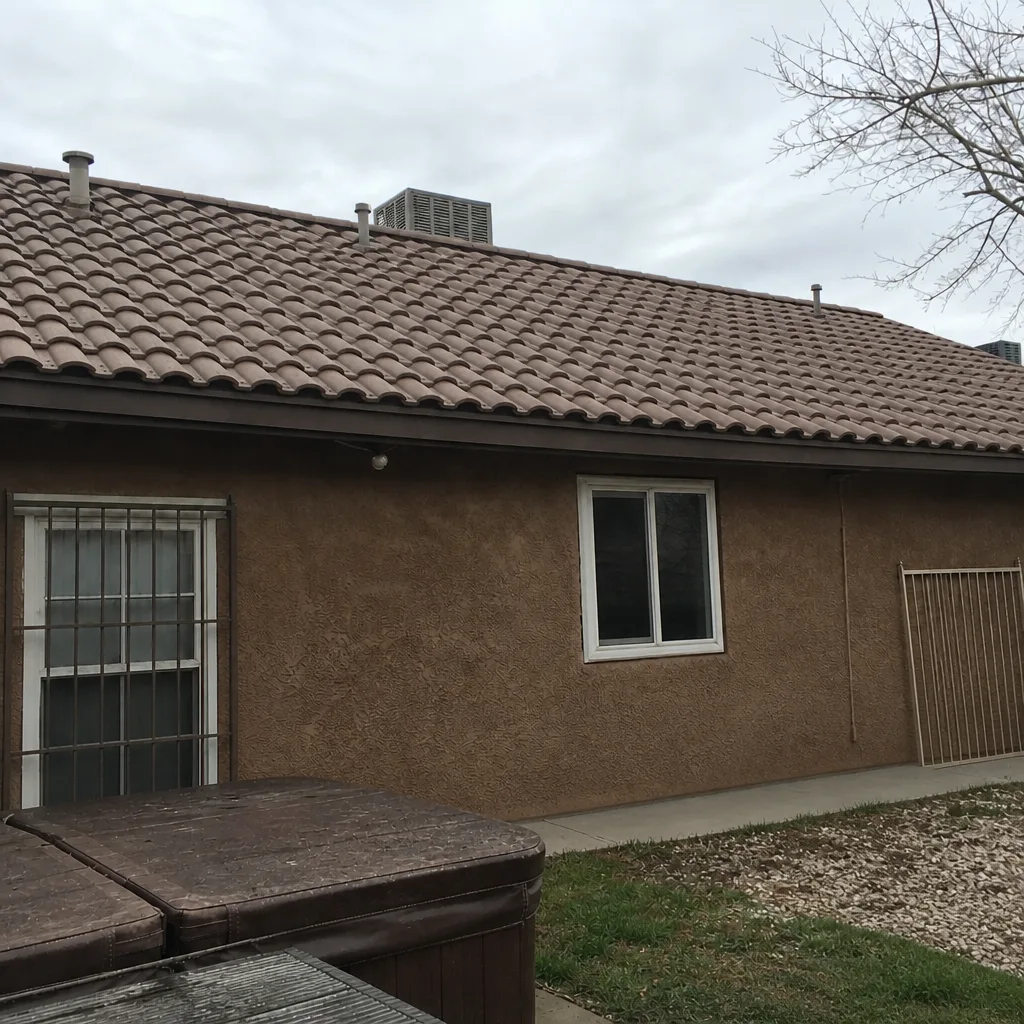 After
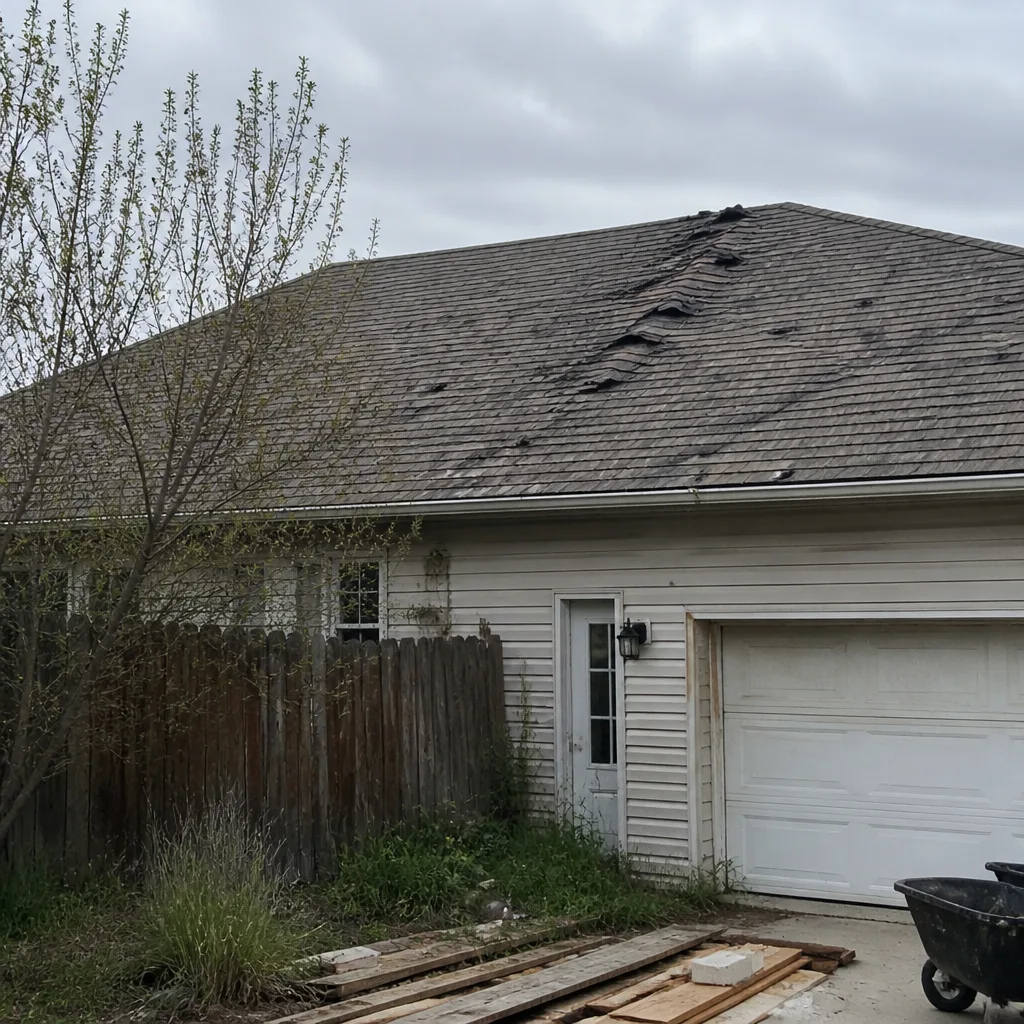 Before
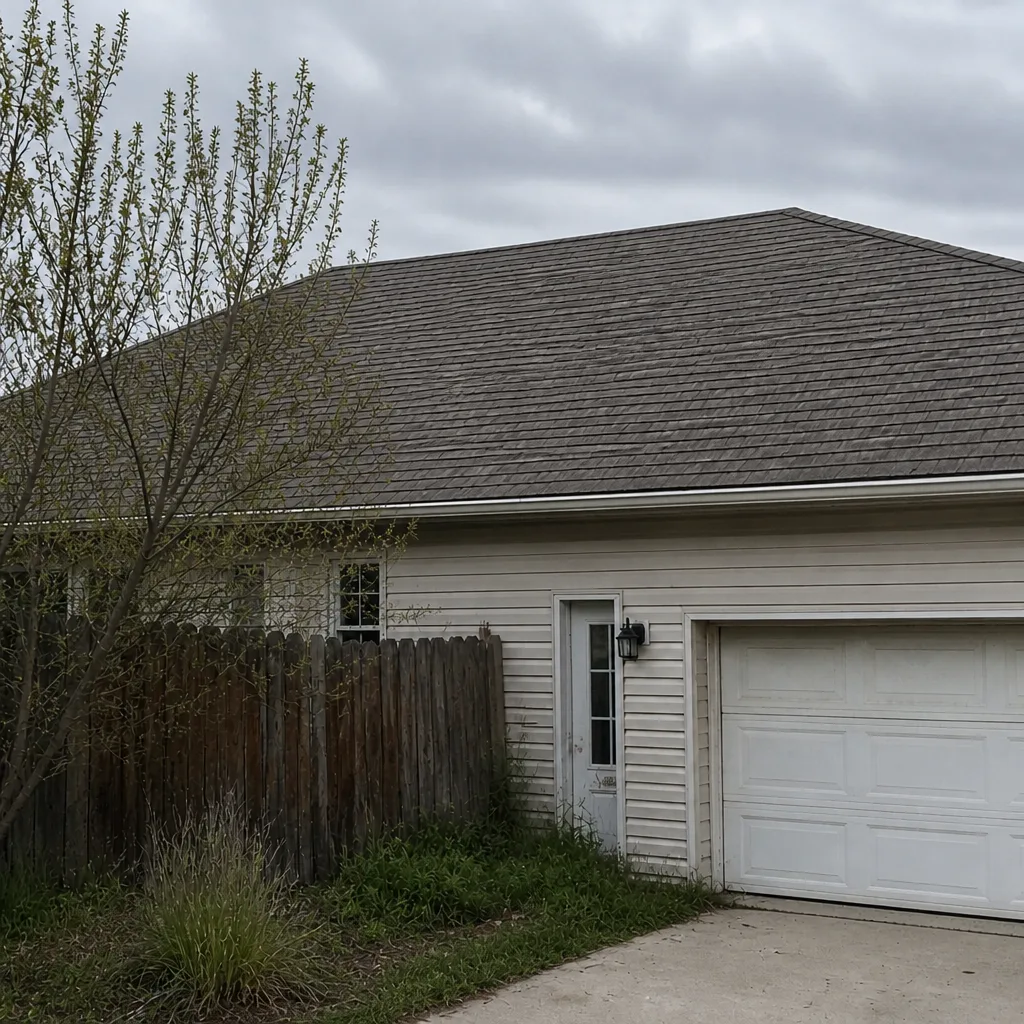 After
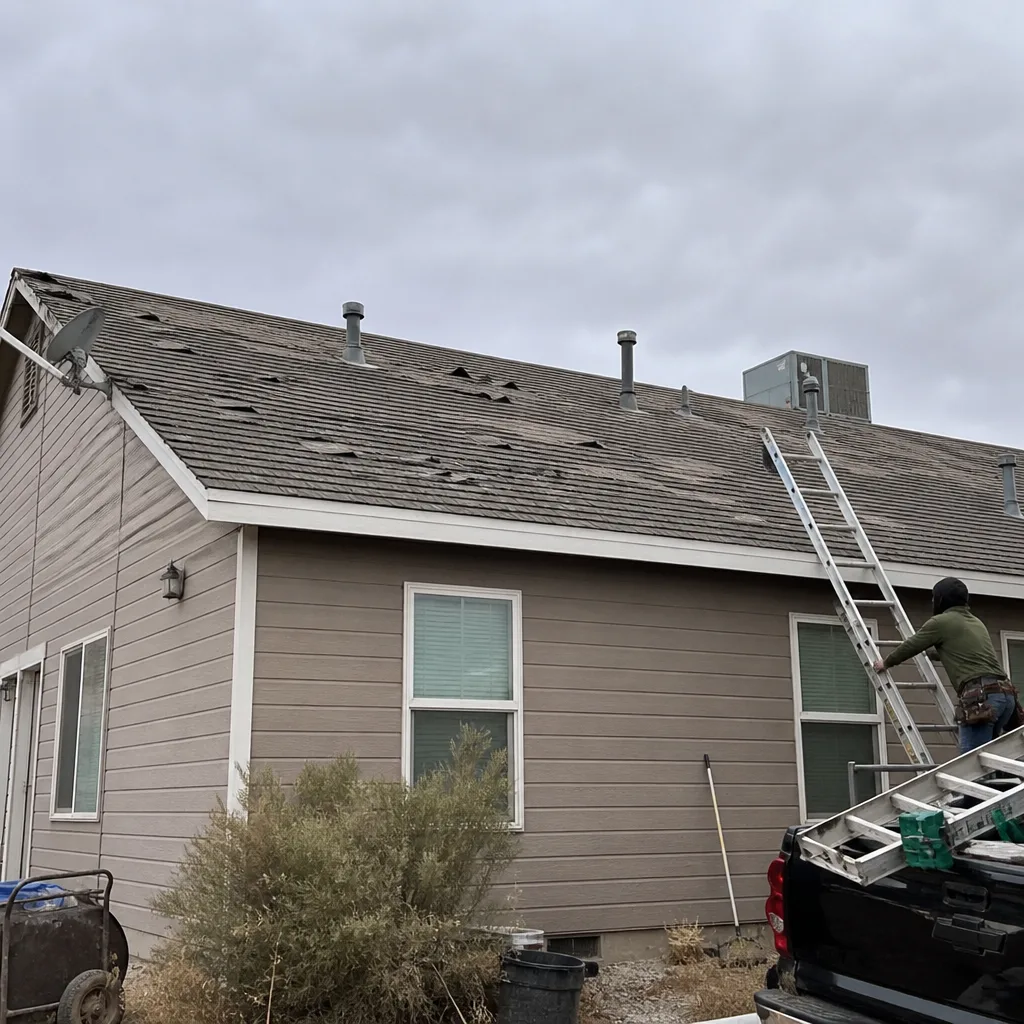 Before
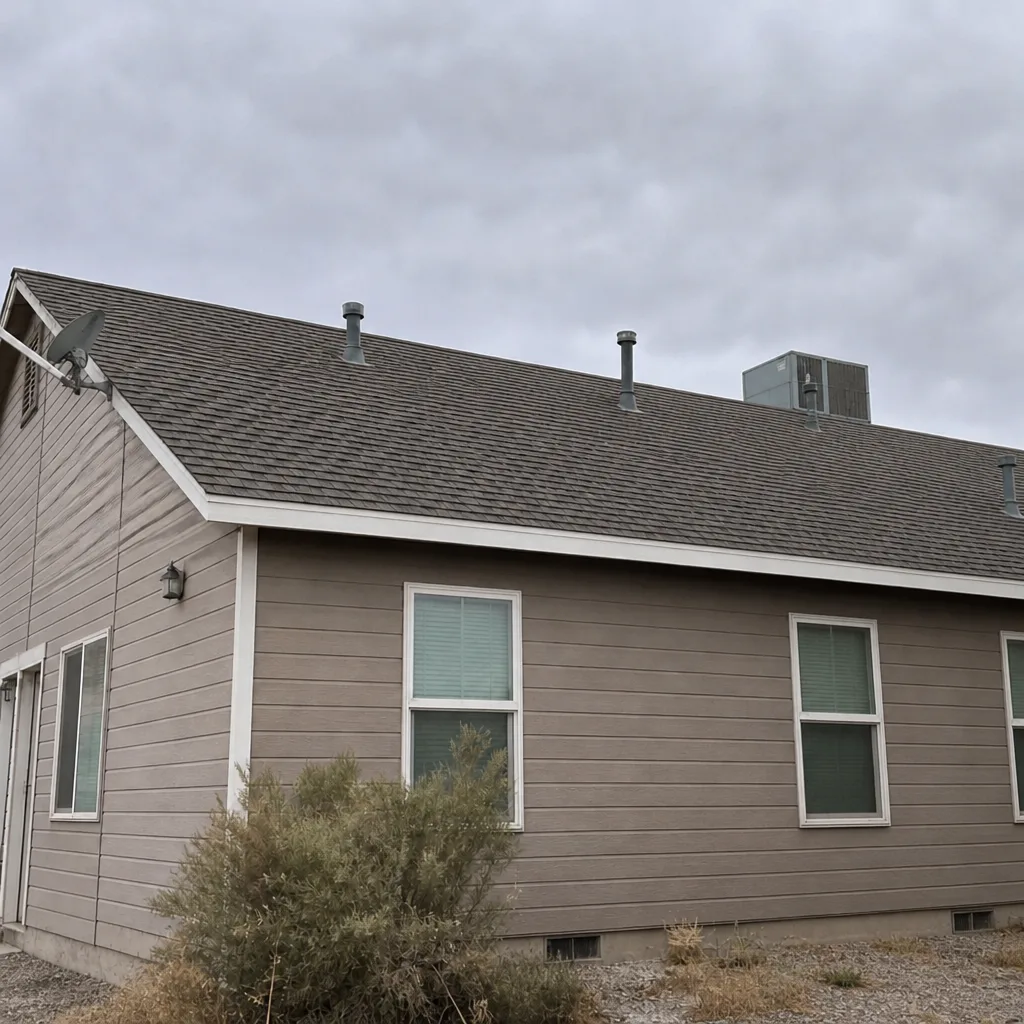 After
Signs You Need a New Roof in Enterprise, NV: What to Look For on Tile and Foam Roofs
The short answer: if your Enterprise roof has chalked, matte-white foam coating, ridge tiles that rock underfoot, valley pans holding more than two inches of gravel, or underlayment showing through cracked tile, you’re likely past repair and into replacement. These signs almost never appear on the generic “curling shingles” checklist you’ll find online, because that list was written for asphalt homes in wet climates, not for the concrete tile and foam systems that cover most of Enterprise. Calling (844) 228-4119 gets you a live person who can walk you through what to look for.
Key Takeaways
- Most Enterprise roofs are original concrete tile from the 1990s to 2010s build-out, not asphalt shingle.
- The real warning signs hide on the roof surface, not the street.
- Matte-white foam coating with two years of waterproofing life left is a countdown, not a cosmetic issue.
- An 18-22 year replacement window applies to original foam-set tile in the south valley, shorter than the 20-25 years national guides cite.
Why the Standard Checklist Doesn’t Fit Enterprise Roofs
If your home has a concrete tile or foam roof, the curling-shingles list you found online is not for your house. The warning signs here are invisible from the driveway. That matters in Enterprise, where most neighborhoods were built out between the 1990s and the 2010s and still carry original concrete tile, some clay tile, and a growing share of low-slope foam on stucco-clad homes in the newer subdivisions.
Tile doesn’t curl. It cracks, shifts, and loses the mortar that holds it down. Foam doesn’t develop granule loss. It chalks and thins until UV burns through the elastomeric layer. Neither failure announces itself from the curb, and both accumulate quietly until a monsoon downburst off the McCullough Range turns a slow problem into a wet ceiling.
The On-Roof Warning Signs That Actually Matter Here
A trained eye on the surface will find the same four problems again and again on Enterprise roofs. None of them show up on a generic sign list:
- Foam coating chalked to a matte white. Fresh elastomeric coating has a slight sheen. When it goes flat and chalky, UV has depleted it, and there’s usually less than two years of waterproofing life left before the foam itself starts absorbing water.
- Ridge tiles that rock when stepped on. That movement means the dry-set mortar has failed. A loose ridge tile is the first thing a microburst takes, and once one goes, the row follows.
- Valley pans with gravel dams more than two inches deep. Wind-blown desert gravel gathers in valleys and scuppers. Past two inches, water backs up during a monsoon and finds the nearest seam.
- Underlayment visible through cracked tile. The moment you can see the felt through a break, the roof is in immediate replacement territory. Tile is the wear layer; underlayment is the waterproof layer, and it does not come back once it’s gone.
The “Invisible From the Ground” Problem With Concrete Tile
A tile roof that looks complete from the street can have an entire section of underlayment exposed. A microburst flips a run of tiles, and when they land back in roughly the right position, the roof still looks whole from below. The tiles read as intact. The waterproofing underneath is bare.
In Enterprise, this pattern turns up more than it does in older, denser parts of the valley. Sitting at the south edge of the Las Vegas Valley directly beneath the McCullough Range, homes here catch gusts that funnel off the mountains and hit harder than the valley-wide forecast suggests. After a monsoon, we find whole ridges of tile flipped and underlayment exposed, with desert gravel packed into every gap. The only way to know whether your roof took that kind of hit is to walk it.
Interior Signs Enterprise Homeowners Misread
Not every warning shows up on the roof. The two interior signs we hear about most often get blamed on the wrong thing:
- An attic that smells musty only after summer monsoon storms. This isn’t chronic damp. It’s event-driven infiltration, where wind-driven rain pushes past a failed seal during a storm and dries out afterward.
- Ceiling stains that appear once and fade. These are tile infiltration that dries between events. A stain that “went away” hasn’t gone anywhere. The opening that let water in is still there.
Both patterns are easy to dismiss as a one-time fluke. In Enterprise, they usually point to the same thing: a small failure that will get bigger with the next storm.
The Age Threshold for Enterprise Roofs
National averages cite 20-25 years for concrete tile. That number doesn’t hold here. Intense UV and abrasive wind in Enterprise’s south-valley position shorten the useful life of original foam-set installations to about 18-22 years. If your home was built in the 1990s or early 2000s and still has its original roof, you’re at or past that window, even if it looks fine from the street.
Rare freeze events matter too. They crack tile and sealant in ways that summer heat never does, and the damage is often a hairline crack that widens with each thermal cycle. For a closer look at how replacement windows work in this climate and what full installation involves, see our Roof Replacement & Installation page.
How Photo-Documented Inspections Turn Signs Into a Decision You Can See
At Ridgeline Roofing Co. Enterprise, every inspection is documented with photos taken from your actual roof surface, not an interpretation delivered at the curb. You see the chalked foam, the rocking ridge tile, the gravel dam in the valley pan, the exposed underlayment. You decide from evidence, not salesmanship. It’s the way we’ve worked since 1984, and our technicians have up to 10 years of experience walking these specific roofs. We’re an authorized installer of GAF, CertainTeed, Owens Corning, IKO, Atlas, Tamko, and Boral, so you get the right material for the system you have, with no substitutions.
Every job is backed by our 90-Day Done Right Promise: a written guarantee with no paperwork, no arguing, and no runaround. If it’s not right, we come back and make it right. Our phones are answered live 24/7, including during a storm. And the price on the estimate is the price on the invoice.
What Replacement Looks Like Here, Roughly
Cost depends on square footage, roof type, and how much underlayment damage is present. These are the ranges we typically see in Enterprise:
| Job | Typical Range |
|---|---|
| Photo-documented roof inspection | Free estimate |
| Valley pan cleaning and scupper clearing | $250-$600 |
| Foam recoat (full) | $1,200-$3,500 |
| Partial tile reset and ridge repair | $400-$1,800 |
| Full replacement, concrete tile | $14,000-$28,000 |
| Full replacement, low-slope foam | $9,000-$18,000 |
For the surrounding picture on replacement scope and materials, our Roof Replacement & Installation in Enterprise page lays out the full process. Current standing offers include $50 off any repair over $250, a free second opinion on any written estimate, and an $89 seasonal tune-up, plus a permanent 5% senior and veteran discount.
FAQs
If a single tile is cracked or one valley pan is clogged, that’s typically a repair. If your underlayment is exposed, your ridge tiles are rocking across a run, or your foam coating has chalked out, you’re looking at replacement territory. A documented inspection tells you which one you’re facing. Call (844) 228-4119 for a free estimate.
Yes. A tile roof can look complete from the curb while a whole section of underlayment sits exposed after a microburst flipped tiles back into place. That’s the core reason Enterprise tile roofs need a physical walk, not a drive-by. Call (844) 228-4119 to schedule an on-roof inspection.
About 18-22 years for original foam-set installations, shorter than the 20-25 years national guides cite, because UV and abrasive wind here wear the underlayment faster. If your roof is original from the 1990s or early 2000s build-out, it’s in that window. Call (844) 228-4119 for an honest age assessment.
Typically $14,000-$28,000 for concrete tile and $9,000-$18,000 for low-slope foam, depending on square footage and the state of the underlayment. A free estimate gives you the exact number. Call (844) 228-4119 and we’ll walk the roof and show you the photos.
If You’d Rather Have It Looked At
If you’d rather have it looked at, Ridgeline Roofing Co. Enterprise offers a no-pressure assessment in Enterprise: call (844) 228-4119. We’ll walk the roof, photograph what we find, and tell you honestly whether it’s repair or replacement. The number on the estimate is the number on the invoice, and every job is backed by our written 90-Day Done Right Promise. Done right, and if it isn’t, we make it right.
Written by the team at Ridgeline Roofing Co. Enterprise, serving Enterprise, NV.